Occupy Cinema › Box Office
The Architecture of a Hit: How Jordan Peele's 'Get Out' Redefined Studio Economics
Produced for just $4.5 million, Jordan Peele's directorial debut grossed $255 million worldwide and fundamentally altered Hollywood's risk assessment for original genre cinema.
By Occupy Cinema ·
In February 2017, Universal Pictures and Blumhouse Productions rolled out an original horror title that altered Hollywood development slates for the following decade. Written and directed by Jordan Peele, Get Out arrived without preexisting intellectual property, comic book pedigree, or franchise attachments. Peele was known primarily as an Emmy-winning television sketch comic, an origin that made traditional studio executives hesitant until Jason Blum backed the vision. The project arrived instead on the sheer strength of an airtight concept, executing what remains one of the sharpest return on investment profiles in modern theatrical history.
The production budget was locked at a lean $4.5 million. By the conclusion of its global theatrical run, the film had collected $176 million domestically and another $79.4 million internationally, totaling $255.4 million worldwide according to reporting from The Hollywood Reporter. The domestic multiplier was historic. Peele became the first Black writer and director to cross the $100 million mark with a debut feature. In an era where studio suits routinely claimed original mid-budget cinema was unviable, Get Out delivered a net theatrical profit margin exceeding thirty times its physical production spend.
Crafting the Sunken Place and Pure Practical Tension
The financial return was matched by razor-sharp craft. Director of photography Toby Oliver utilized the Arri Alexa Mini paired with Angenieux zooms and Zeiss Ultra Prime lenses, capturing a deceptively sunny, welcoming suburban palette that slowly curdled into psychological dread. The visual centerpiece of the film, the Sunken Place, required zero complex digital environments. Oliver and Peele achieved the void through practical means, suspending Daniel Kaluuya on cables against a vast expanse of black velvet and shooting at high frame rates under selective, low-key lighting.
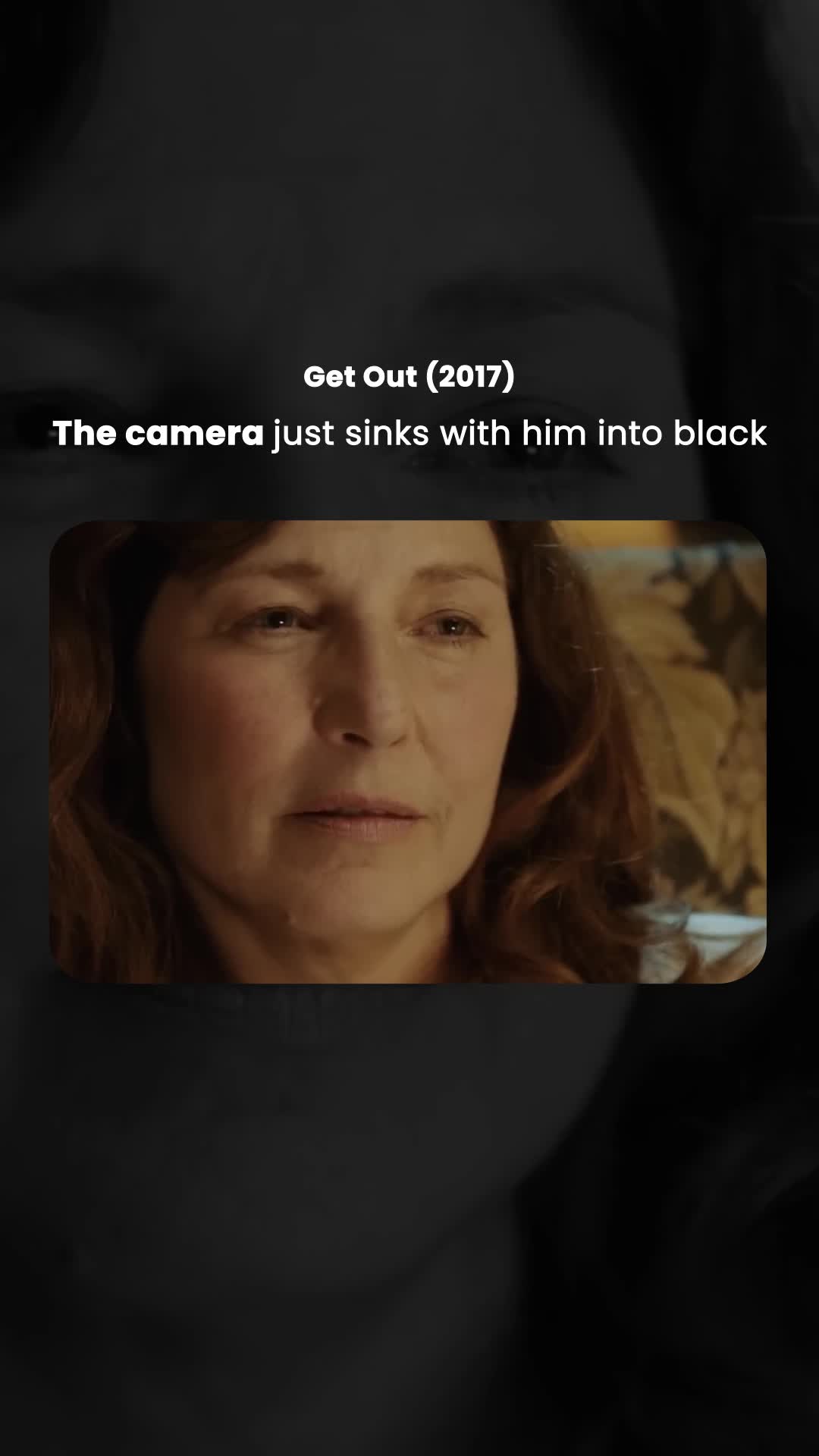
The performance demands were equally intense. When Kaluuya sits paralyzed in the armchair under Catherine Keener's hypnotic interrogation, the actor delivered the iconic single tear entirely in-camera across multiple takes without the aid of glycerin or tear sticks. Peele grounded the speculative horror in tangible, lived trauma, instructing Kaluuya to channel systemic racial exhaustion directly into the physical immobility of the character. Paired with composer Michael Abels' Swahili-infused choral score and the rhythmic clink of a silver spoon against porcelain, the sequence became an indelible piece of modern cinema craft.
The Blumhouse Blueprint and Long-Term Studio Impact
The production vindicated Blumhouse's signature financial framework. By capping production spending, the model guaranteed the filmmaker absolute creative freedom while insulating the studio against commercial downside. When the film crossed over into mainstream pop culture, Universal expanded its theatrical footprint, fueling a prolonged awards corridor rarely granted to genre cinema. As tracked by Variety, Get Out secured four Academy Award nominations, including Best Picture, Best Director, and Best Actor, ultimately earning Peele the Oscar for Best Original Screenplay.
The victory transformed Peele from a broadcast comedy veteran into one of the few contemporary directors with absolute greenlight power and an exclusive first-look deal for his banner, Monkeypaw Productions. Studios spent the subsequent five years scrambling to purchase comparable social horror pitches, often failing to understand that the film's success was not merely a genre trend. Peele demonstrated that specificity of voice and rigorous technical control can outperform legacy IP, establishing a new commercial benchmark for auteur-driven cinema.
Related reading: Respect for Acting.