Occupy Cinema › Business
From Studio Mill to Cult Status: The Enduring Value of Hayden Panettiere's Key Screen Roles
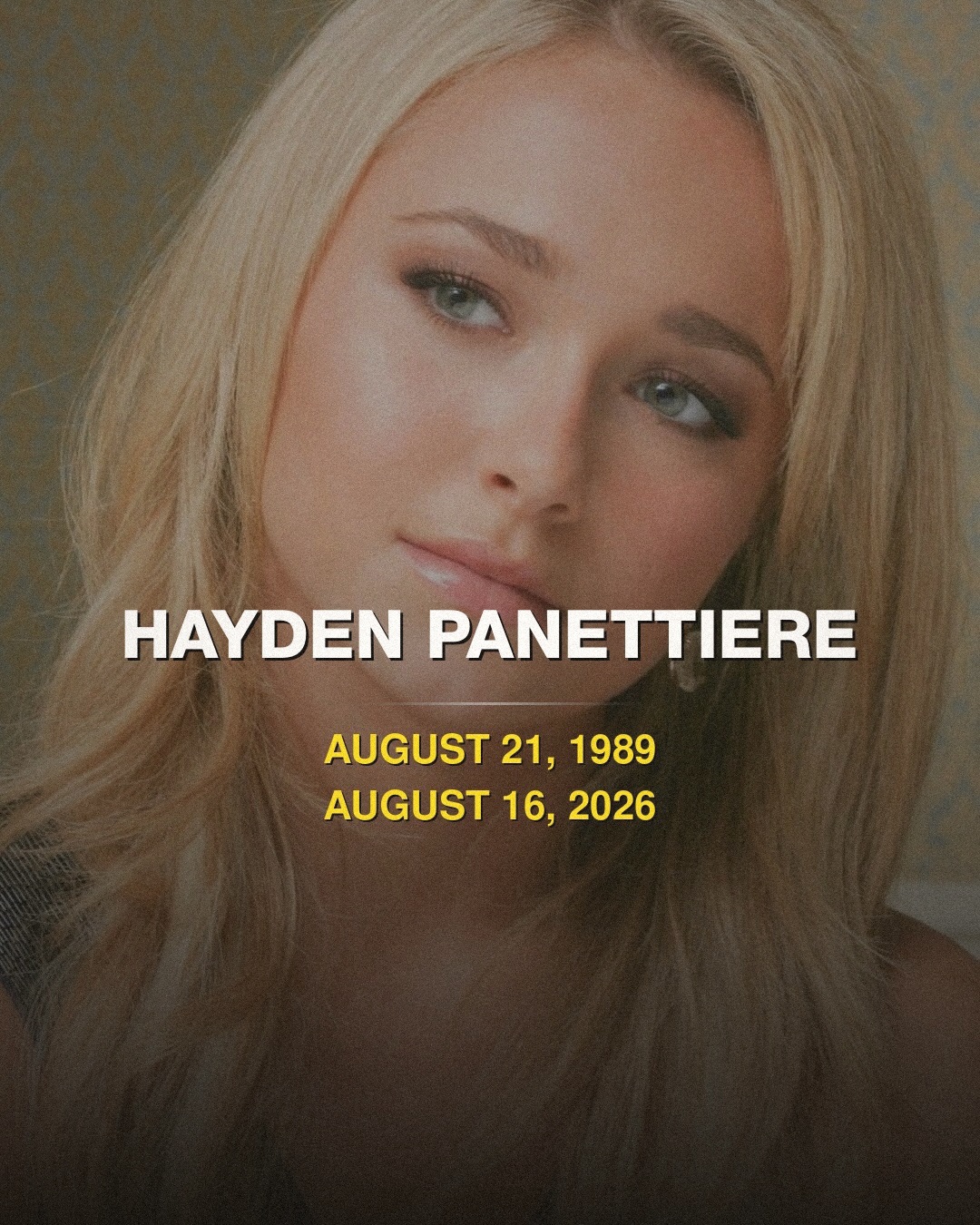
Looking back across three decades in front of the camera, Hayden Panettiere highlights the specific studio projects that shaped her craft and defined her longevity.
By Occupy Cinema ·

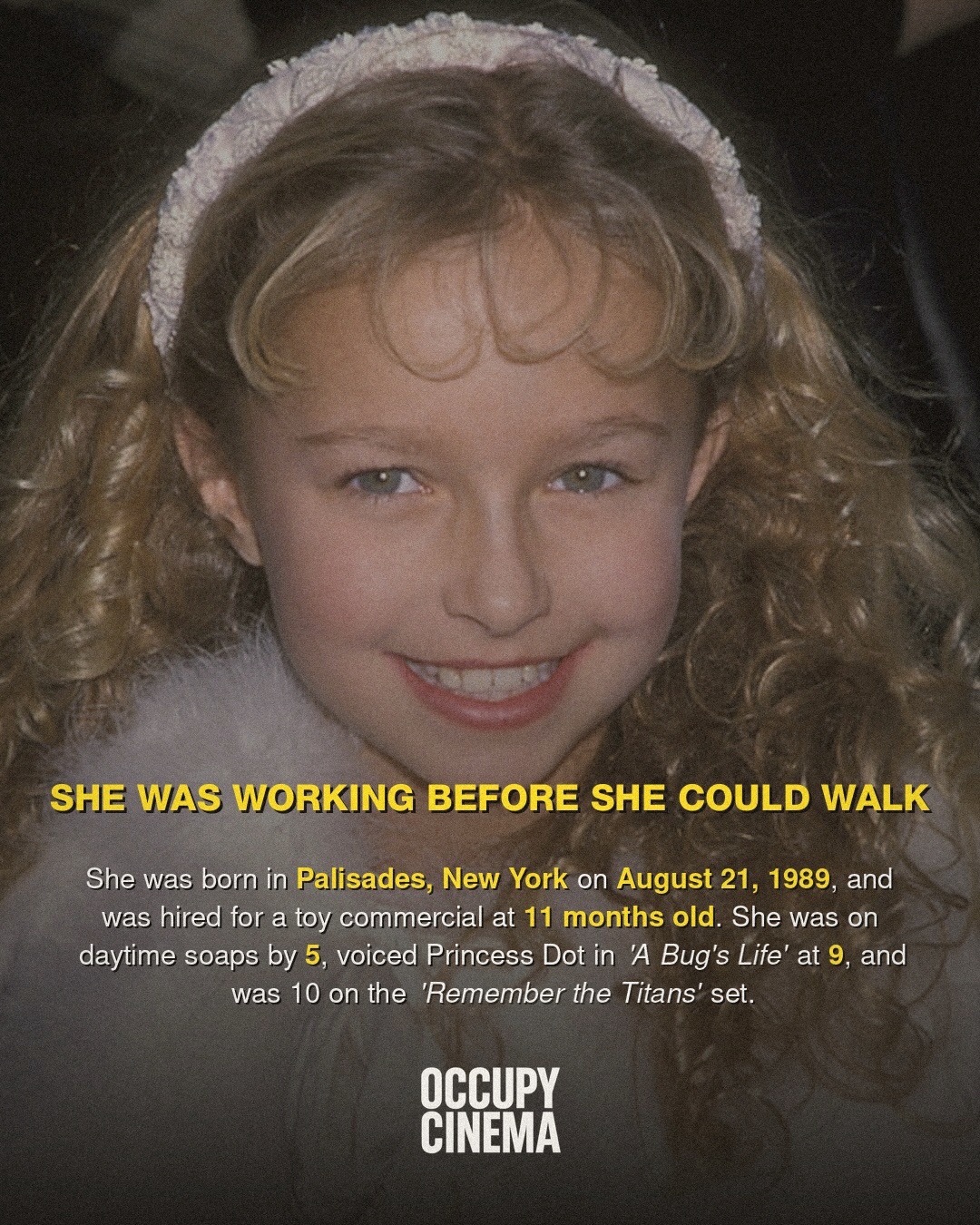
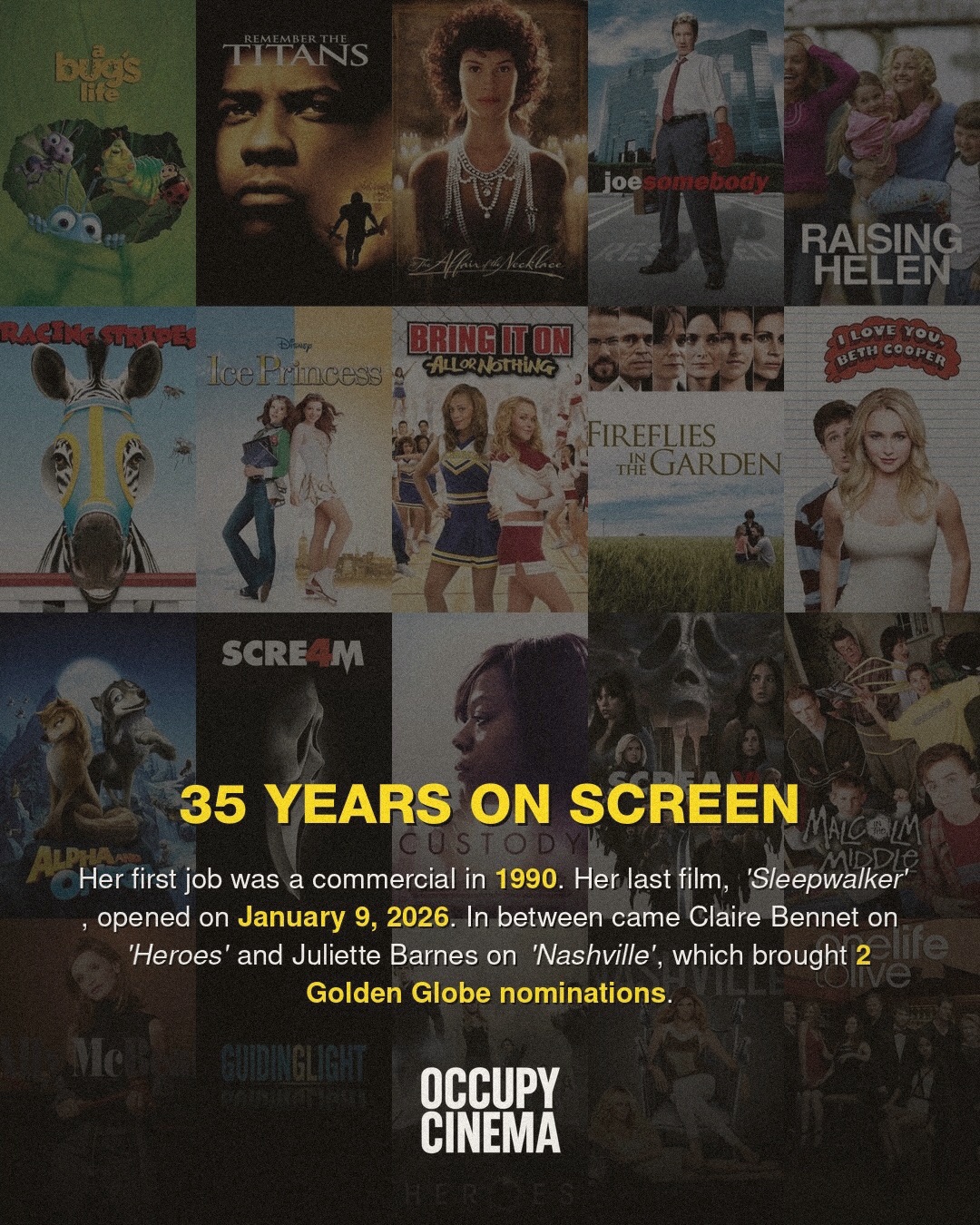
Survival in studio Hollywood across four consecutive decades demands more than early charisma. It requires the instinct to anchor distinct studio ecosystems, ranging from Disney sports dramas to legacy horror franchises. Hayden Panettiere, who began working professionally before her first birthday, recently reflected on the three productions that left the deepest creative mark on her career: Remember the Titans, Ice Princess, and Scream 4. Together, the trio outlines the mechanics of the studio system during the transition from the late-nineties theatrical boom into modern franchise exploitation.
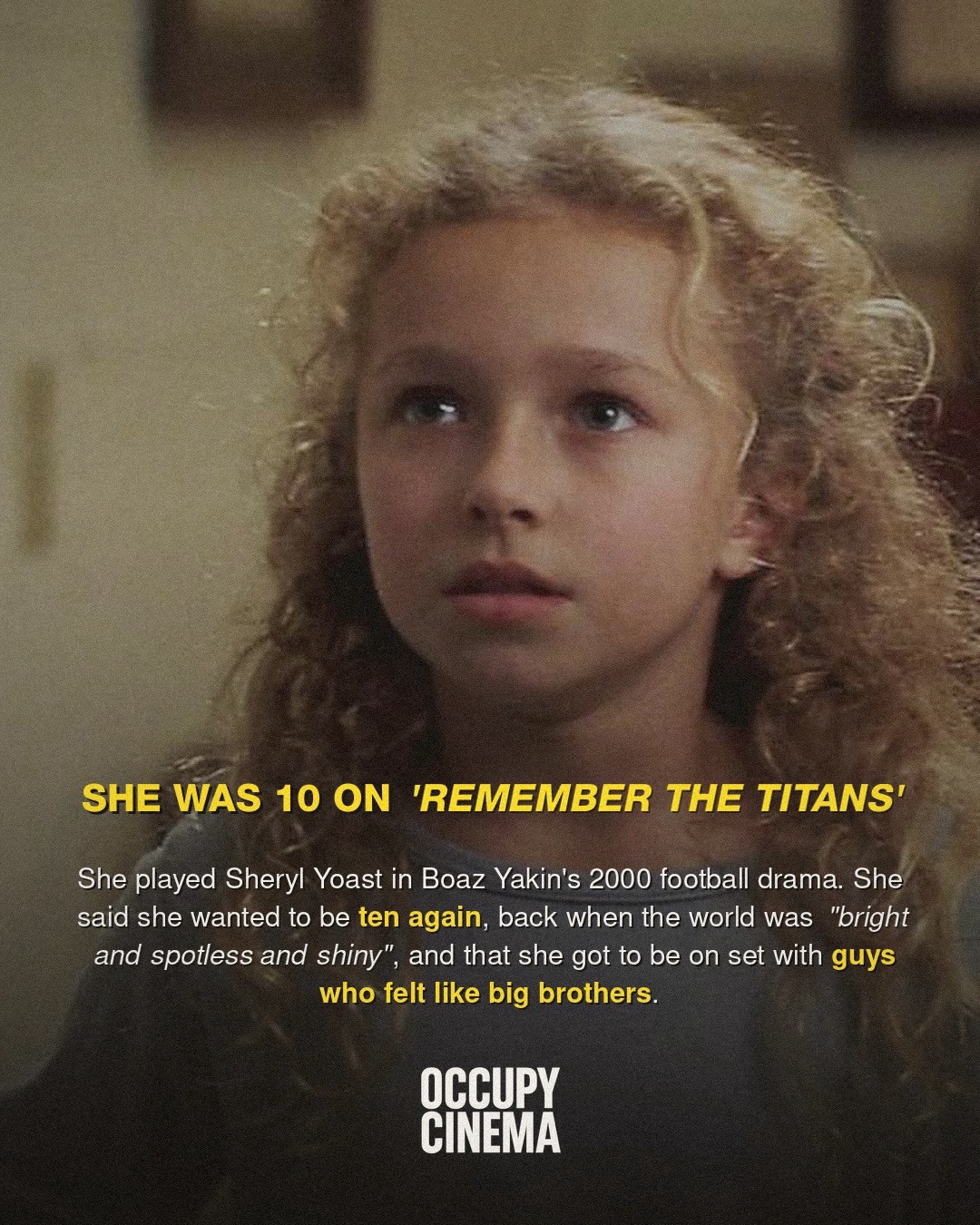
Her breakthrough in the 2000 Jerry Bruckheimer production Remember the Titans, directed by Boaz Yakin, arrived when she was just ten years old. Produced on a modest $30 million budget, the film grossed over $136 million worldwide, cemented by Denzel Washington's towering central performance. Playing Sheryl Yoast, the football-obsessed daughter of the defensive coach, Panettiere provided the emotional counterweight to the film's tense racial integration narrative. The production operated on classic studio discipline, shot on 35mm film by cinematographer Philippe Rousselot, giving a child actor direct exposure to elite, old-school technical filmmaking.
Mid-Budget Disney Craft and Physical Commitment
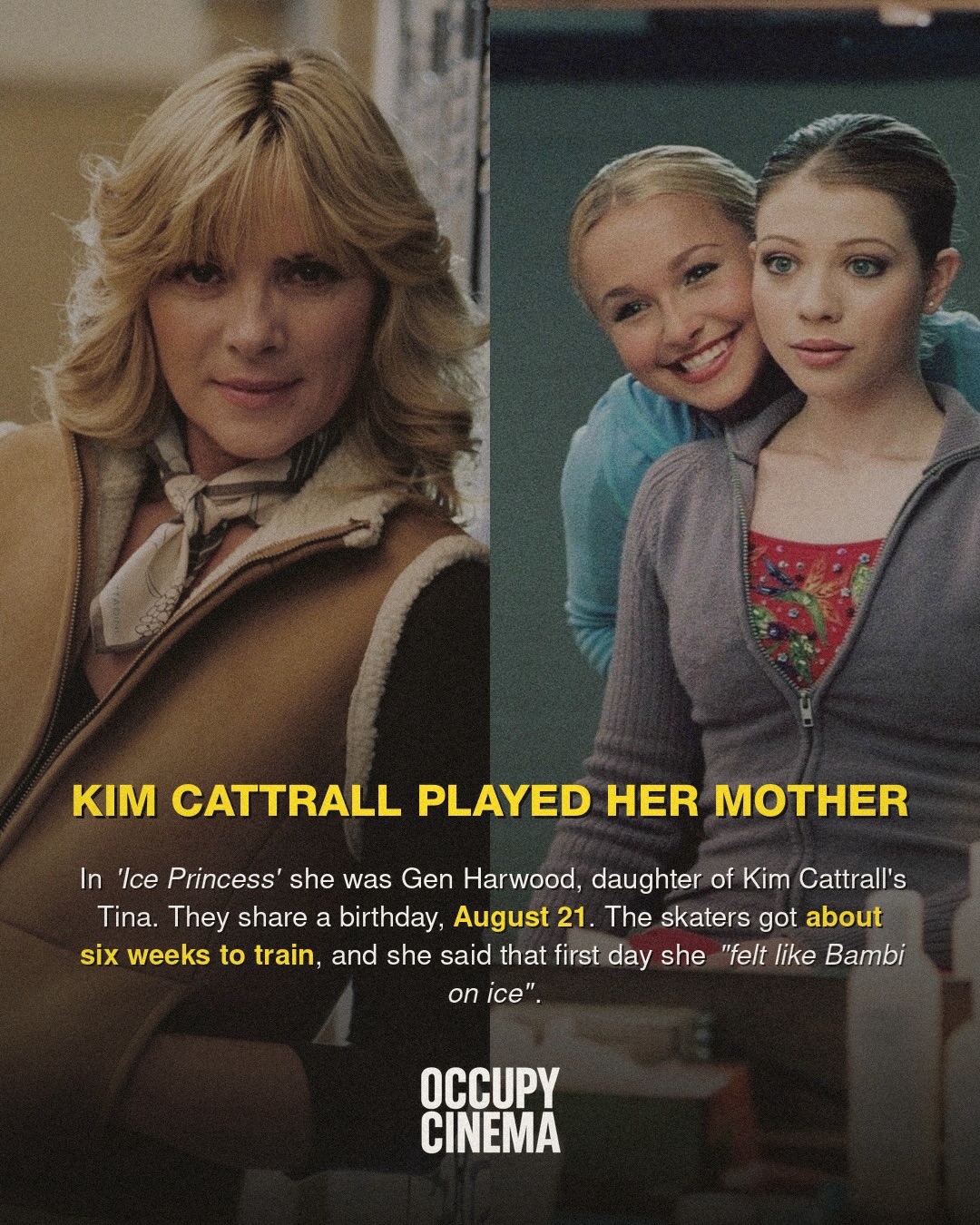
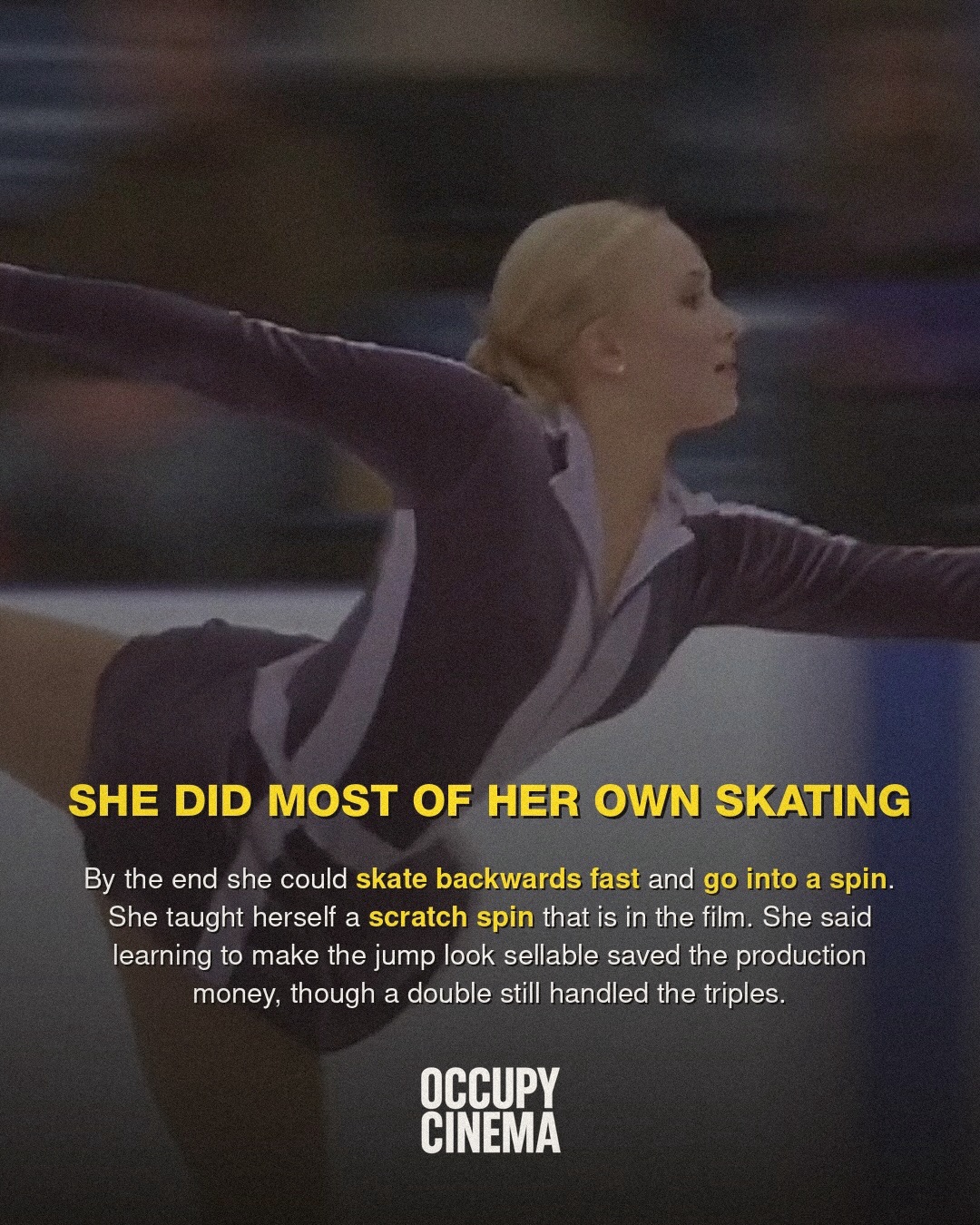
By the mid-2000s, the studio pipeline offered opportunities that have largely vanished from contemporary theatrical slates: the standalone mid-budget family sports drama. For the 2005 release Ice Princess, directed by Tim Fywell and distributed by Walt Disney Pictures, Panettiere stepped into the competitive figure skating arena alongside Joan Cusack and Kim Cattrall. The production required rapid physical conditioning. Panettiere underwent an intense six-week training regimen, eventually executing a self-taught scratch spin that made the final cut.
As reported by industry trade coverage at Variety, mid-budget projects of that era relied on genuine practical execution before the industry pivoted heavily toward digital doubles and virtual sets. The physical commitment required on ice, balanced against the interpersonal rhythm with seasoned co-stars like Cattrall, served as a masterclass in screen efficiency. The film retains a dedicated cult following precisely because of its tactile, pre-CGI sports cinematography and sincere melodrama.
The Genre Pivot and Working With Wes Craven
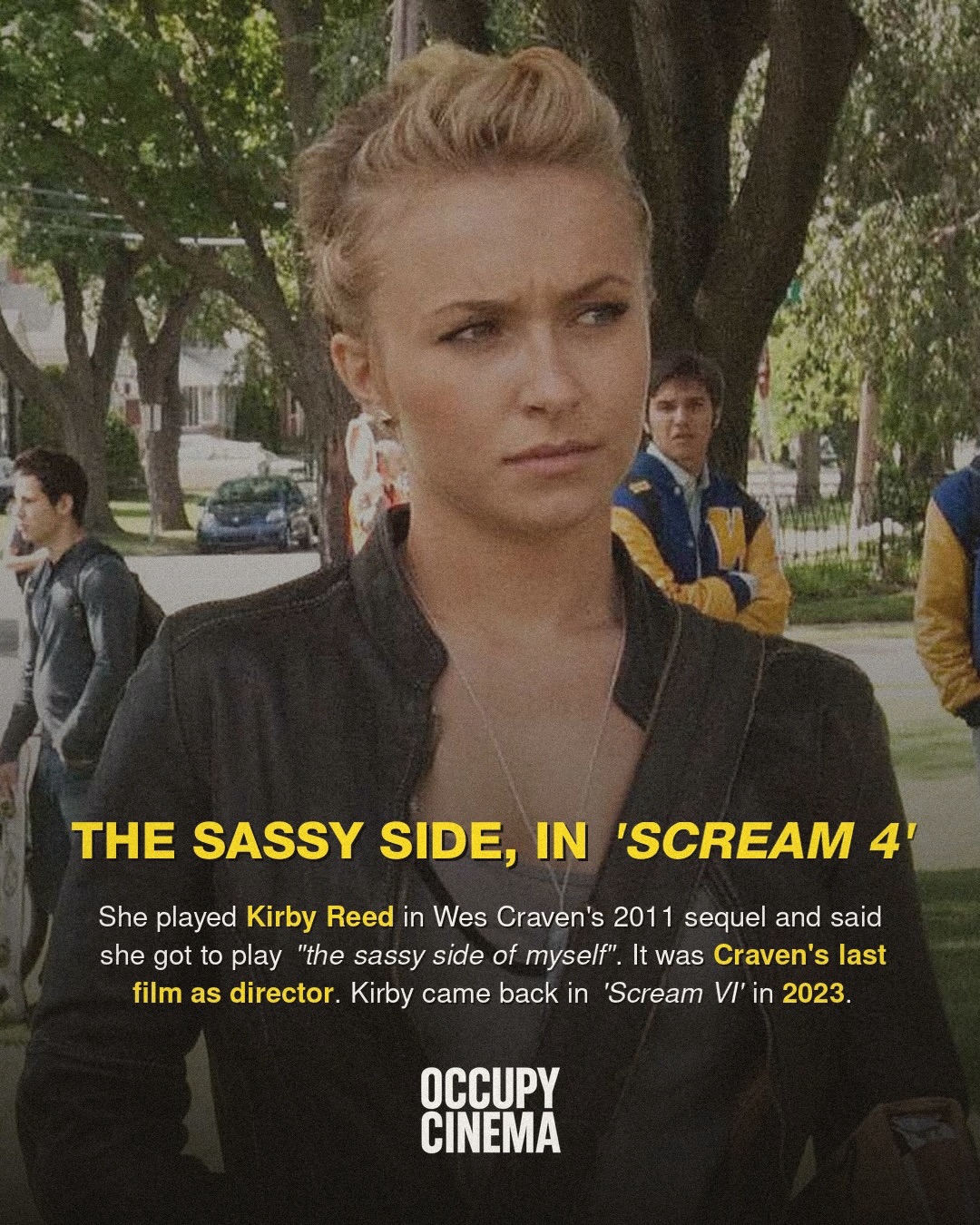
Panettiere's sharpest pivot arrived in 2011 with Scream 4, which marked the final directorial outing for horror master Wes Craven. Entering a franchise established by Dimension Films in 1996, Panettiere played Kirby Reed, an encyclopedic genre obsessive whose rapid-fire delivery inverted traditional slasher archetypes. Craven's set was known for precise blocking, disciplined camera movements, and razor-sharp comedic timing amidst violent staging.
Kirby Reed quickly became the breakout character of the fourth installment, earning critical acclaim and generating a long-standing fan campaign that eventually led to her official return in Scream VI over a decade later. According to retrospective analysis from The Hollywood Reporter, Craven's ability to extract nuanced, subverted horror performances gave Panettiere the platform to demonstrate her adult range in high-stakes genre filmmaking.
Looking back at these career touchstones reveals how rare sustainable child stardom remains. The industry often discards early talent once adolescent appeal fades. Panettiere managed the shift by treating commercial studio sets as rigorous apprenticeships under veteran directors. Whether commanding sidelines in football stadiums, learning edge work on ice rinks, or dissecting horror rules opposite Ghostface, her best work reflects the enduring value of practical, character-first studio filmmaking.
Related reading: Reflections: Twenty-One Cinematographers at Work.