Occupy Cinema › Casting
Warner Bros. Discovery Bets the House on Television’s Wizarding Rebrand
With a holiday premiere locked and the adult cast revealed, HBO’s Harry Potter series tests whether prestige television can reignite cinema’s most lucrative IP.
By Occupy Cinema ·
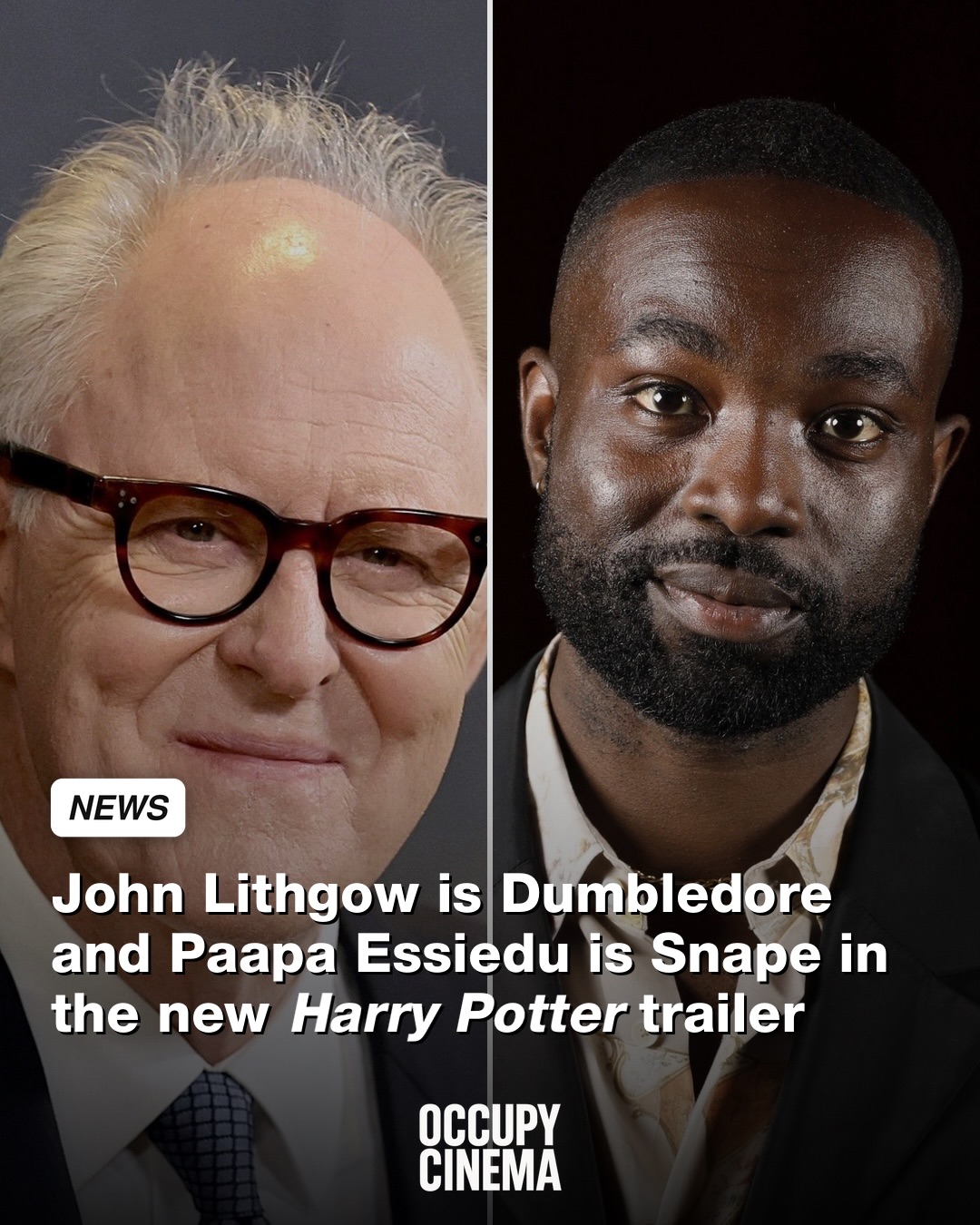
Warner Bros. Discovery is done tiptoeing around its crown jewel. Following a brief visual tease over the annual Back to Hogwarts promotional window, HBO pulled the curtain back further with a full trailer for its television adaptation of Harry Potter. The footage marks the first time audiences have heard dialogue from the newly assembled adult faculty, confirming that the network intends to treat the material not as a nostalgic novelty, but as a heavyweight prestige anchor designed to insulate subscriber churn through the winter quarter.
Casting Prestige and Rebuilding the Staff Room
The stakes attached to this project are difficult to overstate. The original eight-film cinematic franchise accumulated $7.7 billion in global ticket sales, establishing an unassailable financial standard that the studio spent a decade trying, and ultimately failing, to replicate through the Fantastic Beasts prequel cycle. That trilogy hit a wall with 2022’s The Secrets of Dumbledore, which stalled at $407 million globally on a production spend north of $200 million. By pivoting the Wizarding World into serialized premium cable under the oversight of executive producers Francesca Gardiner and director Mark Mylod, Warner Bros. Discovery is directly challenging the cultural memory of a generation that grew up with the theatrical canon.
The choice to front-load veteran talent in the promotional rollout is a deliberate gambit. John Lithgow steps into the robes of Albus Dumbledore, while Paapa Essiedu assumes Severus Snape; Janet McTeer and Nick Frost round out the Hogwarts senior staff as Minerva McGonagall and Rubeus Hagrid. Historically, the franchise has functioned as an employment registry for the upper tier of British and international character actors. By showcasing these specific voices immediately, HBO is signaling to older subscribers that the tone will lean closer to prestige drawing-room friction than juvenile fantasy escapism. The core trio of students (Dominic McLaughlin as Harry, Arabella Stanton as Hermione, and Alastair Stout as Ron) face an entirely different gauntlet, inheriting roles that defined child stardom in the early 2000s under director Chris Columbus.
The Long-Form Expansion of Book One
Structuring the first season across eight episodes to cover Harry Potter and the Philosopher’s Stone grants the production room to breathe, a luxury Columbus did not possess when condensing the introductory novel into a 152-minute feature in 2001. As reported by trade observers at The Hollywood Reporter, the expanded episodic architecture allows for granular narrative detours into the mechanics of British wizarding society, classroom dynamics, and house politics that the theatrical series had to sacrifice in favor of cinematic momentum. That deliberate pacing comes at a massive per-episode cost, with industry estimates putting the visual effects and soundstage work at Warner Bros. Studios Leavesden on par with the top tier of modern genre television.
The production scale demands an immediate return on engagement. According to streaming data tracked across Variety, high-concept adaptations of existing intellectual properties live or die by their pilot execution and retention curve across weeks two through four. With the premiere date slated for December 25 on HBO and HBO Max, the network is aiming directly at the most lucrative family-viewing calendar window of the year. It is the same counter-programming tactic premium cable utilized during the golden era of Sunday night drama, repurposed here for global multi-platform dominance.
Ultimately, this television reboot serves as an industry litmus test for the limits of brand recycling. Audiences do not lack access to the original films; they remain permanent fixtures on domestic cable syndication and streaming homepages worldwide. For Warner Bros. Discovery, the second trailer proves that the craftsmanship and theatrical lineage remain intact. Whether modern television consumers actually demand a multi-year, page-by-page reinterpretation of a story they already know by heart remains the multi-billion-dollar question.
Related reading: Canon EOS R5 C.