Occupy Cinema › FEATURED
HBO's Harry Potter Reboot: A Battle for Brand and Billions
The highly anticipated HBO series adaptation of J.K. Rowling's Harry Potter saga faces immediate scrutiny, with production details emerging amidst significant industry headwinds.
By Occupy Cinema ·
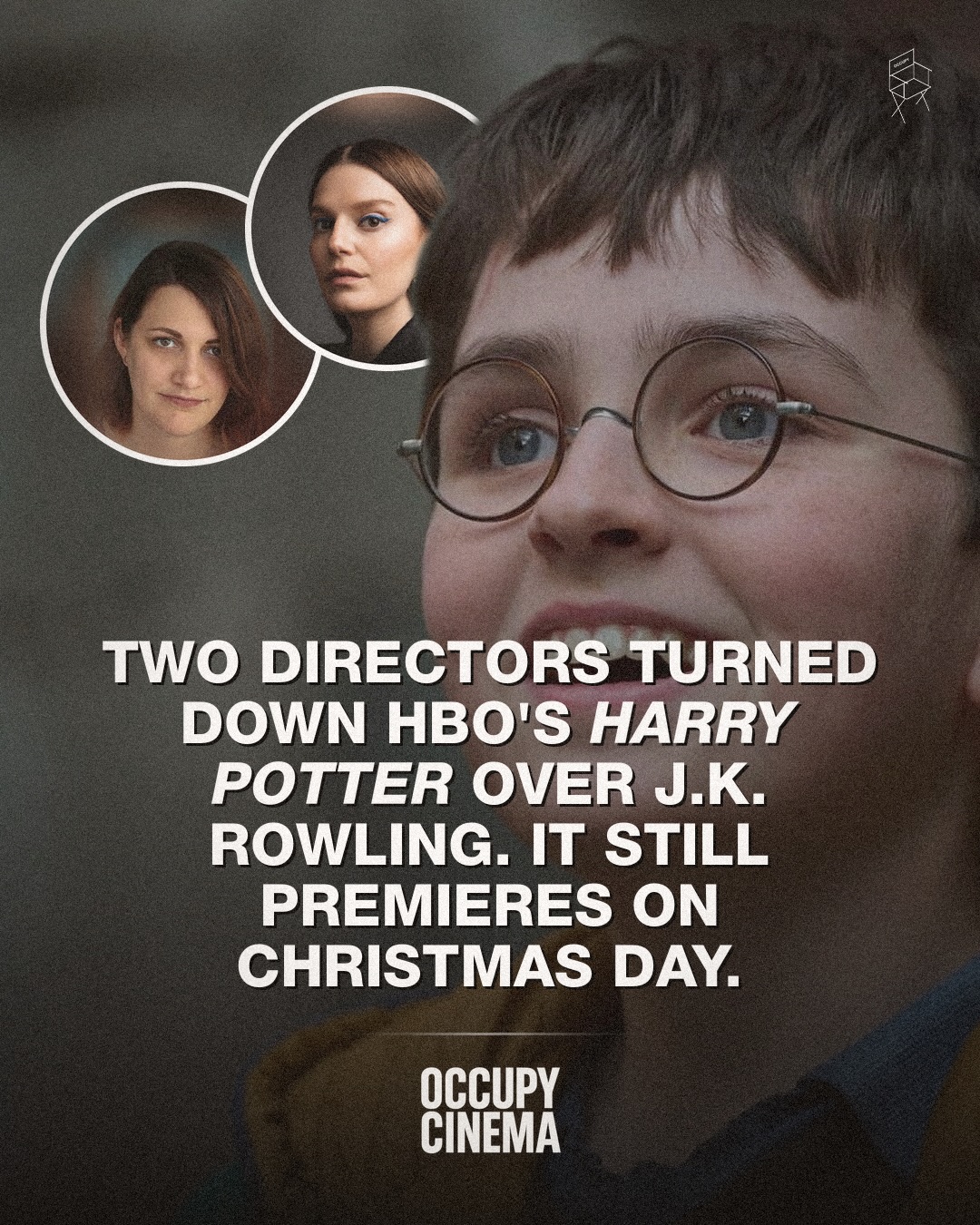
The Reboot's Rocky Road to Production
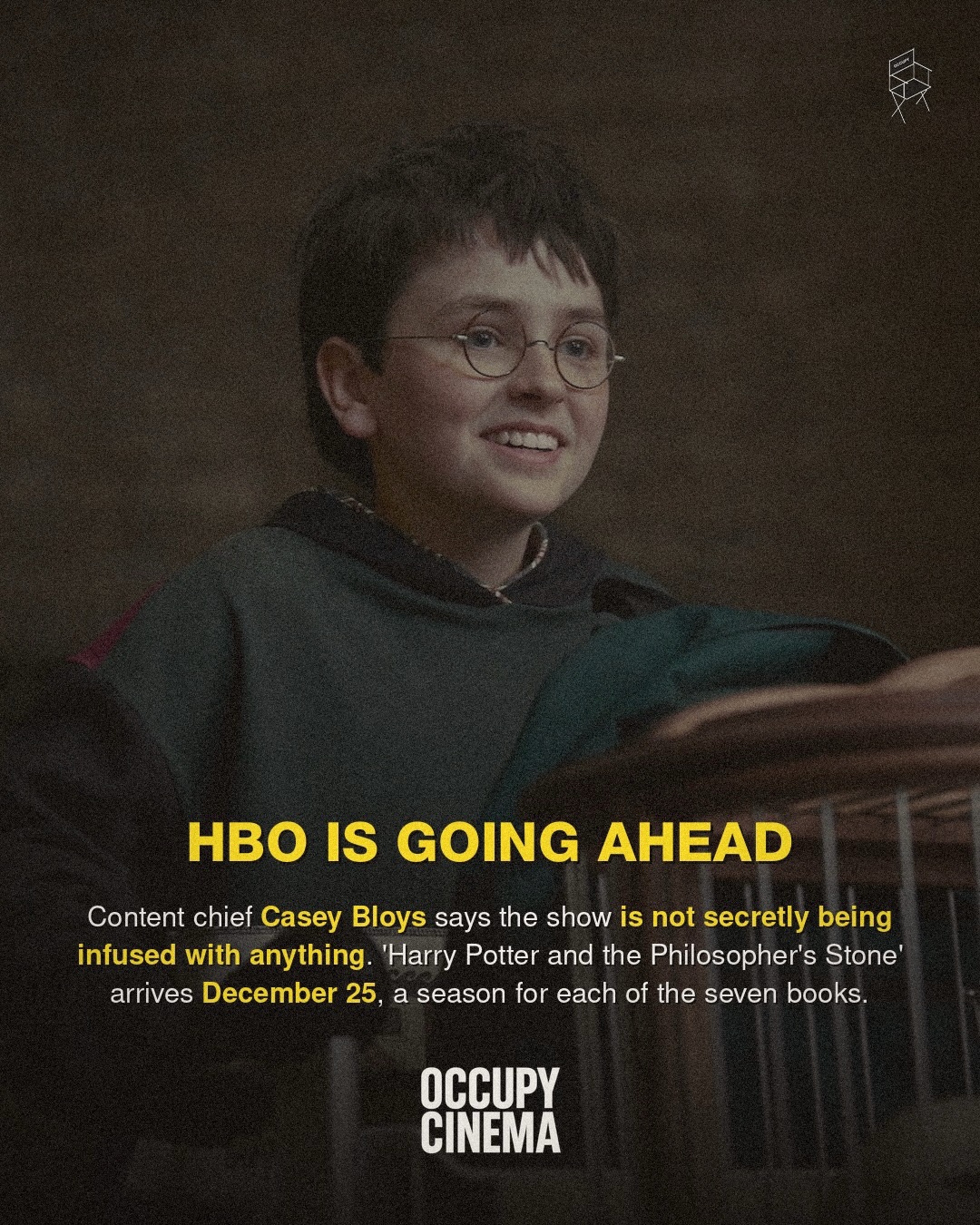
HBO’s ambitious live-action series adaptation of the Harry Potter books is officially in motion. The project, greenlit for a multi-season run, aims to dedicate an entire season to each of J.K. Rowling's seven novels, promising an unprecedented depth of storytelling for the beloved franchise. The premiere date is set for December 25, a strategic holiday slot for a tentpole release. Francesca Gardiner is set as writer and showrunner, a critical role in shaping the saga for a new generation. Mark Mylod, known for his work on prestige television, is tapped to direct, while Hans Zimmer, a titan of film scoring, will compose. The casting also begins to take shape, with Dominic McLaughlin cast as Harry Potter and veteran actor John Lithgow as Albus Dumbledore.
This massive undertaking by Warner Bros. Discovery is a clear play to rejuvenate one of its most valuable intellectual properties. The original film series, which grossed over $7.7 billion worldwide, remains a gold standard for cinematic adaptations. A new series offers the chance to capture a streaming audience and deepen engagement with the Wizarding World brand, which already boasts theme parks, stage plays, and extensive merchandising. The reported budget for such an ambitious project is expected to be astronomical, positioning it as a cornerstone of HBO’s content strategy. Securing top-tier talent like Mylod and Zimmer underscores the network's commitment to a high-quality production.
Navigating Controversy and Craft
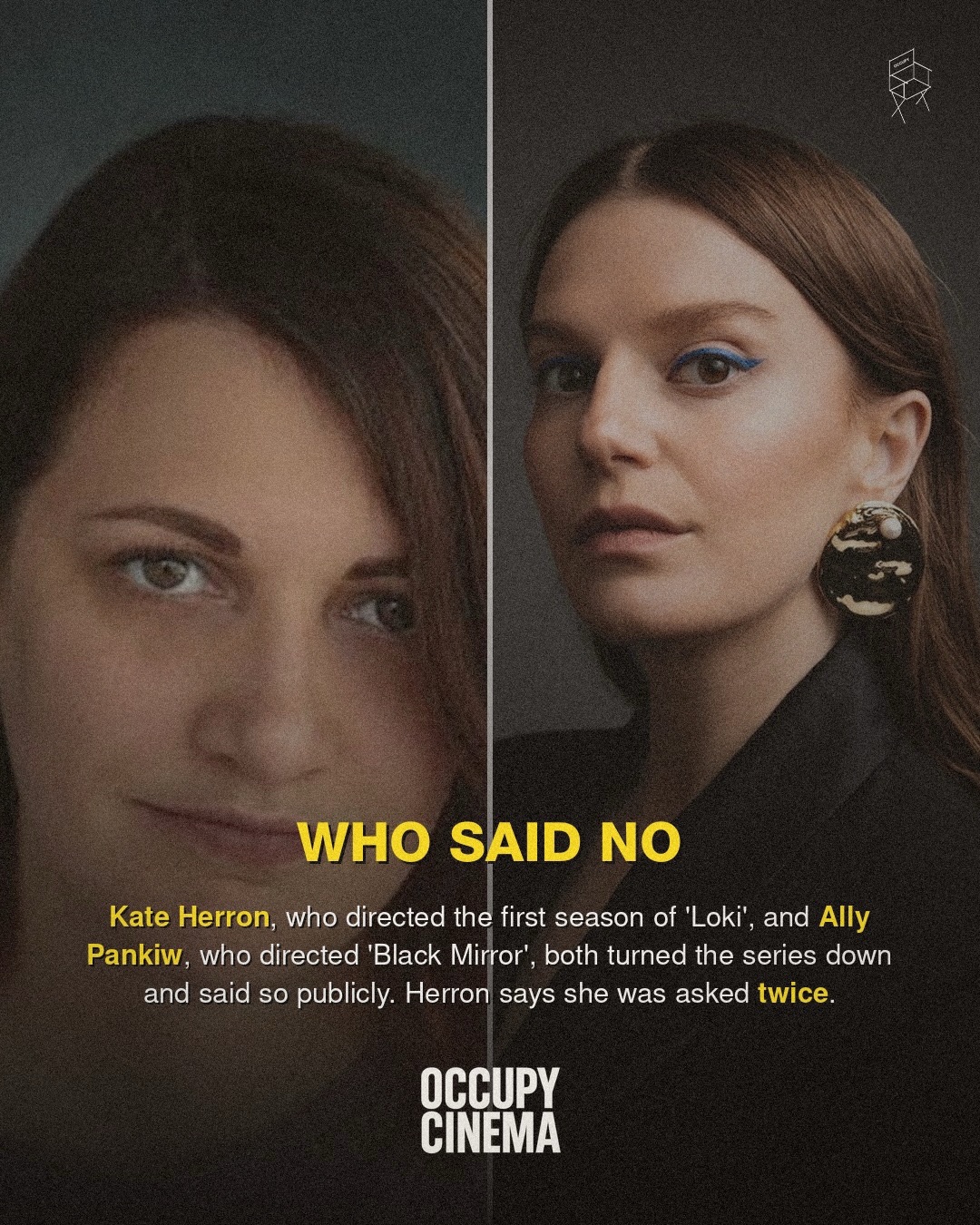
However, the project is not without its controversies. Reports indicate that at least two notable directors, Kate Herron and Ally Pankiw, declined involvement due to the ongoing public discourse surrounding author J.K. Rowling. Rowling serves as an executive producer on the series, a standard arrangement for creators of such foundational material. This has created a visible fissure within the creative community, forcing HBO and its leadership to publicly address the situation. Casey Bloys, Chairman and CEO of HBO & Max Content, has stated that Rowling's personal politics will not influence the show's narrative or production, a necessary distinction as the series moves forward. This pre-emptive messaging aims to insulate the creative product from external debates, allowing the focus to remain on the story.
The craft choices for the series are also under intense scrutiny. Francesca Gardiner's appointment as showrunner is a significant vote of confidence, given the serialized nature of the books. Her role will be crucial in maintaining narrative cohesion across potentially a decade of television. Mark Mylod’s directorial style, often characterized by intricate blocking and a keen eye for character dynamics, suggests a more nuanced approach than a simple blockbuster aesthetic. Hans Zimmer’s involvement, a surprise to some given his extensive film background, indicates a desire for a distinctive and expansive score that can define an entire magical world across multiple seasons. The casting of McLaughlin and Lithgow provides an interesting blend of emerging talent and established gravitas, setting a tone for the ensemble.
The decision to use the British title, Harry Potter and the Philosopher’s Stone, for the first season signals an intent to honor the source material's origins. This choice, while seemingly minor, resonates with a global fanbase often sensitive to such details. It also distinguishes the series from the Americanized branding of the original films. This meticulous attention to detail, from title to talent, reflects the immense pressure on Warner Bros. Discovery to deliver a series that satisfies both long-time fans and new audiences, all while navigating a complex cultural landscape. The series represents a colossal financial and reputational investment for the studio, demanding a delicate balance of creative ambition and commercial pragmatism. Variety has been closely tracking the development of this series, highlighting the industry's keen interest in its trajectory.
The challenge for the creative team will be to forge a distinct identity for this new adaptation. The original films, while largely beloved, condensed much of the literary detail. A season-per-book structure allows for greater fidelity and exploration of subplots, character arcs, and world-building that the films necessarily truncated. This expansive canvas could be the series' greatest asset, allowing for a deeper dive into the magical education system, the complexities of wizarding politics, and the emotional growth of its young protagonists. The success or failure of this approach will set a new benchmark for adapting expansive literary works for the streaming era. The Hollywood Reporter has consistently covered the evolving landscape of intellectual property adaptation, underscoring the stakes involved.
Ultimately, the HBO Harry Potter series is more than just another reboot. It is a critical test of how a major studio can leverage its most valuable assets in a fractured media environment, particularly when those assets come with significant baggage. The financial outlay, the caliber of talent, and the pre-existing controversies combine to create a high-stakes gamble. Its performance will not only impact the future of the Wizarding World franchise but also influence how other legacy properties are approached for adaptation in the years to come. Deadline has often reported on the broader implications of such high-profile streaming investments.
Related reading: Respect for Acting.