Occupy Cinema › FEATURED
Clooney's Venice Blast: Media Ownership, AI, and the Fight for Truth
George Clooney used his Venice Film Festival platform to deliver a sharp critique of media consolidation and the rising threat of artificial intelligence to journalism. His remarks underscore a growing concern within the entertainment and news industries.
By Occupy Cinema ·
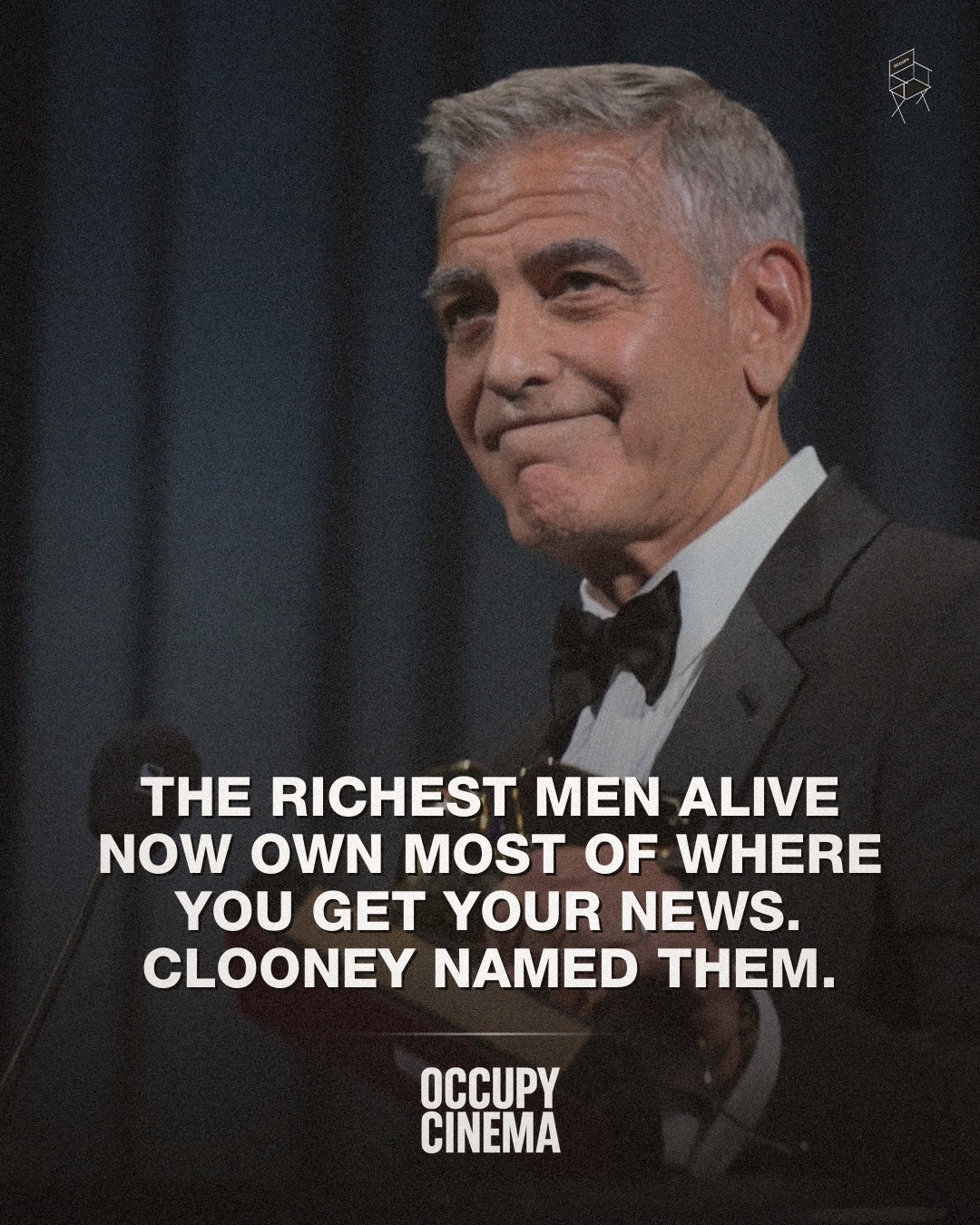
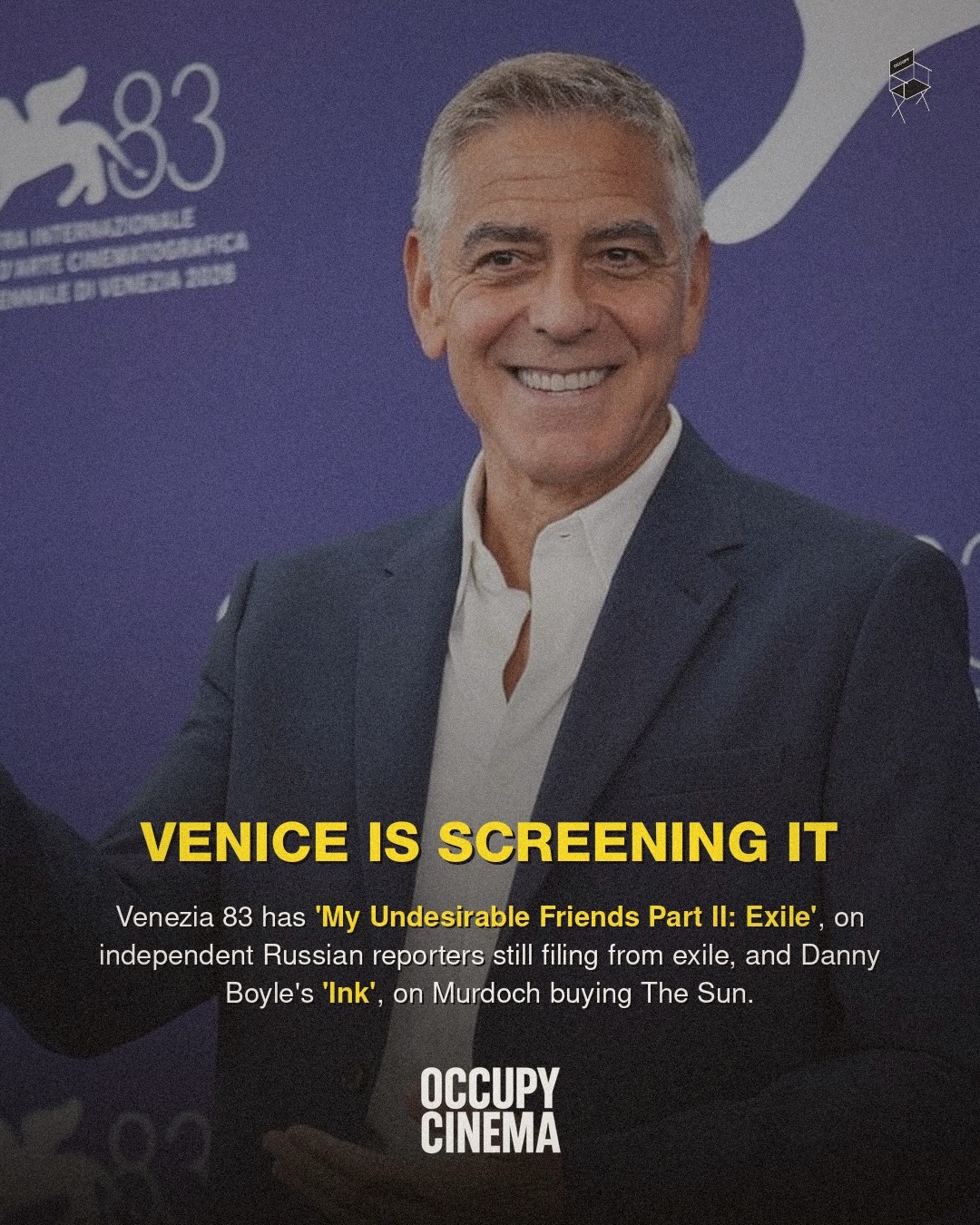
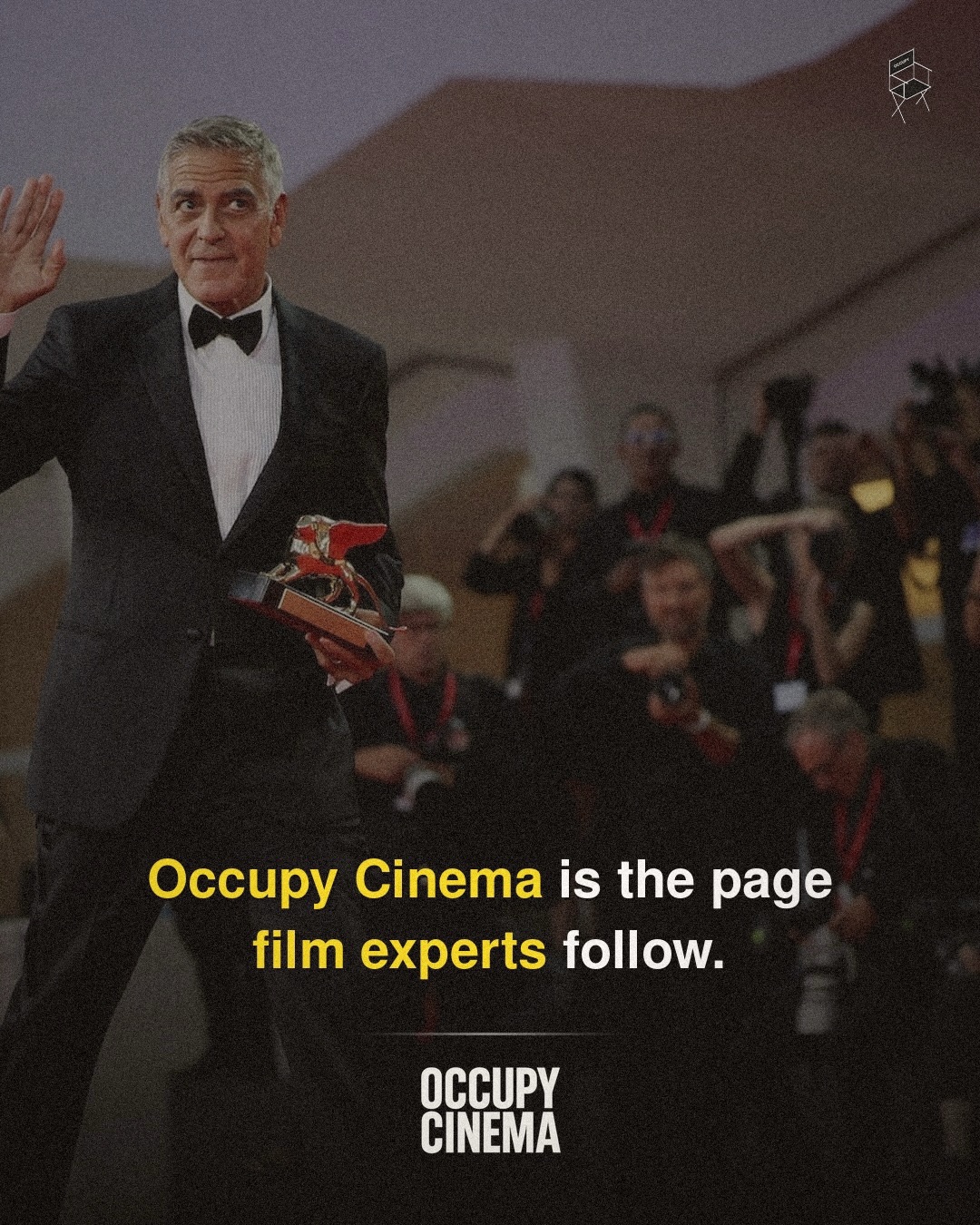
George Clooney, a fixture on both the silver screen and the global advocacy stage, leveraged his moment at the Venice Film Festival to deliver a potent message regarding the state of media. Receiving the Humanitarian Award, Clooney pivoted from an expected acceptance speech to a trenchant analysis of modern information control. His focus was clear: the concentration of media ownership in the hands of a few billionaires and the looming crisis of artificial intelligence blurring the lines of reality. This is not just an actor's opinion, but a stark reflection of anxieties permeating both Hollywood and newsrooms worldwide.
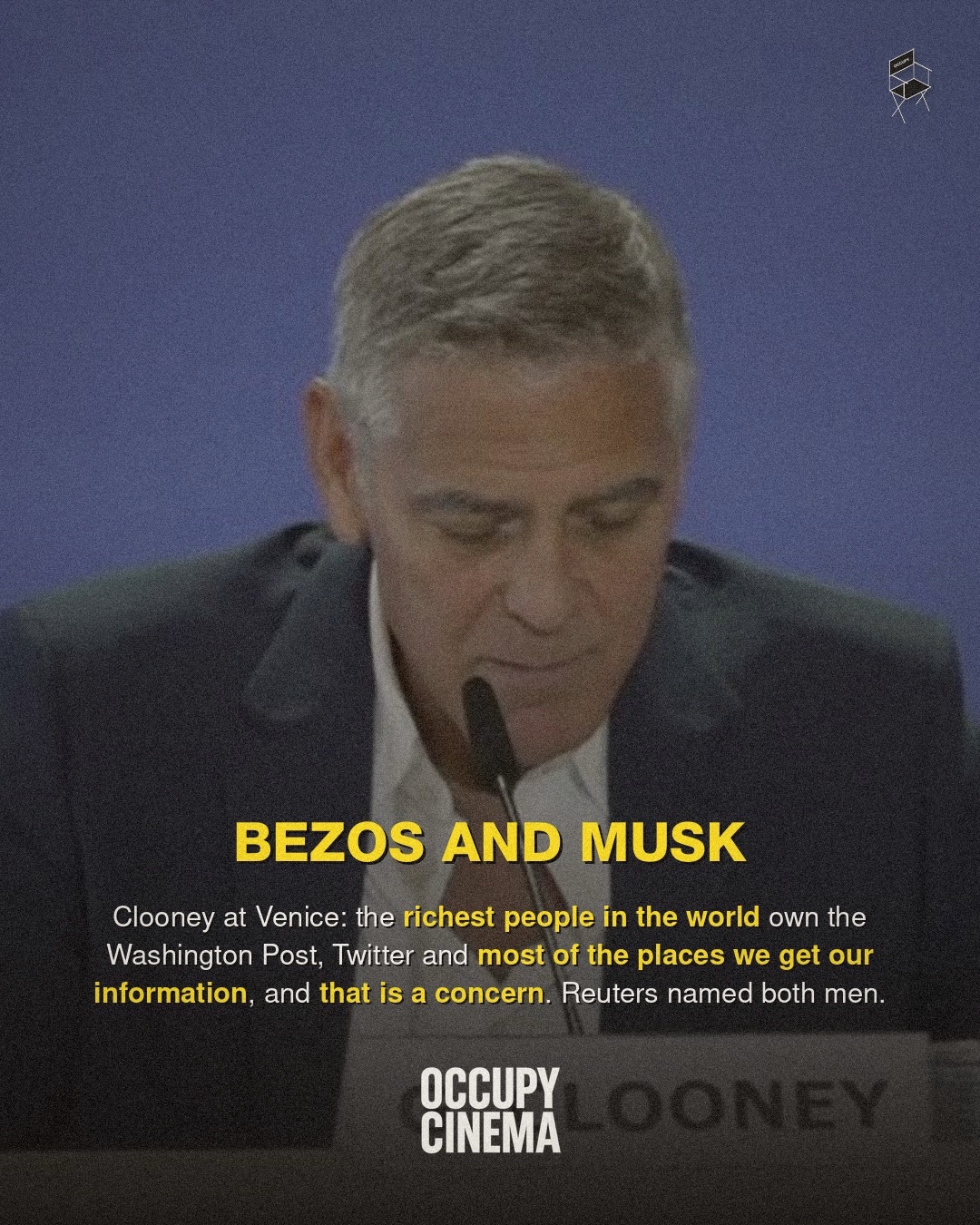
The actor-director named names, or at least implied them. He noted that the world's wealthiest now control pivotal news outlets like The Washington Post and social media platforms, specifically mentioning Twitter. These references, widely interpreted as pointing to Jeff Bezos and Elon Musk, highlight a seismic shift in how information is disseminated and controlled. Media consolidation is not new, but the scale and tech-driven nature of current ownership models raise unprecedented questions about editorial independence and public discourse. This concern is particularly acute as traditional media models struggle against digital disruption and diminishing revenues, making them ripe for acquisition by deep-pocketed investors who may or may not prioritize journalistic integrity above all else.
The Algorithm's Shadow and Authoritarian Threats
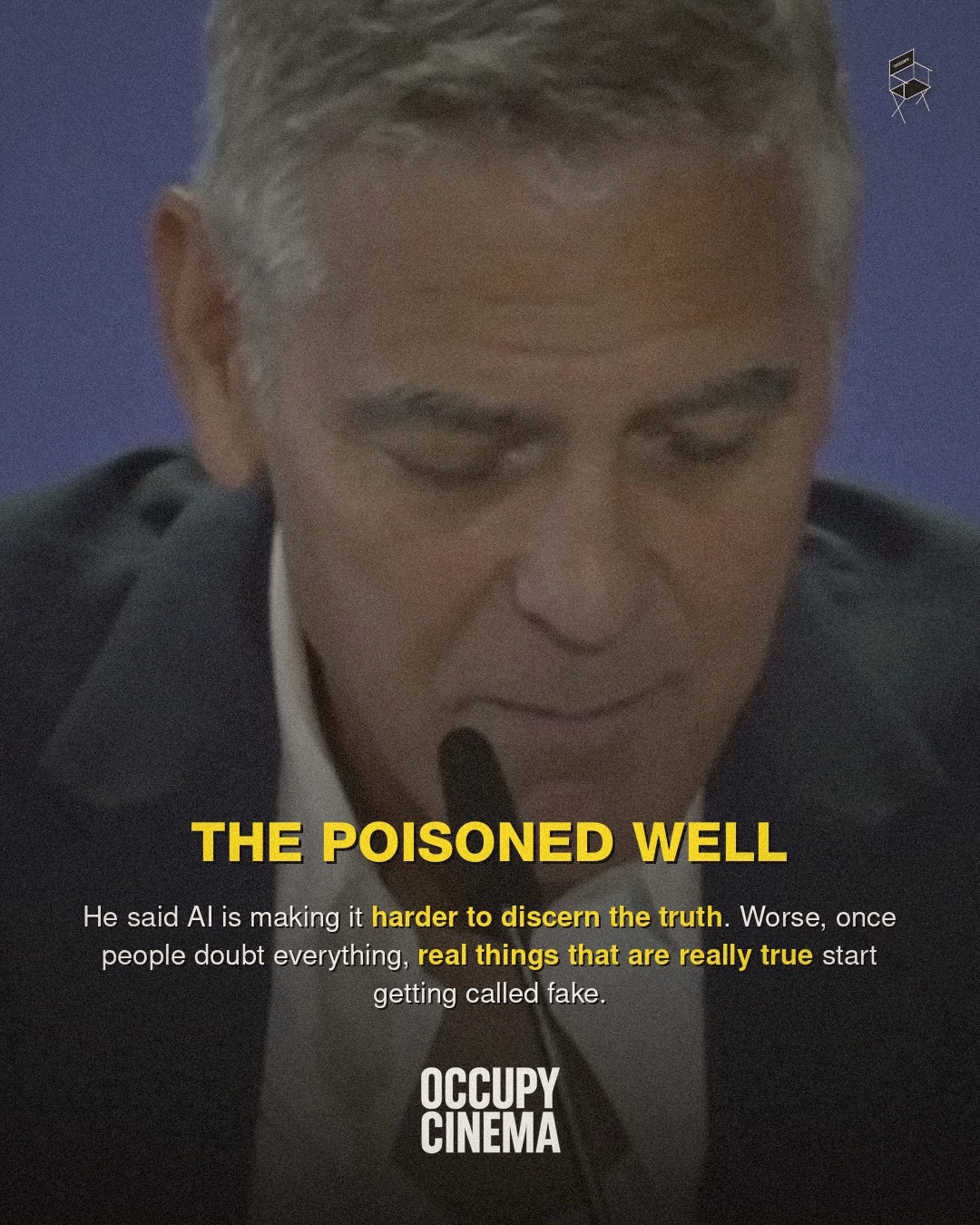
Clooney's address went further, tackling the rapidly advancing frontier of artificial intelligence. He warned that AI is making it increasingly difficult to distinguish truth from fiction, a challenge that threatens the very foundation of informed citizenship. Deepfakes, AI-generated news articles, and sophisticated disinformation campaigns are no longer theoretical threats but present-day realities. For filmmakers and journalists alike, the ability to discern and present verifiable facts is paramount. The erosion of this ability risks a post-truth landscape where narratives can be manufactured and manipulated at will, with profound implications for democracy and societal cohesion.
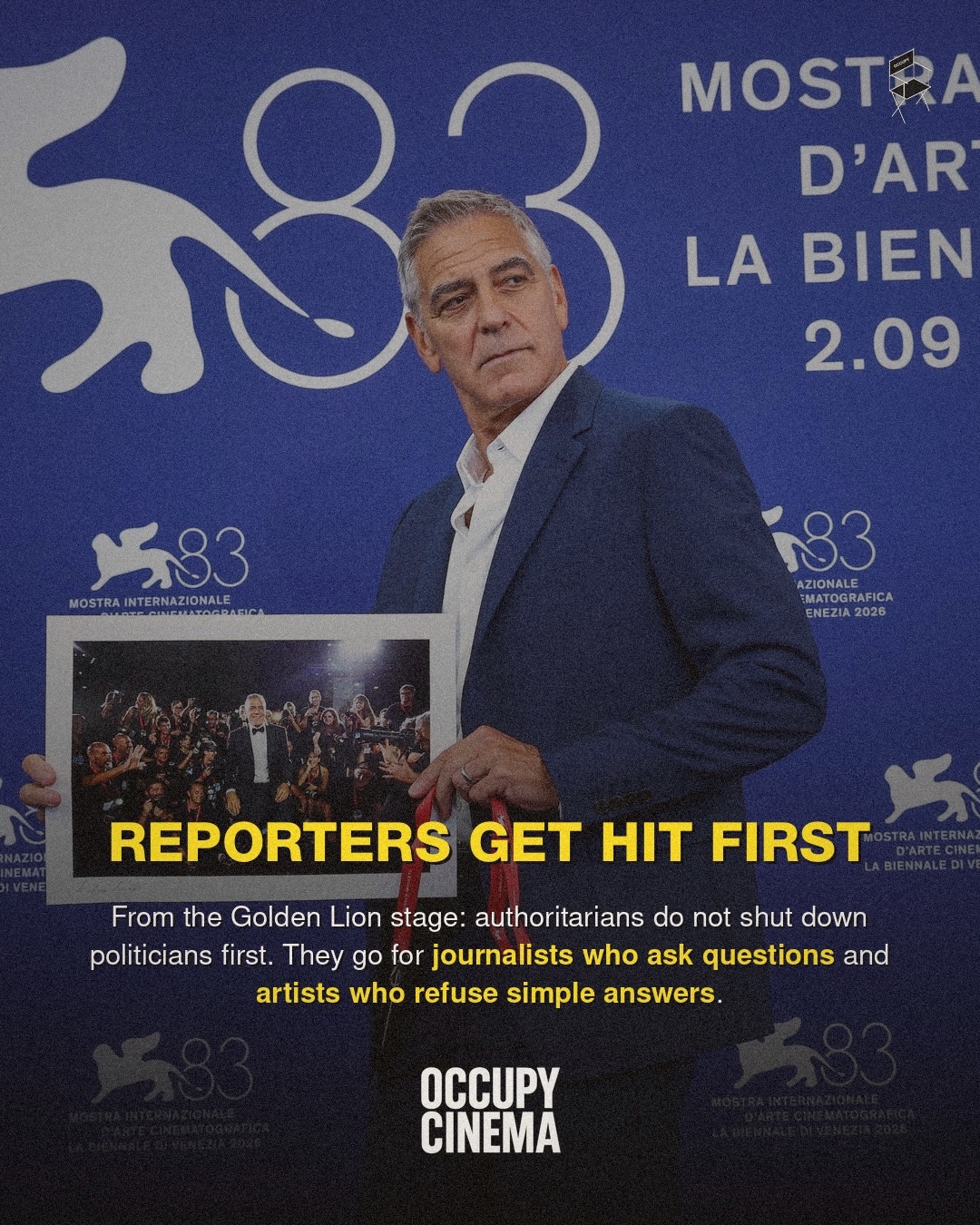
The director, known for politically charged films like Good Night, and Good Luck, drew a direct line from media control to authoritarianism. He asserted that authoritarians consistently shut down journalists before they move on to politicians. This observation resonates with historical precedents and ongoing global events. Independent journalism often serves as the first line of defense against state overreach, holding power accountable and exposing corruption. When this line is compromised, either through direct suppression or through the subtle influence of ownership, the path is cleared for unchecked power. Clooney's remarks were made within the context of the festival screening 'My Undesirable Friends Part II: Exile', a powerful documentary focusing on independent Russian reporters continuing their work from exile, a poignant testament to the very struggles he articulated.
Hollywood's Stake in a Free Press
Clooney's platform at Venice was significant. The festival is not merely a showcase for cinema; it is a global cultural stage where art and politics frequently intersect. For a figure of his stature to use such an occasion to champion press freedom underscores the deep interconnection between the arts and robust democratic institutions. Hollywood, often criticized for its insularity, has a vested interest in a functioning media landscape. Investigative journalism frequently unearths the stories that inspire powerful narratives, and a free press is essential for the critical discourse surrounding film and culture. Without independent reporting, the creative industries risk operating in an echo chamber, disconnected from the very realities they often seek to portray.
The entertainment industry itself is not immune to the forces Clooney described. Streaming giants and media conglomerates increasingly dominate content production and distribution, raising questions about creative control and narrative diversity. While different from news media, the concentration of power in any information-delivery sector warrants scrutiny. Clooney's intervention serves as a reminder that the fight for independent voices and verifiable information is a universal one, extending beyond traditional newsrooms to every corner of the cultural landscape. His remarks were a call to vigilance, urging attention to the gatekeepers of information and the technological forces reshaping our understanding of the world.
Related reading: S.F.W. 1994 Film.