Occupy Cinema › Business
Bouncy Brothers: A Micro-Budget Bet on the American Dream
Nicholas J. Santore's 'Bouncy Brothers' captures a deeply American struggle: the pivot from corporate stability to entrepreneurial chaos, played out amidst inflatable castles in rural Florida.
By Occupy Cinema ·
The Unlikely Bet on Inflatables
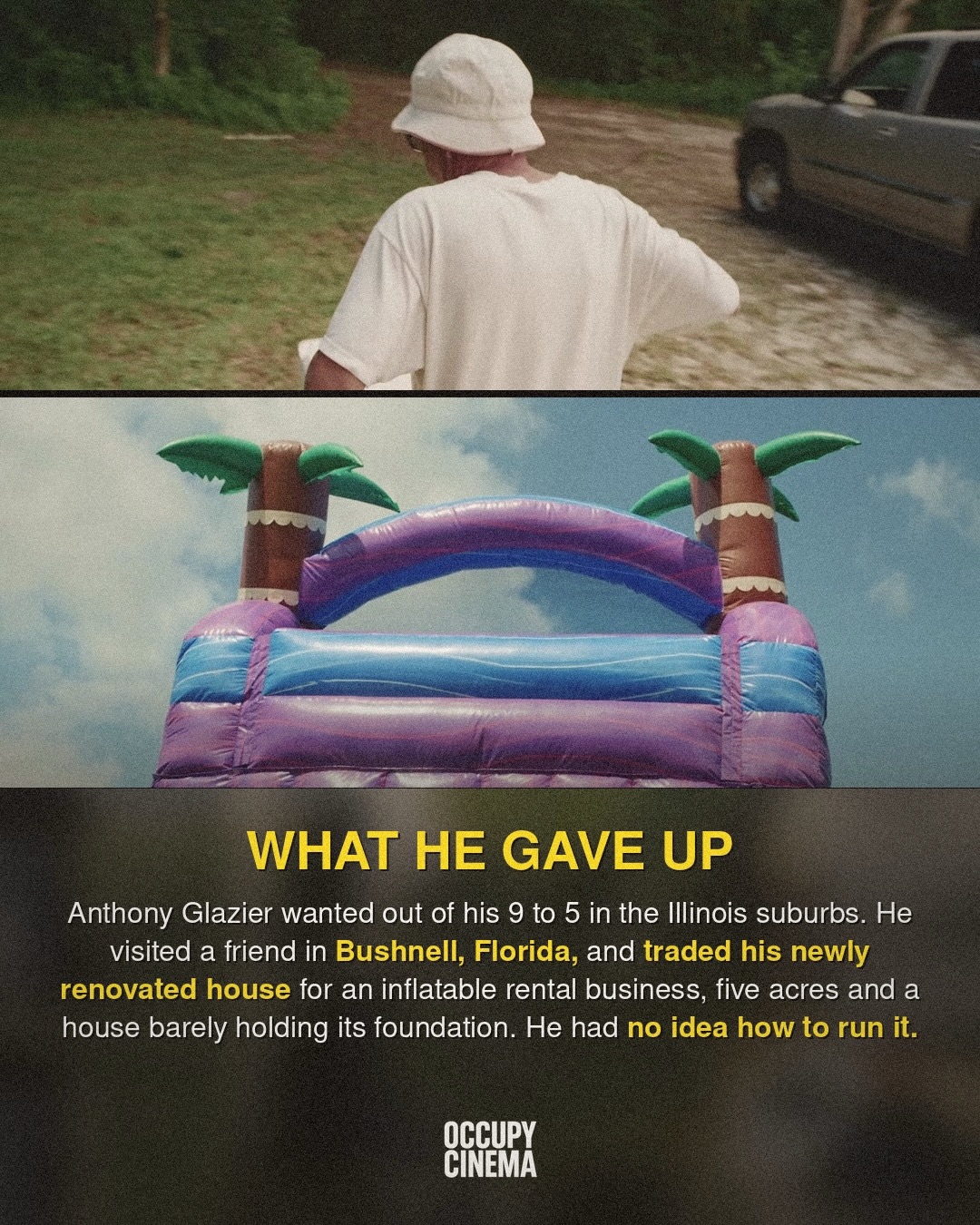
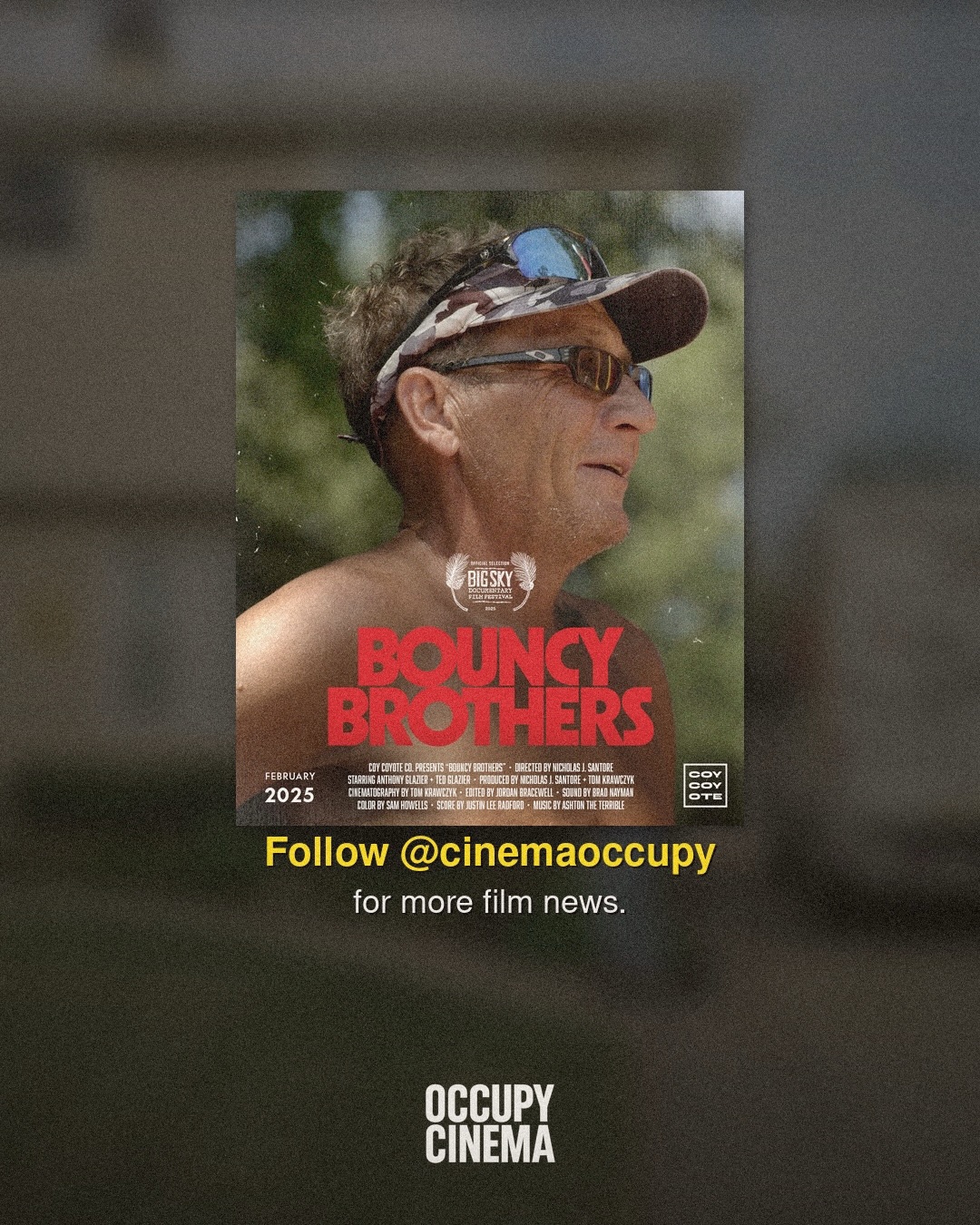
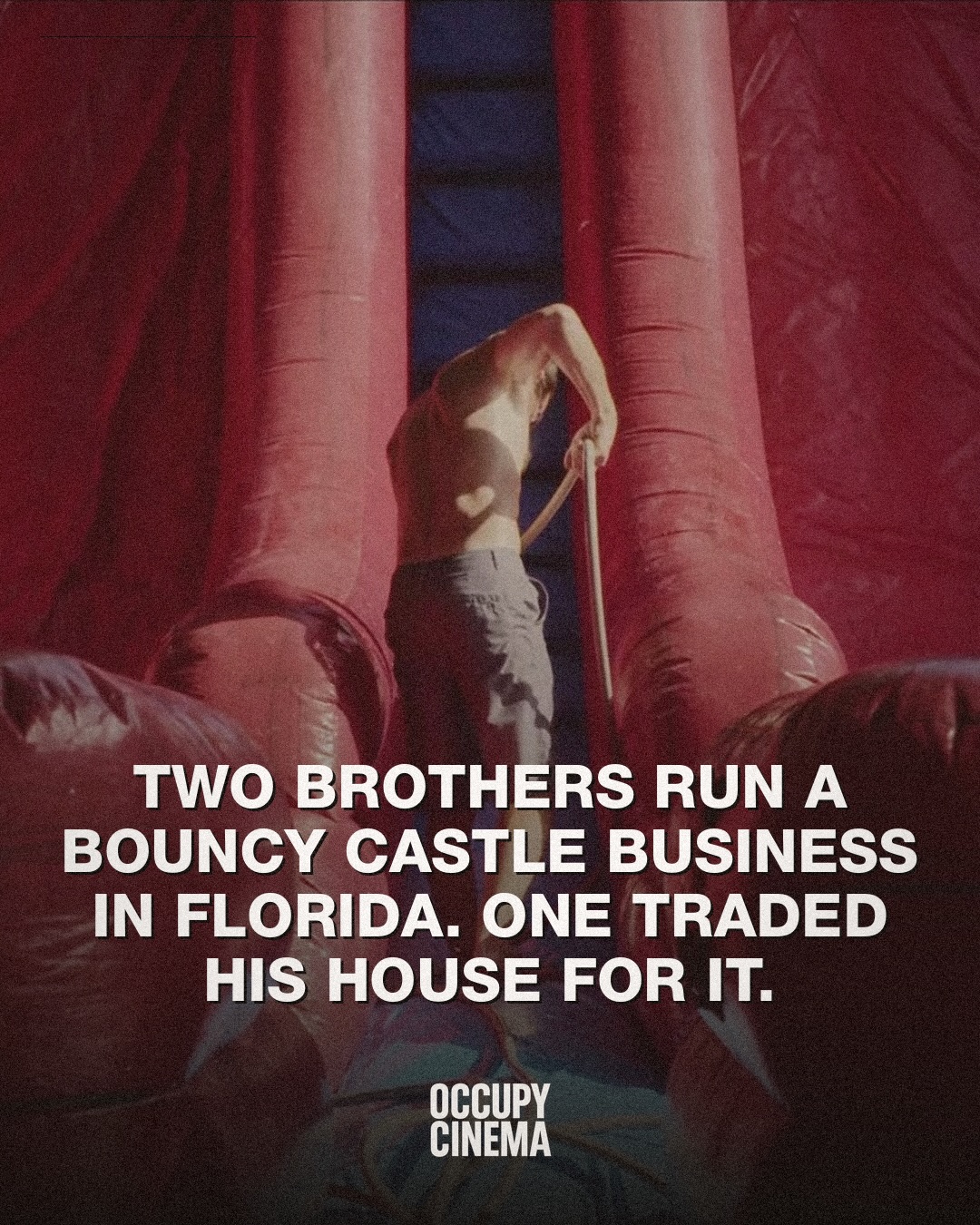
The American dream often involves a stable job, a renovated home, and suburban comfort. Anthony Glazier, however, traded that conventional blueprint for a five-acre field in Bushnell, Florida, filled with inflatable bouncy castles. His drastic career pivot, from an Illinois 9-to-5 to an untested rental business owner, forms the core of Nicholas J. Santore’s documentary short, Bouncy Brothers. The film, which recently earned Best Direction at the Charlotte Film Festival, offers a raw, intimate look at the precarious world of micro-entrepreneurship and familial loyalty. It is a story of high stakes, low margins, and the enduring, often quixotic, pursuit of self-made success.
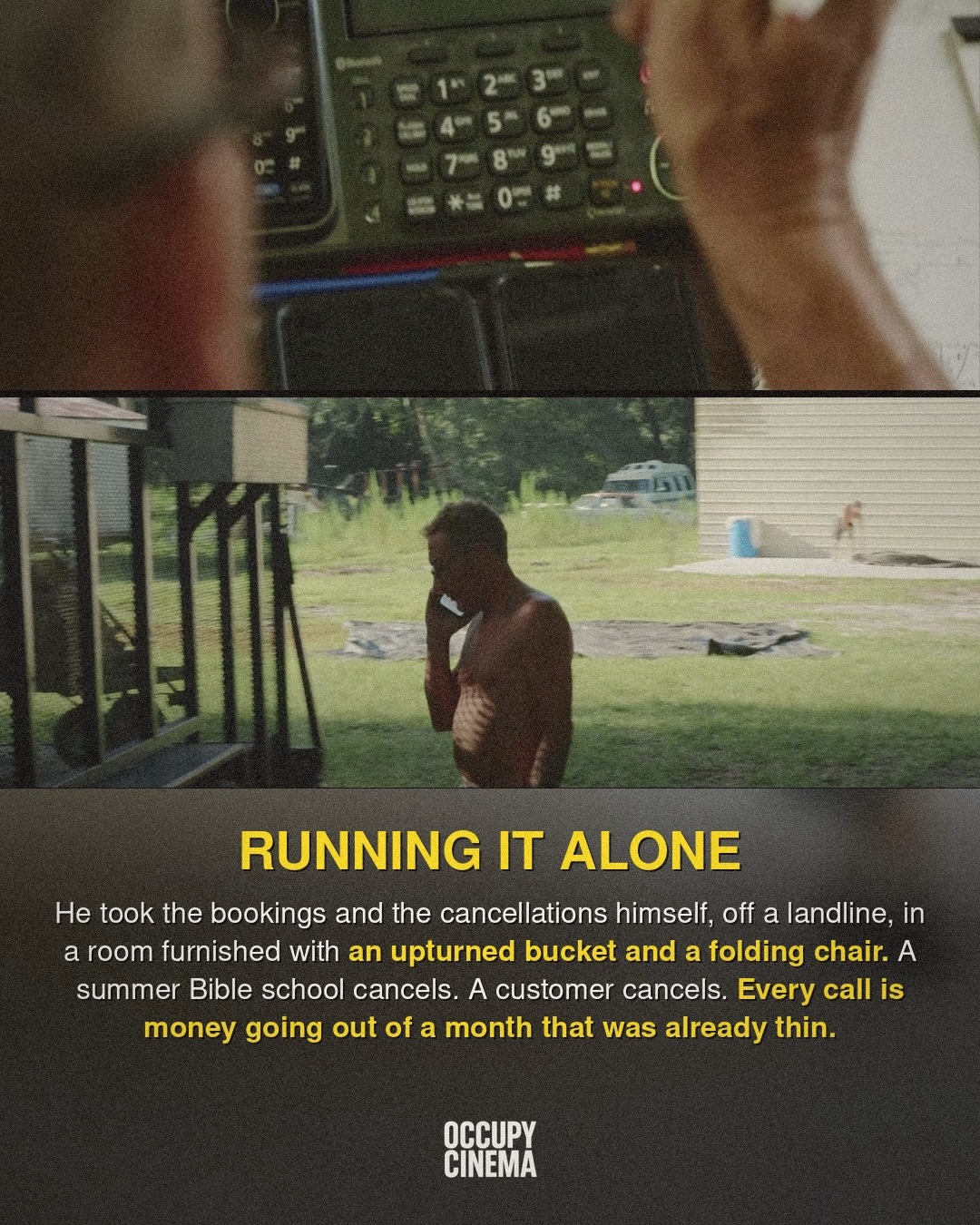
Santore, whose relationship to the subjects, Anthony and his brother Ted, is personal, brings an unfiltered lens to their struggle. This isn't a slick, polished narrative of immediate triumph. Instead, the film chronicles the grinding reality of a new venture, where the phone rings more with cancellations than bookings. The film captures the palpable tension and the sheer physical labor involved in running an inflatable rental service, far from the perceived glamour of independent business ownership. It is a testament to the power of documentary to find universal themes in highly specific, personal narratives, examining the cost of ambition when the safety net is gone.
From Corporate Ladder to Bounce House Blues
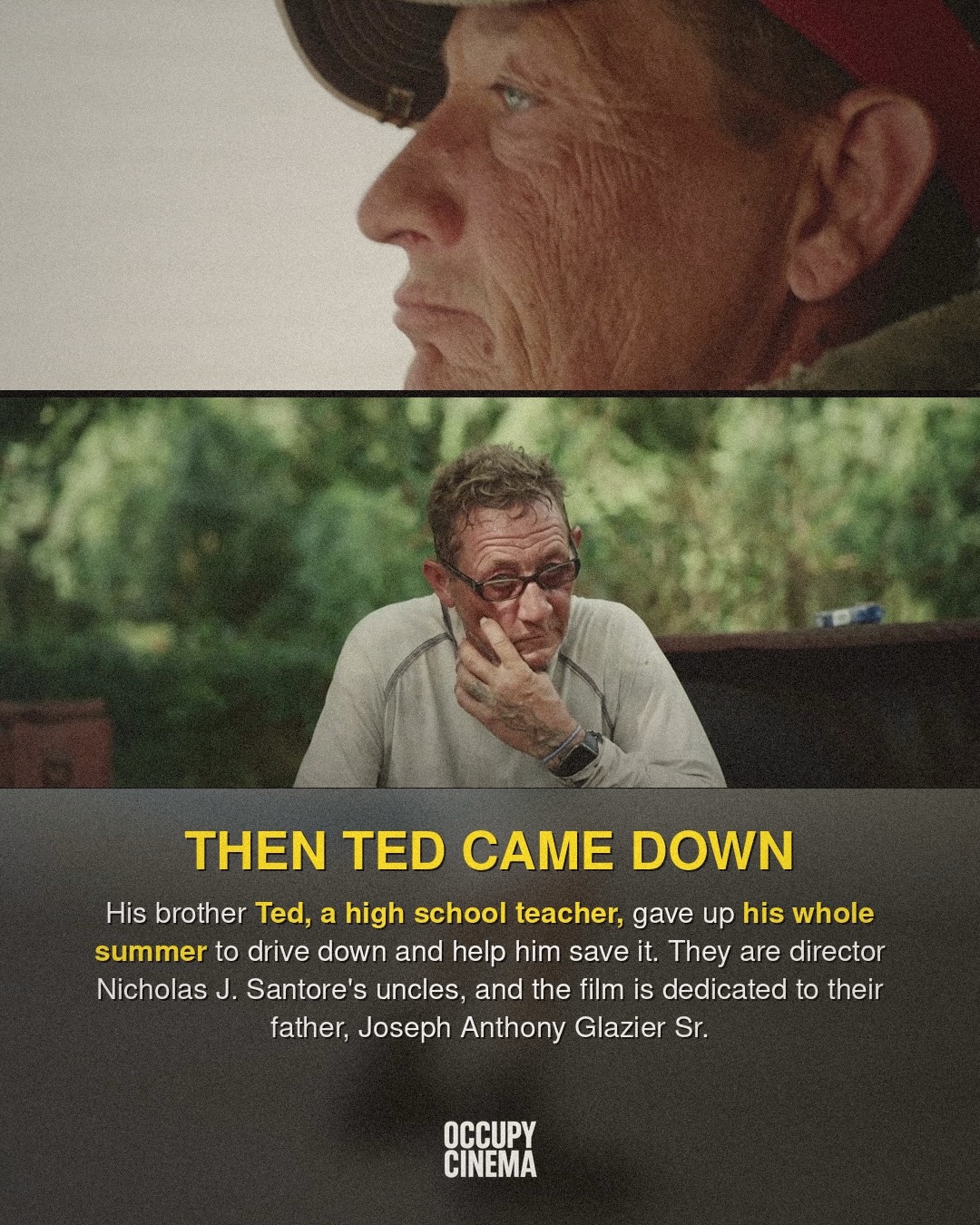
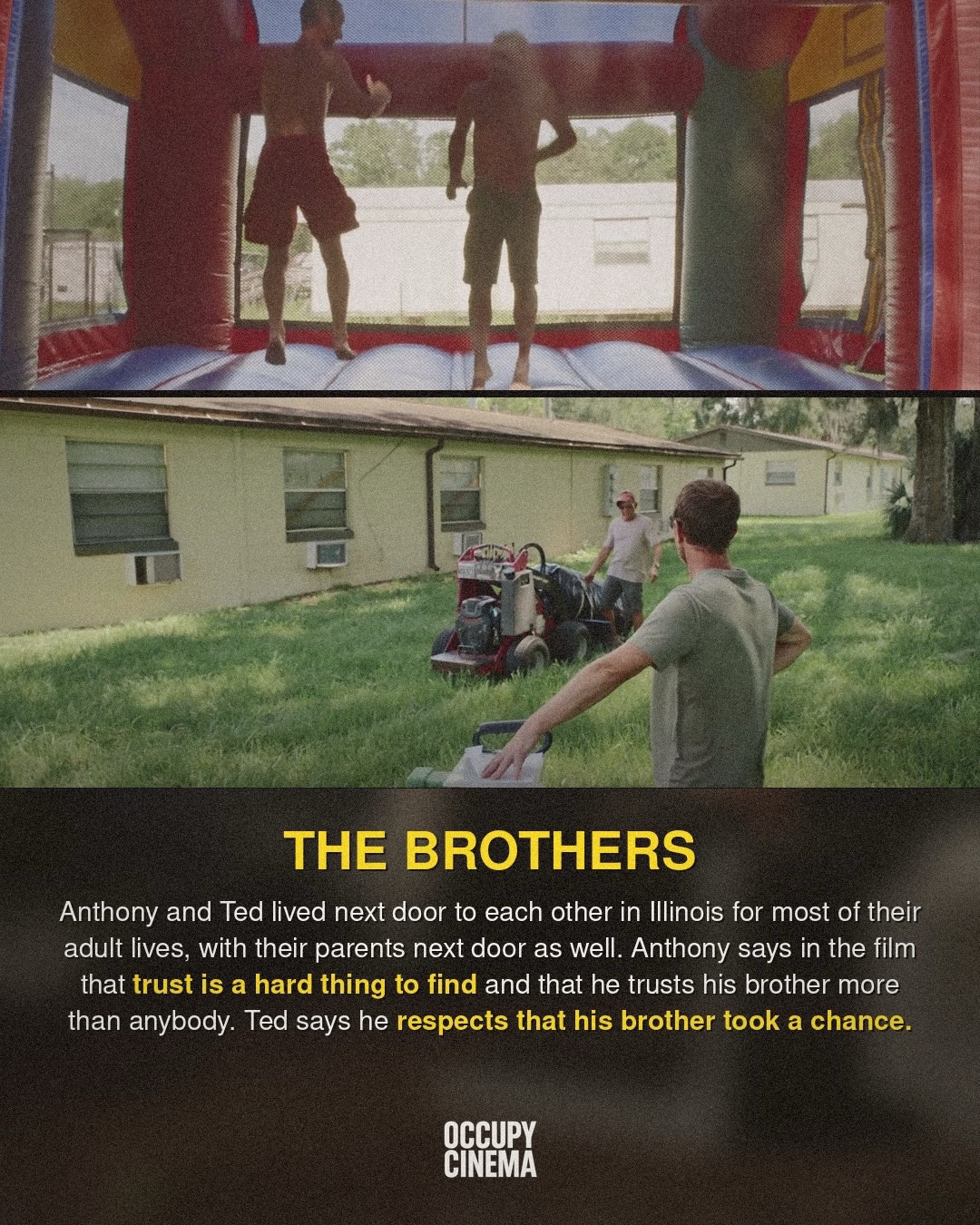
The decision by Anthony Glazier to sell a newly finished house for a plot of land and a fleet of inflatables speaks volumes about a particular strain of American restlessness. It is a gamble many contemplate but few execute, a leap of faith into the unknown driven by a desire for autonomy. The film meticulously details the practical challenges: equipment maintenance, weather dependency, and the relentless competition in the event rental market. Santore's direction is unobtrusive, allowing the natural drama of the Glazier brothers' daily grind to unfold. The camera often lingers on the quiet moments of frustration or the shared silences between Anthony and Ted, who sacrifices his summer to salvage the business. This unvarnished approach elevates Bouncy Brothers beyond a mere family portrait, positioning it as a case study in modern economic precarity.
Independent short films like Bouncy Brothers often find their footing on the festival circuit, where critical acclaim can translate into distribution opportunities or at least broader recognition. The Charlotte Film Festival win for Best Direction signals a strong craft element, suggesting Santore’s ability to shape compelling narrative from real-life events. These festivals are crucial proving grounds for emerging filmmakers, offering a platform to showcase work that might not fit conventional theatrical models. For documentaries, especially those with such a tight, personal focus, festival success is often the primary pathway to an audience. It allows stories like the Glaziers' to resonate beyond their immediate community, sparking conversations about risk, reward, and the definition of prosperity in contemporary America.
The film’s production details are lean, typical for an independent short documentary. Santore, operating with minimal crew, likely leveraged readily available digital cinema tools to capture the intimate, vérité style. This approach, while budget-conscious, often enhances the authenticity of the storytelling, allowing for greater access and immediacy. The raw aesthetics mirror the raw emotional landscape of the brothers' journey. It is a reminder that compelling filmmaking does not always require blockbuster budgets, but rather a keen eye for human drama and a commitment to honest portrayal. The stakes are personal, not financial, making the narrative all the more potent.
The narrative arc of Bouncy Brothers taps into a broader cultural conversation about the gig economy and the pursuit of passion projects. For every Silicon Valley success story, there are countless small businesses navigating treacherous waters, often supported by little more than grit and familial obligation. The film doesn't offer easy answers or a tidy resolution. Instead, it presents a snapshot of ongoing struggle, a testament to the enduring, sometimes painful, resilience required to chase an unconventional dream. It is a film that asks what we are willing to sacrifice for independence, and what the true cost of that freedom might be.
Ultimately, Bouncy Brothers is more than a film about inflatable castles; it is a film about the elasticity of hope. The story of Anthony and Ted Glazier, captured by their nephew, resonates because it embodies a fundamental tension of modern life: the yearning for self-determination against the crushing weight of economic reality. The Best Direction award at Charlotte is not just for Santore's craft, but for his ability to find profound human drama in the most unexpected, and bouncy, of places. It is a poignant, unvarnished look at the entrepreneurial spirit, bruised but not broken, in the heartland of America. Variety and The Hollywood Reporter frequently cover such independent film narratives, highlighting their significance in the broader cinematic landscape. Nicholas J. Santore has delivered a work that feels both intensely personal and broadly resonant, a true indie gem.