Occupy Cinema › Box Office
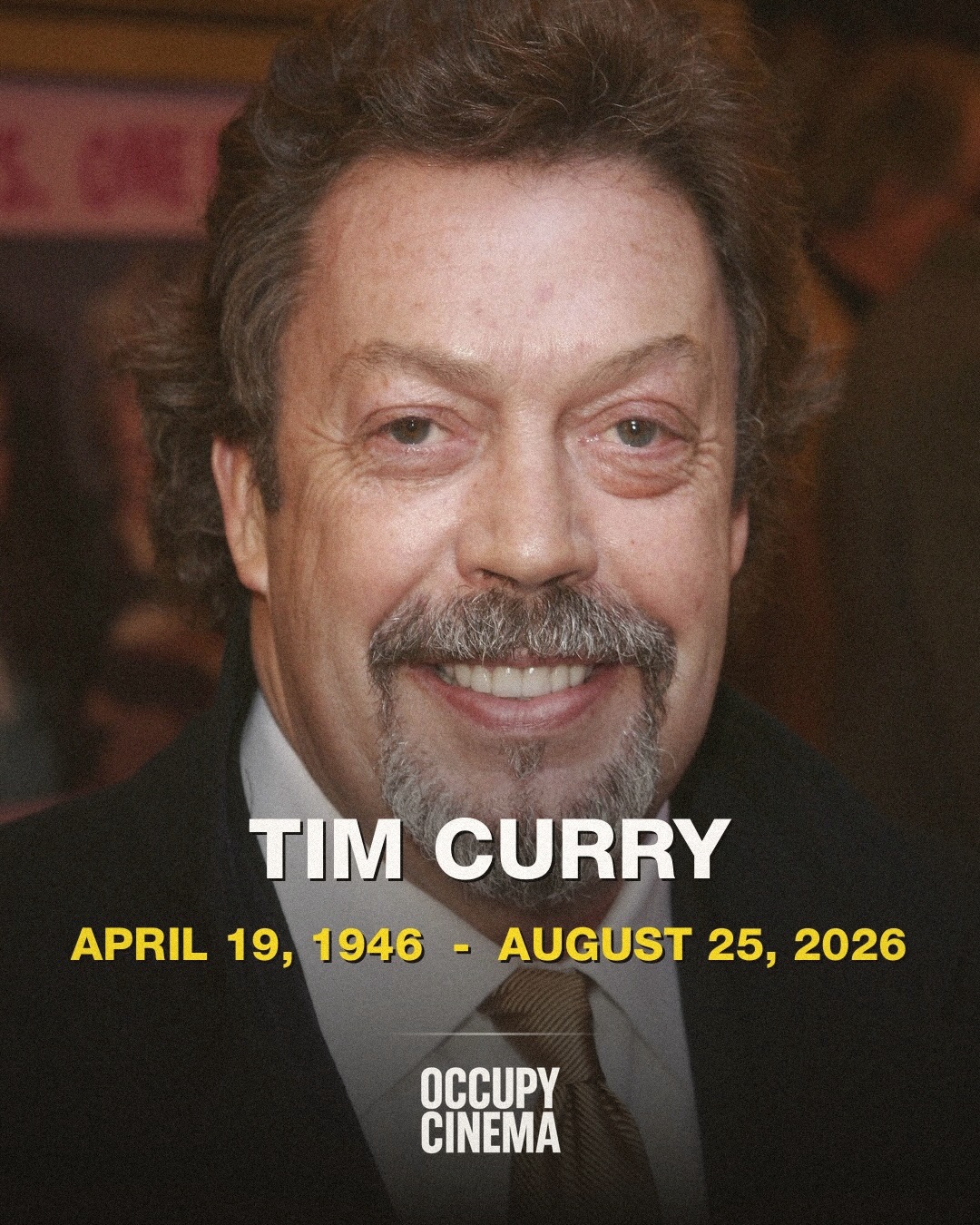
The Architecture of Frank-N-Furter: How Tim Curry Built Cult Cinema's Ultimate Anomaly
From a London stage experiment to a half-century of midnight screenings, Tim Curry transformed camp into an enduring box office institution.
By Occupy Cinema ·
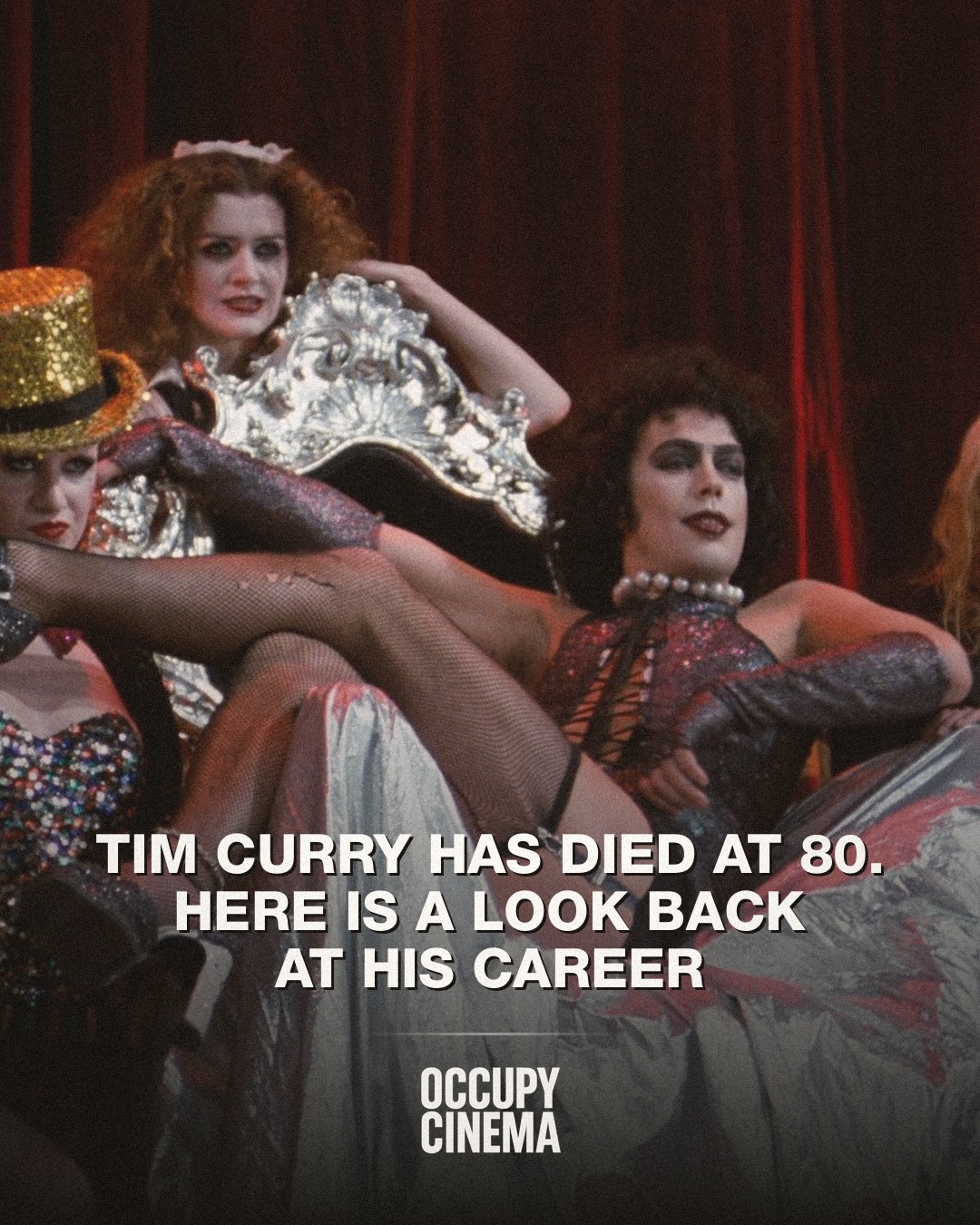
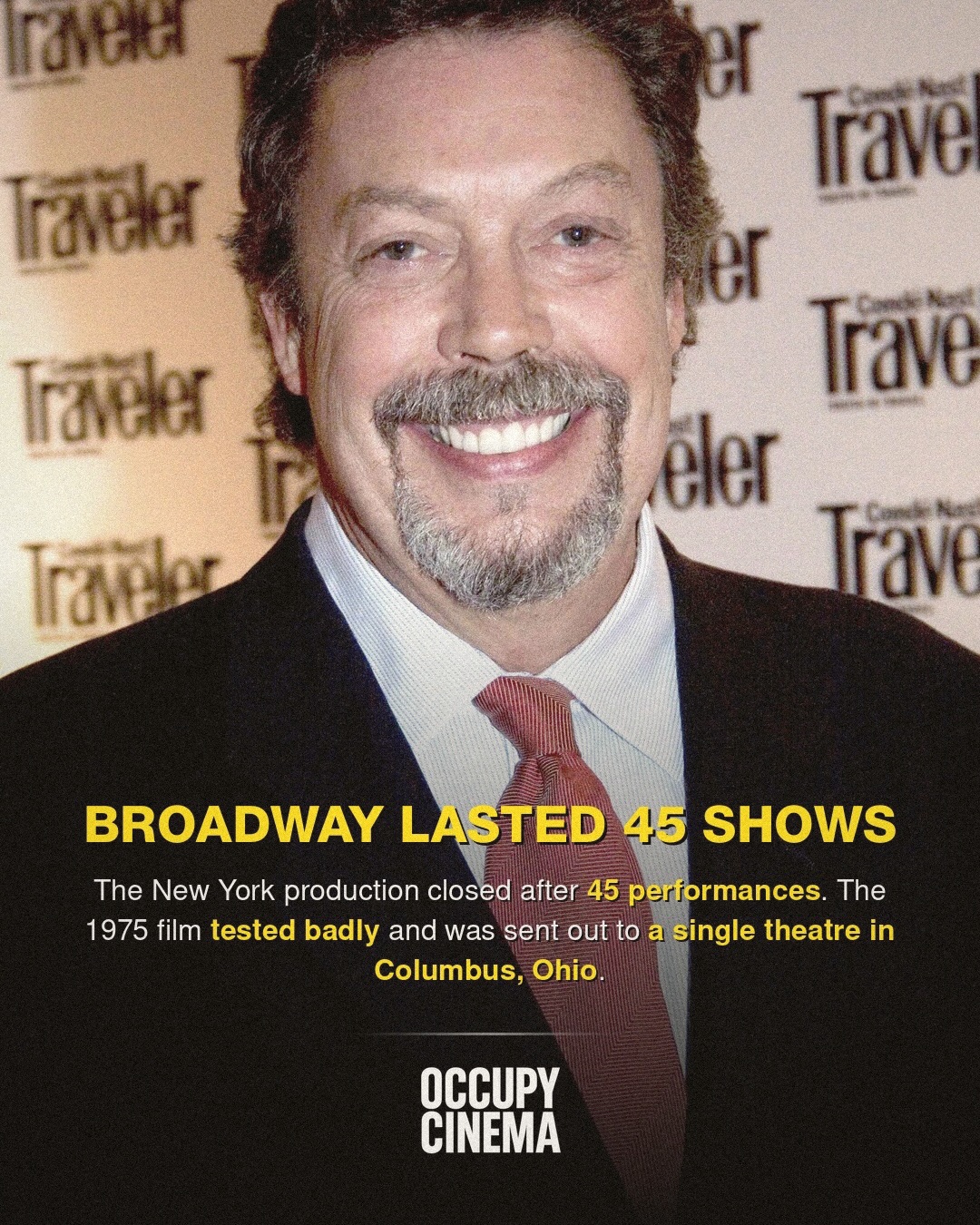
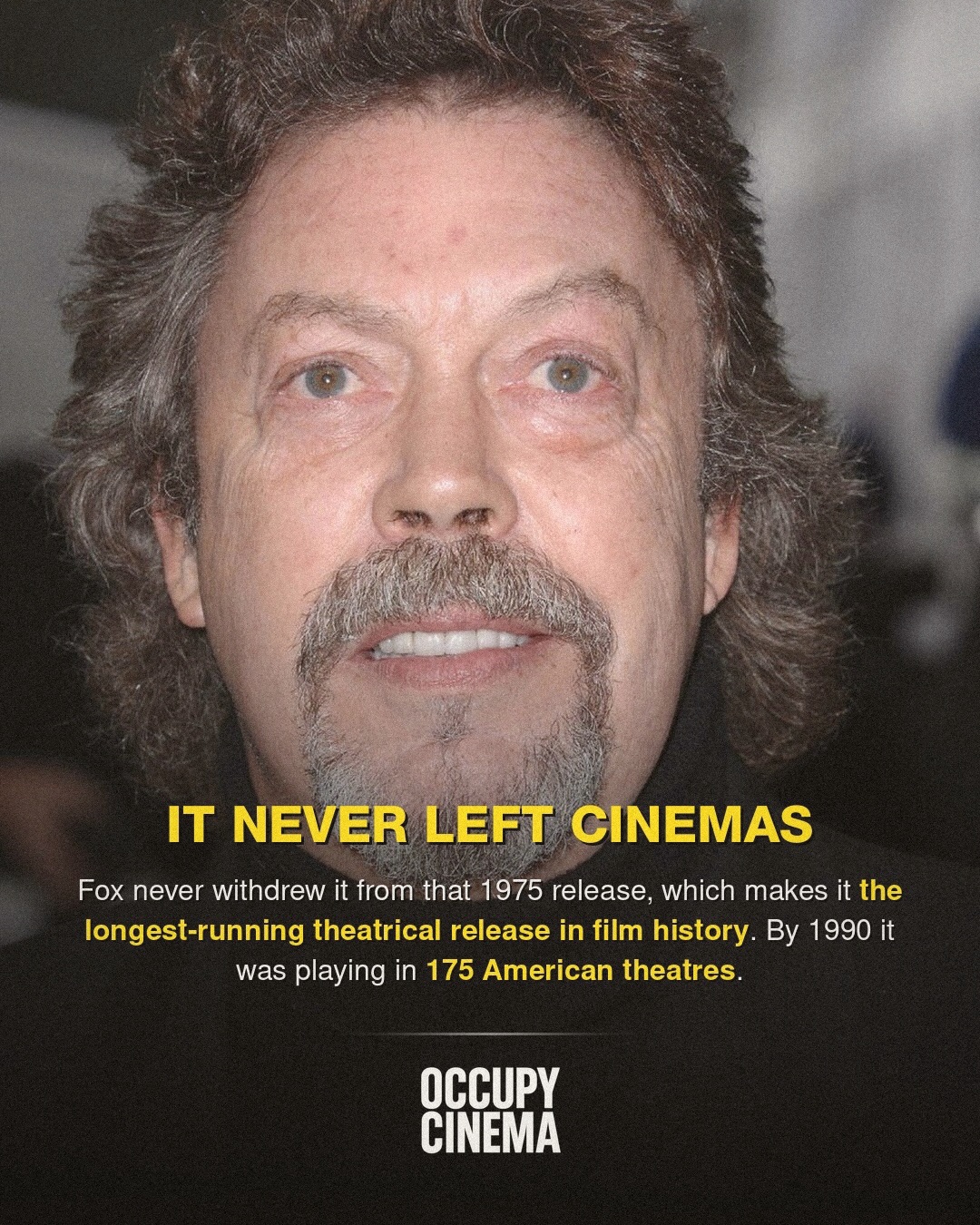
When 20th Century Fox released The Rocky Horror Picture Show in 1975, the studio had no clear idea how to sell it. Produced on a modest budget of roughly $1.4 million, the film flopped during its initial suburban run before finding life on the midnight circuit. At the center of that historical pivot was Tim Curry, an actor whose operatic commitment turned an unclassifiable hybrid of glam rock and sci-fi B-movies into the longest running theatrical release in cinema history.
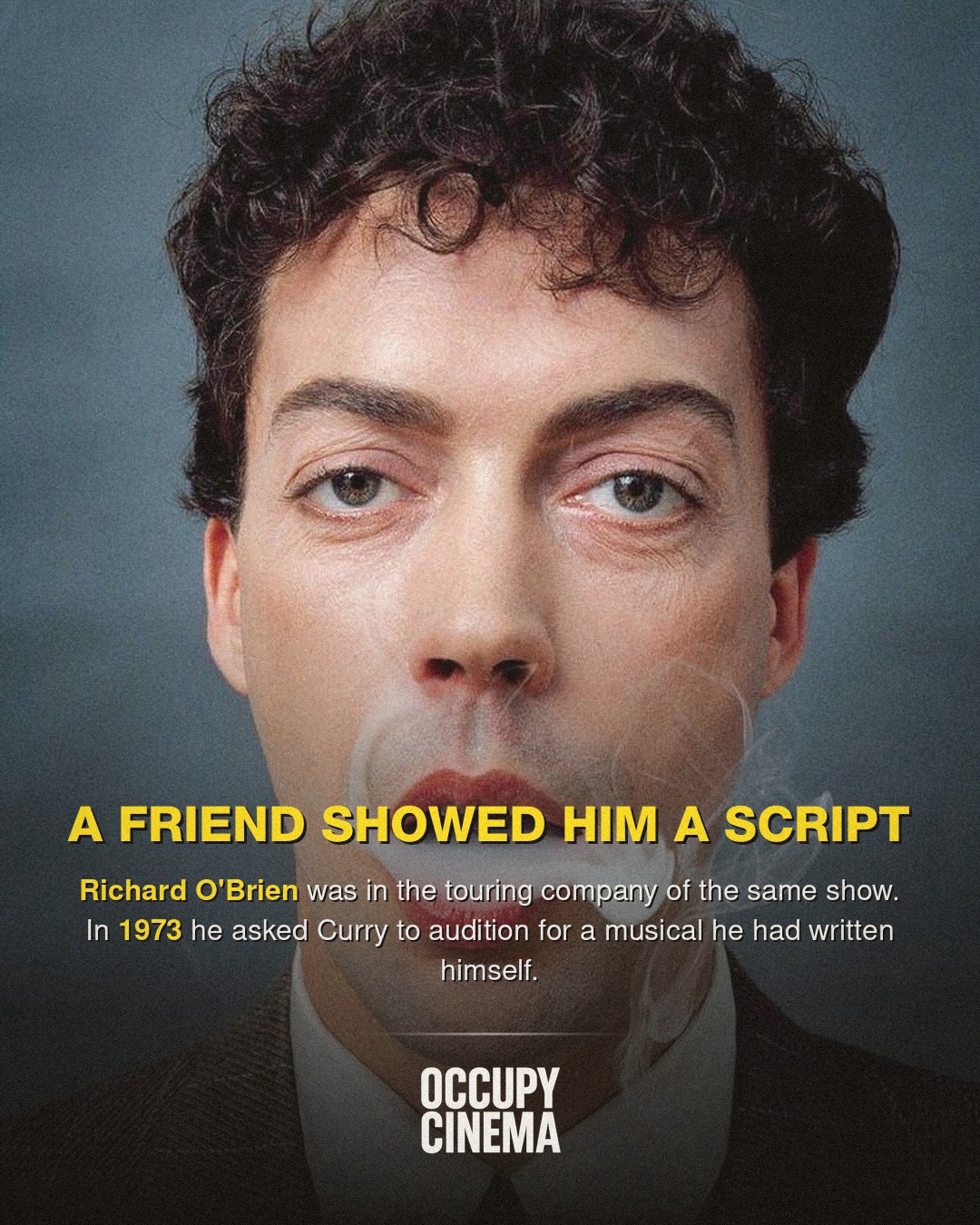
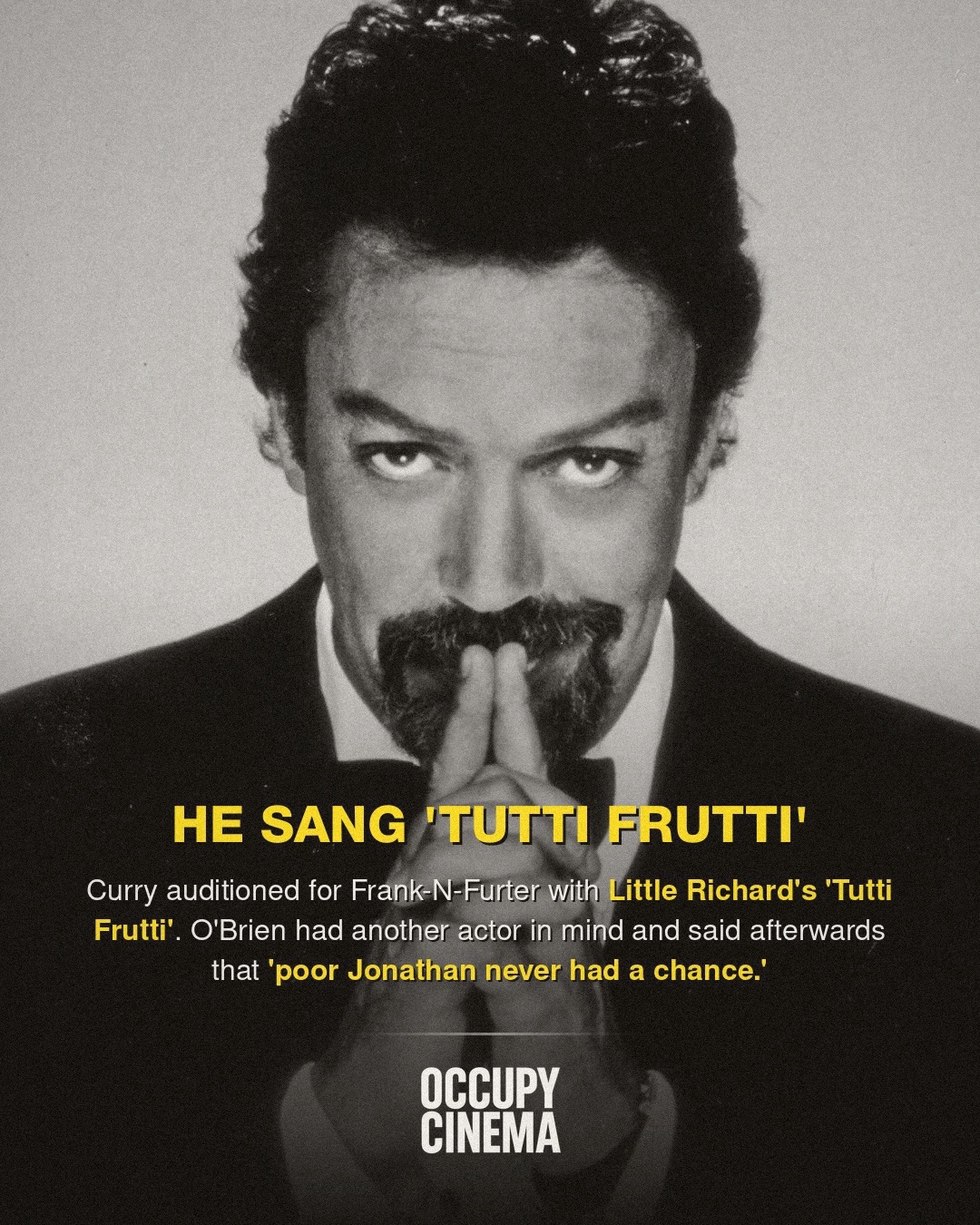
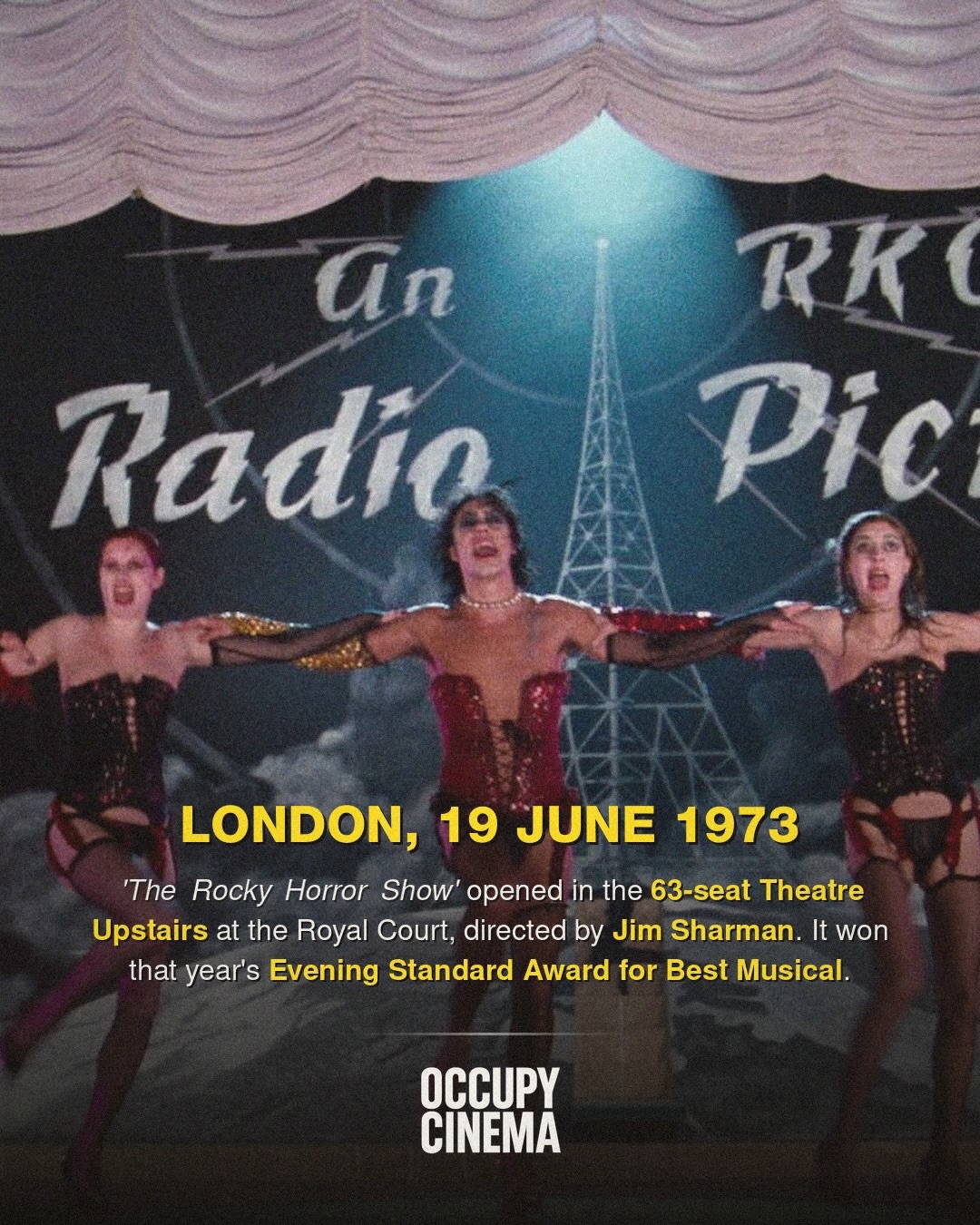
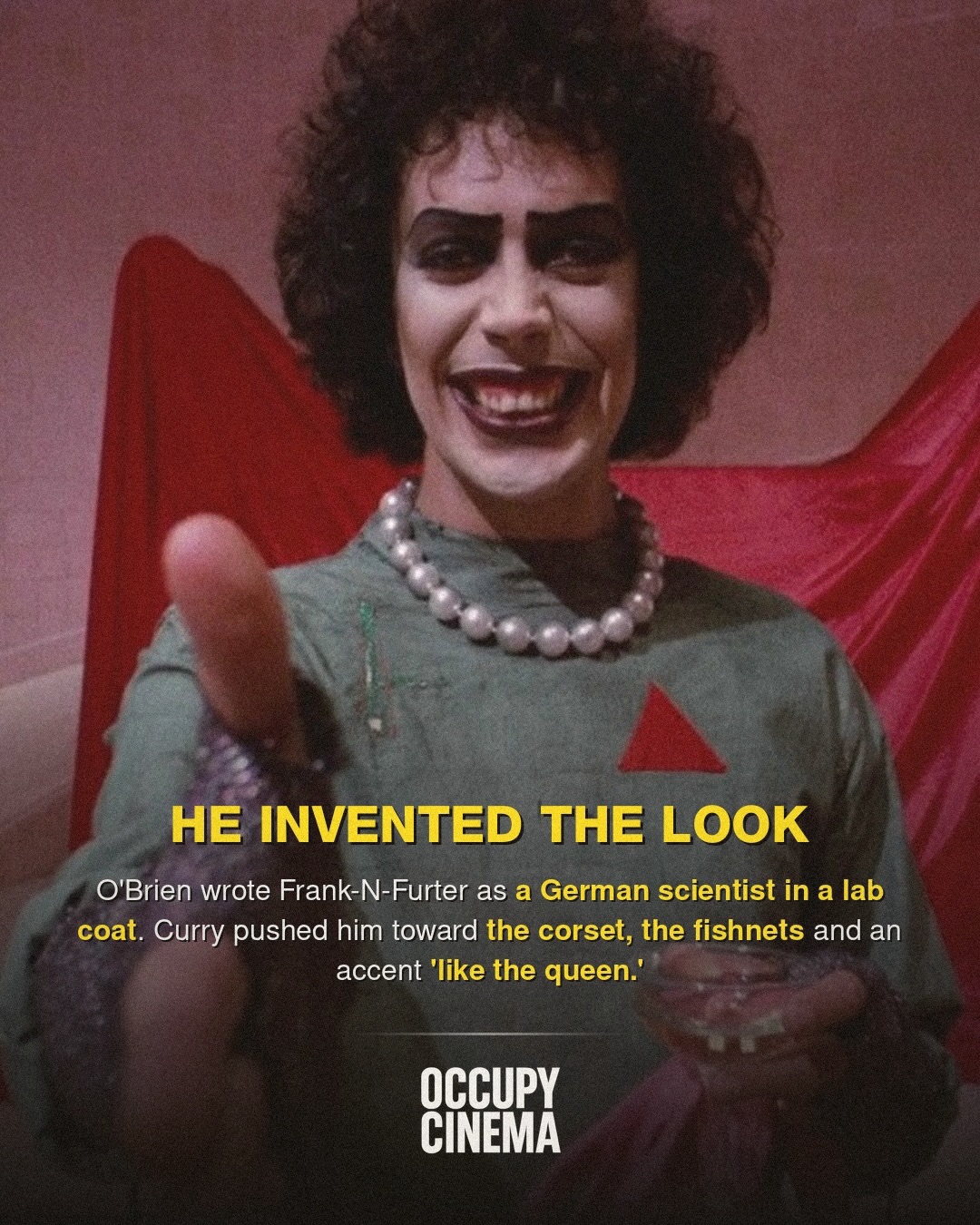
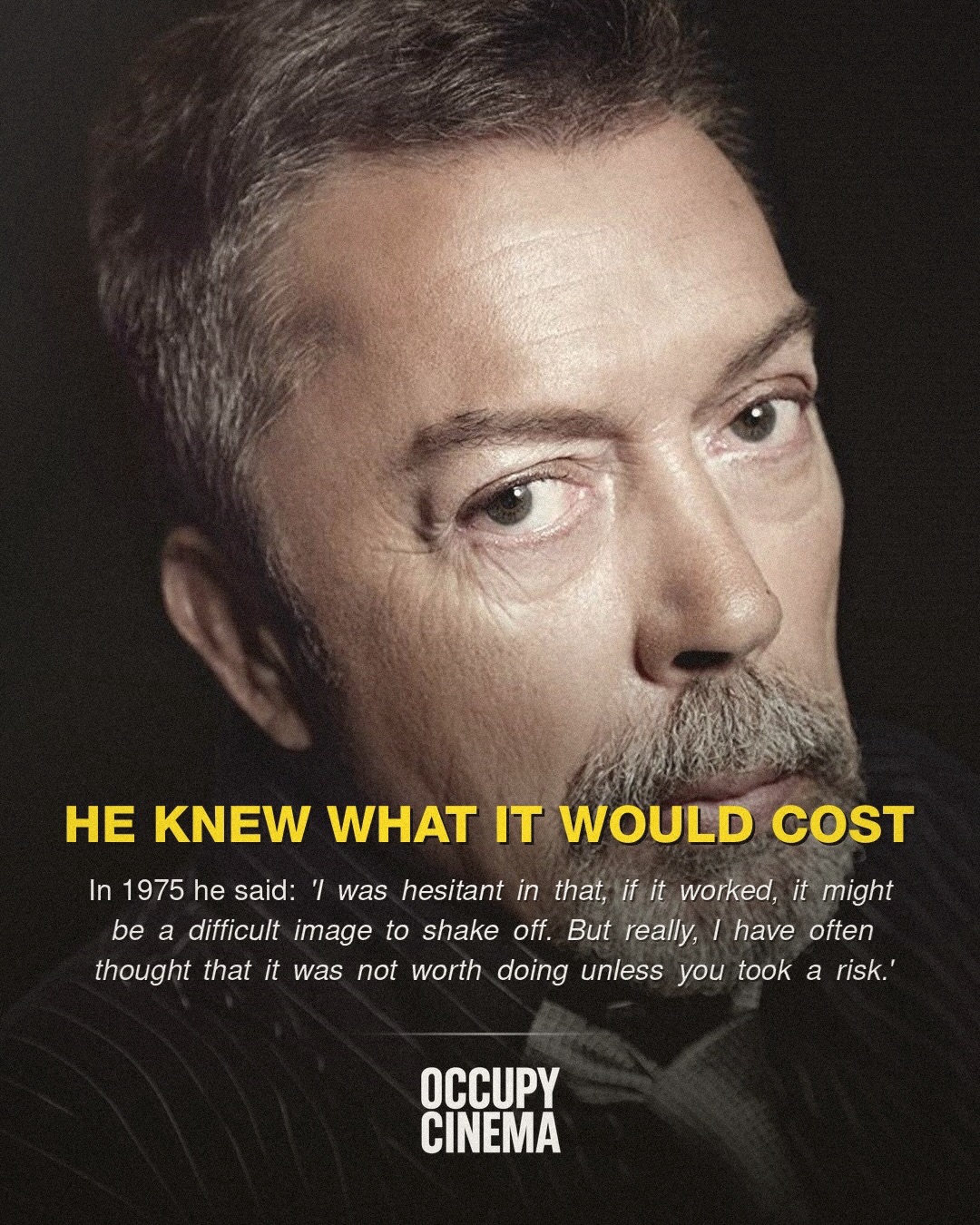
Richard O'Brien's original stage concept at London's Royal Court Theatre envisioned Dr. Frank-N-Furter as a dour German scientist in a clinical lab coat. Curry dismantled that archetype during rehearsals. He paired fishnet stockings and corset boning with the hyper-refined elocution of Queen Elizabeth II, inventing a predatory, magnetic creature entirely of his own design. Director Jim Sharman framed the performance in crisp, theatrical tableaus, but Curry drove the kinetic energy. His vocal delivery moved seamlessly from velvet baritone to razor-sharp screech, establishing a blueprint for high-wire character acting that bypassed conventional Hollywood realism.
Midnight Economics and the Box Office Longevity
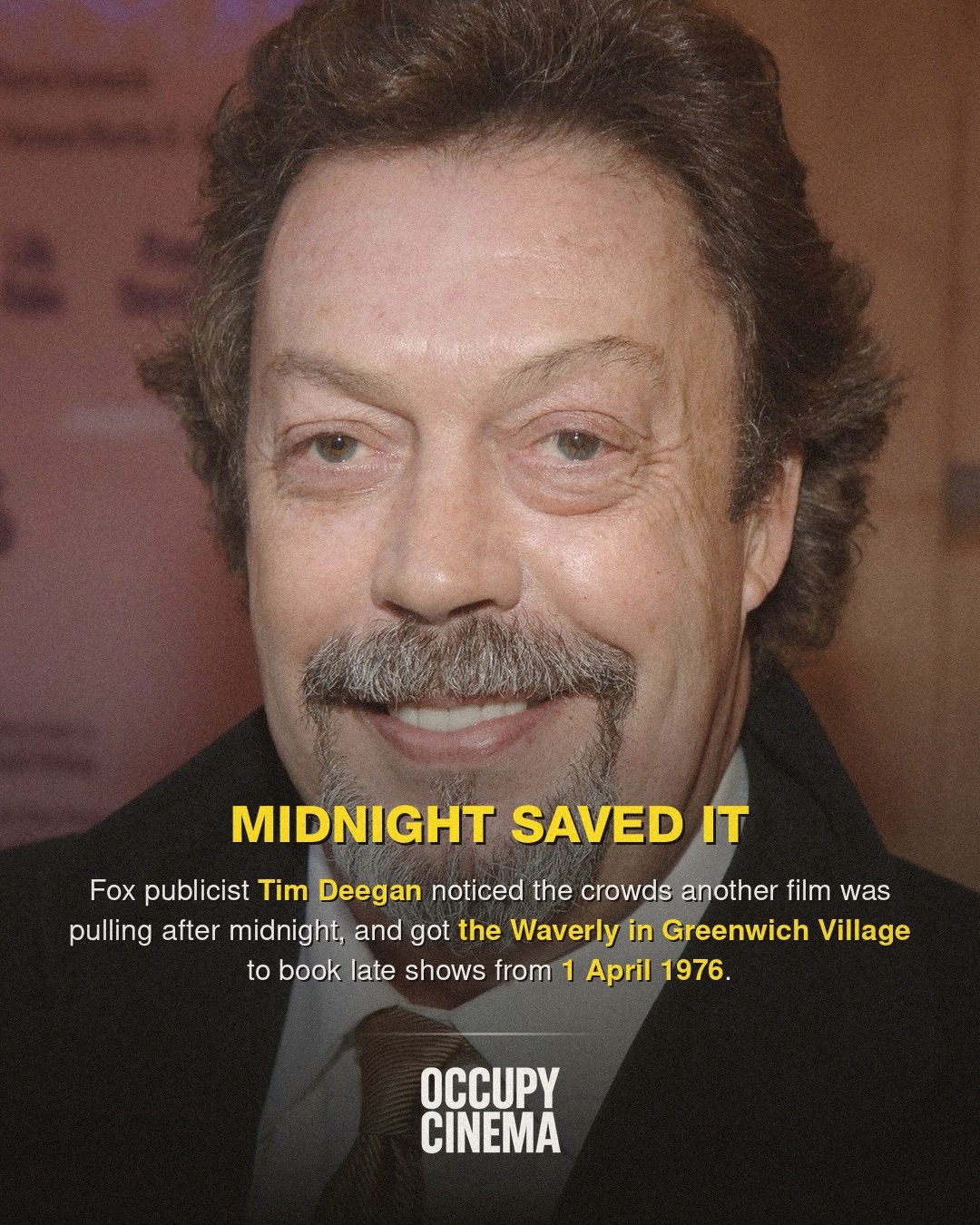
The financial legacy of that transformation remains singular. Fox initially shelved the picture after dismal showings in standard markets. Studio executives then pivoted, moving the film to midnight screenings at New York's Waverly Theatre in 1976. The strategy revolutionized repertory exhibition. To date, the film has generated over $140 million domestically across continuous weekend screenings, proving that a hyper-specific subculture could outlast traditional theatrical windows.
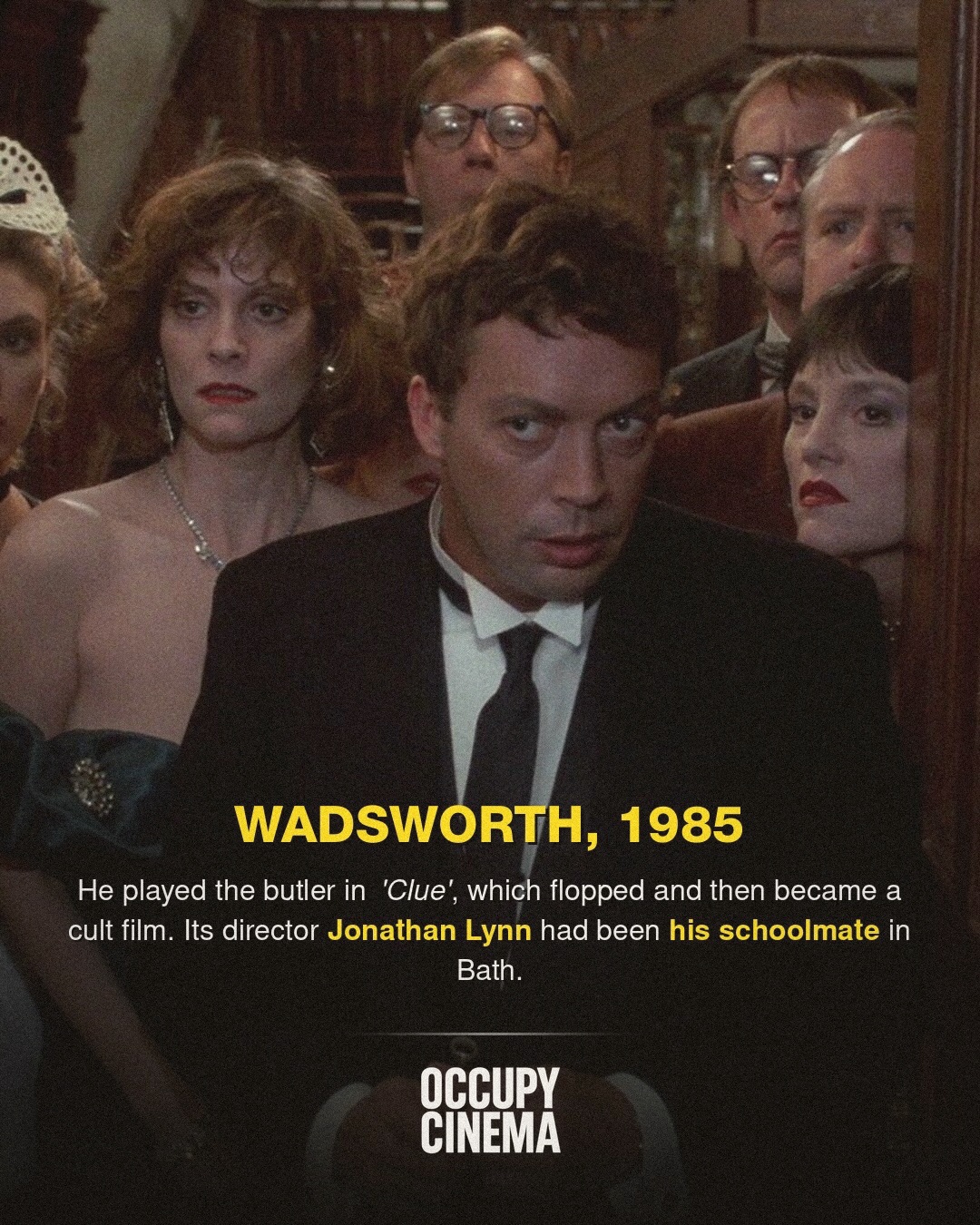
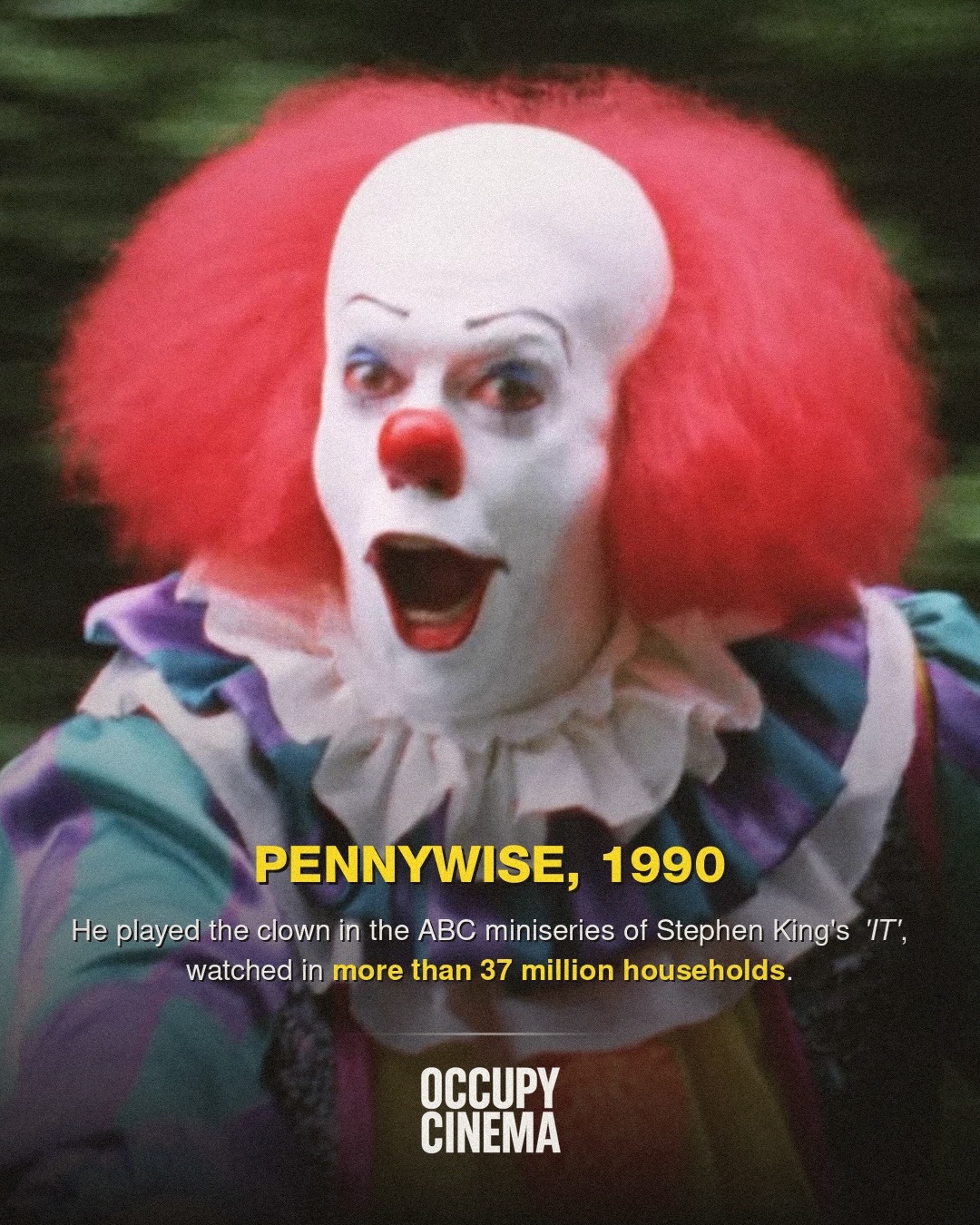
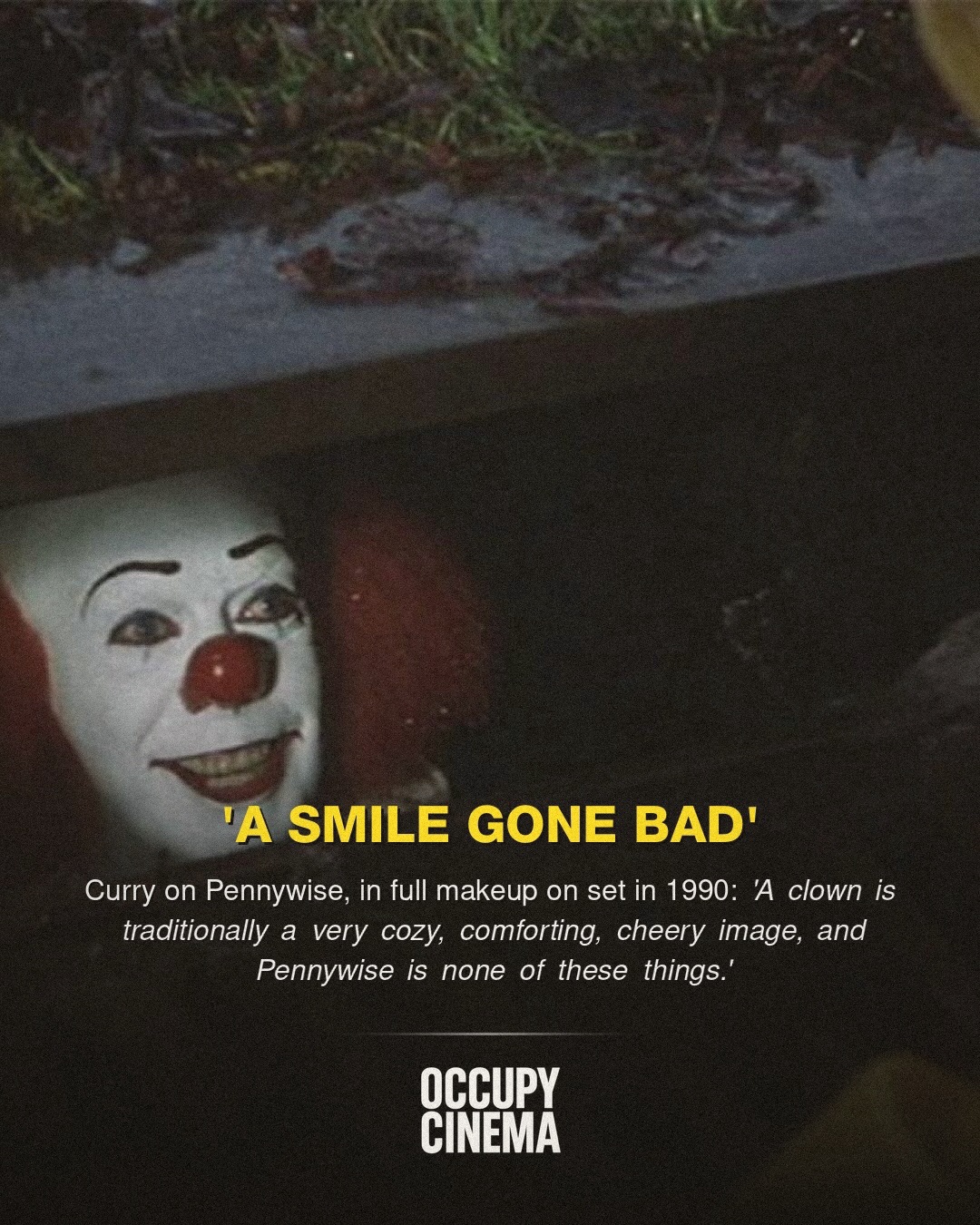
Rather than allowing Frank-N-Furter to become a career trap, Curry weaponized his classical training across multiple genres. In 1985, director Jonathan Lynn cast him as Wadsworth the butler in Clue. Curry carried the third act with an exhausting sequence of physical comedy, delivering multiple rapid-fire monologue variations that later cemented the film as a home-video classic. Five years later, director Tommy Lee Wallace adapted Stephen King's IT for ABC. Curry's portrayal of Pennywise the Dancing Clown stripped away elaborate prosthetics in favor of manic vocal cadence and terrifying stillness, generating massive broadcast ratings. Retrospective coverage in The Guardian and Variety has consistently cited that performance as the benchmark for modern screen villains.
The Craft of Total Commitment
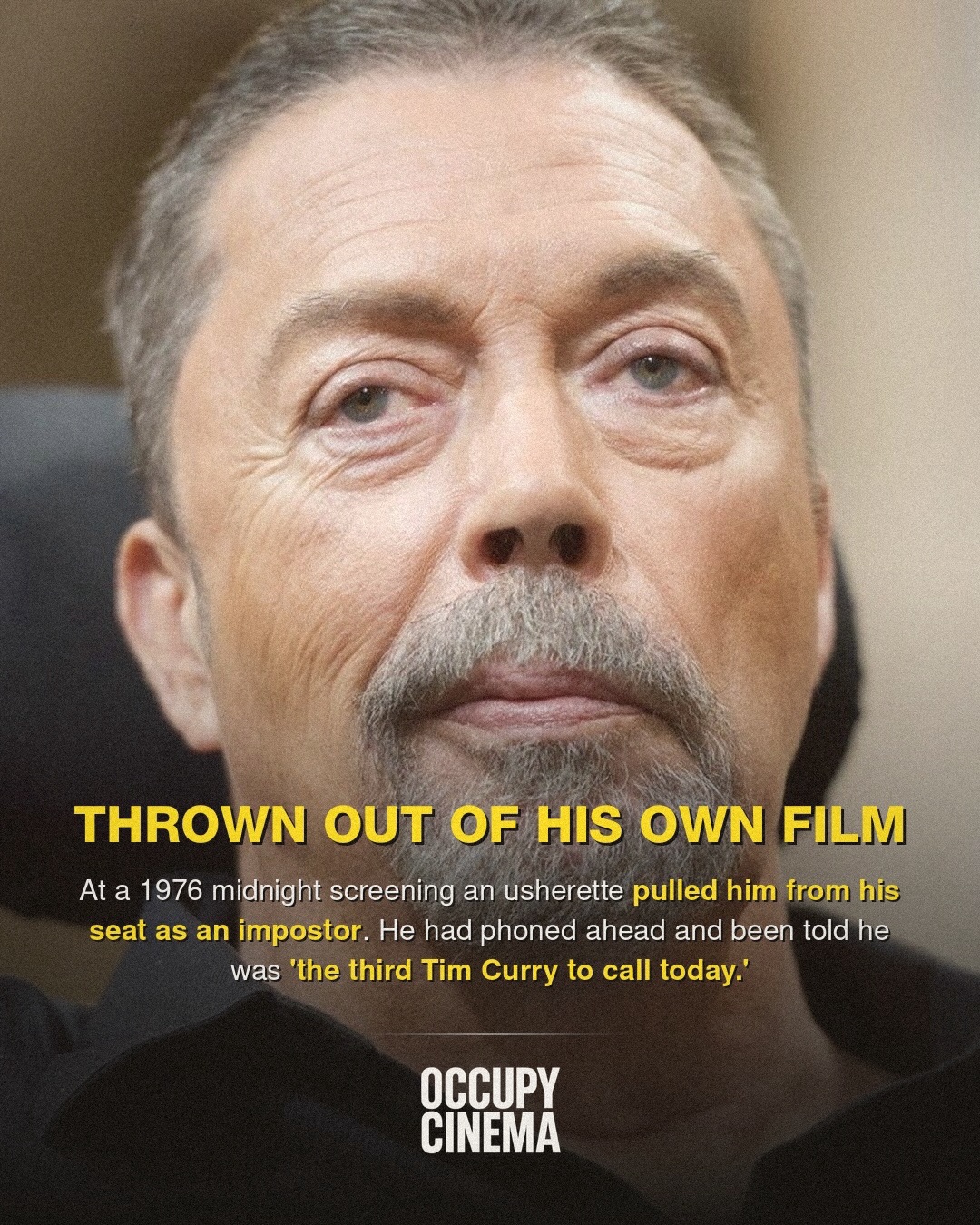
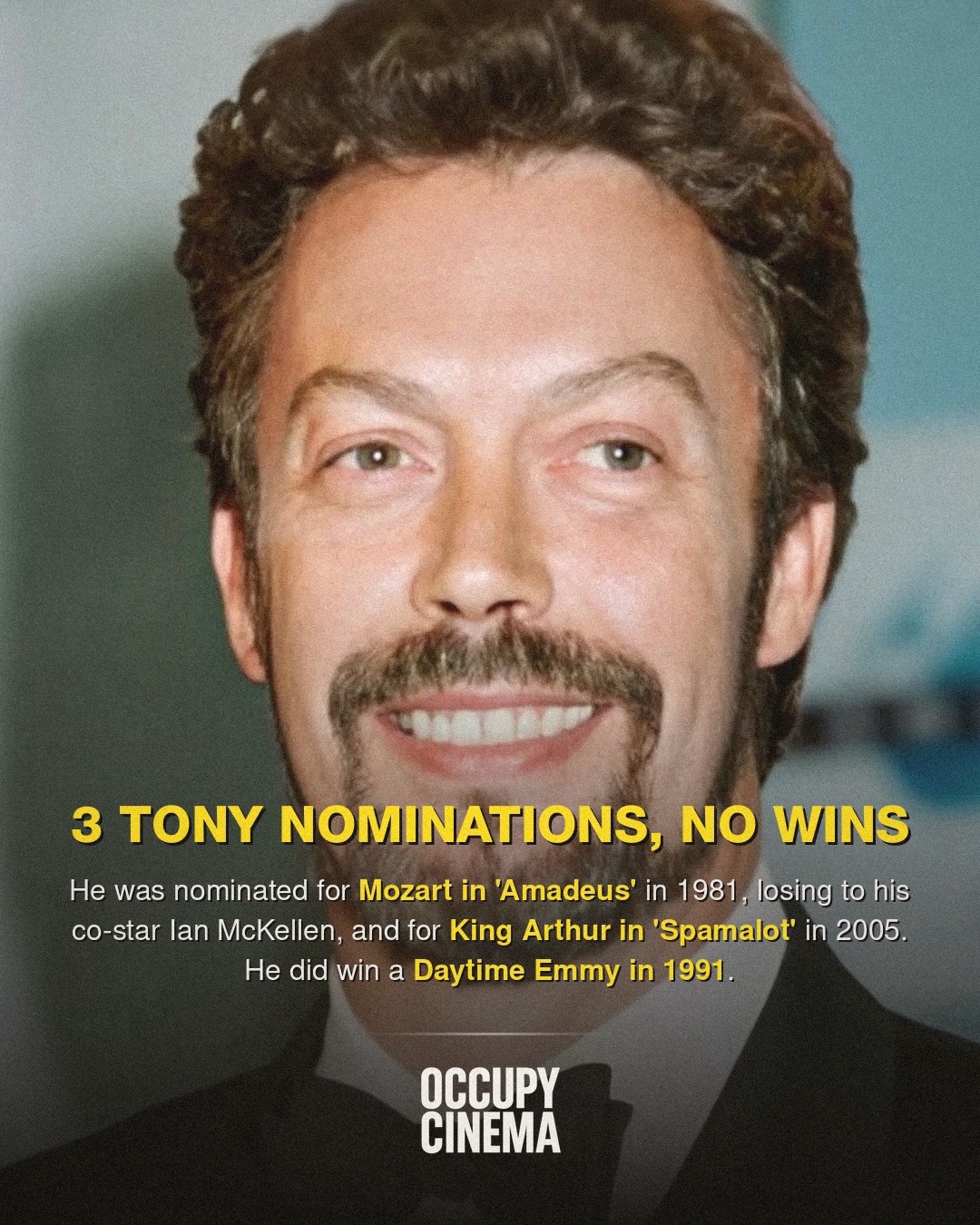
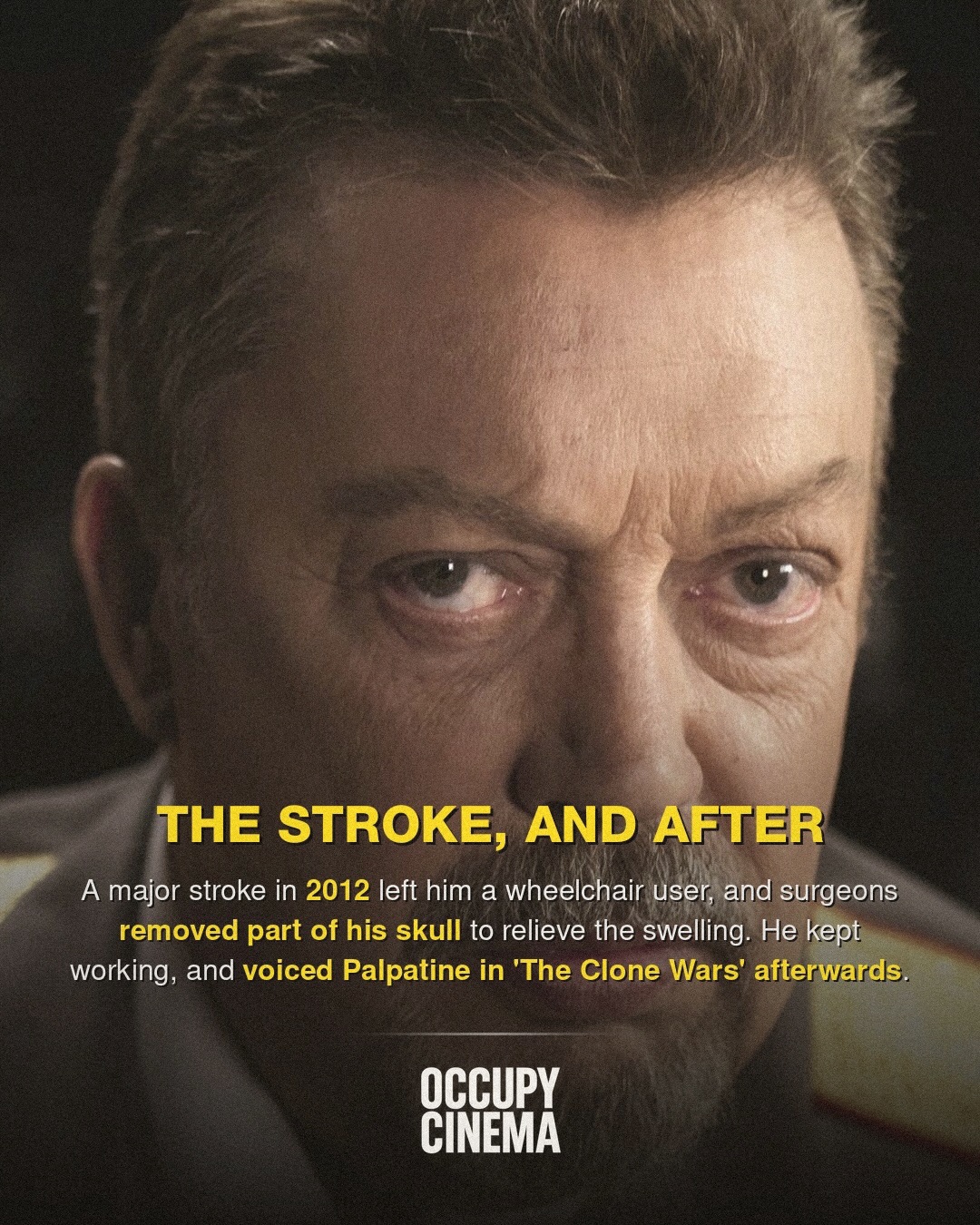
Curry earned three Tony Award nominations across his stage career, beginning with Amadeus in 1981, continuing through My Favorite Year in 1993, and culminating in Spamalot in 2005. He never treated genre material as secondary to prestige stage craft. Even after a stroke in 2012 severely restricted his physical mobility, Curry pivoted to voice acting and public retrospectives, refusing to abandon the craft that defined his professional life.
Curry understood a fundamental truth about screen performance: extreme risk requires supreme precision. In an industry often dominated by understated naturalism and digital polish, his body of work stands as a clinic in theatrical audacity. He took characters that should have collapsed under the weight of pure camp and anchored them with classical technique, creating cinematic figures that refuse to fade from the cultural lexicon.
Related reading: Respect for Acting.