Occupy Cinema › Craft
The Crucible of Daytime: Why Hayden Panettiere’s Early Mastery Still Matters
Long before primetime stardom, the relentless multi-camera engine of daily soap operas forged one of modern television's sharpest working child actors.
By Occupy Cinema ·
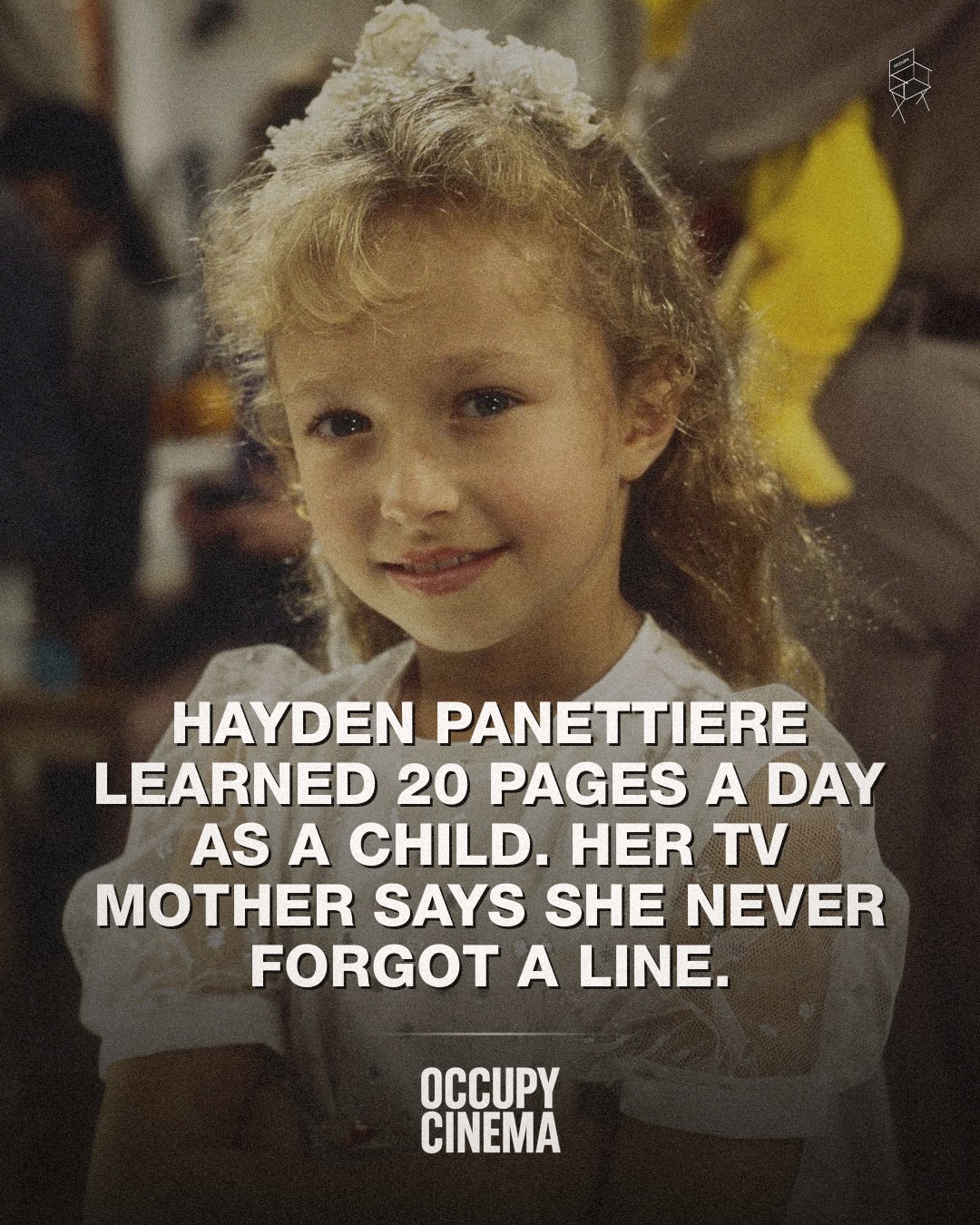
Daytime television has long operated under production conditions that would break most feature film sets. A standard single-camera drama shoots four to six pages of script per day. A five-day-a-week soap opera routinely burns through sixty to eighty pages before dinner. There are no two-dozen takes, no protracted lighting resets, and almost no margin for forgotten lines. For decades, this industrial grind served as the industry's most unforgiving training ground. When former Guiding Light star Beth Chamberlin recently reflected on working with a young Hayden Panettiere, she resurfaced a forgotten reality about the extreme technical demands placed on child actors during the twilight of network daytime drama.
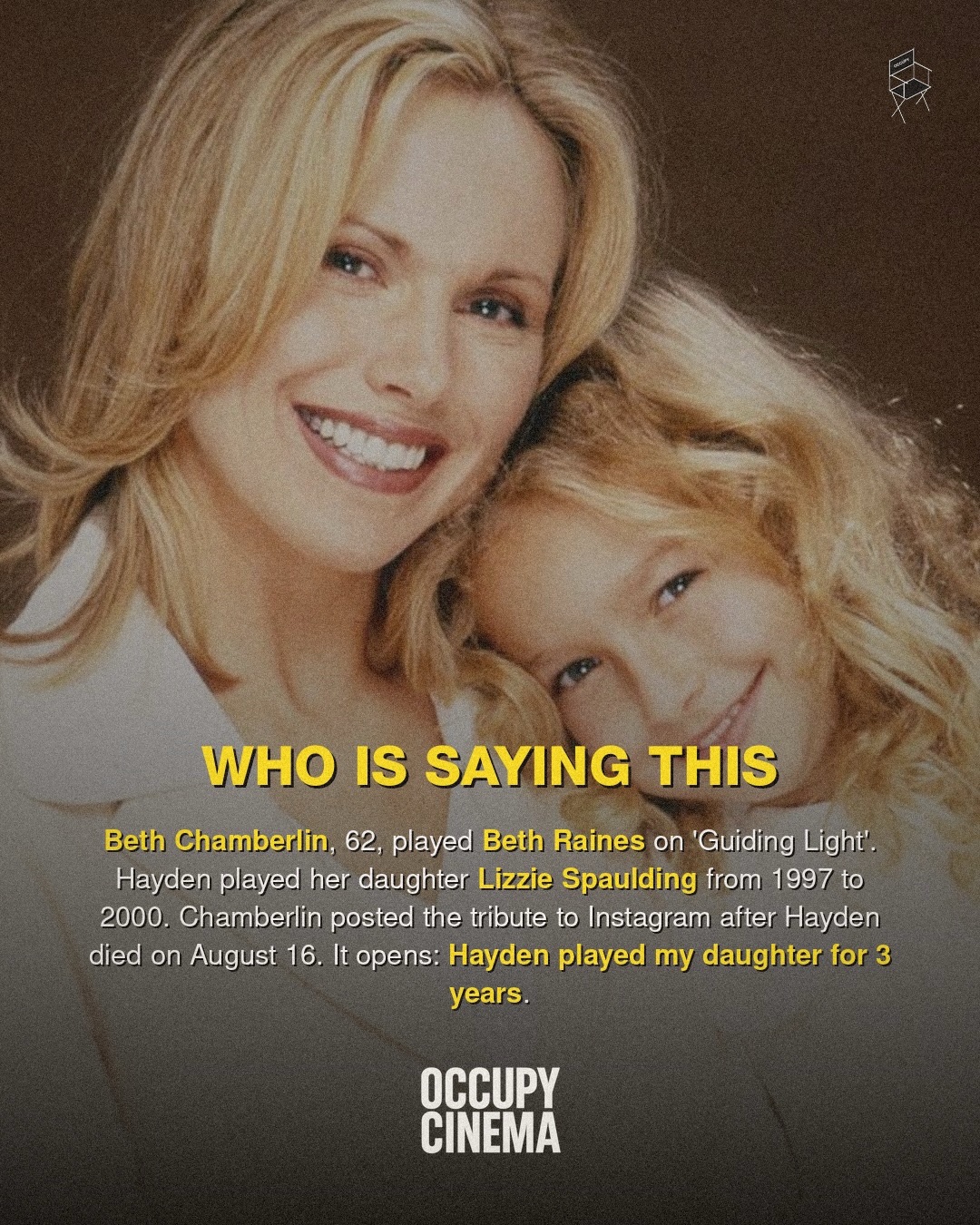
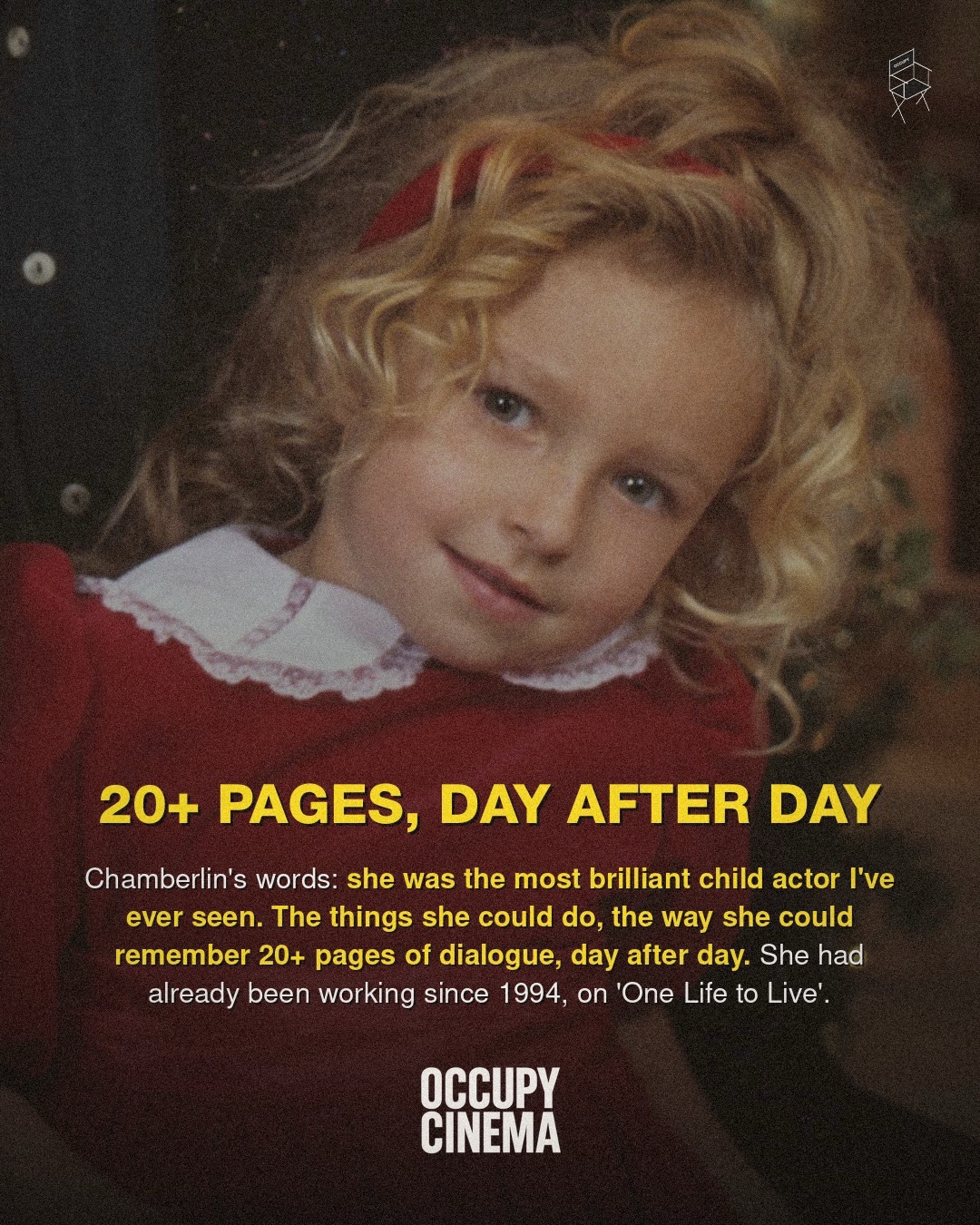
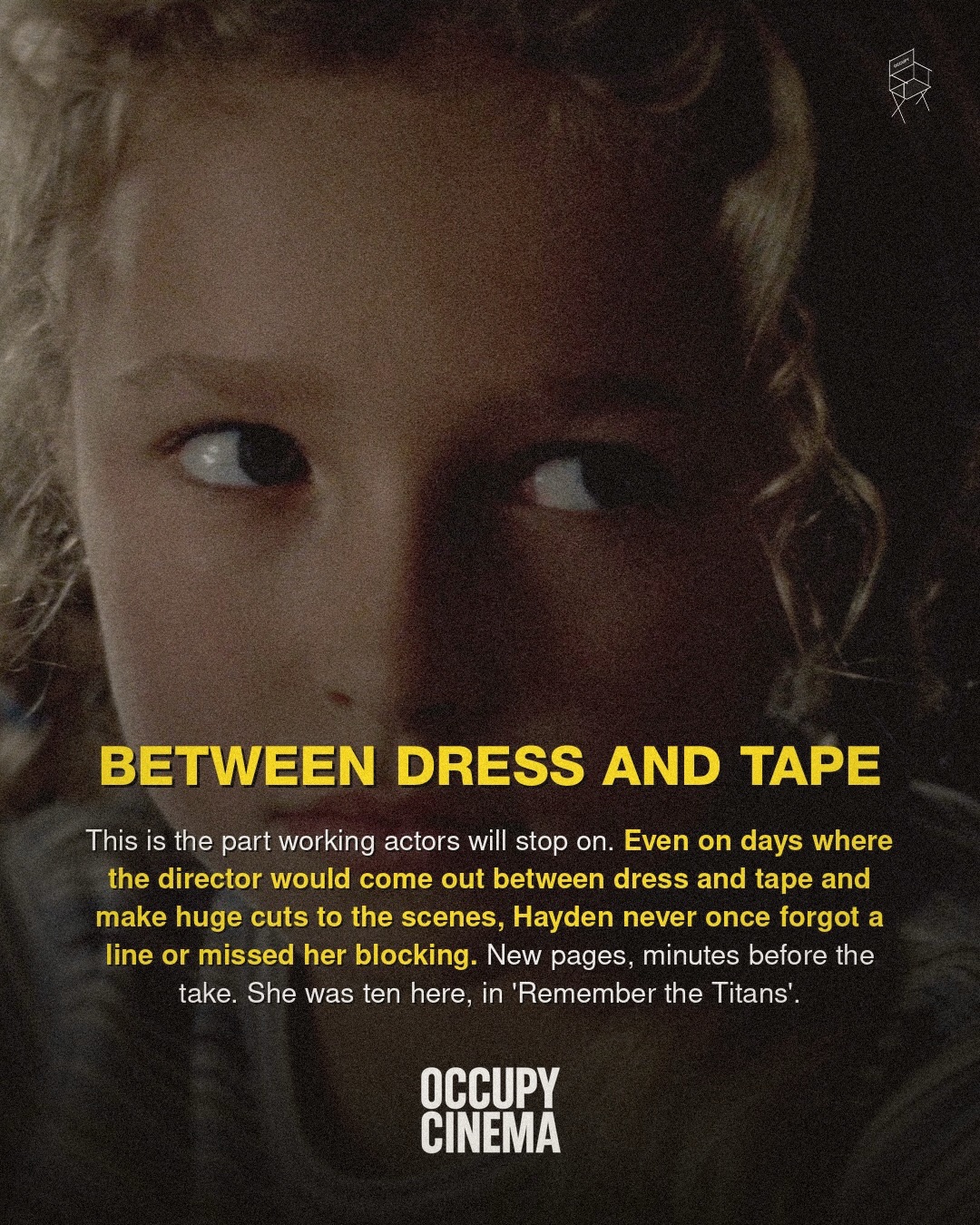
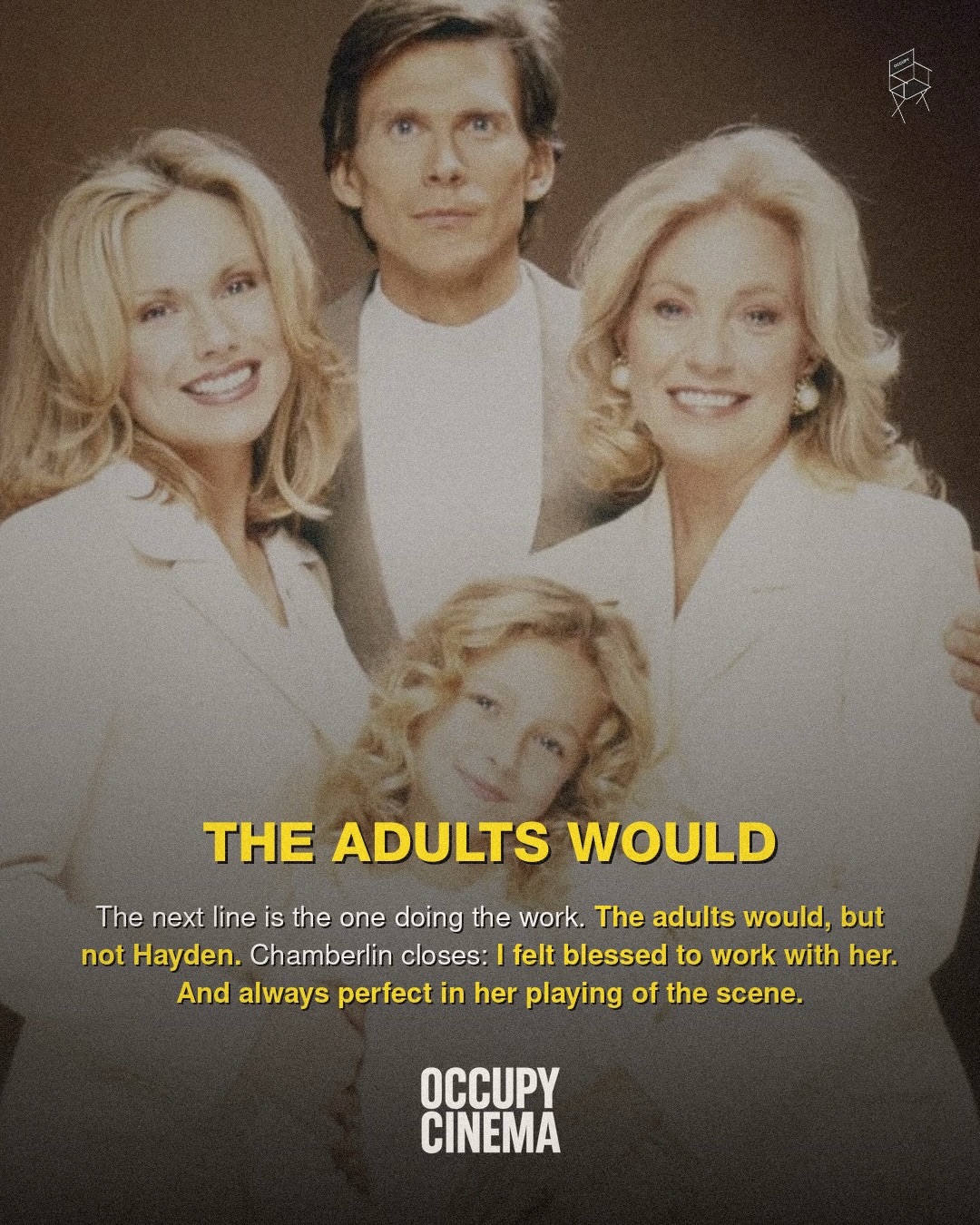
Panettiere joined the Procter & Gamble production in 1996, stepping into the role of Lizzie Spaulding at just seven years old. Over a four-year run that included an acclaimed pediatric leukemia storyline, the young actor delivered a masterclass in professional discipline. According to Chamberlin, who played her television mother Beth Raines, Panettiere routinely absorbed twenty or more pages of dialogue a day without dropping a syllable. While adult cast members frequently stumbled over eleventh-hour script rewrites handed down between dress rehearsal and tape, Panettiere executed complex blocking and rapid-fire dialogue resets with surgical precision.
The Multi-Camera Pressure Cooker
The technical discipline required on a multi-camera videotape stage is notoriously rigid. Actors must hit exact marks for three or four pedestal cameras simultaneously, catching key lights and microphone booms while maintaining emotional continuity in single-take setups. As covered across television retrospectives at The Hollywood Reporter, daytime dramas operated on razor-thin shooting ratios. If an actor blew a take in the final act, the production lost precious studio time that could push an entire crew into costly overtime penalties.
Panettiere was not an anomaly by accident; she was the product of a systematic, high-volume production environment. Before Guiding Light, she logged dozens of episodes on ABC's One Life to Live. By the time director Boaz Yakin cast her opposite Denzel Washington in the 2000 Disney box-office hit Remember the Titans, she brought the instincts of a seasoned industry veteran to a standard single-camera feature workflow. Her subsequent transitions to primetime cornerstones like NBC's Heroes and ABC's Nashville were anchored in that foundational speed.
A Lost Pipeline for Screen Craft
Today, the infrastructure that produced Panettiere has largely vanished. The consolidation of network lineups and the migration of audience attention to streaming platforms decimated the daytime soap landscape. Where networks once ran a dozen concurrent daily dramas across three channels, only a handful remain on linear broadcast schedules, as chronicled by industry reporting at Deadline. With their decline, the industry lost its most rigorous developmental league for raw talent.
Modern child performers typically enter the ecosystem through streaming series or social media fame, where fragmented shooting schedules and post-production digital safety nets often shield them from real-time stage discipline. The rigorous, memorization-heavy multi-camera setup rewarded focus, situational awareness, and total spatial command. Chamberlin's tribute is more than sentimental praise for a former co-star; it is a reminder of an era when child actors were expected to function as elite technical craftspeople on live-to-tape soundstages, outworking the adults around them page for page.

Related reading: Canon EOS R5 C.