Occupy Cinema › FEATURED
Andrew Scott Tackles a Tragic Legend: The Story Behind 'Elsinore'
A new film from Focus Features, premiering at Telluride, brings the harrowing final chapter of actor Ian Charleson's life to the screen. Andrew Scott leads a star-studded cast.
By Occupy Cinema ·
The Enduring Legacy of Ian Charleson
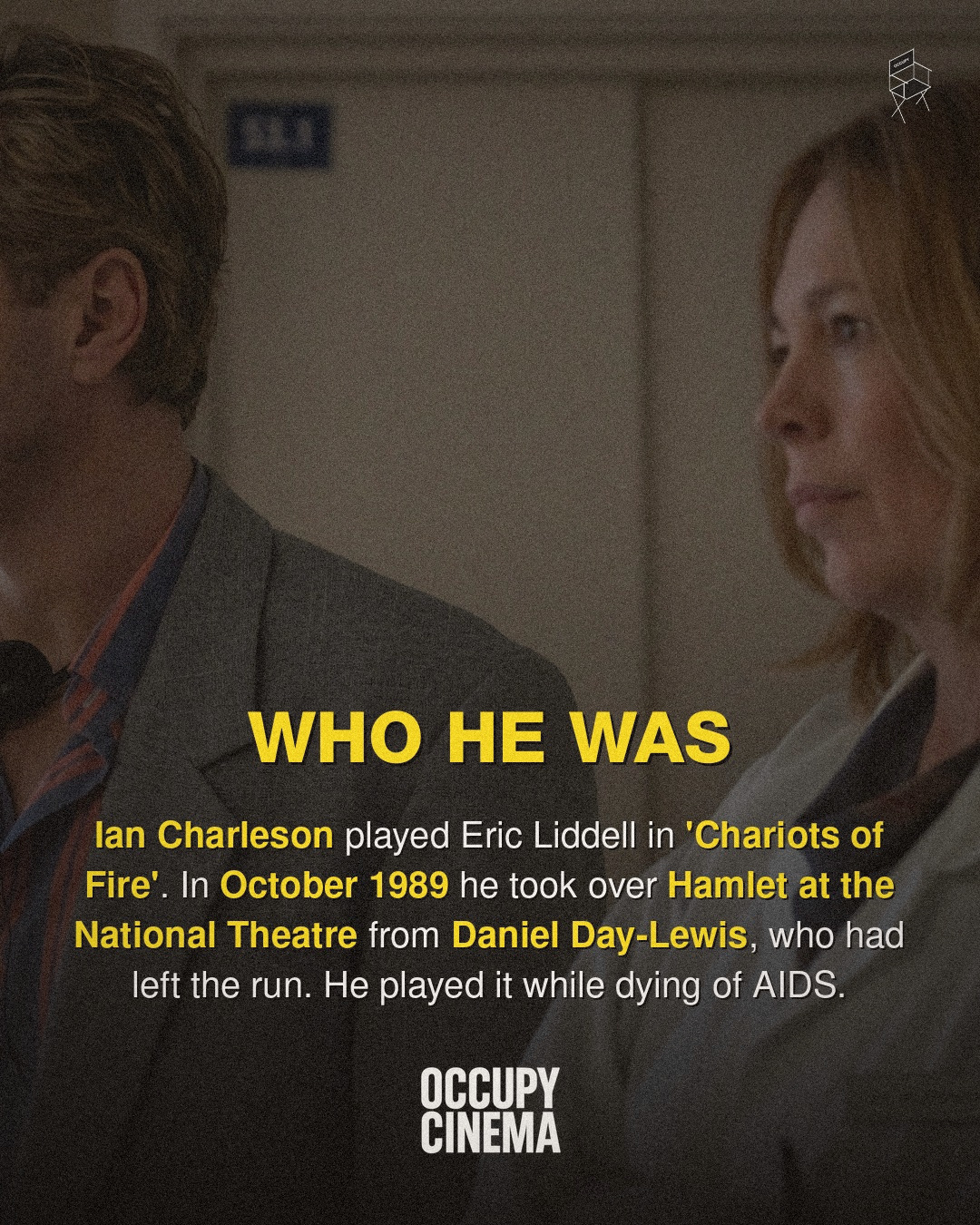
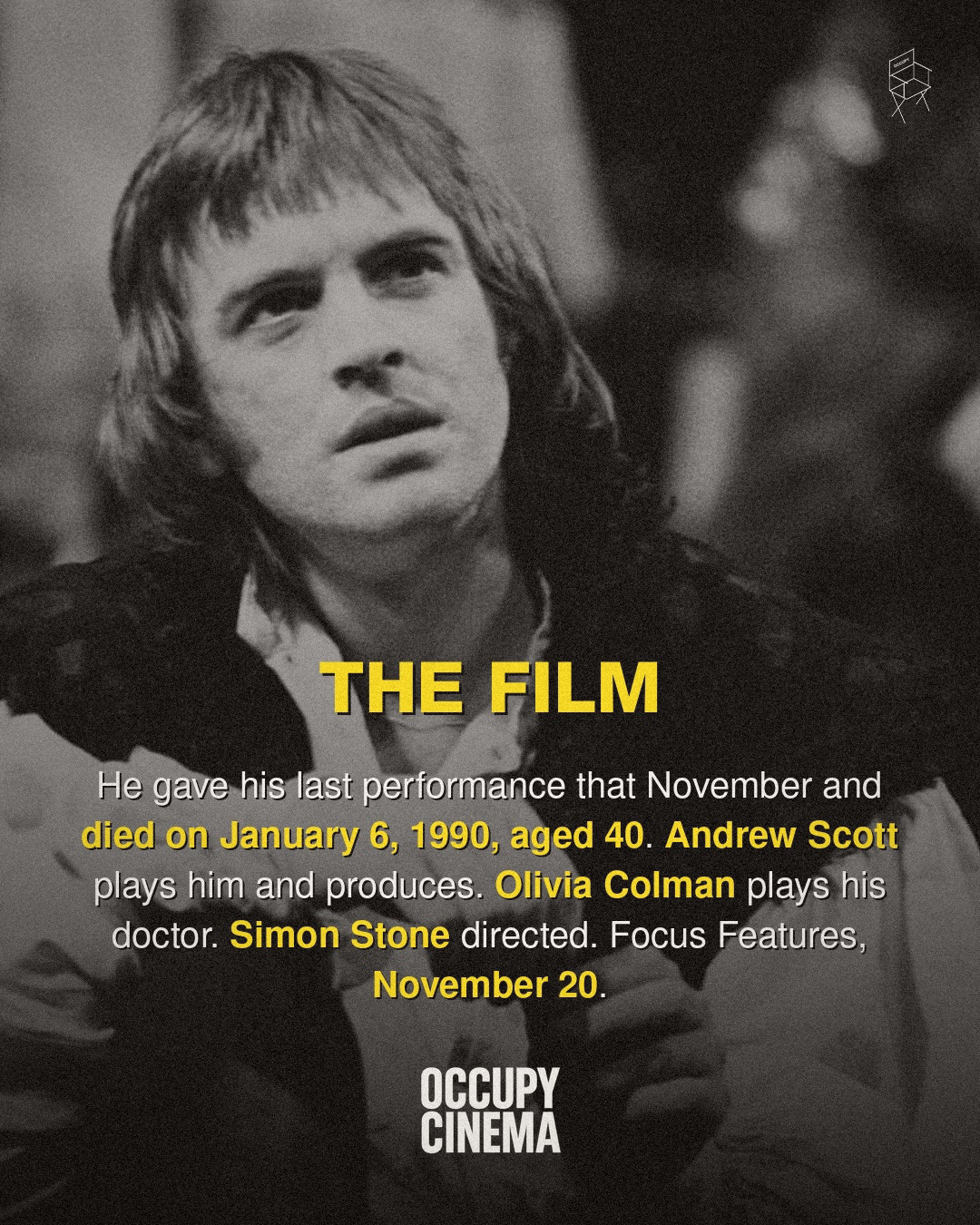
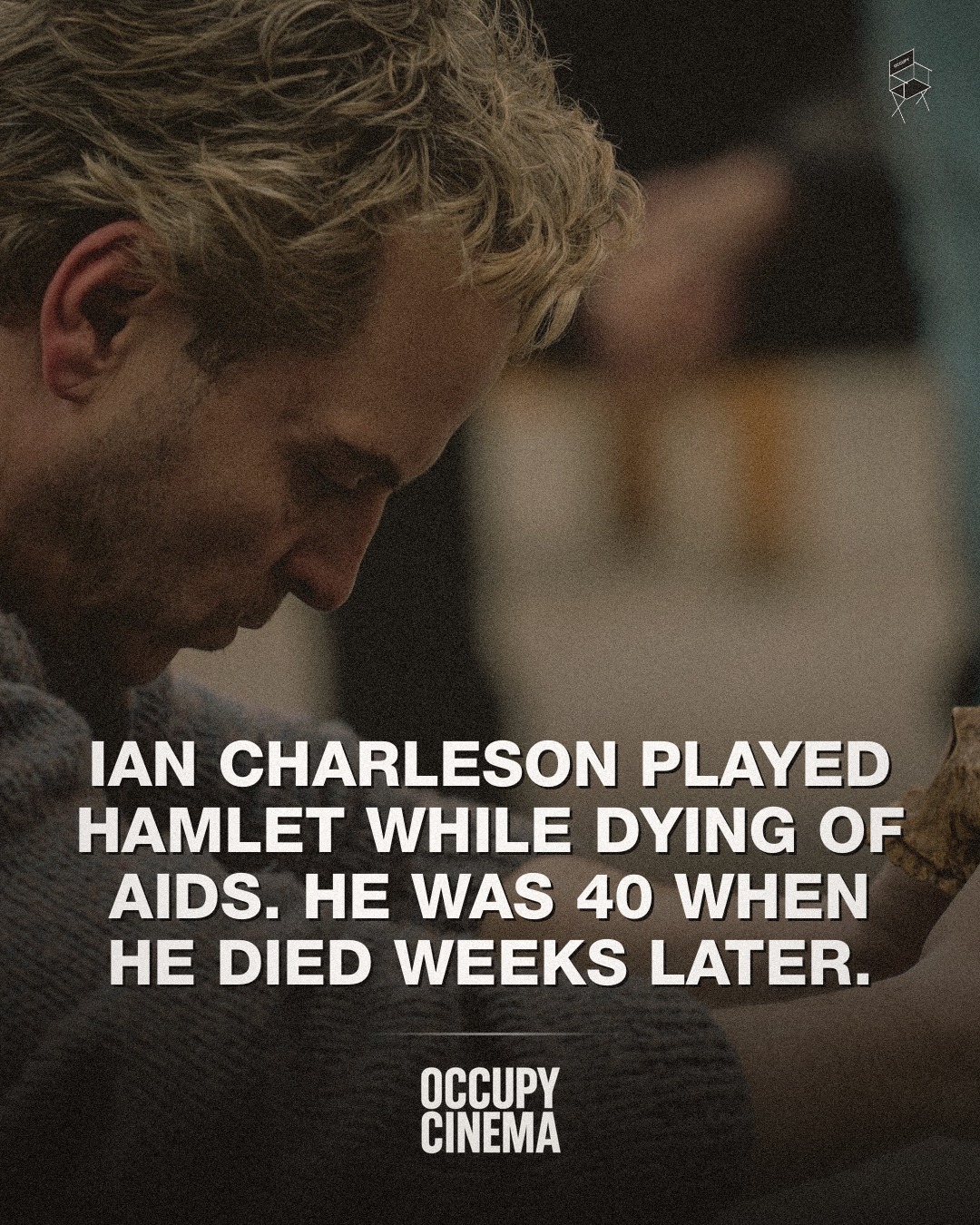
Focus Features is set to release Elsinore on November 20, a dramatic exploration of the final, poignant performances of actor Ian Charleson. The film, which garnered significant attention at its Telluride premiere, centers on Charleson's courageous turn as Hamlet at the National Theatre in late 1989. This role, taken over from Daniel Day-Lewis, marked a tragically defiant farewell for the acclaimed star of Chariots of Fire, who continued to perform while battling AIDS. Charleson gave his final performance in November 1989 and died a mere two months later, on January 6, 1990, at the age of 40. His story is one of profound artistic commitment in the face of terminal illness, a narrative ripe for cinematic interpretation.
Andrew Scott takes on the challenging lead role of Ian Charleson, a performance that is already generating awards buzz. Scott also serves as a producer on the project, signaling a deep personal investment in bringing this story to light. The supporting cast is equally formidable, featuring Olivia Colman as Charleson's doctor, Johnny Flynn portraying director Richard Eyre, and David Dawson as the iconic filmmaker Derek Jarman, who himself would succumb to AIDS years later. This ensemble promises a powerful portrayal of a specific, emotionally charged moment in theater and medical history. The film's pedigree, with Simon Stone directing from Stephen Beresford's script, suggests a nuanced and respectful approach to such sensitive subject matter.
Charleson's initial rise to prominence came with his role as Eric Liddell in Hugh Hudson's 1981 Oscar-winning film, Chariots of Fire. That performance, alongside his extensive stage work, cemented his reputation as a formidable talent. His decision to continue with Hamlet, a physically and emotionally demanding role, while gravely ill, became an act of artistic defiance that resonated deeply within the theater community and beyond. The public was largely unaware of his condition at the time, making his resilience all the more extraordinary. This period in theatrical history, marked by the AIDS epidemic's devastating impact on the arts, provides a somber yet compelling backdrop for Elsinore.
Industry Buzz and Theatrical Impact
The acquisition of Elsinore by Focus Features, a division of NBCUniversal, indicates confidence in its awards potential and critical reception. Focus has a strong track record with prestige dramas, often shepherding them through the awards season. Its distribution strategy, including a festival launch at Telluride, aligns with a typical path for films aiming for critical acclaim and audience engagement in the specialized market. While specific box office projections are still speculative ahead of its wide release, the film's subject matter and cast suggest it will attract an adult, discerning audience. The initial buzz from Telluride positions Elsinore as a serious contender in the upcoming awards race, particularly for acting categories.
The film's exploration of Charleson's Hamlet run also shines a light on the broader impact of AIDS on the entertainment industry. The epidemic claimed countless artists, directors, writers, and performers, leaving an indelible mark on cinema, theater, and music. By focusing on one individual's struggle and his refusal to yield to the disease's physical toll, Elsinore serves as a powerful reminder of both personal resilience and collective loss. Charleson's legacy, particularly his quiet bravery, has long been a source of inspiration, and this film seeks to honor that.
Simon Stone, known for his incisive adaptations and theatrical background, brings a unique sensibility to the project. His directorial vision, coupled with Stephen Beresford's screenplay, promises a narrative that is both intimate and epic in its scope. The script is expected to delve into the psychological and physical toll of Charleson's illness, alongside the artistic demands of playing one of Shakespeare's most iconic characters. The choice of Elsinore as the film's title, referencing the castle where Hamlet's tragedy unfolds, further underscores the dramatic weight and existential themes at play.
Elsinore is more than just a biopic; it is a testament to the power of performance, the human spirit's capacity for endurance, and the enduring shadow of a public health crisis that reshaped a generation of artists. Its release comes at a time when conversations around health, vulnerability, and the demands of creative work continue to resonate. The film provides a crucial lens through which to remember Ian Charleson's extraordinary talent and unwavering dedication, ensuring his final act of defiance receives the recognition it profoundly deserves.