Occupy Cinema › Business
Edge Work and Economics: Inside the Making of Disney's 'Ice Princess'
Twenty years after its March 2005 release, the $25 million figure skating drama remains a textbook study in mid-budget studio ambition and punishing athletic prep.
By Occupy Cinema ·
When Walt Disney Pictures released Ice Princess on March 18, 2005, the studio was operating at the tail end of an era defined by mid-budget live-action sports films. Greenlit for an estimated $25 million, the feature arrived at a moment when youth-driven theatrical features could still justify real physical set construction, multi-camera arena setups, and months of specialized athlete training. Directed by Tim Fywell, the production set out to capture competitive figure skating not through soft-focus visual effects, but through rigorous practical execution on ice.
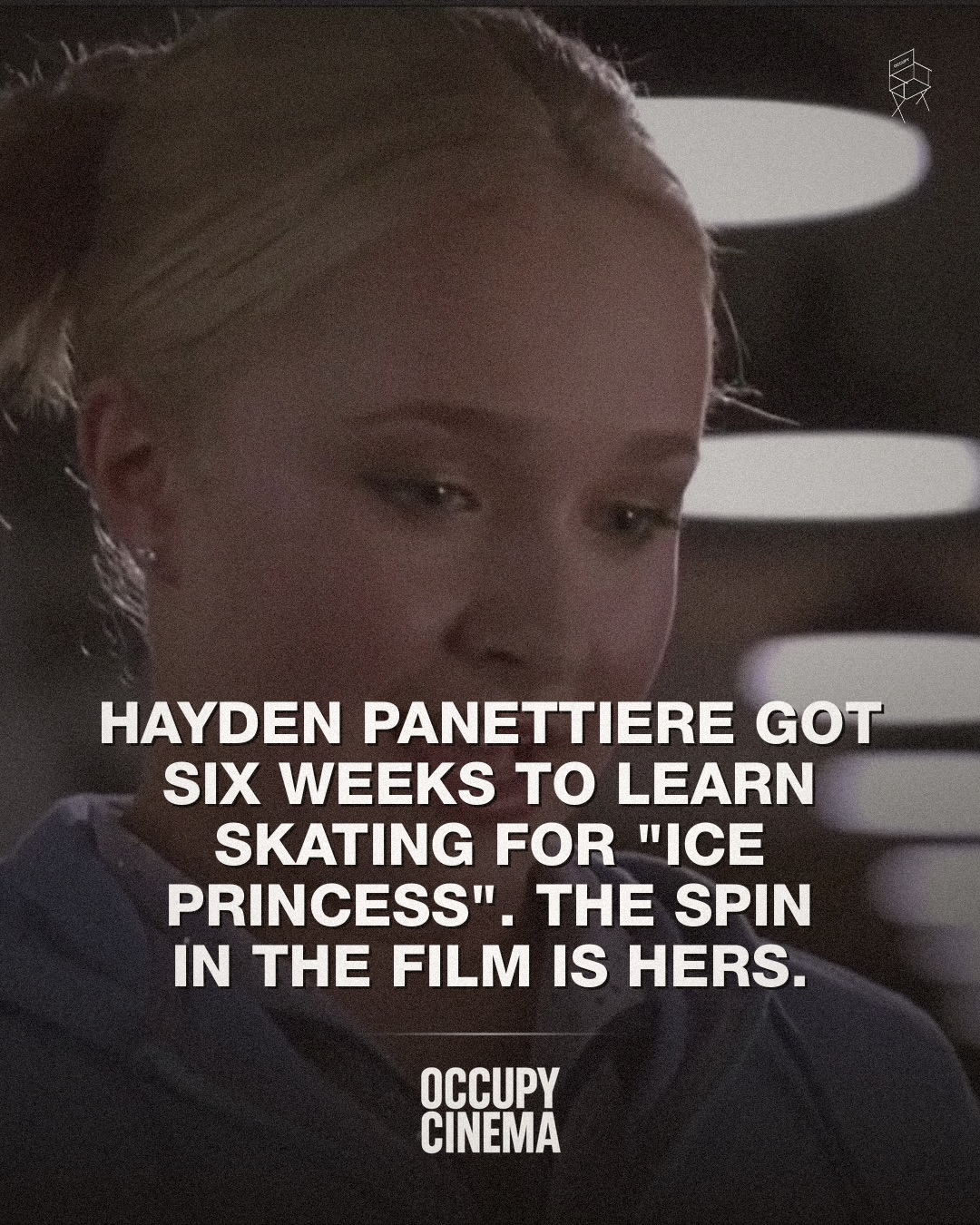
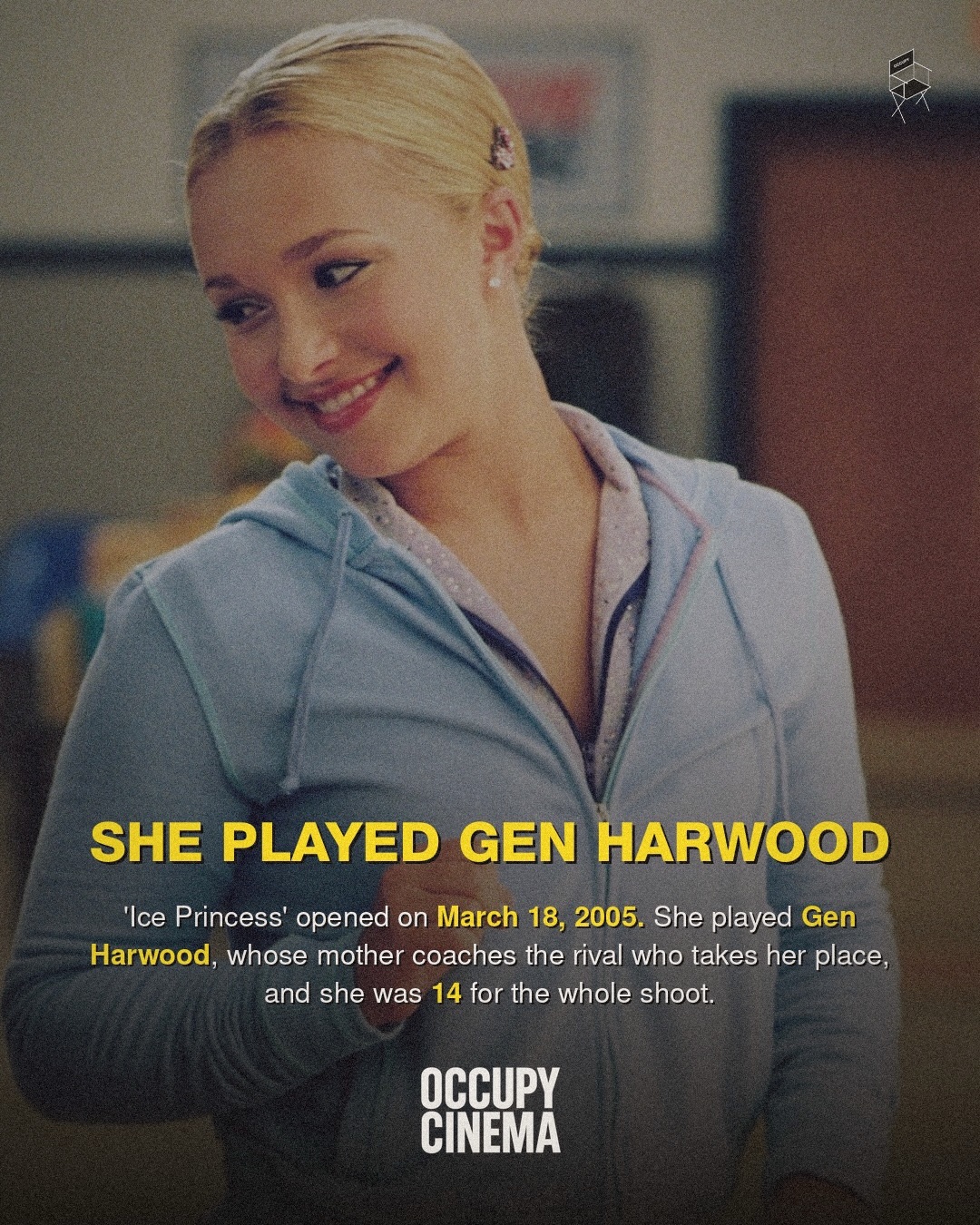
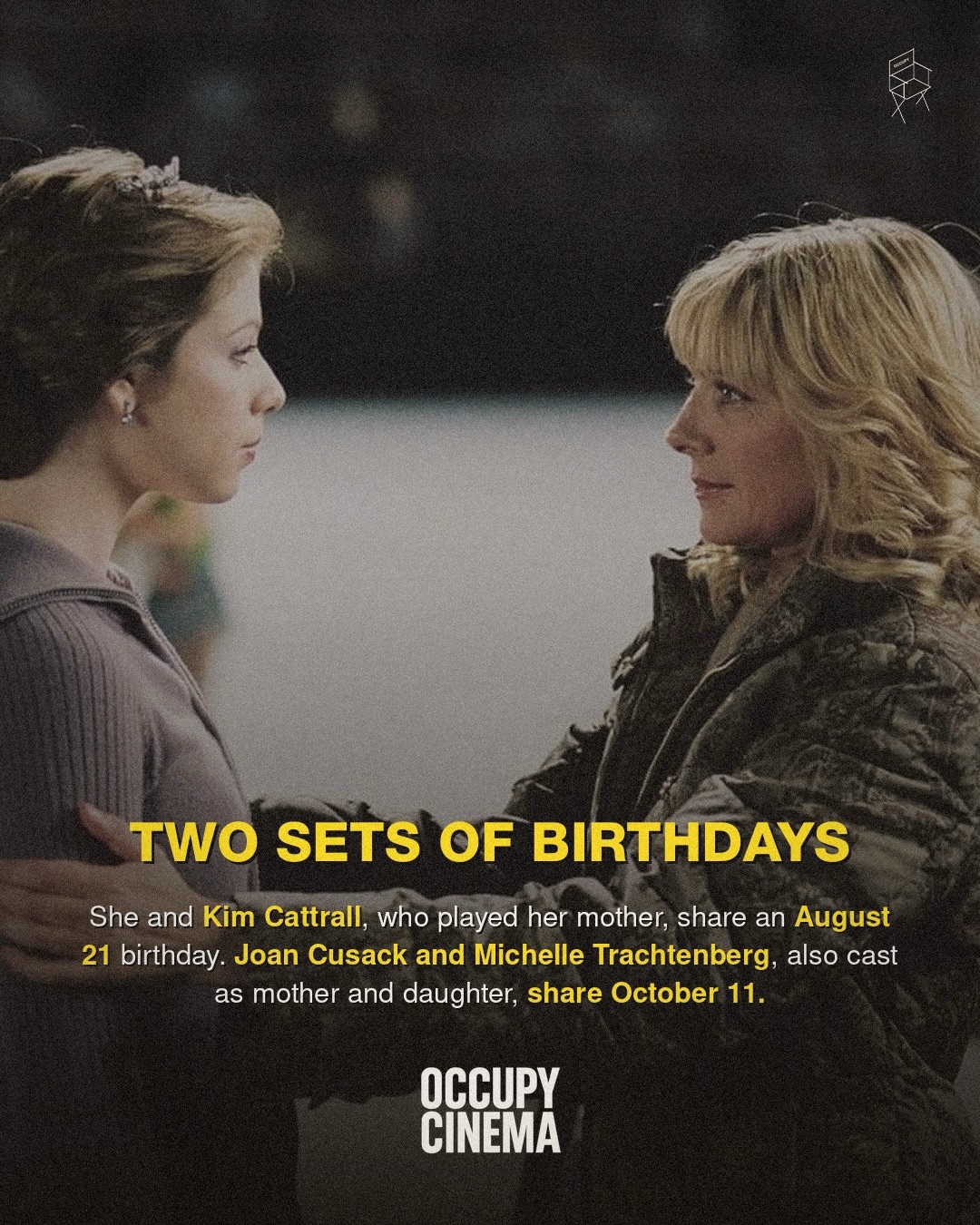
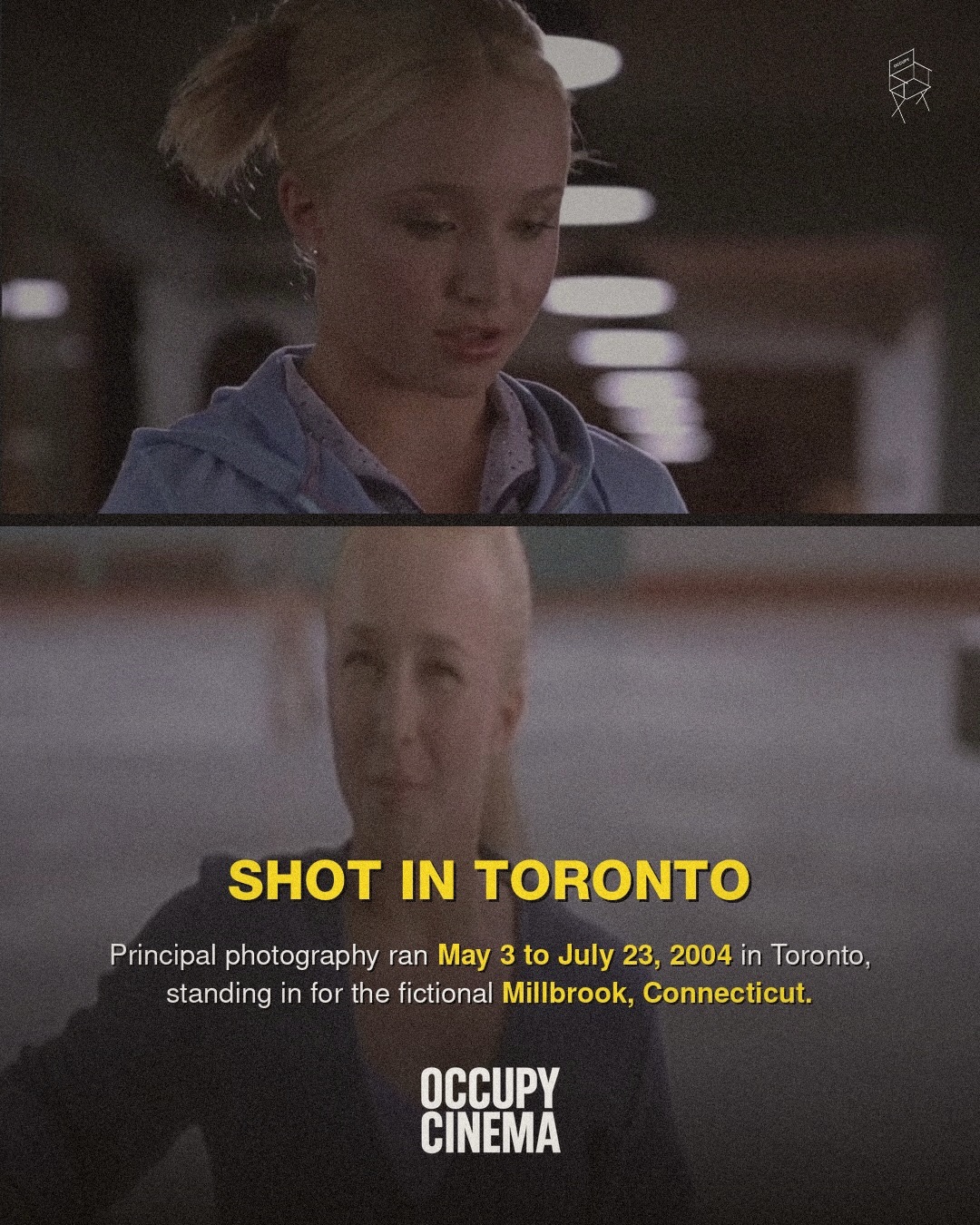
Shooting in Toronto, the production faced the immediate technical reality of sports cinema: skating choreography cannot be faked easily on 35mm film. While lead Michelle Trachtenberg anchored the narrative arc of academic physics turned athletic discipline, co-star Hayden Panettiere, then just 14 years old, stepped into the role of competitive prodigy Gen Harwood. Panettiere entered production with roughly six weeks of accelerated skating lessons, starting from square one before mastering enough technical control to handle on-camera spins and footwork sequences.
Rotational Physics and Stunt Calibration
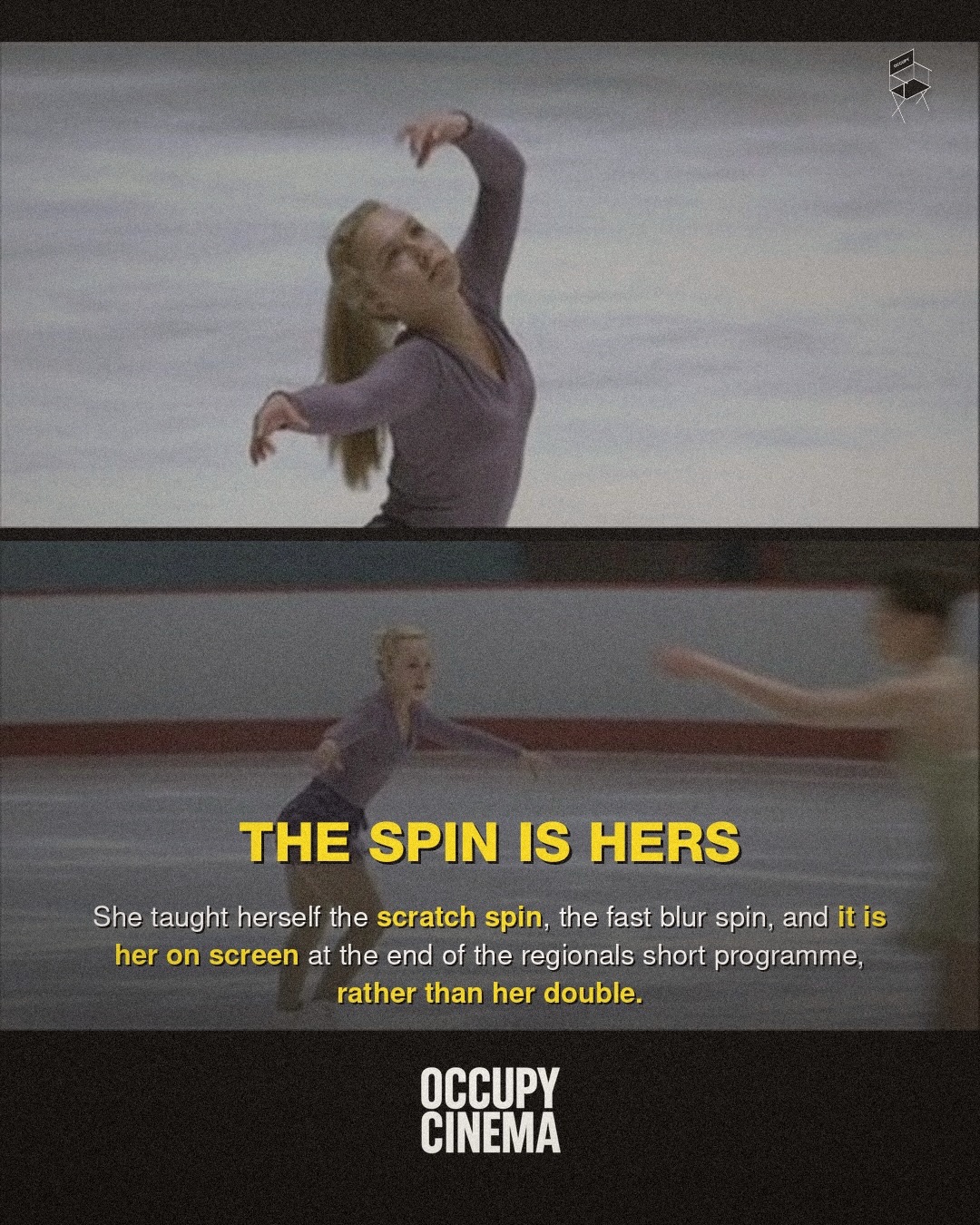
The craft challenges on the ice required seamless coordination between the actors, choreographers, and seasoned skating doubles. For Panettiere, mastering basic posture and edge work was only the first hurdle. When it came time to stage her character's competitive routines, the production encountered an unexpected technical mismatch: Panettiere naturally spun to the right, whereas her assigned professional stunt double executed triple jumps spinning to the left. Rather than overhauling camera setups or relying on digital trickery, Panettiere underwent intensive retraining to reverse her rotational habits, mirroring her double's biomechanics so editor Howard E. Smith could cut seamlessly between close-ups and wide aerial jumps.
Fywell and cinematographer David Hennings approached the ice rinks with specialized tracking rigs, gliding alongside the skaters to capture authentic blade-to-ice friction. The resulting coverage gave the routine sequences a grounded weight. In the regional short program sequence, Panettiere performed her own scratch spin on camera, providing a rare stretch of un-doubled choreography that sold the athletic legitimacy of the drama according to reports tracked by The Hollywood Reporter.
The Vanishing Economics of Mid-Tier Studio Drama
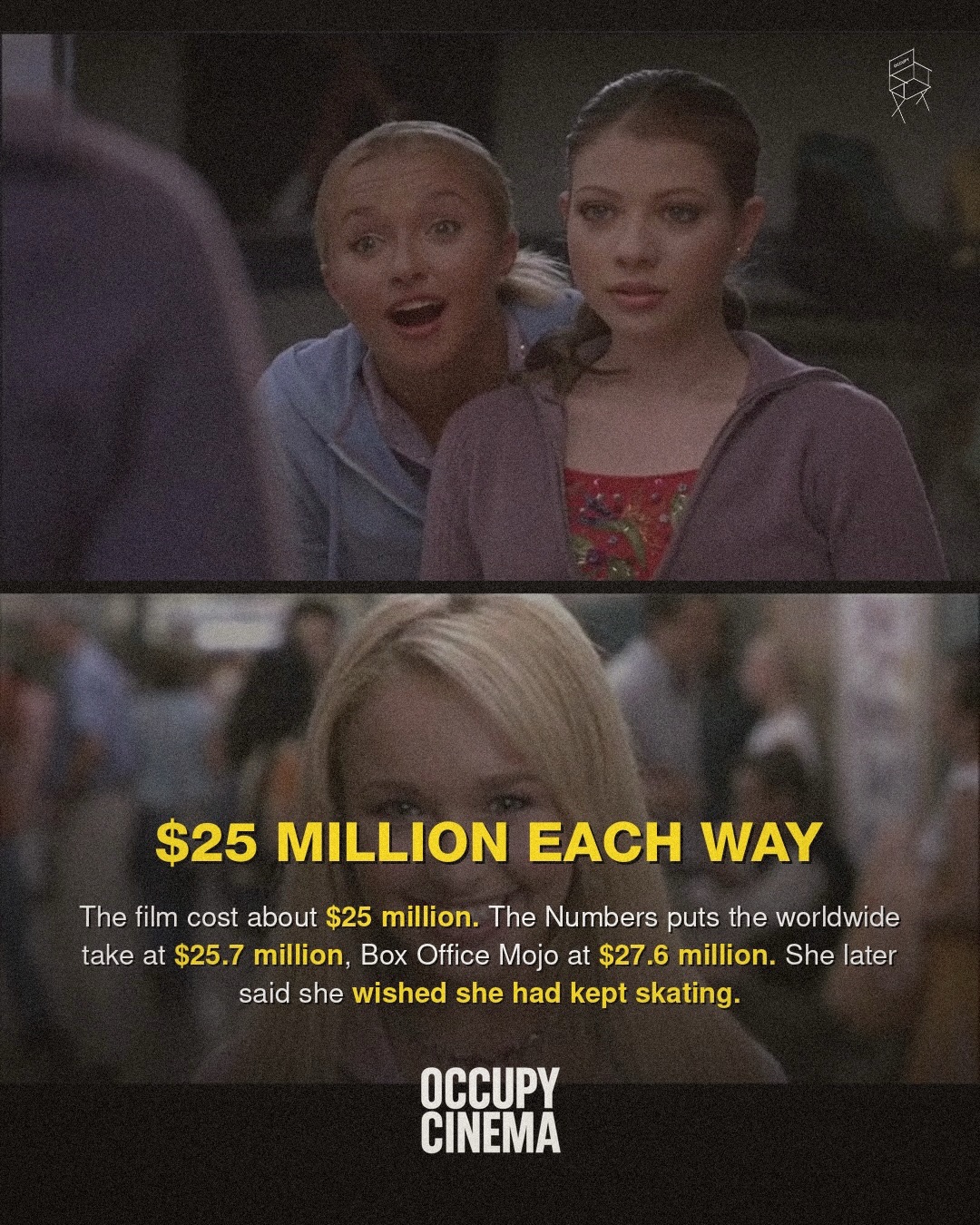
At the box office, Ice Princess opened in fourth place with $8.8 million across 2,501 theaters, eventually grossing $24.4 million domestically and $27.7 million worldwide. In 2005, theatrical returns were only part of the monetization model; robust physical DVD sales, international television licensing, and recurring broadcasts on Disney Channel turned the title into a dependable library asset for the studio. Today, that entire financial tier has largely migrated to direct-to-streaming platforms, making theatrical releases of its scale an anomaly.
The legacy of Ice Princess sits in its commitment to practical screen craft under studio pressure. In an industry that increasingly replaces athletic discipline with digital doubles and LED stages, the grueling six-week Toronto training camps and mirror-reversed spin drills highlight what physical filmmaking used to demand from young talent.



Related reading: CHANNEL PLUS 2532 2-Way Splitter/Combiner CHANNEL PLUS 2532.