Occupy Cinema › Exhibition
IMAX Announces Landmark Star Wars 70mm Run, New Film Details Emerge
Disney and IMAX confirm a theatrical first: the original Star Wars in 70mm IMAX. This precedes a new film shot on IMAX film cameras.
By Occupy Cinema ·
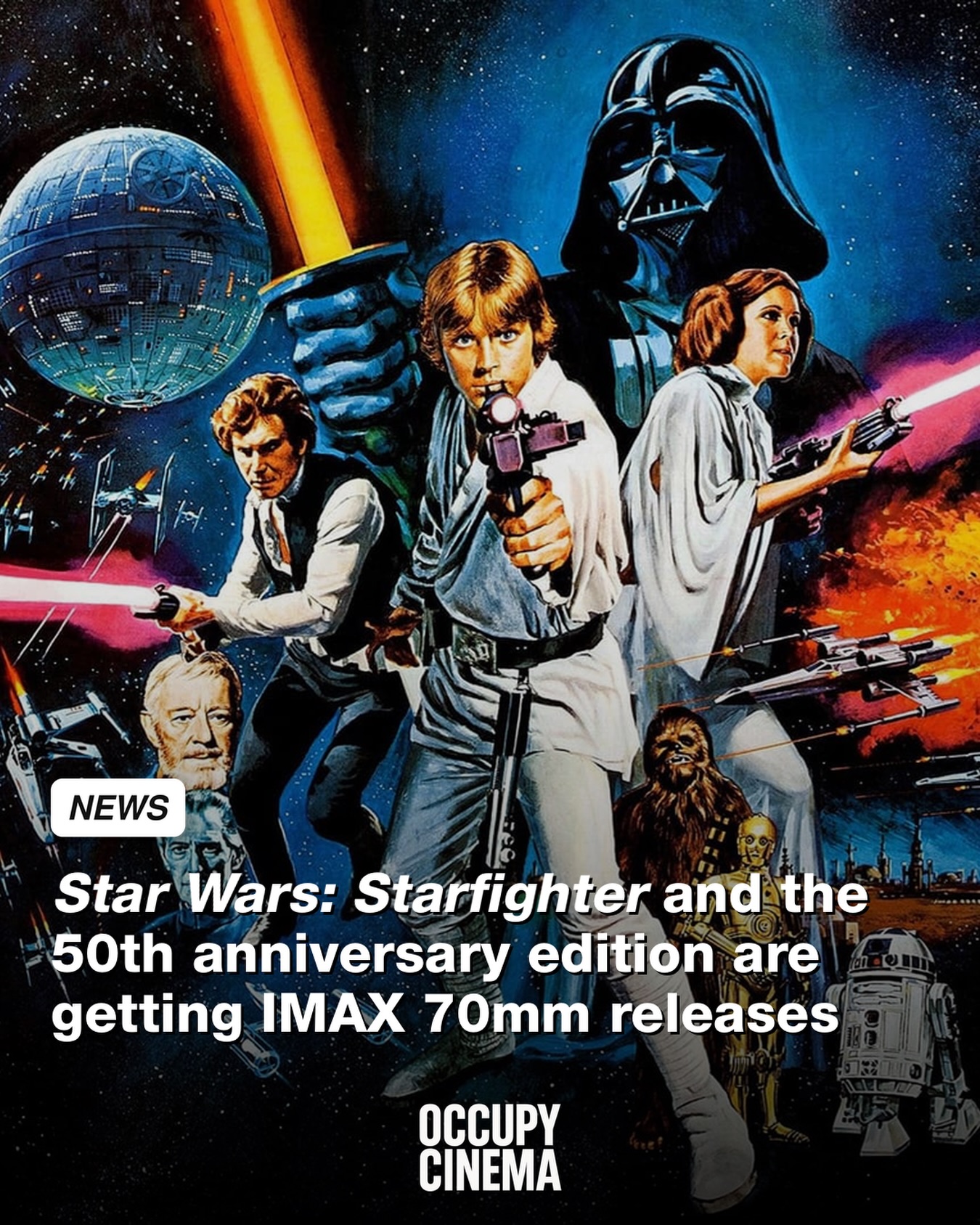
A seismic shift in cinematic exhibition is on the horizon. IMAX has officially announced a landmark 70mm presentation of Star Wars: A New Hope, marking the film's first theatrical run since 1997 and its debut in any IMAX format. This move, set for February 19, 2027, positions the foundational sci-fi epic for an unprecedented big-screen experience, leveraging the premium large format's unique capabilities for a film that has long been a touchstone for generations. The announcement simultaneously confirms new details for the upcoming franchise entry, Star Wars: Starfighter, which is slated for release just months later.
This 70mm IMAX engagement for A New Hope is more than a mere re-release, it is a restoration and a re-contextualization. The original 1977 film was shot on 35mm film, meaning this 70mm print will be a blow-up from a meticulously restored source, promising unparalleled clarity and depth on the massive IMAX screen. For many, it will be the first opportunity to see the film in a truly grand theatrical setting, an experience long denied by its limited availability and the subsequent digital-first strategies of its rights holders. It also signals a continued, albeit niche, commitment to analog film presentation by IMAX, an organization largely synonymous with digital projection in recent decades.
The Business of Nostalgia and New Frontiers
The timing is strategic. The 2027 release of A New Hope precedes Star Wars: Starfighter by just over three months. This curated double-event serves multiple purposes for Disney and Lucasfilm. It builds anticipation for the new installment by re-engaging the core fanbase with the franchise's origins, and it potentially introduces the original film to a new generation of viewers on the best possible screen. The nostalgia play is potent, but the commitment to 70mm IMAX for the original film is also a significant investment in the perceived quality and prestige of the franchise. Only a select number of venues worldwide, approximately 41, possess the capability to project IMAX 70mm film, making this a truly exclusive event for cinephiles.
Details for Star Wars: Starfighter are also solidifying. The film is directed by Shawn Levy, a filmmaker with a track record of commercial success across various genres, from family fare to action-comedies. Levy shot the picture using IMAX-certified film cameras, a clear indication of the studio's intent to deliver a premium theatrical experience from the ground up. This commitment to film capture aligns with a growing trend among blockbuster directors who champion the format for its distinct aesthetic and resolution. Ryan Gosling is attached to star as Kade Auberon, adding significant star power to the new narrative. His involvement suggests a character that could resonate widely, following his recent high-profile turns in other major releases.
The original 1977 film was shot on 35mm film, meaning this 70mm print will be a blow-up from a meticulously restored source, promising unparalleled clarity and depth on the massive IMAX screen.
The Premium Format Push
The dual announcement highlights a significant industry trend: the continued differentiation of the theatrical experience through premium formats. As streaming services dominate home viewing, studios and exhibitors are increasingly investing in technologies that cannot be replicated at home. IMAX 70mm stands at the pinnacle of this strategy, offering an image quality and immersion that remains unmatched. The decision to present A New Hope this way, rather than a standard digital presentation, speaks to the perceived value of film as a medium and the power of its legacy. It is a calculated move to draw audiences back to cinemas for an event that transcends a simple movie screening.
For Lucasfilm, this strategy is about more than just box office receipts for a single release. It is about revitalizing the theatrical identity of the Star Wars brand, which has seen its cinematic output become less frequent and more scrutinized in recent years. By anchoring future releases with a tribute to its past in the most prestigious format available, Disney is attempting to recalibrate expectations and re-establish the franchise as a must-see big-screen event. The simultaneous announcements serve as a powerful statement to both long-time fans and new audiences: Star Wars is, and will remain, a cinematic spectacle. For more details on IMAX's strategy, industry watchers can refer to The Hollywood Reporter's coverage of their recent earnings and initiatives. Further insights into the broader context of film preservation and exhibition can be found on sites like Sight and Sound Online.
This dual announcement is a clear signal that the future of blockbuster cinema, particularly for legacy franchises, will heavily lean on premium formats and curated event screenings. The revival of A New Hope in 70mm IMAX and the commitment to film capture for Starfighter are not just about spectacle, they are about cementing Star Wars' place as an enduring cinematic phenomenon in an increasingly fragmented entertainment landscape. The industry is watching to see if this strategy can reignite the theatrical magic for one of the biggest stories ever told. For ongoing developments in film production and technology, Deadline Hollywood offers consistent updates.
Related reading: The Parade's Gone By.. (Kevin Brownlow).