Occupy Cinema › Business
Marvel's X-Men Reboot and the $400 Million Micro-Budget Reality
Micro-budget sensation Inde Navarrette sets her sights on Marvel's mutant reboot under director Jake Schreier as fan casting hits peak noise.
By Occupy Cinema ·

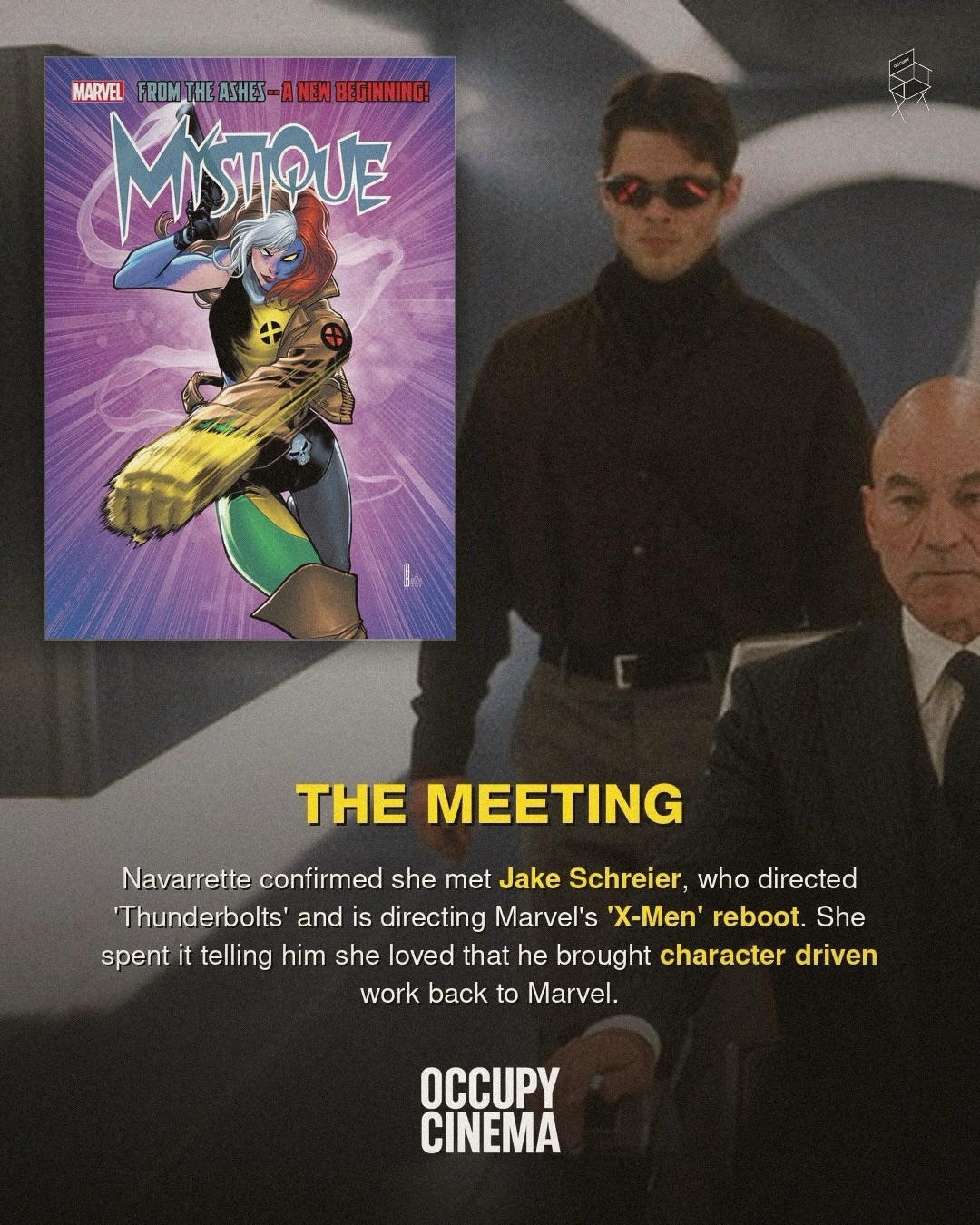
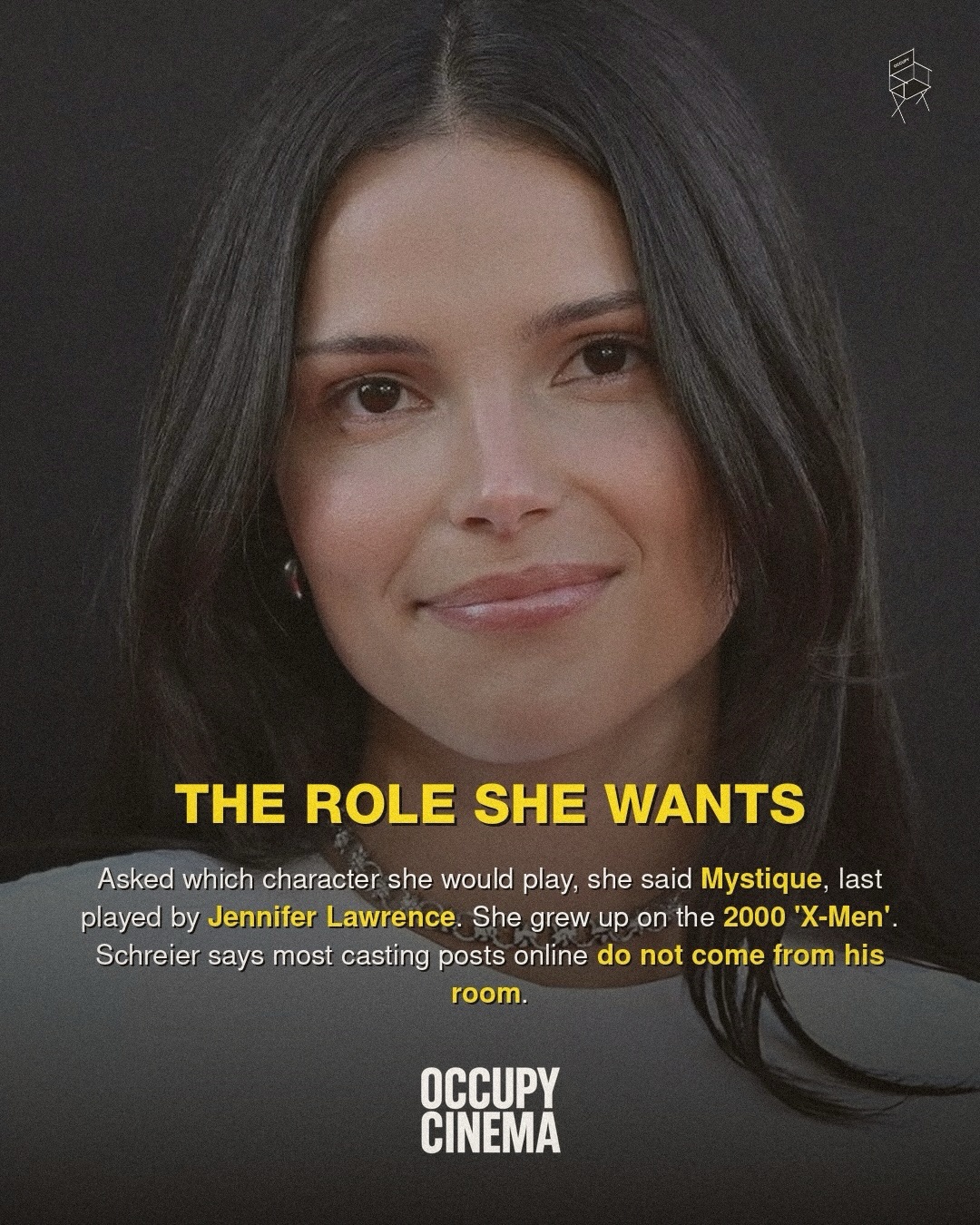
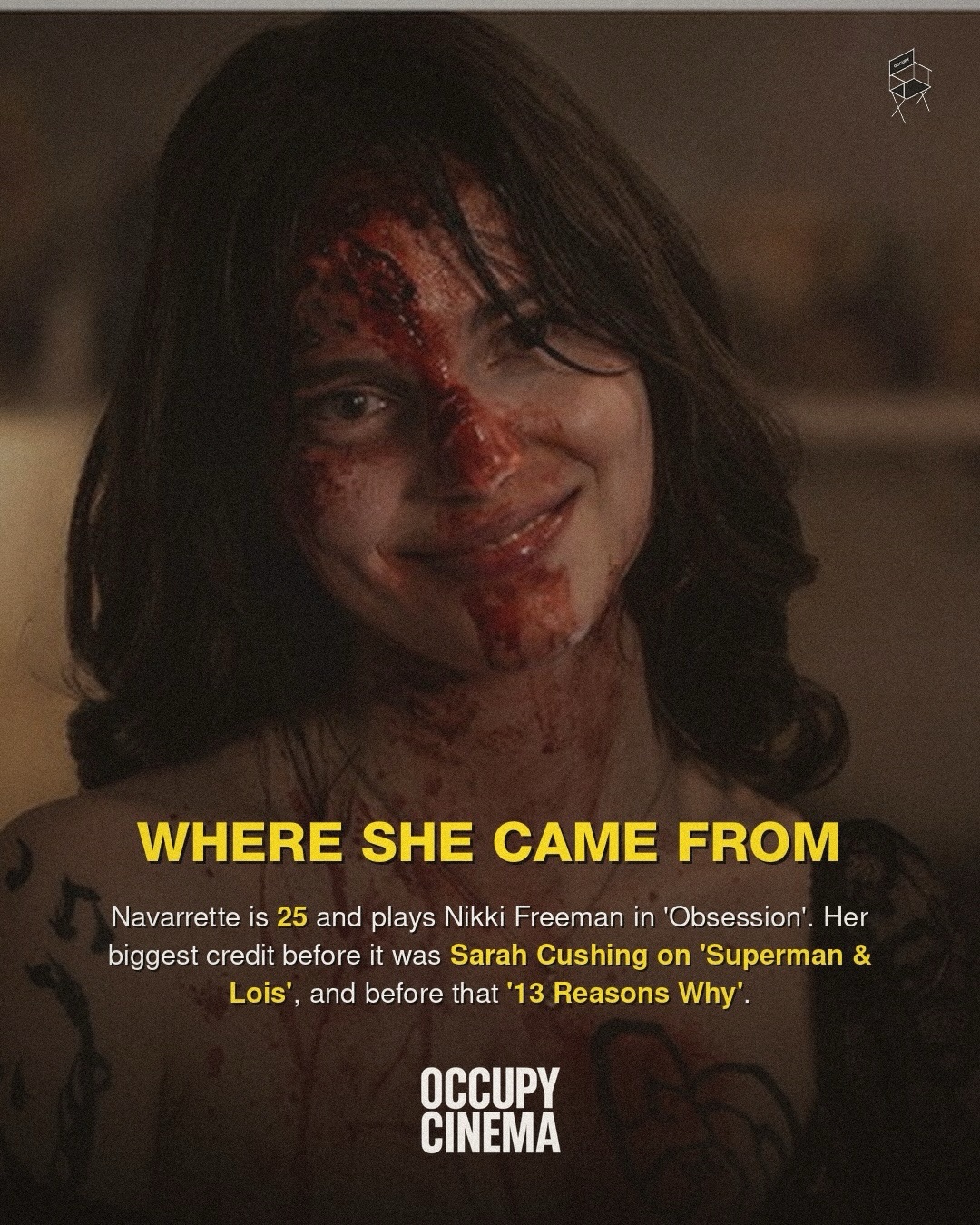
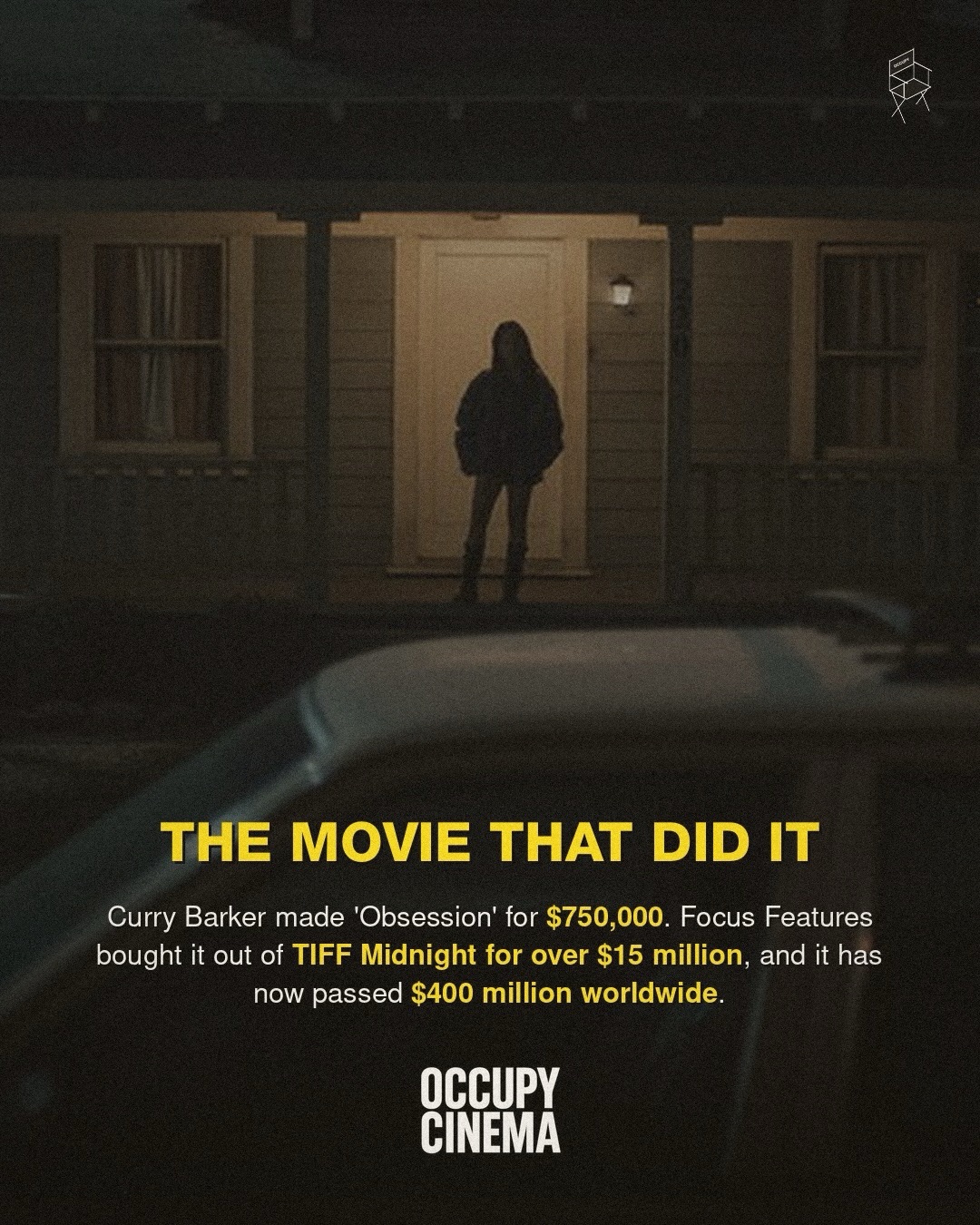
Money changes the conversation in Hollywood instantly. Inde Navarrette led the $750,000 thriller Obsession to a staggering $400 million global theatrical haul, establishing one of the most profitable return-on-investment margins in recent box office history. Now, the 25-year-old actress is targeting the Marvel Cinematic Universe. Fresh off a face-to-face meeting with director Jake Schreier, Navarrette publicly pitched herself for the role of Mystique, the shape-shifting mutant previously portrayed by Rebecca Romijn and Jennifer Lawrence.
The timing is deliberate. Marvel Studios is actively preparing its long-awaited X-Men integration following the acquisition of 21st Century Fox assets. Schreier, who recently wrapped production on Marvel's ensemble anti-hero picture Thunderbolts*, was handed the keys to the mutant franchise to spearhead a fresh narrative timeline for Phase Six and beyond. Navarrette, whose television breakout came as Sarah Cushing on The CW's Superman & Lois, grew up studying Bryan Singer's 2000 original X-Men film. For an actress who moved from regional television to a massive indie theatrical hit, jumping into Disney's flagship franchise is the logical career pivot.
The Fan-Casting Machine Versus Studio Reality
Internet fan-casting has become a noisy secondary market in modern Hollywood development. Social media campaigns regularly manufacture viral momentum for actors targeting superhero roles long before formal screen tests occur. Schreier recently addressed the speculation machine directly, noting according to coverage in Variety that online rumors rarely reflect the actual conversations occurring inside the executive casting room. The disconnect between viral fan chatter and actual contract offers remains wide, even as performers utilize press junkets to state their creative ambitions openly.
Physical transformations and practical makeup workflows defined Mystique in previous film iterations. Romijn spent up to nine hours in full-body prosthetics for the 2000s trilogy, while Lawrence navigated grueling paint sessions across four films before transitioning to partial suits. If Marvel Studios revisits the blue-skinned mercenary, visual effects workflows will likely combine digital augmentations with performance capture technology. The technical demands of major franchise roles contrast sharply with low-budget production methods, where tight schedules, single-camera setups, and minimal coverage dictate the shooting rhythm.
The Economics of Micro-Budget Breakouts
Navarrette's positioning highlights a tactical shift in talent tracking across legacy studios. High-margin indie breakouts like Obsession give emerging performers immediate leverage in general meetings with executive producers and casting directors. As detailed by industry trades including Deadline, major distributors are increasingly mining low-budget commercial hits for prospective franchise leads rather than relying solely on traditional network television pipelines or established talent agencies.
Marvel Studios faces a critical creative juncture with its mutant properties. Balancing legacy nostalgia for the Fox era with an original aesthetic requires precise casting choices. Navarrette represents the exact demographic profile studio executives prioritize: proven box office upside, strong digital engagement, and deep familiarity with early superhero cinema. Whether Schreier's casting room turns this meeting into an official screen test remains unconfirmed, but the economic realities of modern theatrical exhibition ensure her name stays on high-priority call sheets.

Related reading: Respect for Acting.