Occupy Cinema › Craft
A Year of Obsession: Indie Horror's TIFF Triumph and Beyond
A year after its Toronto International Film Festival premiere and subsequent sale to Focus Features, Curry Barker's indie horror feature 'Obsession' continues to resonate, highlighting a successful festival run and the rising careers of its creators.
By Occupy Cinema ·
From Festival Buzz to Theatrical Release
One year ago, the Toronto International Film Festival witnessed the debut of Obsession, an independent horror feature that quickly became a hot commodity. Written, directed, and edited by Curry Barker, the film garnered immediate industry attention, culminating in a swift acquisition by Focus Features directly out of its premiere. This kind of rapid turnaround, from festival screening to distribution deal, underscores the enduring power of major film festivals as vital market catalysts, particularly for genre fare with breakout potential. The film's success at TIFF 2023 positioned it as a notable example of indie filmmaking punching above its weight, translating critical buzz into tangible market value. For Barker, the sale represented a significant validation of his multi-hyphenate approach to filmmaking, a challenging endeavor often undertaken without the safety net of studio financing.
The journey for Obsession did not end with its TIFF sale. The film subsequently secured a theatrical release, a crucial step for any independent production aiming for broader audience engagement and critical recognition. While specific box office numbers for smaller, specialized releases can be elusive, the very act of a theatrical window signals a distributor's confidence in the film's commercial viability and artistic merit. For a horror title, this often means navigating a competitive landscape, vying for screens against larger studio productions. The decision by Focus Features to invest in a theatrical run speaks to their belief in Barker's vision and the film's ability to connect with its target demographic, a testament to the film's initial festival reception.
The Talent Behind the Terror
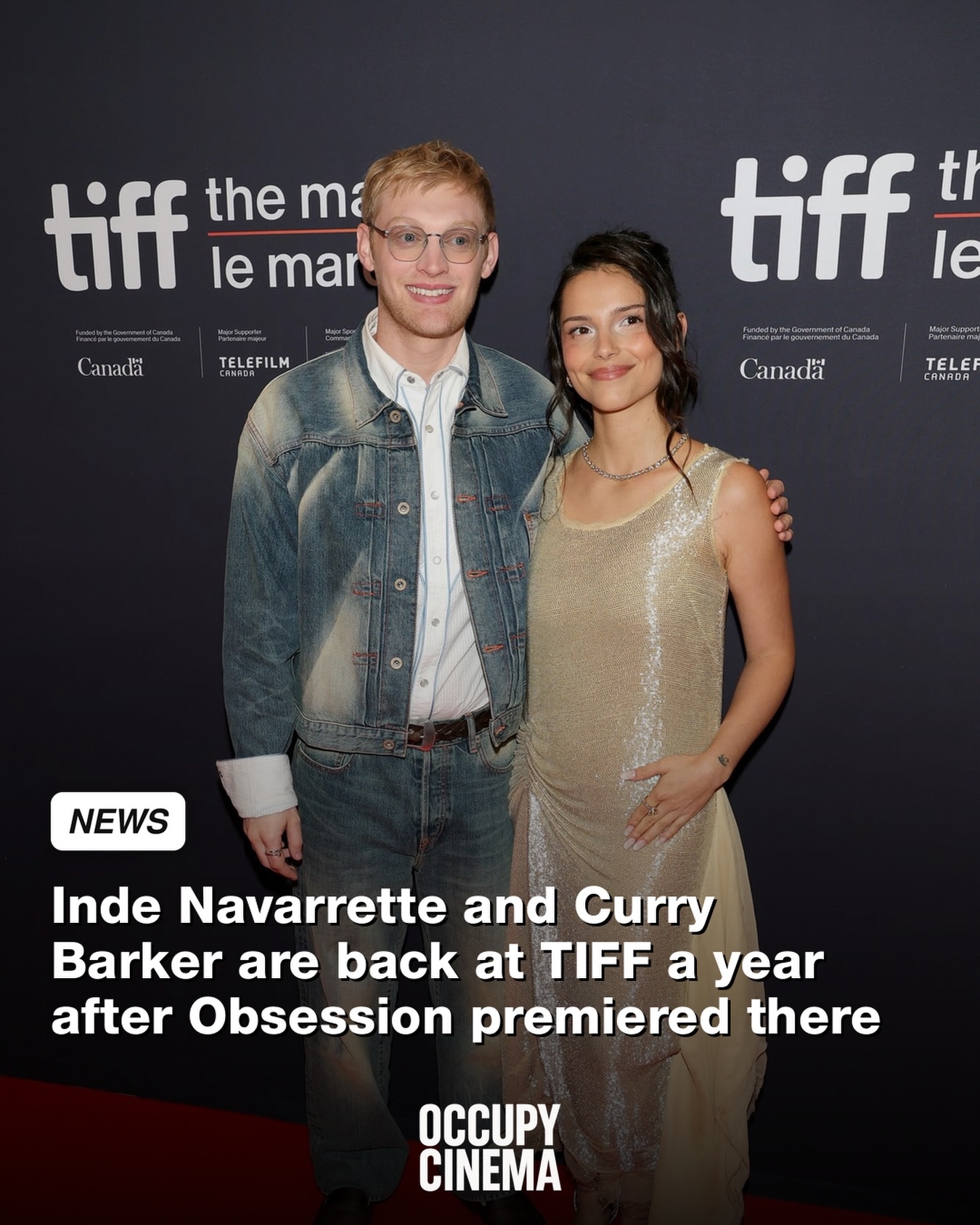
The film's leading actor, Inde Navarrette, who portrays the character Nikki, played a pivotal role in Obsession's festival journey. Her presence alongside Barker at TIFF for both the premiere and, a year later, for a Dialogues conversation at the John Bassett Theatre as part of TIFF: The Market, highlights her integral contribution to the project. These public appearances and discussions are not merely promotional; they are crucial components of a film's lifecycle, allowing creators to engage directly with audiences, critics, and industry professionals. Navarrette's active participation underscores the collaborative nature of independent cinema and the personal investment required from its talent. Her performance in Obsession clearly made an impression, laying groundwork for future opportunities.
Indeed, Navarrette's career trajectory since Obsession's premiere has seen a significant upward swing. Following her turn in the indie horror, she has been cast in the upcoming X-Men movie. This leap from independent genre cinema to a major superhero franchise is a classic industry success story. It demonstrates how a compelling performance in a smaller film can serve as a powerful audition for larger, more mainstream projects. The casting in a marquee franchise like X-Men is a clear indicator of her rising profile and the industry's recognition of her talent. It also reflects the increasing trend of major studios scouting festival darlings and indie performers for their tentpole productions, seeking fresh faces and proven acting chops.
Barker's multifaceted role as writer, director, and editor on Obsession further solidifies his standing as a formidable new voice in genre filmmaking. Handling multiple key creative responsibilities is a common, though demanding, practice in independent cinema, often necessitated by budgetary constraints but frequently leading to a singular, cohesive artistic vision. This level of control allowed Barker to imbue the film with a distinct stylistic signature, a crucial factor in standing out at a crowded festival like TIFF. The film's successful sale and subsequent release serve as a powerful calling card for Barker, positioning him as a talent capable of delivering commercially viable and artistically distinct projects. The industry is always on the lookout for such singular voices, particularly those who can navigate the complexities of production and post-production with a clear vision. TIFF's market remains a critical launching pad for such careers.
The return of Barker and Navarrette to TIFF for the Dialogues conversation is not just a nostalgic victory lap; it's a strategic move. Their presence at TIFF: The Market, a year after their initial triumph, allows them to share their experiences, offer insights to emerging filmmakers, and further solidify their industry connections. These types of panels are invaluable networking opportunities, reinforcing their status as successful figures within the independent film ecosystem. It also keeps Obsession in the conversation, reminding industry players of its success and the talent involved. Such visibility is crucial for sustaining careers in a highly competitive field, providing a platform to discuss craft, business, and the ever-evolving landscape of film distribution. Festival engagement is a continuous process, not a one-off event.
Obsession's journey from a festival premiere to a theatrical release and beyond, propelling the careers of its key talent, exemplifies the dynamic ecosystem of independent film. It underscores the critical role of film festivals like TIFF in identifying and nurturing new voices, providing a platform for films to find their audience and for careers to take flight. The film's success serves as a potent reminder that compelling storytelling, executed with vision and supported by strong performances, can still break through the noise, irrespective of budget, and capture the attention of both audiences and the industry's biggest players. Focus Features' continued support for films like this highlights their commitment to diverse cinematic voices.