Occupy Cinema › FEATURED
Joe McNally's Unflinching Take on Failure: A Master Class for Filmmakers
Legendary photographer Joe McNally, a veteran of National Geographic and LIFE, offers a stark perspective on the role of failure in creative progress, a lesson resonating deeply within the film industry.
By Occupy Cinema ·
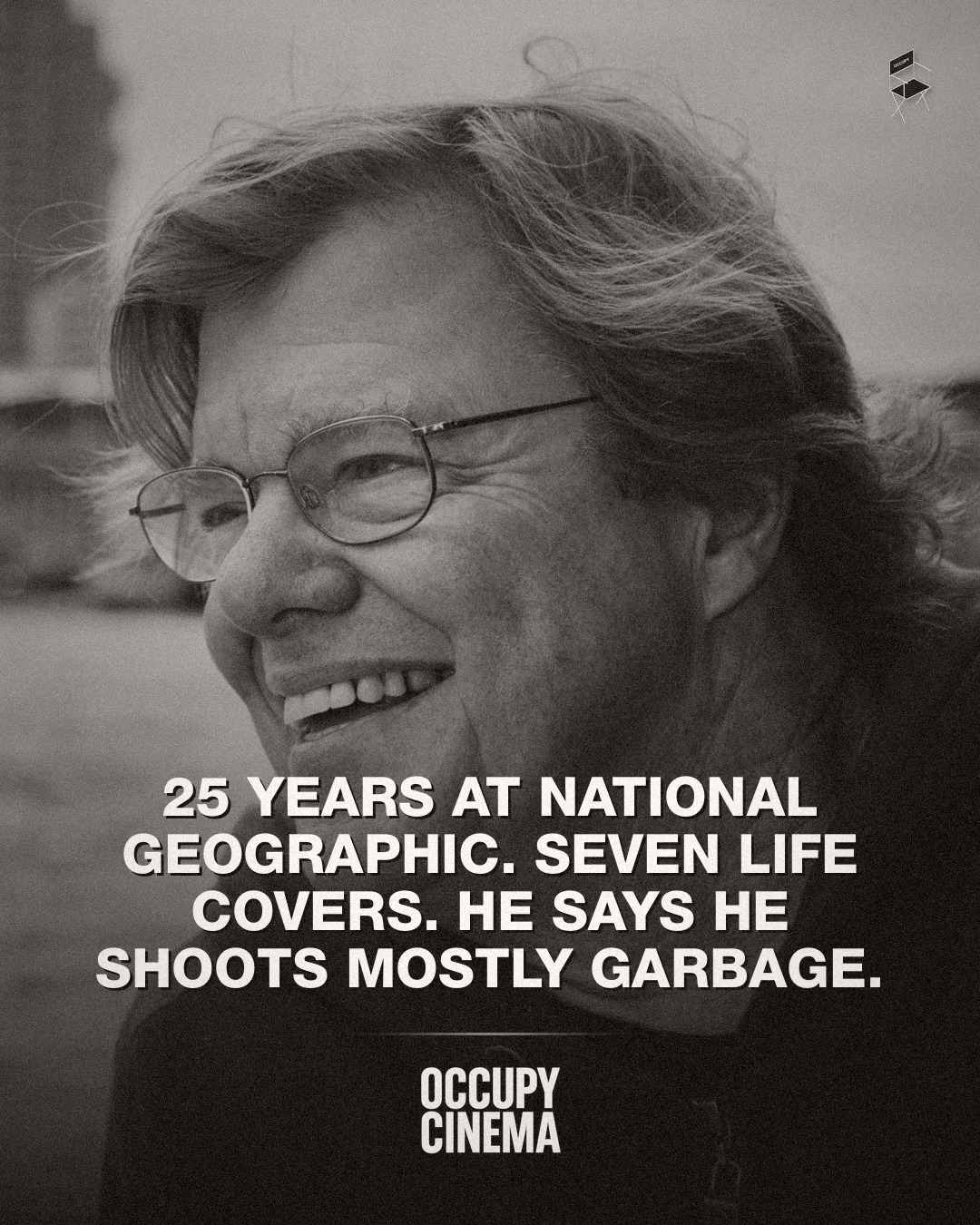
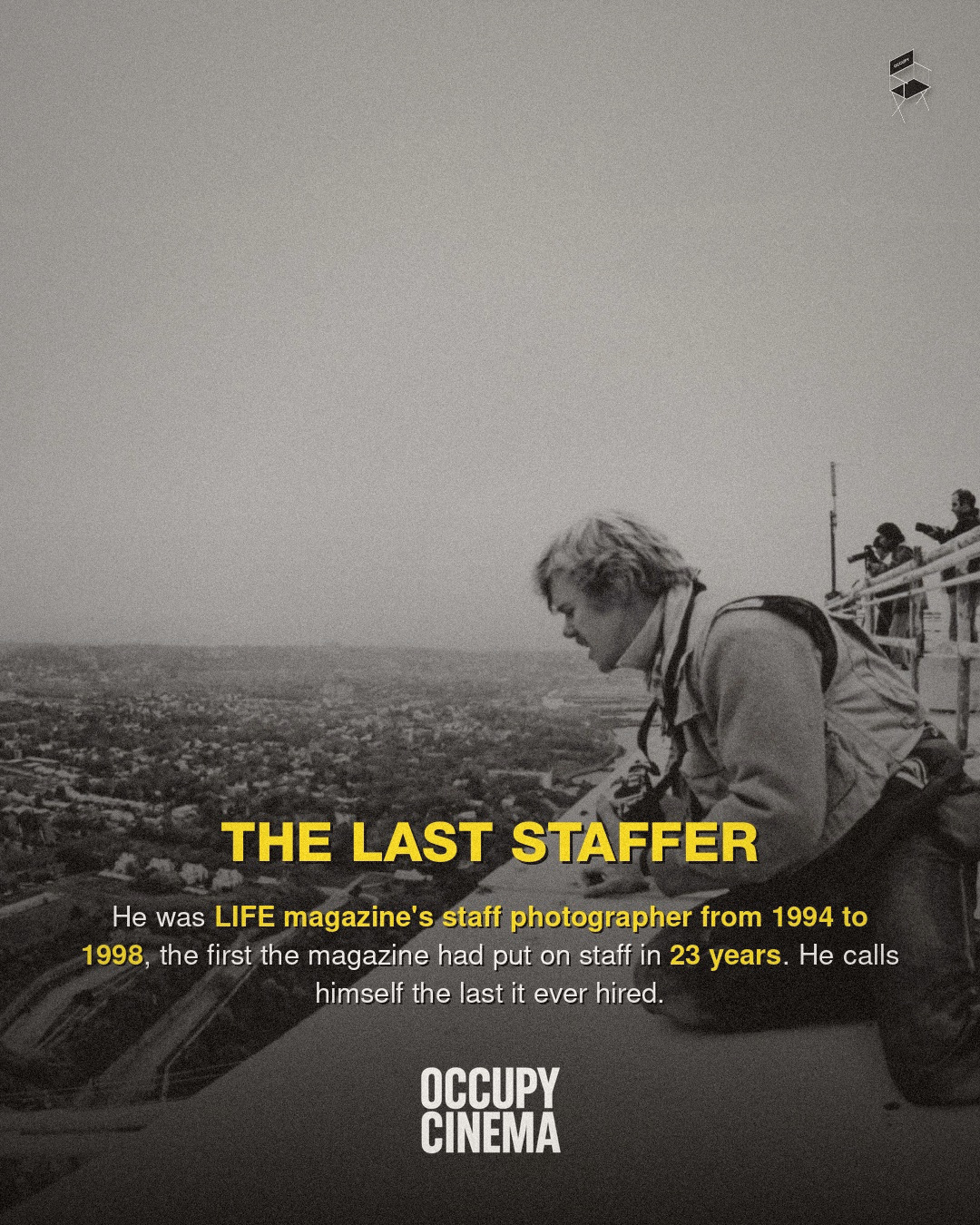
In an industry often obsessed with flawless premieres and critical accolades, the words of veteran photographer Joe McNally cut through the noise. McNally, whose lens has graced five National Geographic covers and seven for LIFE magazine, including a rare staff photographer stint from 1994 to 1998, offers a bracing perspective: failure is not just inevitable, it is essential. This insight, while rooted in still photography, holds profound implications for the world of cinema, where monumental risks and public scrutiny are the norm.
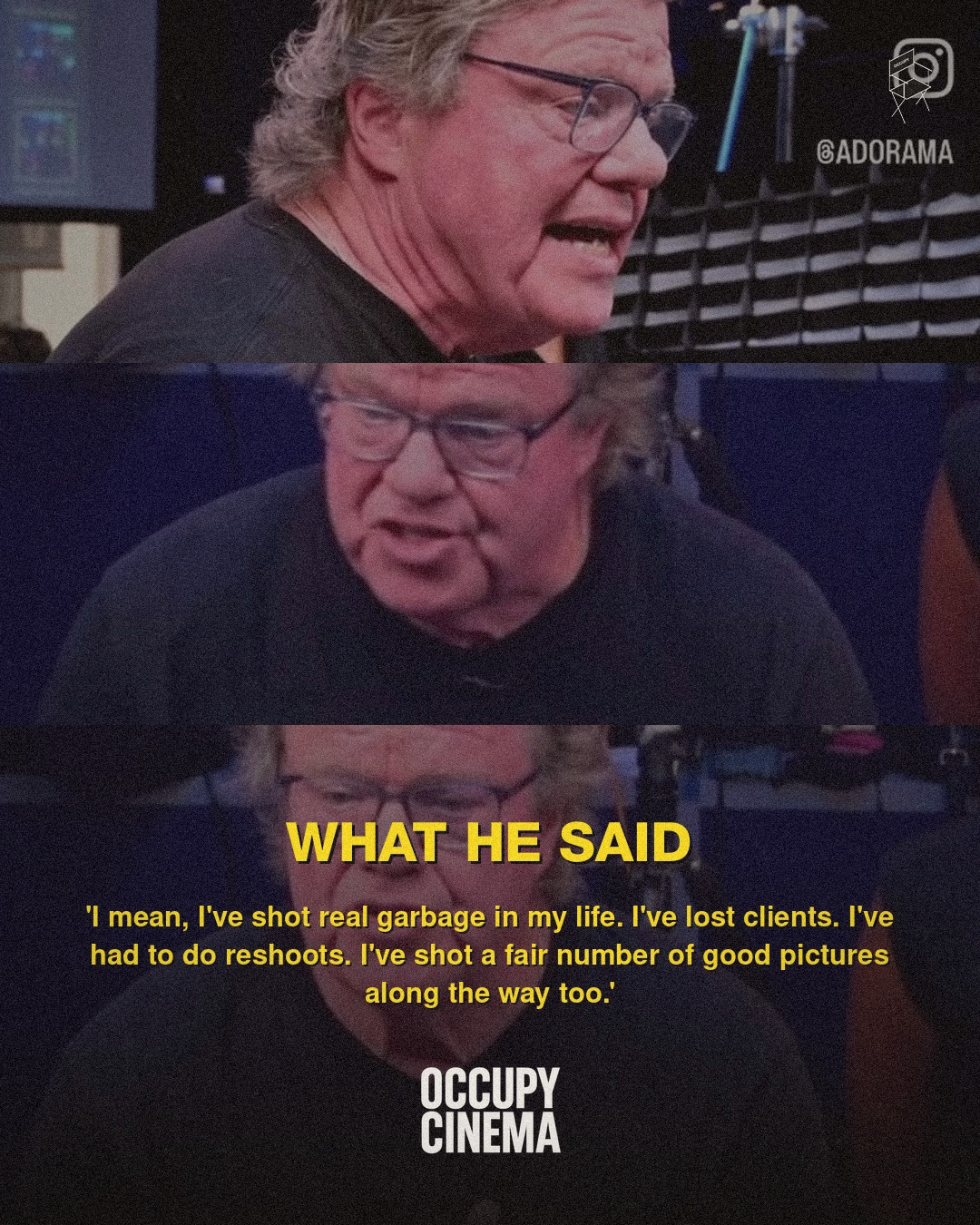
McNally's career, spanning decades and countless iconic images, has been anything but a smooth ride. He readily admits to shooting “real garbage,” losing clients, and facing the humbling necessity of reshoots. This candid admission from a master challenges the pervasive myth of effortless genius. For filmmakers, from seasoned directors to emerging cinematographers, the pressure to deliver perfection can be crippling. Yet, the craft, much like photography, is an iterative process, built on experimentation, missteps, and the hard-won lessons derived from what doesn't work. The pursuit of a singular vision often involves numerous discarded takes, narrative dead ends, and technical challenges that push crews to their limits.
The High Stakes of Creative Endeavor
The financial and logistical scale of film production amplifies the consequences of creative missteps. A single bad call on set can cost millions, derail schedules, and impact hundreds of jobs. Unlike a solo photographer, a director like Christopher Nolan or a cinematographer like Roger Deakins operates within a vast collaborative ecosystem. When a project falters, the ripple effect is immense. McNally's assertion that any artist claiming perpetual success is “lying” speaks directly to this reality. From development hell to post-production nightmares, the path to a finished film is littered with potential pitfalls. Consider the infamous production woes of Francis Ford Coppola's Apocalypse Now, a film plagued by typhoons, health crises, and budget overruns, yet ultimately lauded as a masterpiece. Failure to adapt, to learn, and to pivot amidst adversity would have doomed it.
The creative process in filmmaking demands a constant negotiation with the unknown. A director might conceptualize a shot, only for lighting, performance, or unforeseen technical issues to render it unworkable. The ability to embrace these moments, to see them as opportunities for problem-solving rather than outright defeat, is a hallmark of truly resilient filmmakers. This iterative approach is crucial, whether in the editing suite where entire sequences are reshaped, or on location where entire scenes are reimagined. The industry itself is built on this understanding; reshoots are common, test screenings lead to significant cuts, and even acclaimed films undergo extensive revisions before their final release. Reshoots alone can add tens of millions to a budget, a clear indicator that even with meticulous planning, perfection remains an elusive target.
Progress Through Persistence
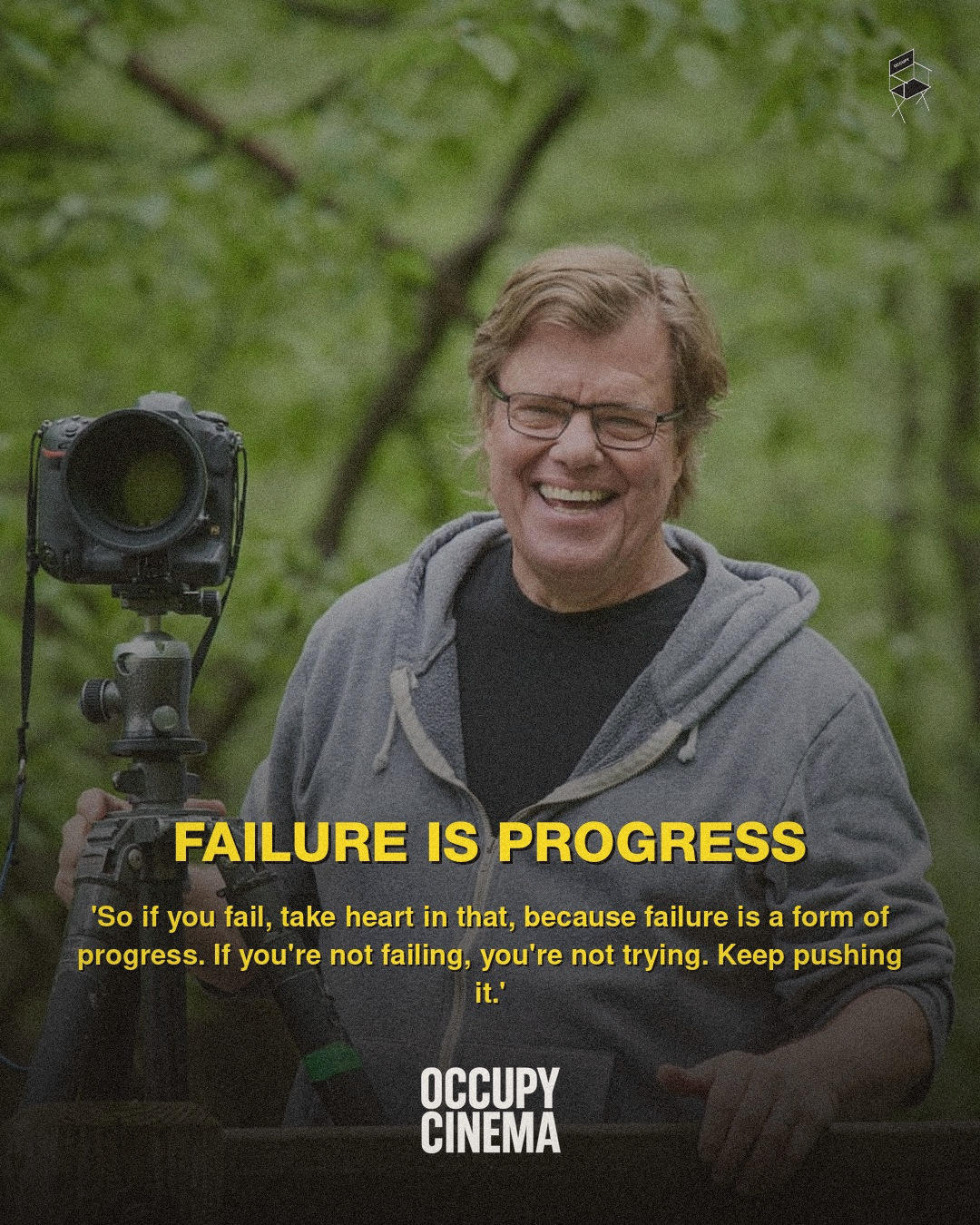
McNally's mantra, “If you are not failing you are not trying,” provides a potent antidote to creative paralysis. In an era where social media often presents a curated, flawless version of artistic output, this message is more vital than ever. For aspiring cinematographers exploring new camera techniques, or editors experimenting with unconventional pacing, the fear of producing something imperfect can stifle innovation. The history of cinema is replete with examples of groundbreaking techniques that were likely born from numerous failed attempts. Consider the early pioneers of special effects, whose crude initial efforts paved the way for today's sophisticated CGI.
The lessons from McNally's distinguished career extend beyond individual craftspeople to the very studios and distributors that fund and release films. Risk aversion can lead to formulaic productions, while an embrace of calculated failure, allowing for bold artistic choices that might not always pay off, can lead to genuine breakthroughs. The independent film circuit, in particular, thrives on this ethos, where limited resources often necessitate unconventional approaches, and where the freedom to fail can lead to unexpected triumphs. As the industry grapples with evolving audience demands and technological shifts, an understanding of failure as a form of progress is not just a philosophical ideal, but a practical necessity for staying creatively agile and relevant. The business of film is always in flux, and those who learn from their missteps are best positioned to navigate its unpredictable currents.
Ultimately, McNally's insights serve as a powerful reminder that mastery is not the absence of failure, but the relentless pursuit of improvement despite it. For every iconic shot captured, every compelling narrative brought to screen, there are countless unseen efforts, countless discarded ideas, and countless moments of self-doubt. The true measure of an artist, whether behind a still camera or a motion picture lens, lies not in avoiding mistakes, but in the resilience to learn from them and push forward, transforming perceived failures into stepping stones for greater achievements.