Occupy Cinema › Film News
How a $4,000 Cellphone Horror Satire Made It to Raindance
Shot over three years with a two, person crew, Joshua Rivera and Geneviève Velez spent $4,000 on Deformelody: An American Nightmare before bringing it to London.
By Occupy Cinema ·
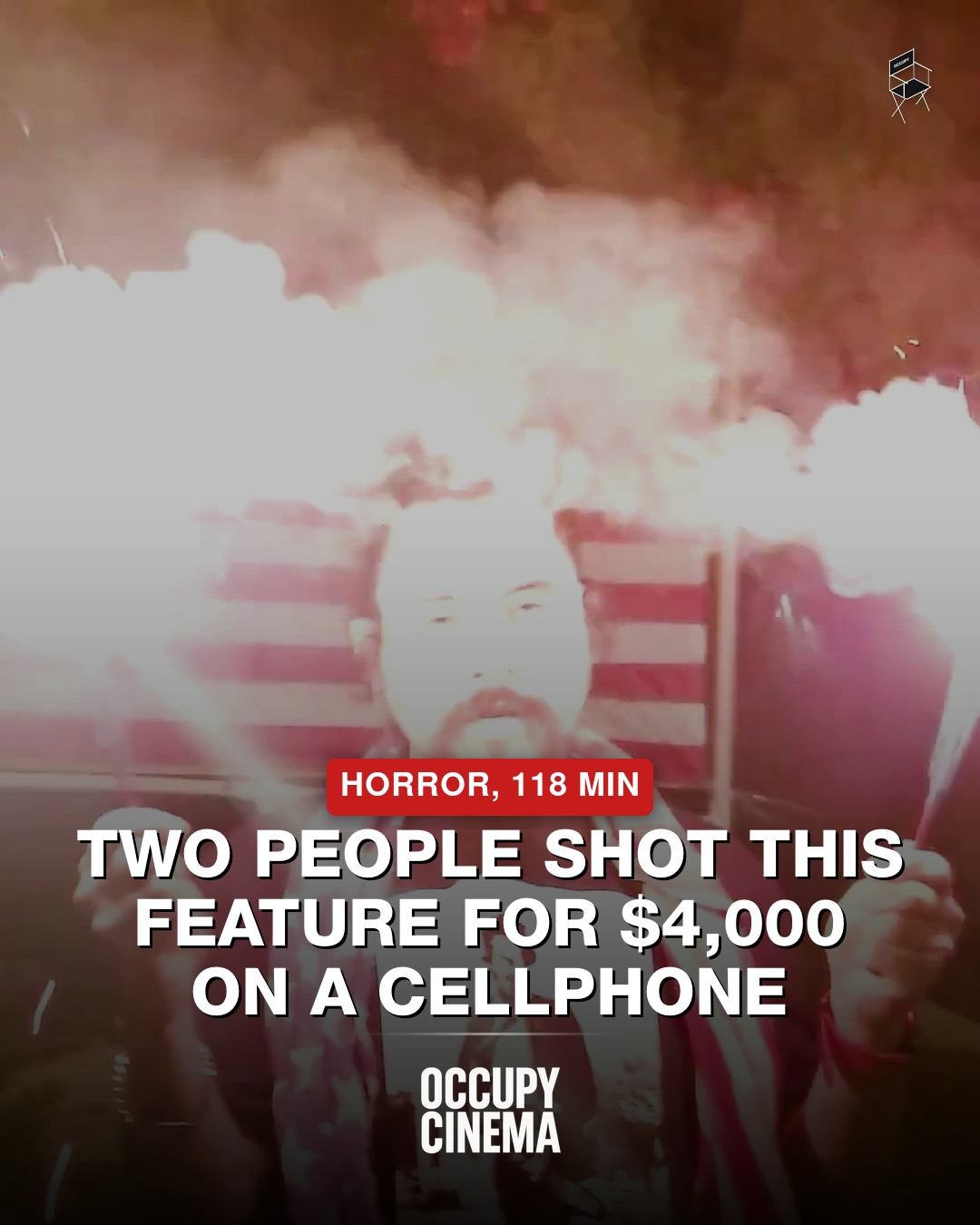
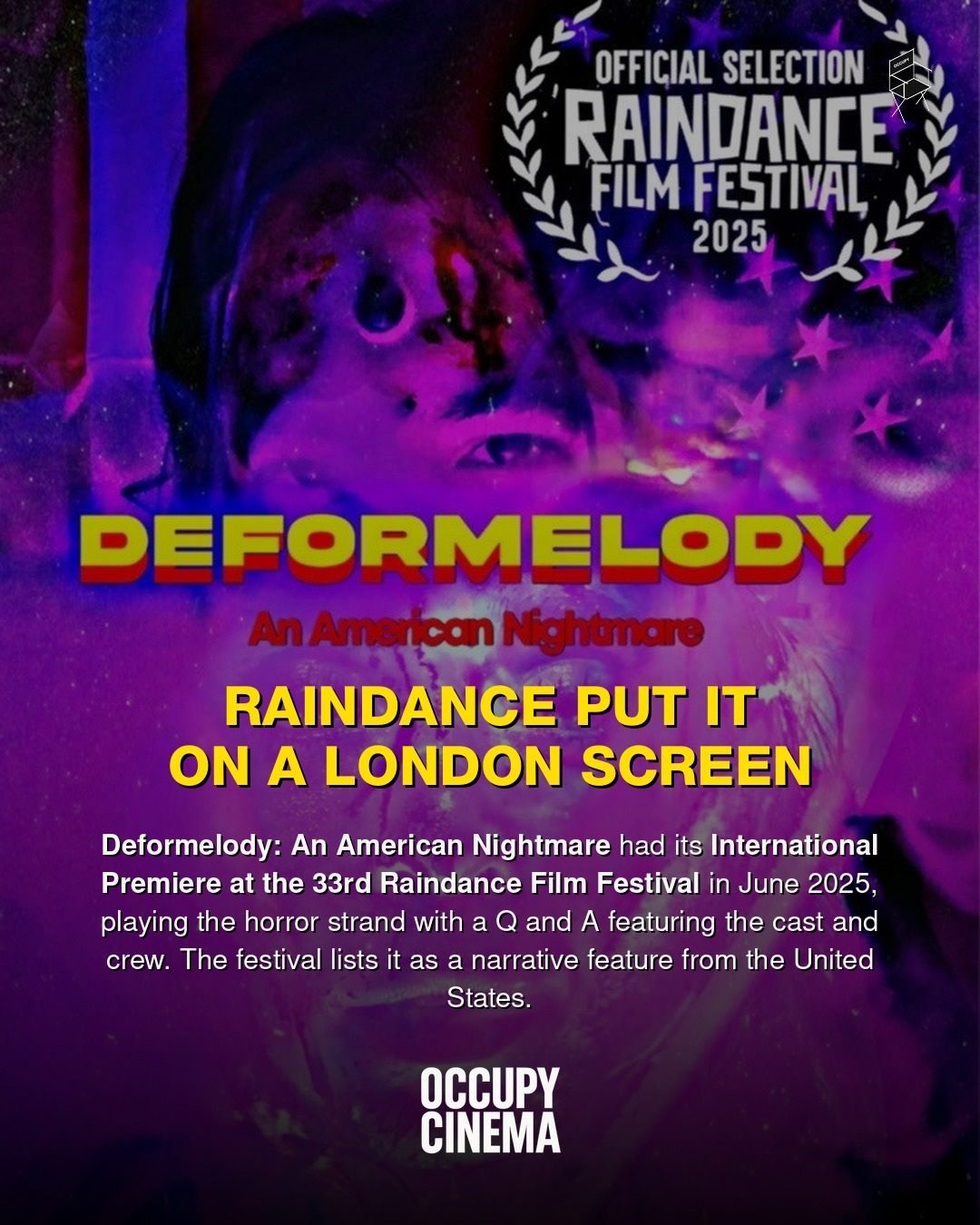
Four thousand dollars. One hundred and fifty four minutes. Three full years of principal photography captured entirely on a handheld cellphone. Those are the stark baseline metrics behind Deformelody: An American Nightmare, a staggering achievement in self funded guerrilla filmmaking that recently made its international premiere at the 34th Raindance Film Festival in London. At a time when studio horror budgets routinely balloon into tens of millions of dollars, creator Joshua Rivera opted for the absolute extreme opposite path, constructing an uncompromising feature length satire using standard consumer technology and relentless creative endurance.
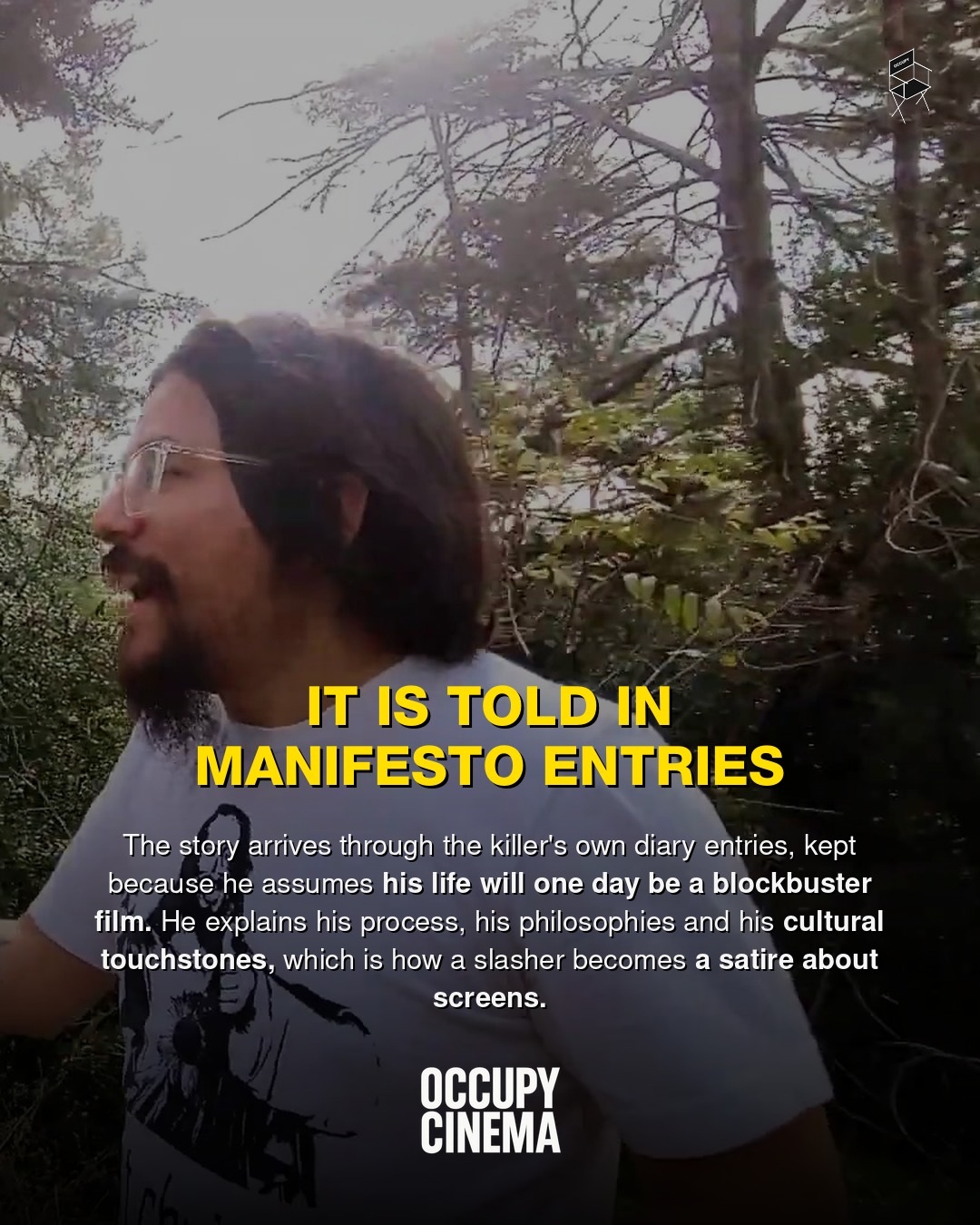
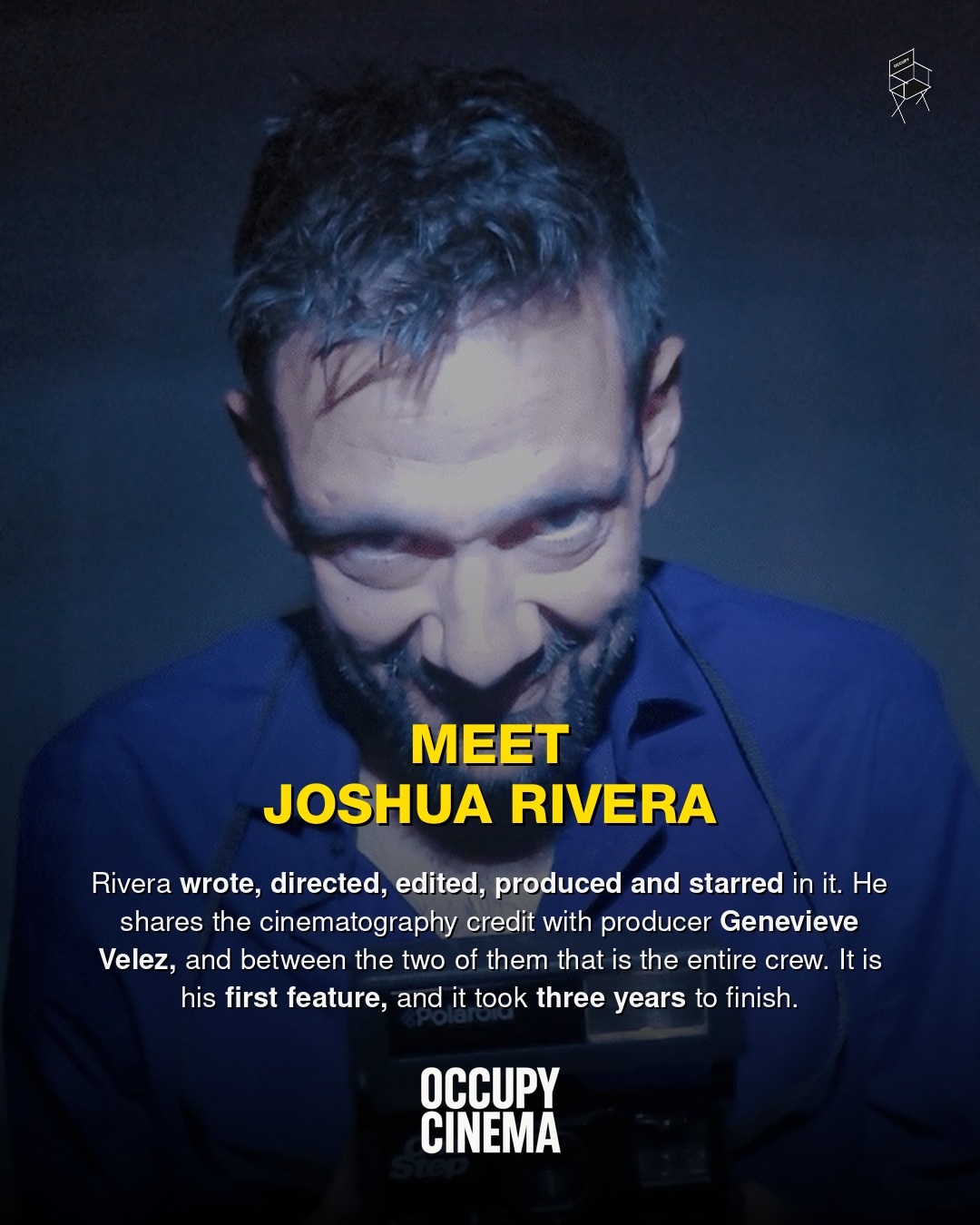
The physical logistics behind the production read like a radical manual for ultra minimalist survival cinema. Rivera partnered with producer Geneviève Velez to form what was essentially a two person film crew. With no dedicated grips, gaffers, sound recordists, or assistant directors on set, Rivera and Velez shared the cinematography credit out of pure necessity because no one else existed on the call sheet. Beyond his primary directorial duties, Rivera penned the screenplay, edited the entire picture, and stepped directly in front of the camera lens as the lead actor.
A Brutal Satire Born on a Cellphone
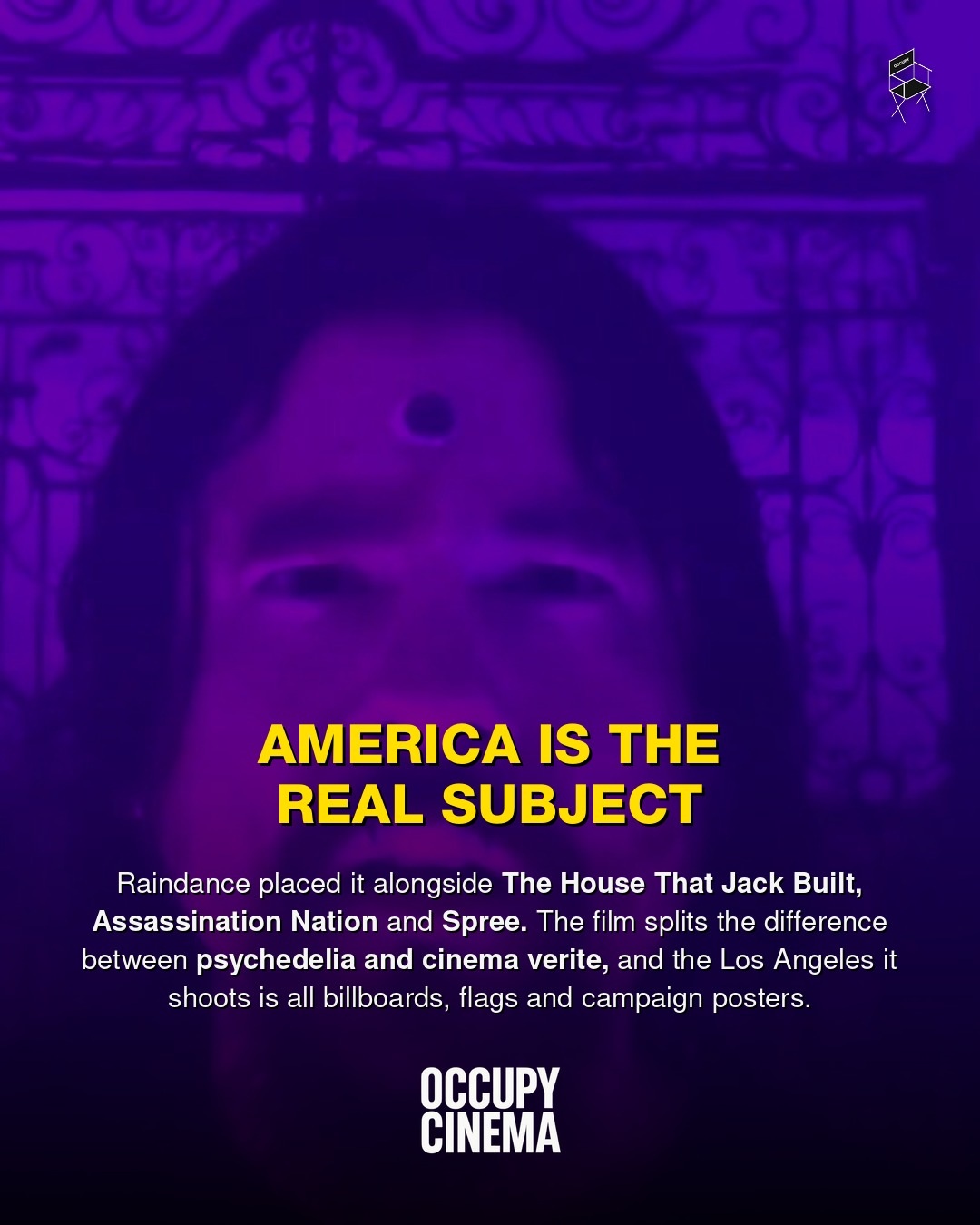
Mobile device cinema has earned critical respect over the past decade through notable high profile experiments like Sean Baker's IndieWire darling Tangerine and Steven Soderbergh's psychological thriller Unsane. However, applying mobile camera hardware to an ambitious 154 minute running time remains almost entirely unheard of in narrative feature filmmaking. Rivera leverages the distinct, immediate aesthetic of mobile phone sensors to mirror the claustrophobic and distorted digital ecosystem occupied by his lead protagonist.
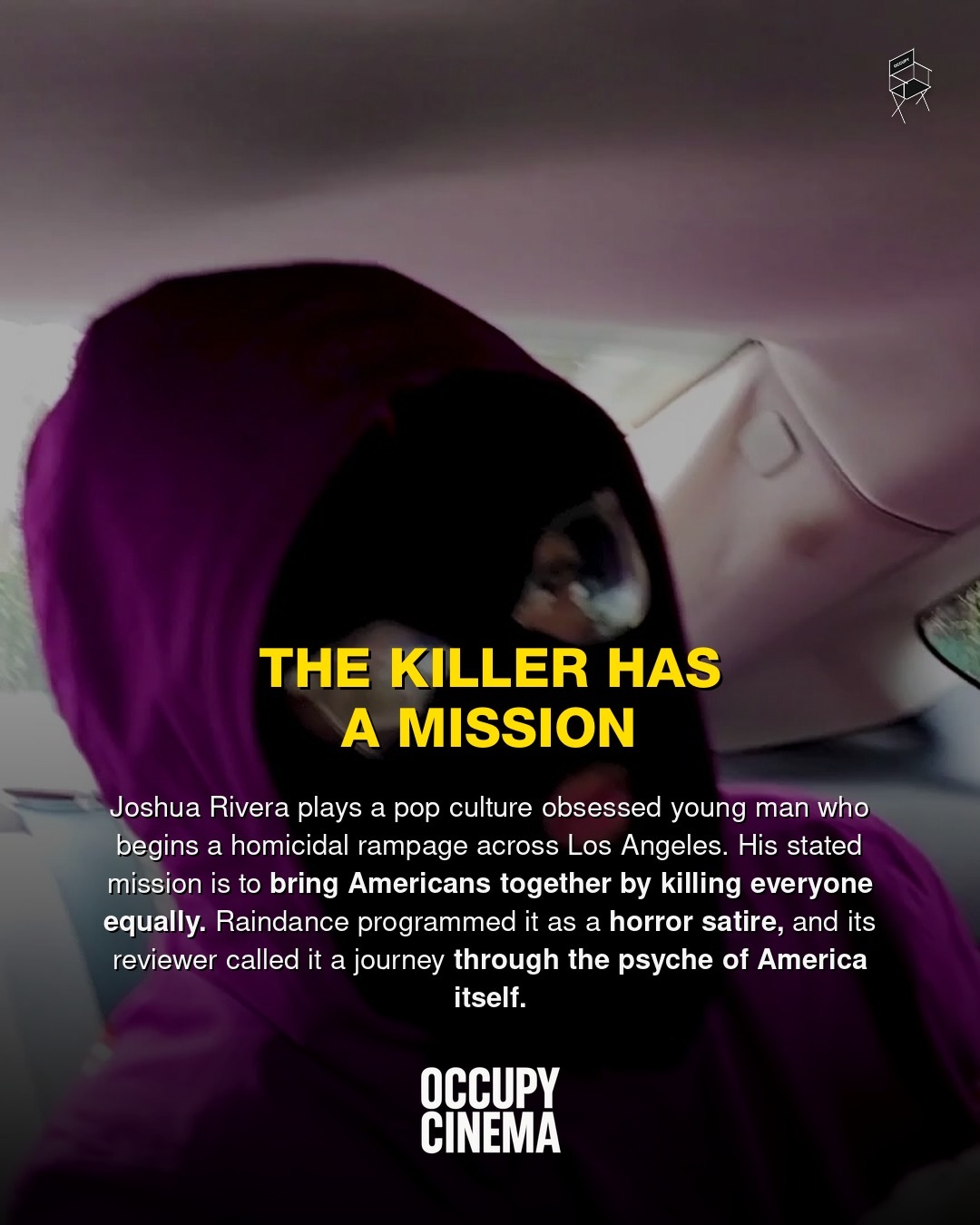
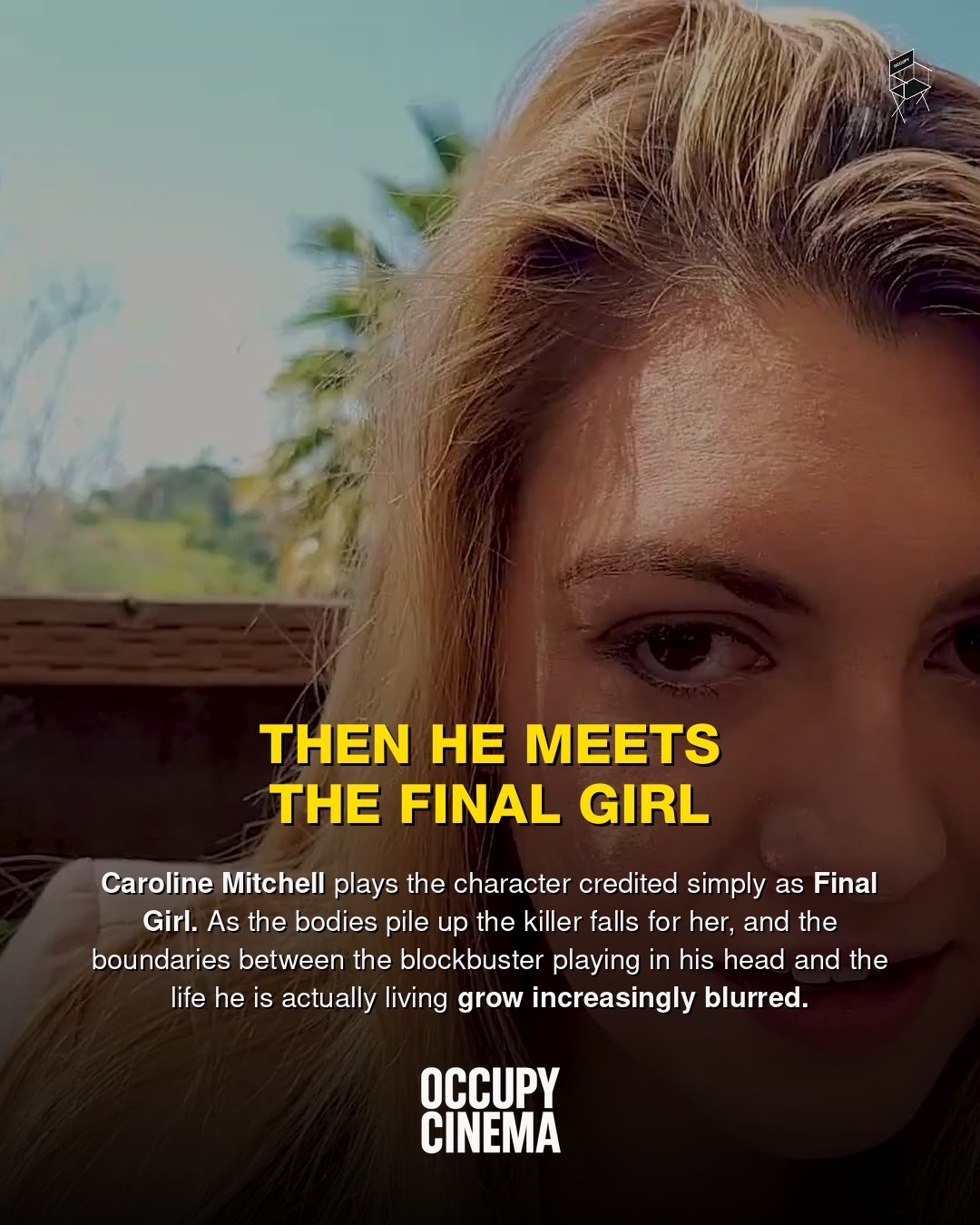
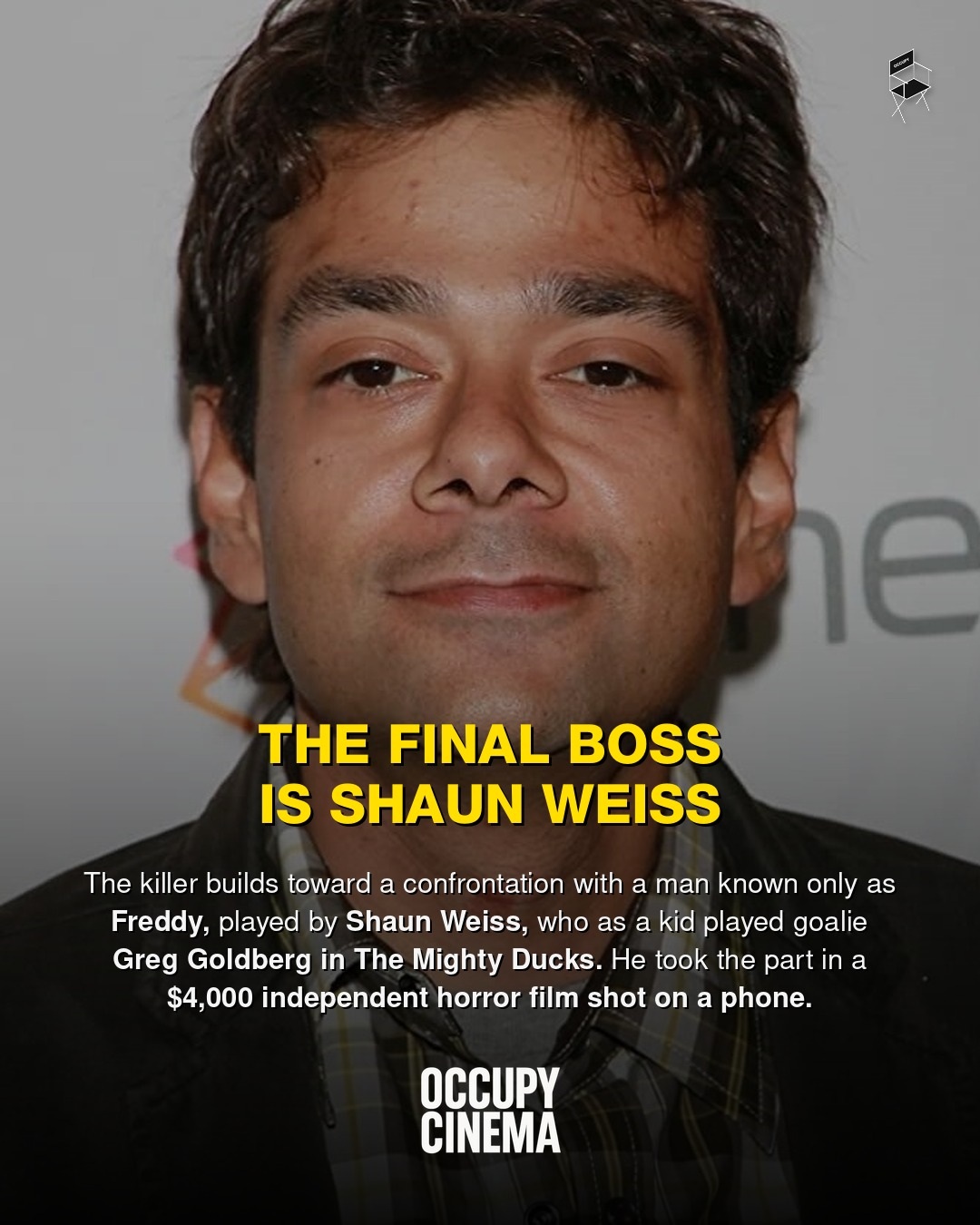
In the film, Rivera portrays The Killer, a pop culture obsessed young man driven by a darkly absurd sociopolitical manifesto. His stated mission throughout the picture is to bring the divided citizens of the United States together by killing everyone equally. The narrative leans heavily into vicious irony, skewering modern media obsession, algorithmic radicalization, and societal polarization through an intentionally unvarnished lens. Adding to the project's unique casting choices, the production enlisted former child actor Shaun Weiss, widely recognized as goalie Greg Goldberg in 1990s classic The Mighty Ducks, to play the imposing final antagonist known only as Freddy.
Festival Buzz and the Search for Distribution
That creative risk yielded tangible returns on the festival circuit. Raindance Film Festival programmers highlighted the movie's radical aesthetic by screening it in London, placing it in curated context alongside recognized boundary pushing genre works like The House That Jack Built, Assassination Nation, and Spree. Industry trade coverage from outlets such as Variety and Deadline underscores how international genre showcases remain essential launching pads for self financed micro budget titles attempting to break out of the digital noise.
Securing traditional theatrical or digital distribution for a two and a half hour micro budget horror satire presents a unique theatrical market challenge. Boutique genre distributors and specialized streaming platforms like Shudder, Neon, and Magnet Releasing regularly search for singular artistic voices, yet extended runtimes require precise positioning to reach target audiences. Rivera and Velez are currently actively meeting with prospective buyers and sales agents following their London premiere, aiming to convert festival praise into commercial access.
In an era dominated by corporate studio intellectual property and bloated visual effects budgets, Deformelody: An American Nightmare serves as a vital case study in modern independent cinema. When production tools are universally accessible in every smartphone pocket, the primary currency becomes raw discipline and singular vision. Rivera and Velez spent three years proving that impactful storytelling does not require traditional venture capital or studio permission, demonstrating that genuine cinematic ambition can still be forged with four thousand dollars and a cellphone.
Related reading: Cinema Treasures: A New Look at Classic Movie Theaters.