Occupy Cinema › FEATURED
The Enduring Light of Julianne Moore, From Quiet Studies to Grand Spectacles
Julianne Moore's luminous career spans decades, marked by a profound dedication to her craft and an astute selection of roles that resonate long after the credits roll.
By Occupy Cinema ·
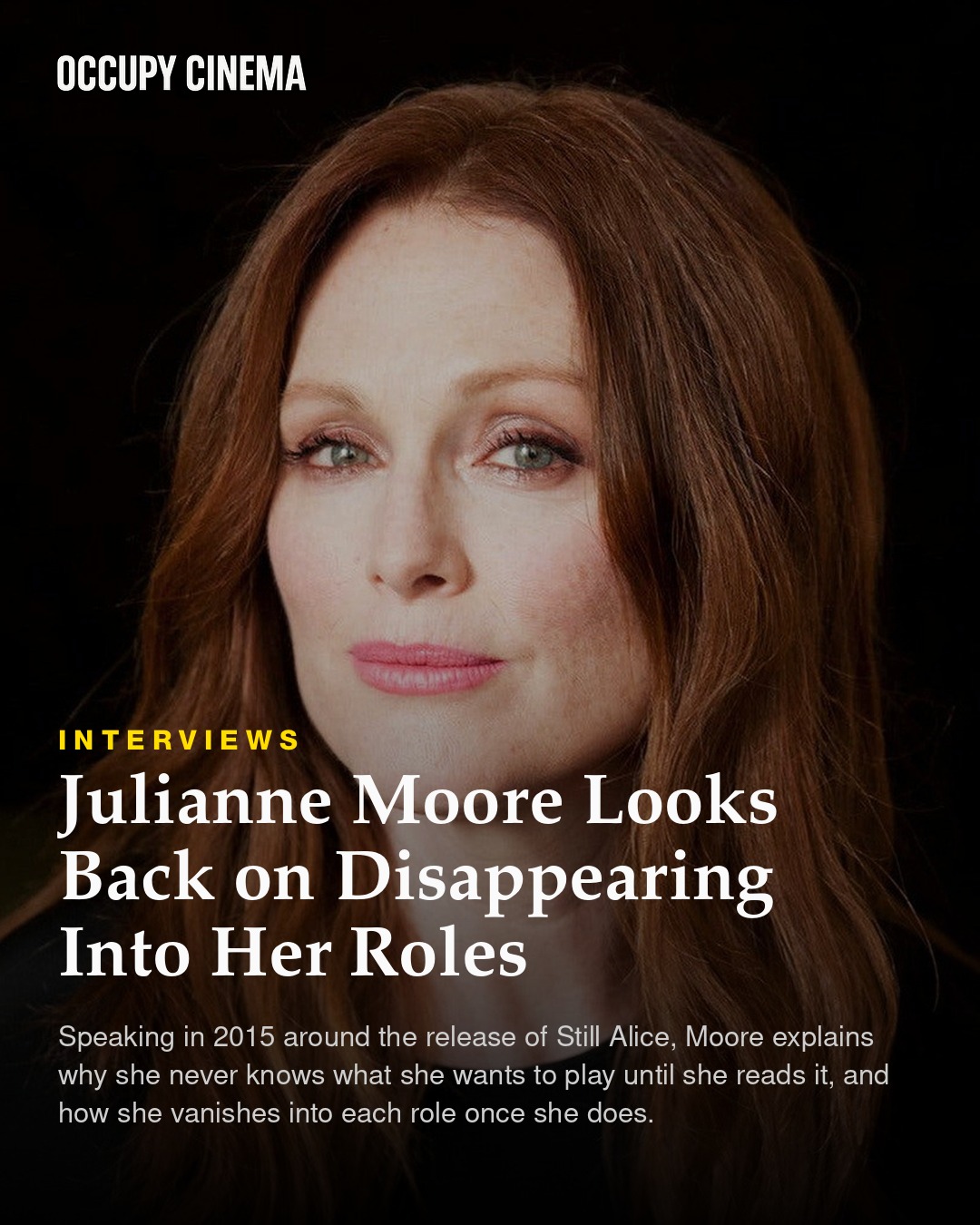
There are faces in cinema that feel like weather, shifting and revealing, and then there is Julianne Moore's. It holds a particular kind of autumnal light, capable of both the most profound vulnerability and an unyielding, steely resolve. Her journey through the landscape of film has been a patient and meticulous one, reaching a pinnacle of recognition with her Academy Award for Still Alice in 2015.
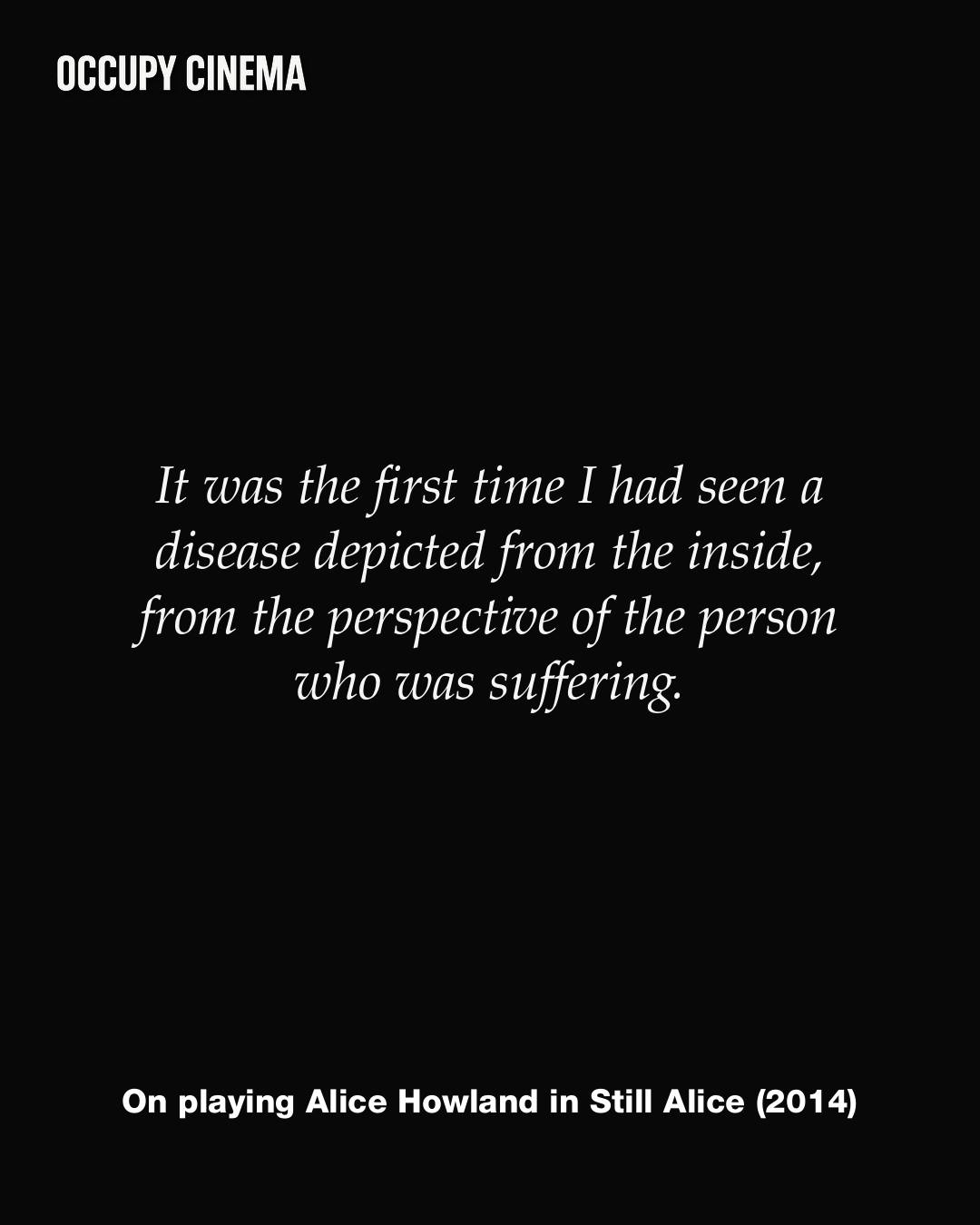
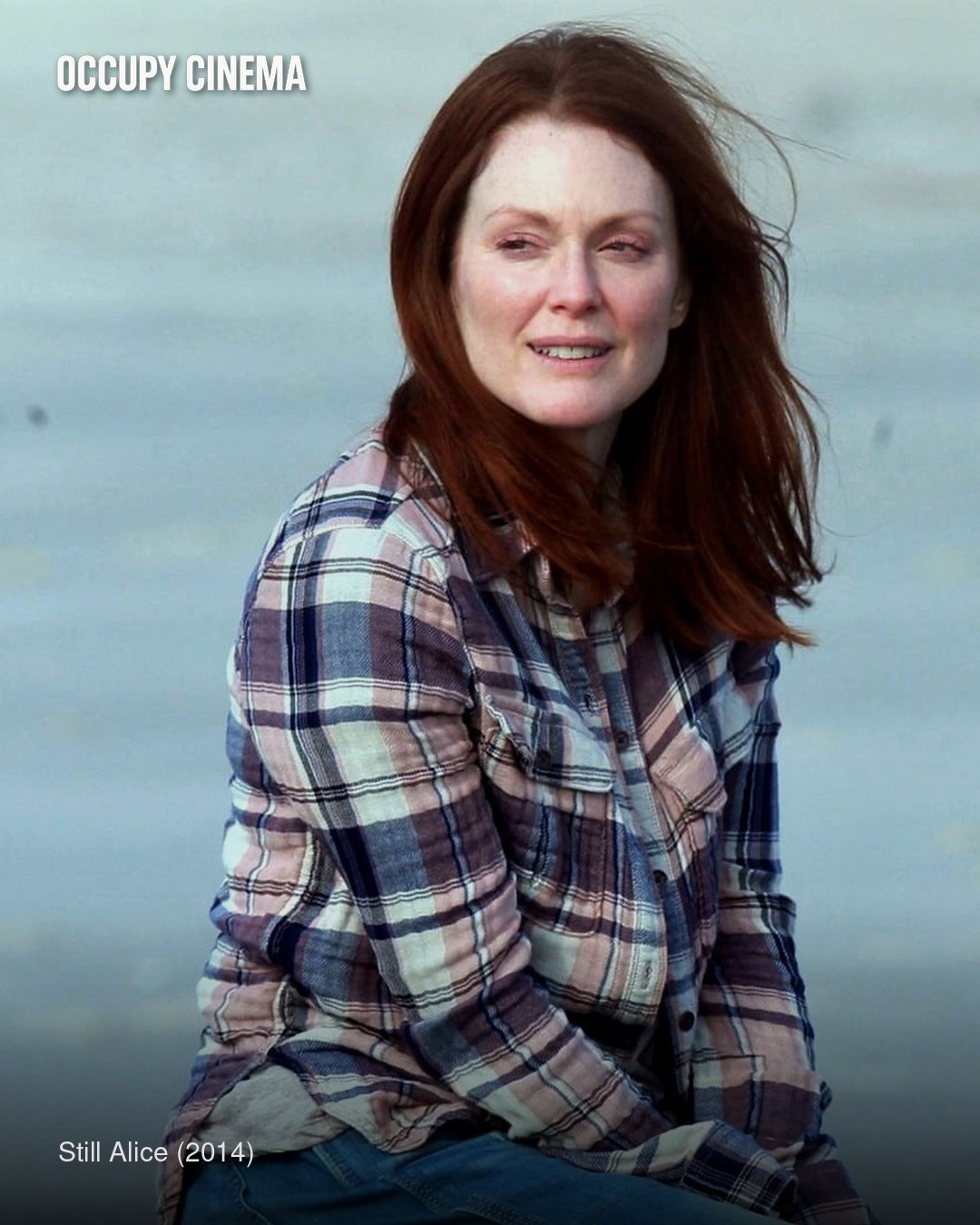
That performance as Alice Howland, a linguistics professor grappling with early, onset Alzheimer's, was not merely an act of dramatic interpretation. It was a deep dive into the human condition, built with the meticulous care of a scholar. Moore approached the role with an immersive commitment, engaging with the National Alzheimer's Association, listening to the lived experiences of women facing the disease, and even undergoing the very memory tests clinicians administer to new patients. This dedication to understanding the internal world of her characters is a hallmark of her work, allowing her to embody complex emotions with unflinching honesty and grace.
The Art of Selection, The Power of 'Yes'
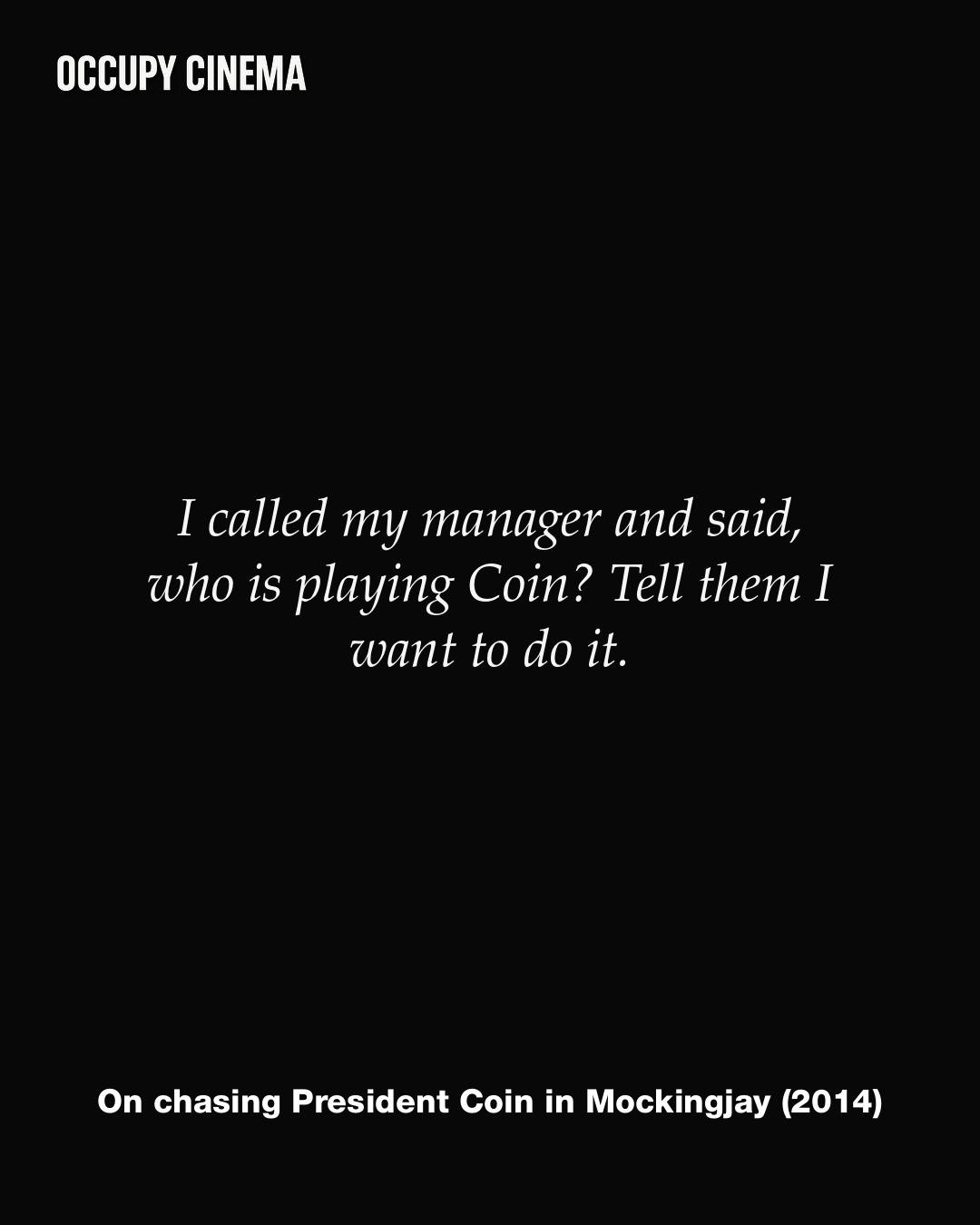
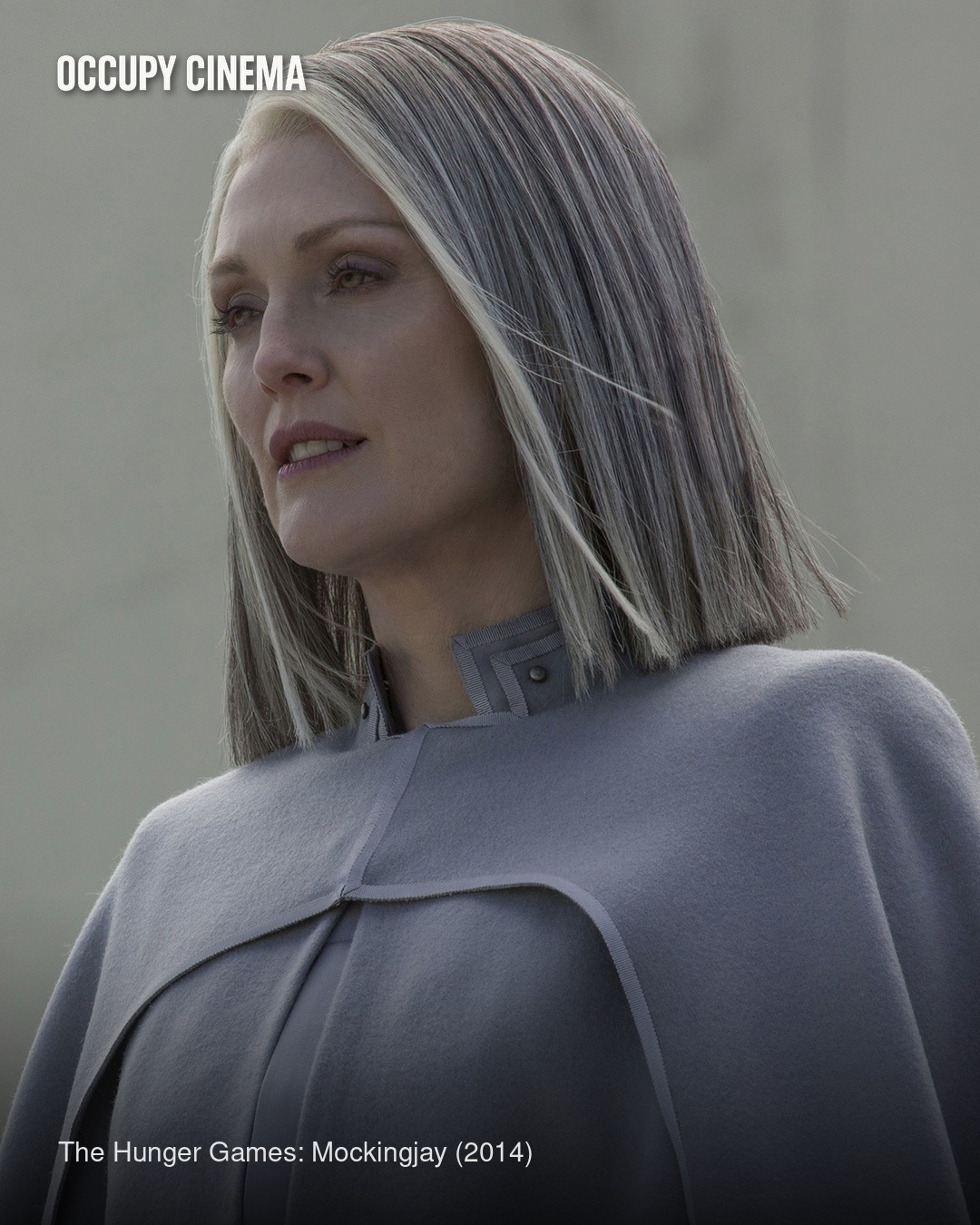
The year of her Oscar win for Still Alice, 2015, saw Moore in starkly contrasting roles, a testament to her versatility and adventurous spirit. She embodied the formidable President Alma Coin in The Hunger Games: Mockingjay, a role she actively pursued, drawn to the narrative's depth after reading the books her children admired. This move from intimate drama to blockbuster spectacle illustrates her willingness to inhabit different cinematic worlds, always finding the core of truth within each character.
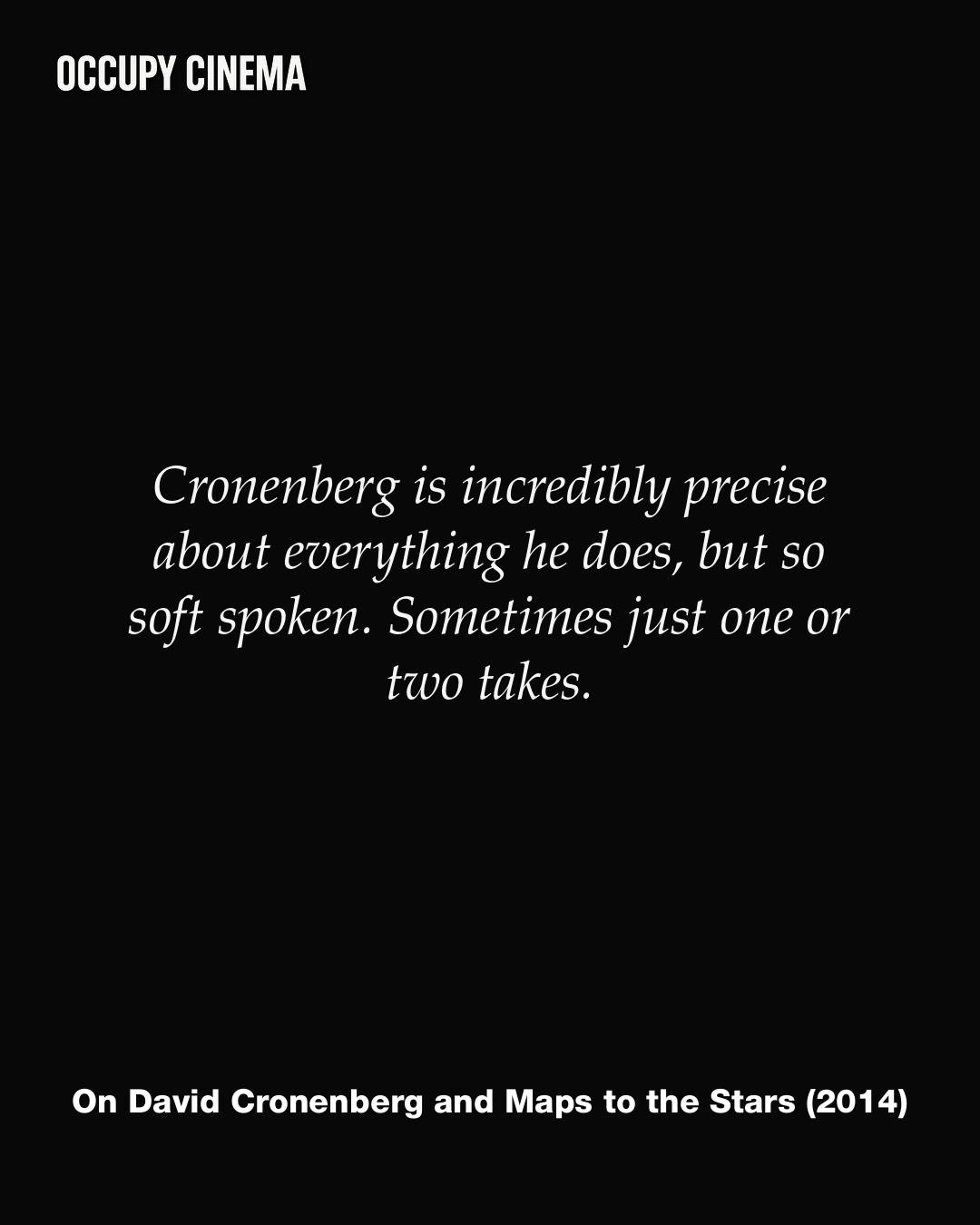
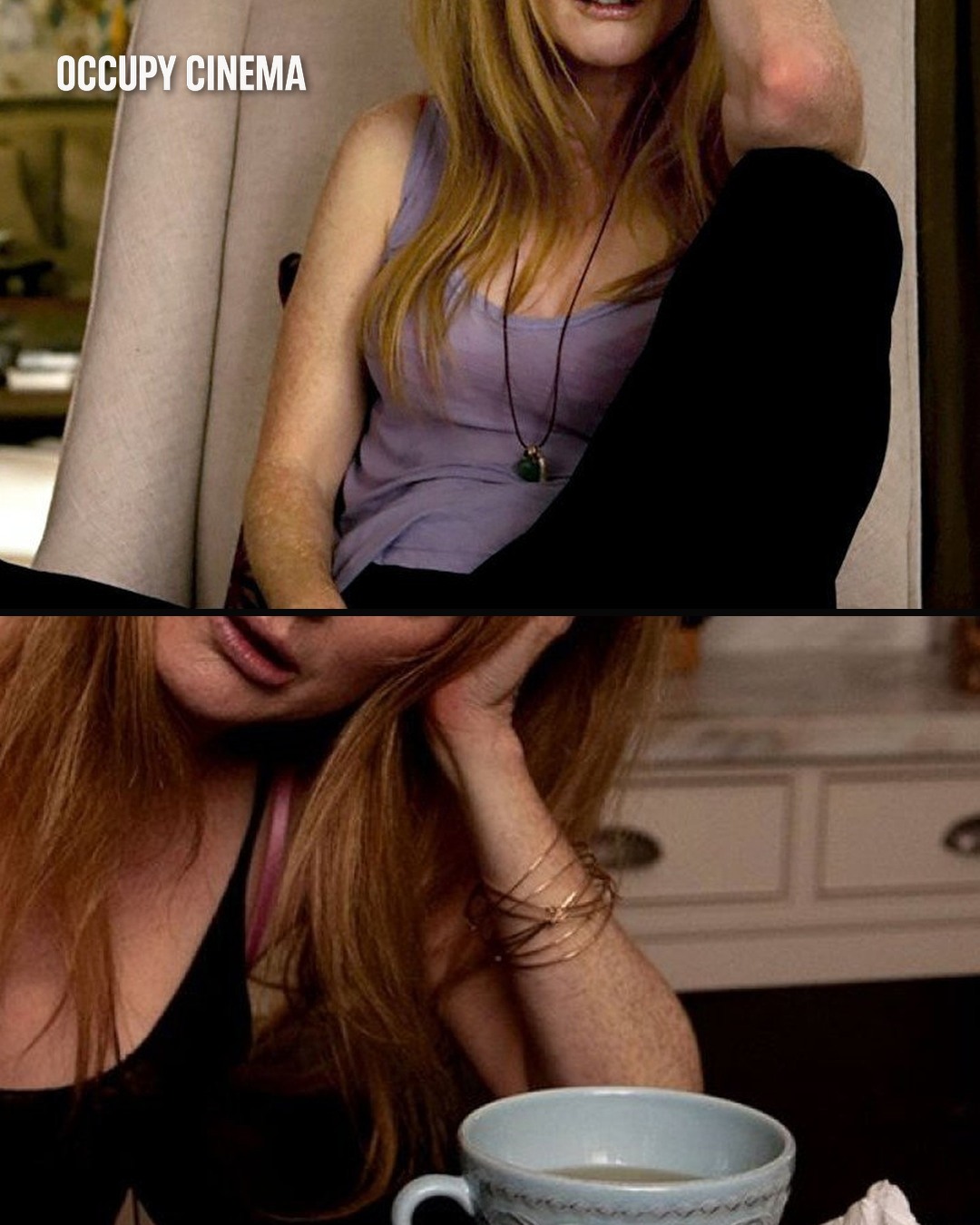
Even earlier, in 2014, she delivered a blistering performance as the unraveling movie star Havana Segrand in David Cronenberg's Maps to the Stars, a role that earned her the Best Actress award at the Cannes Film Festival. This turn was a masterclass in controlled chaos, portraying the desperate, fragile ego of a woman clinging to relevance in Hollywood's unforgiving glare. It was a performance that felt both acidic and deeply empathetic, a paradox she navigates with uncanny skill.
A Filmmaker's Muse, A Scholar's Approach
Moore has often spoken about the limited control an actor possesses, stating that the true power lies in the simple act of saying yes or no to a project. Her career choices reveal a discerning eye, a gravitational pull towards narratives and characters that resonate deeply. She gravitates towards stories that she cannot put down, roles that challenge and compel her, whether they are found within the quiet confines of an independent film or the sprawling canvas of a major studio production. This intentionality has allowed her to build a filmography rich with memorable performances, avoiding easy categorization and consistently surprising audiences with her range and depth. Her collaborations with auteurs like Todd Haynes, for instance, have yielded some of the most emotionally complex and visually stunning films of recent decades, like Far From Heaven and Carol.
Her work is a testament to the idea that true artistry lies not just in performance, but in the thoughtful curation of a career, in the careful selection of stories that illuminate the human experience. Julianne Moore continues to be a vital, intelligent presence in cinema, her light unwavering, her commitment to the craft absolute.
Luna Greenwood, World and Arthouse, Occupy Cinema.
Related reading: Making Movies by Sidney Lumet, a master class on the craft of filmmaking.