Occupy Cinema › Business
Karthik Subbaraj Brings Tamil Cinema Back to TIFF with 'Dorothy'
A decade-long festival drought ends as Jio Studios and Sikhya Entertainment position Karthik Subbaraj's rural drama for a swift festival-to-theaters turnaround.
By Occupy Cinema ·
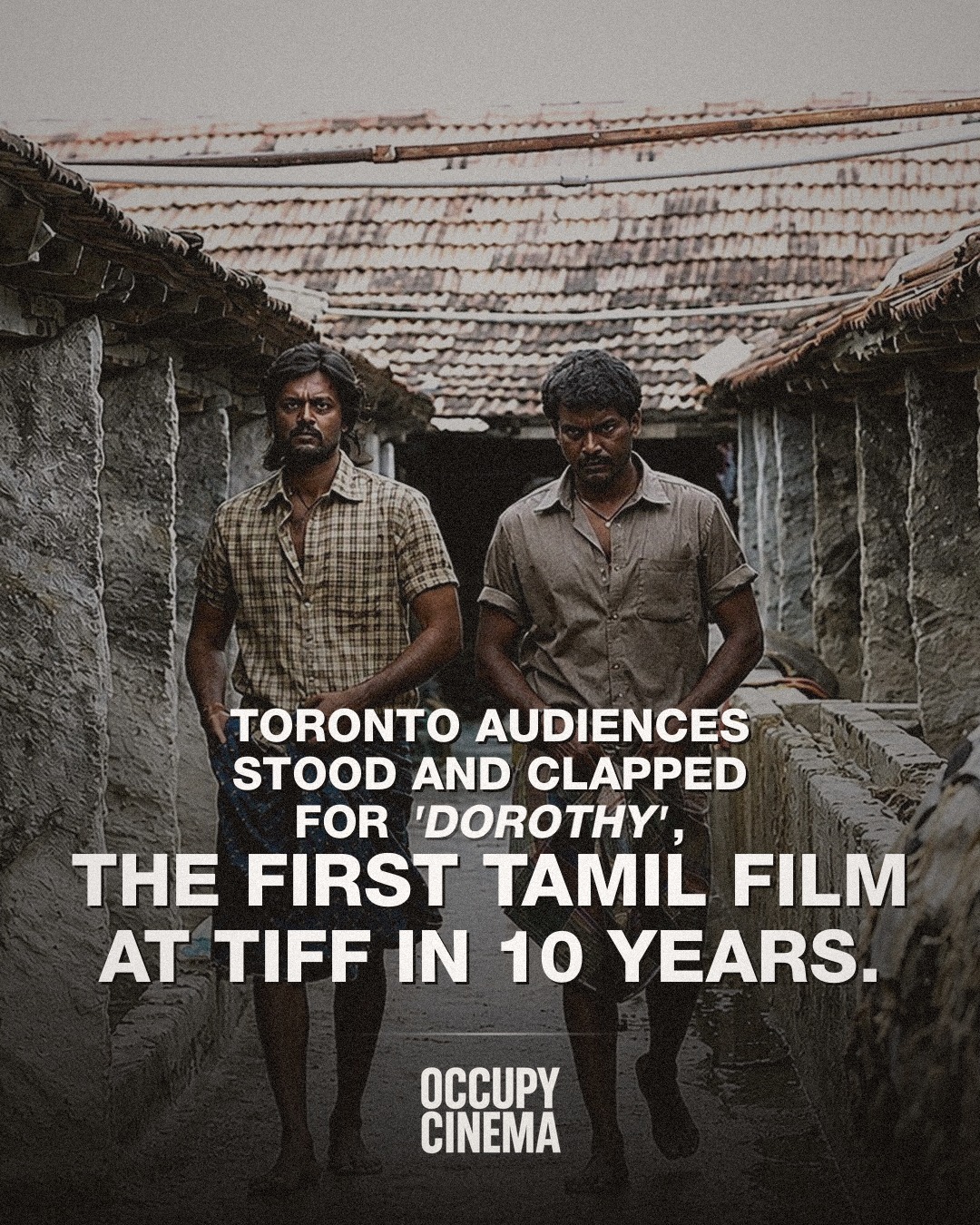
A decade is an eternity in festival programming. When director Karthik Subbaraj walked into Scotiabank Theatre for the Toronto International Film Festival premiere of Dorothy, he snapped a ten-year dry spell for Tamil feature filmmaking at North America's premier industry showcase. Backed by Jio Studios and Guneet Monga Kapoor's Sikhya Entertainment, the film marks an aggressive alignment between high-prestige festival positioning and mainstream commercial theatrical distribution.
Toronto has historically operated as an essential springboard for international acquisitions and critical heat, yet South Indian cinema has often navigated alternative circuits, favoring European arthouse fixtures like Rotterdam or genre hubs like Fantastic Fest. By planting Dorothy directly into the TIFF roster on September 12, the producers are testing whether a regional Indian drama can secure global critical capital just weeks before mounting a wide domestic rollout. The film lands in Indian theaters on September 25, leaving zero margin for a leisurely awards-circuit crawl.
A Pivot to Period Drama and Historical Friction
Subbaraj built his reputation on hyper-stylized neo-noirs, kinetic staging, and genre deconstructions in films like Jigarthanda and Mahaan. Dorothy represents an intentional tonal recalibration. Set in rural Tamil Nadu during the early 1990s, the narrative confronts structural caste hierarchies, fractured loyalties, and entrenched rural violence through an intimate triangle of childhood companions. Keerthy Suresh anchors the picture in the title role, flanked by Sananth and Rishikanth.
The craft package signals equal intent. Legendary composer Ilaiyaraaja delivered both the score and songs, lending historical authenticity and acoustic warmth to a landscape fraught with socio-political tension. Industry trade coverage from Variety has repeatedly highlighted how Indian prestige projects increasingly lean on proven musical titans to bridge the divide between local audience expectations and austere festival aesthetics. Capturing the dust, claustrophobia, and open-air peril of 1990s agrarian southern India demands texture rather than spectacle; early reports praise the film's measured pacing over kinetic excess.
The Jio Studios and Sikhya Production Playbook
The institutional machinery behind Dorothy is as significant as its festival slot. Jio Studios, the media arm of Reliance Industries, has aggressively expanded its footprint across southern languages, seeking to capture both domestic theatrical revenue and lucrative streaming windows. Teaming with Sikhya Entertainment, an outfit with an Oscar pedigree and intimate knowledge of international curation via Deadline and global festival circuits, offers Jio the exact credentials required to navigate programmers in North America and Europe.
This hybrid production model matters because distribution logistics for Indian cinema outside the diaspora remain notoriously siloed. Arthouse titles often struggle to secure screens at home, while commercial tentpoles rarely register with Western critics. By using TIFF as an official launchpad, the production house aims to build an aura of prestige that elevates the film's opening weekend metrics in major urban Indian multiplexes and international diaspora territories.
Whether Dorothy transforms critical momentum into box office receipts will be decided rapidly. A thirteen-day window between a North American festival bow and a wide theatrical release is a high-wire act. If the bet pays off, expect other regional Indian powerhouses to bypass the standard direct-to-consumer calendar and fight for competitive fall festival slots.