Occupy Cinema › Streaming
The Architecture of Atmosphere: Why Physical Constraints Made Cinema’s Coziest Masterpieces
From ink-stained rain towers to unpermitted Tokyo night shoots, cinema's greatest mood pieces were forged by severe technical friction.
By Occupy Cinema ·
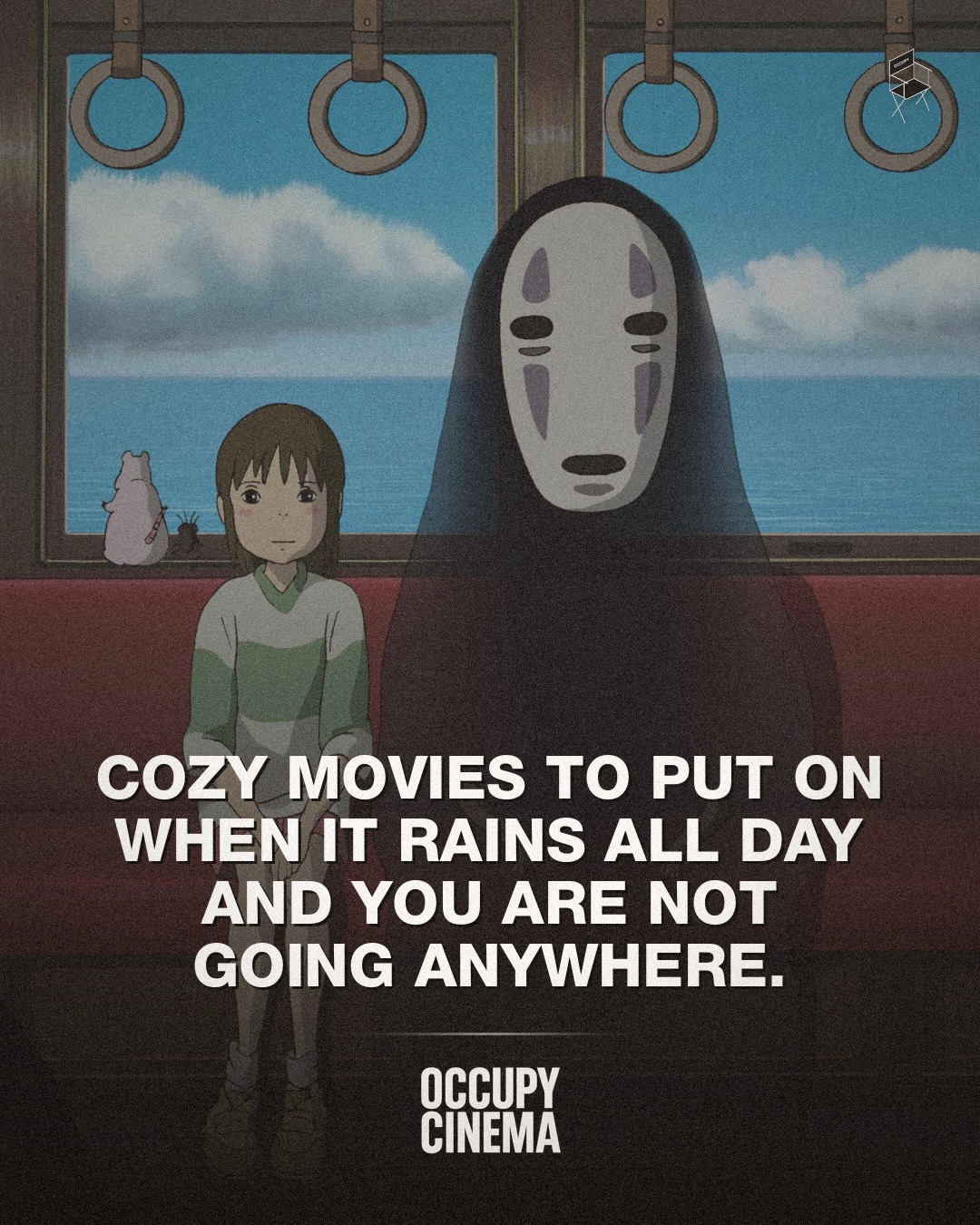
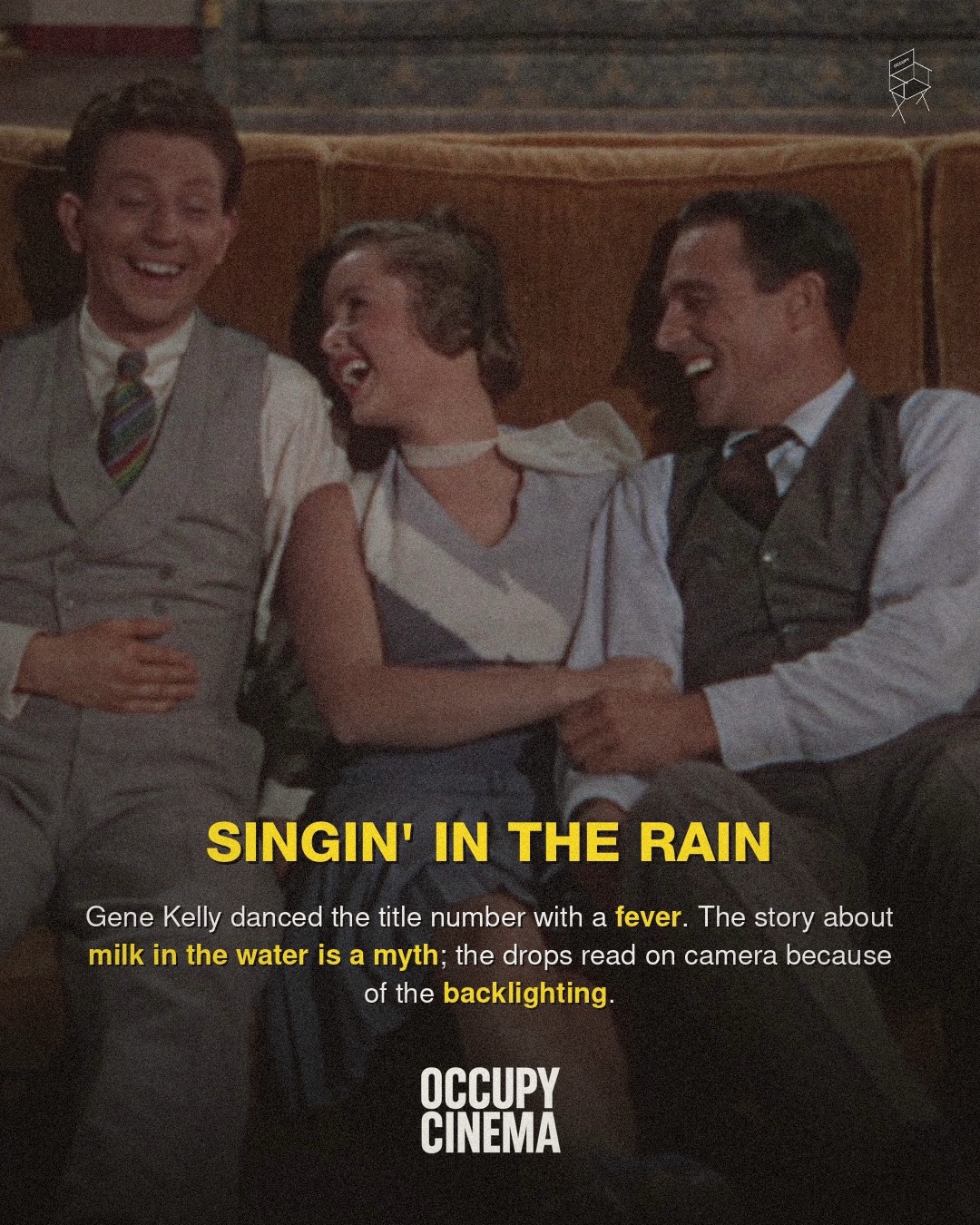
Atmospheric cinema is rarely an accident of weather. The films that populate rainy-day marathons and curated streaming watchlists did not stumble into their melancholic textures; they were engineered under precise mechanical constraints. When contemporary digital workflows lean on synthetic grain and LED volume walls to fabricate mood, classic and modern auteurs remind us that tactile friction remains the most reliable generator of cinematic intimacy.
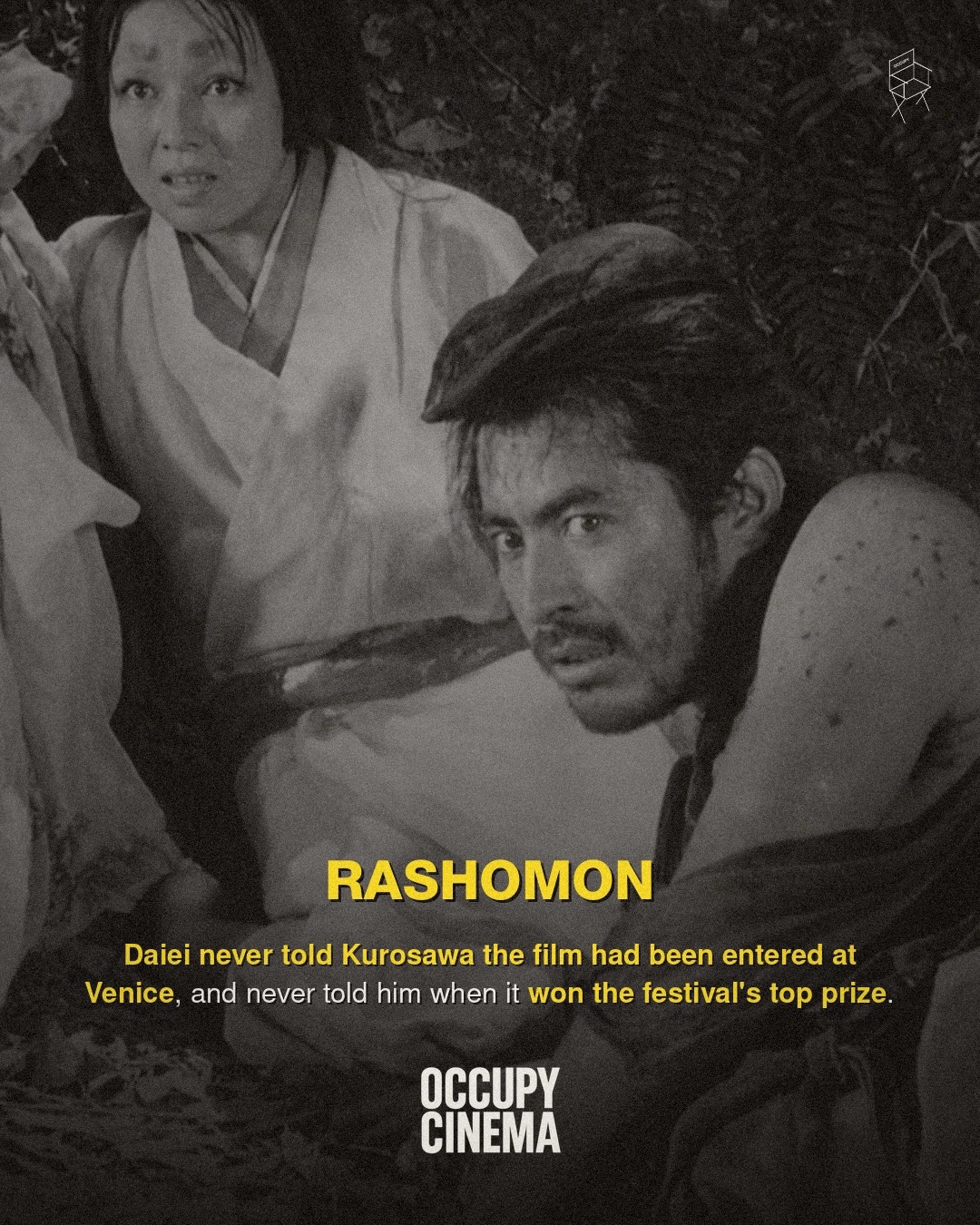
Consider the technical hurdle facing Akira Kurosawa on the set of Rashomon in 1950. Daiei Film had allocated a modest budget for the period drama, forcing the production to shoot outdoors in the scorching heat of Kyoto. To make torrential rain legible against the dappled foliage on monochrome 35mm stock, clear water was useless under direct sunlight. Cinematographer Kazuo Miyagawa solved the problem by rigging fire hoses fed with barrels of black calligraphy ink. The resulting downpour did not merely record on film; it cut across the frame with heavy, graphic violence, setting an aesthetic benchmark documented by critics at Sight and Sound for decades.
Engineering the Soundstage and the Street
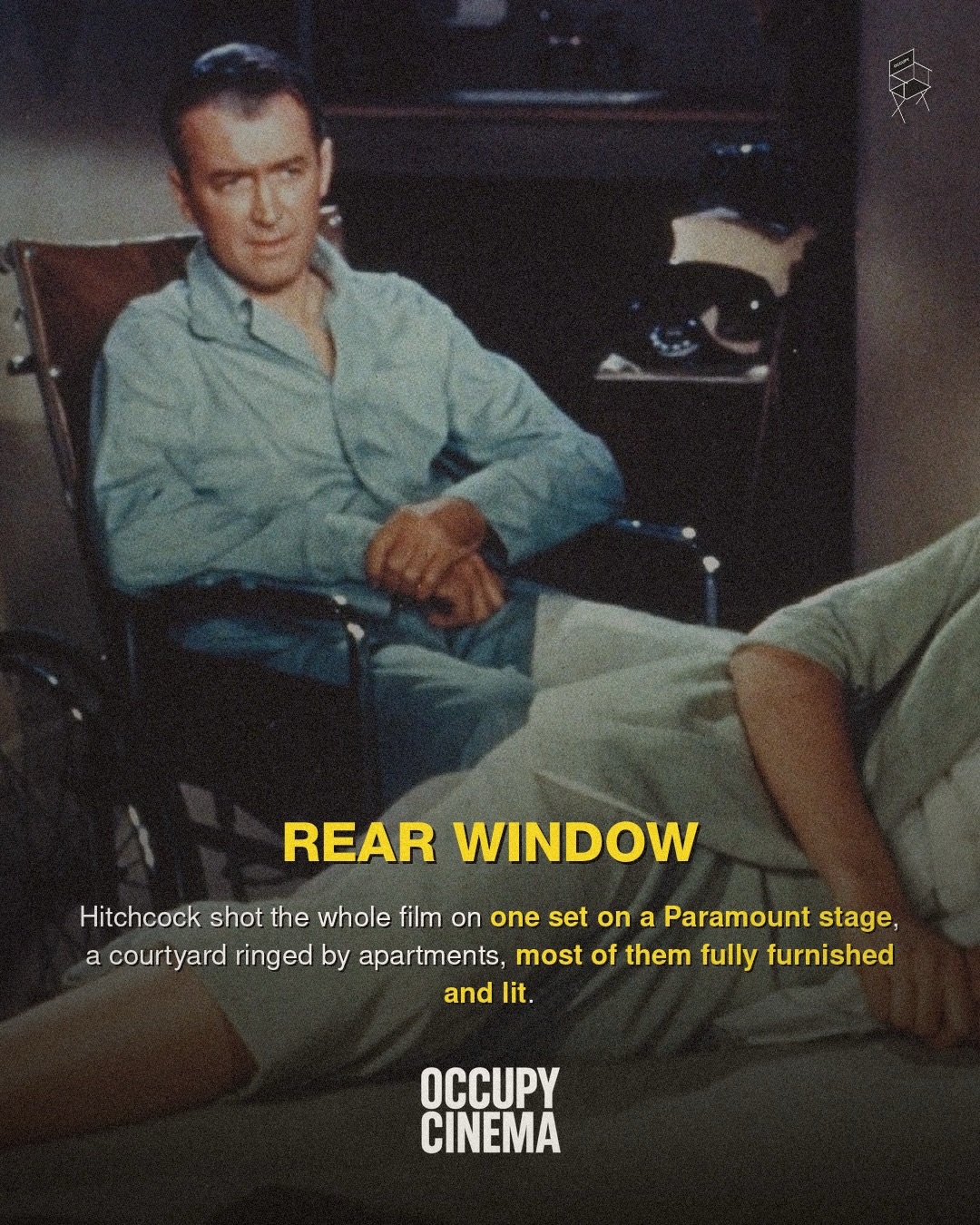
Studio architecture offered an alternate route to total spatial command. For Rear Window in 1954, Alfred Hitchcock demanded complete control over daylight transitions, ambient acoustics, and domestic surveillance. Rather than location scouting across Greenwich Village, Paramount built an enormous, fully functional courtyard across Stage 18. The set featured thirty-one individual apartments, twelve of which were fully furnished, complete with subterranean drainage systems to handle simulated summer storms. Hitchcock operated the entire ensemble through a shortwave radio console, spending nearly a quarter of the film’s budget on a single, self-contained universe.
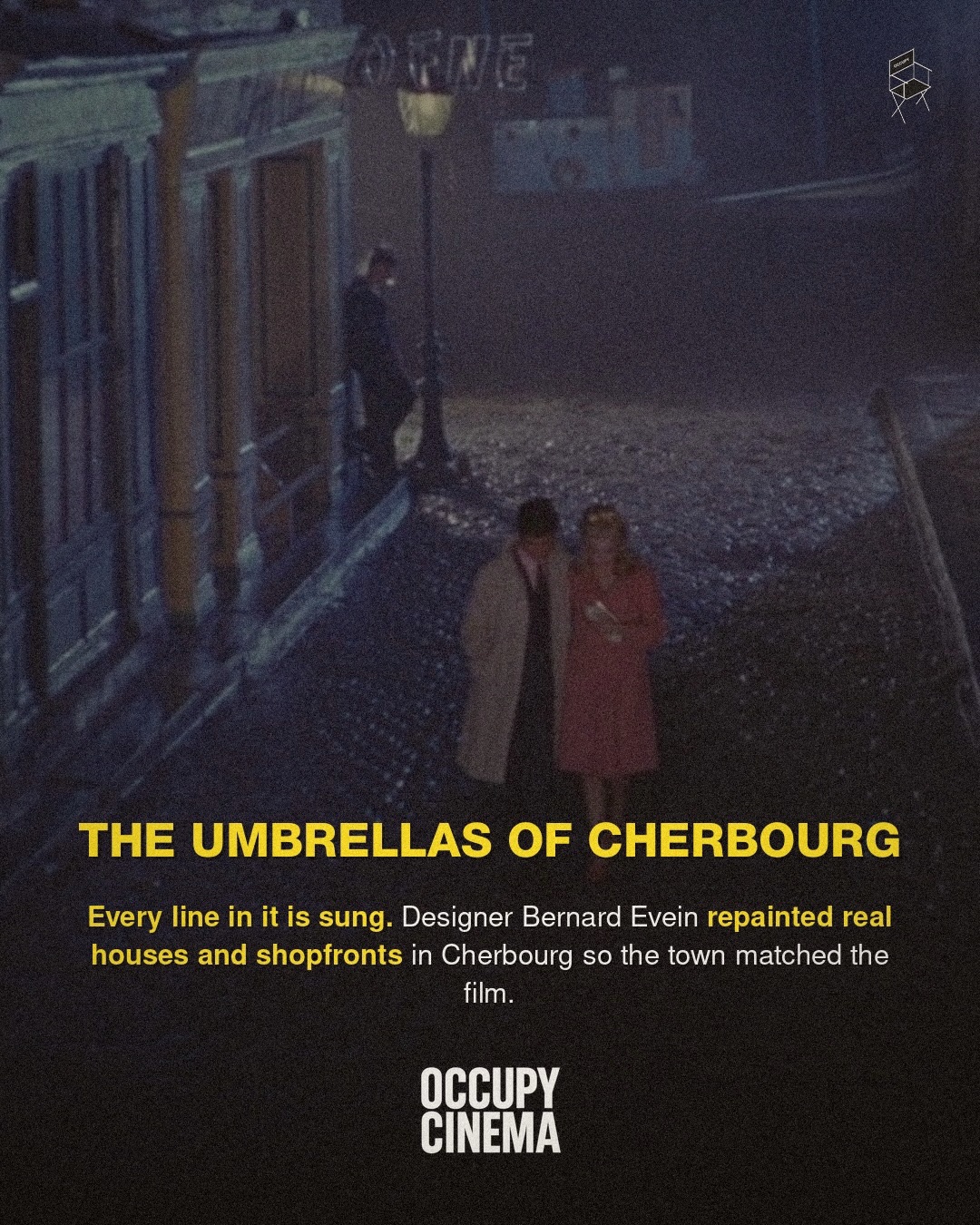
A decade later in France, Jacques Demy took the opposite approach to naturalism by pushing artificiality to its breaking point. In The Umbrellas of Cherbourg, every syllable of dialogue is set to Michel Legrand’s lush score. By painting the working-class port city of Cherbourg in hyper-saturated pastel palettes and rejecting spoken prose, Demy created an opera of everyday disappointment that earned the Palme d'Or at the 1964 Cannes Film Festival.
The Guerrilla Economy of Modern Mood
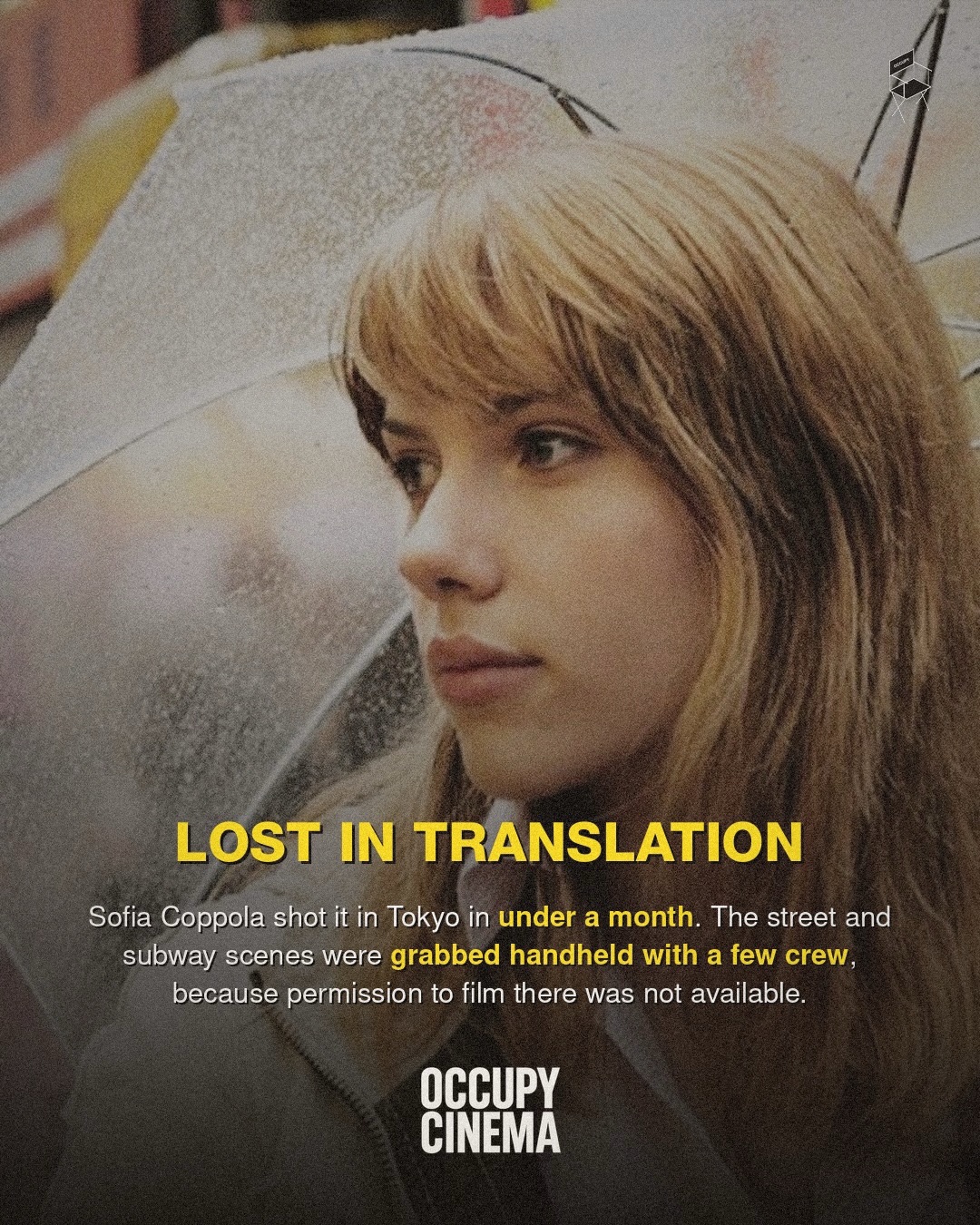
Physical constraints did not vanish with the transition to modern independent production. When Sofia Coppola shot Lost in Translation in the autumn of 2002, the four-million-dollar budget precluded standard municipal permits across central Tokyo. Cinematographer Lance Acord relied on compact Aaton 35mm cameras and high-speed Kodak stock, pushing the film into low-light sensitivity to capture natural neon illumination along Shibuya crossing. The run-and-gun logistics generated a spontaneous, floating alienation that digital green screens cannot replicate, ultimately returning over 118 million dollars in global theatrical revenue according to reporting compiled across IndieWire.
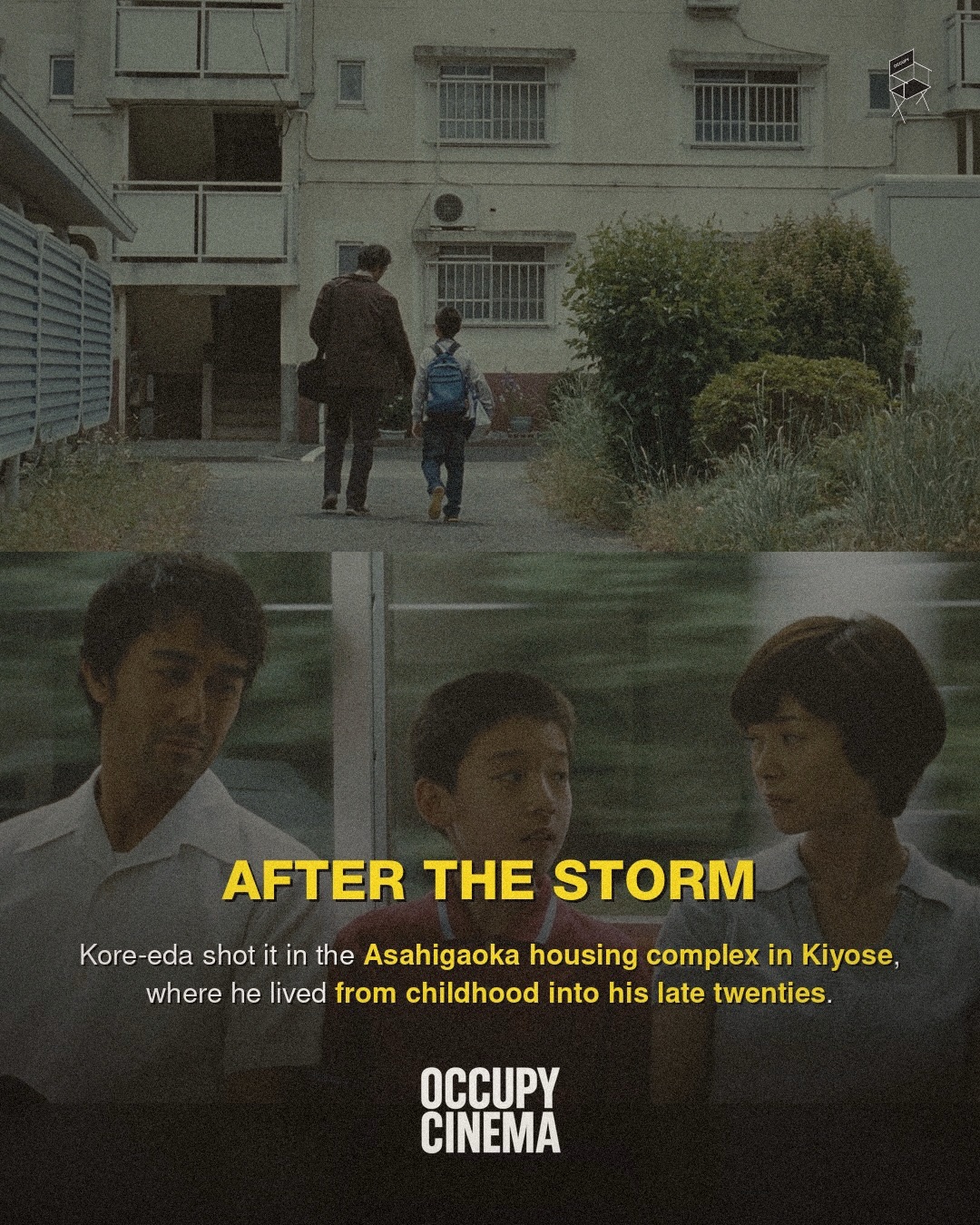
For Japanese master Hirokazu Kore-eda, spatial authenticity relies on personal geography rather than guerrilla stealth. His 2016 domestic drama After the Storm takes place largely inside a cramped, concrete public housing complex in Kiyose, Tokyo. Kore-eda chose the exact municipal estate where he lived from age nine to twenty-eight. The narrow hallways and aged linoleum dictated lens choices and natural blocking, rooting a story about stalled ambition in physical memory.
The enduring appeal of these titles is not simply nostalgia. It is the audience’s subconscious recognition of physical mass, ambient resistance, and practical craft. When weather, architecture, and light push back against the camera, cinema finds its weight.

Related reading: Aputure Amaran 200x S.