Occupy Cinema › Film News
Chasing the Golden Hour: How La La Land’s Griffith Observatory Scene Defied Digital
Seven years on, the meticulous craft behind Damien Chazelle's musical standout continues to define its legacy. The Griffith Observatory sequence remains a masterclass in practical filmmaking.
By Occupy Cinema ·
The Anatomy of a Cinematic Moment
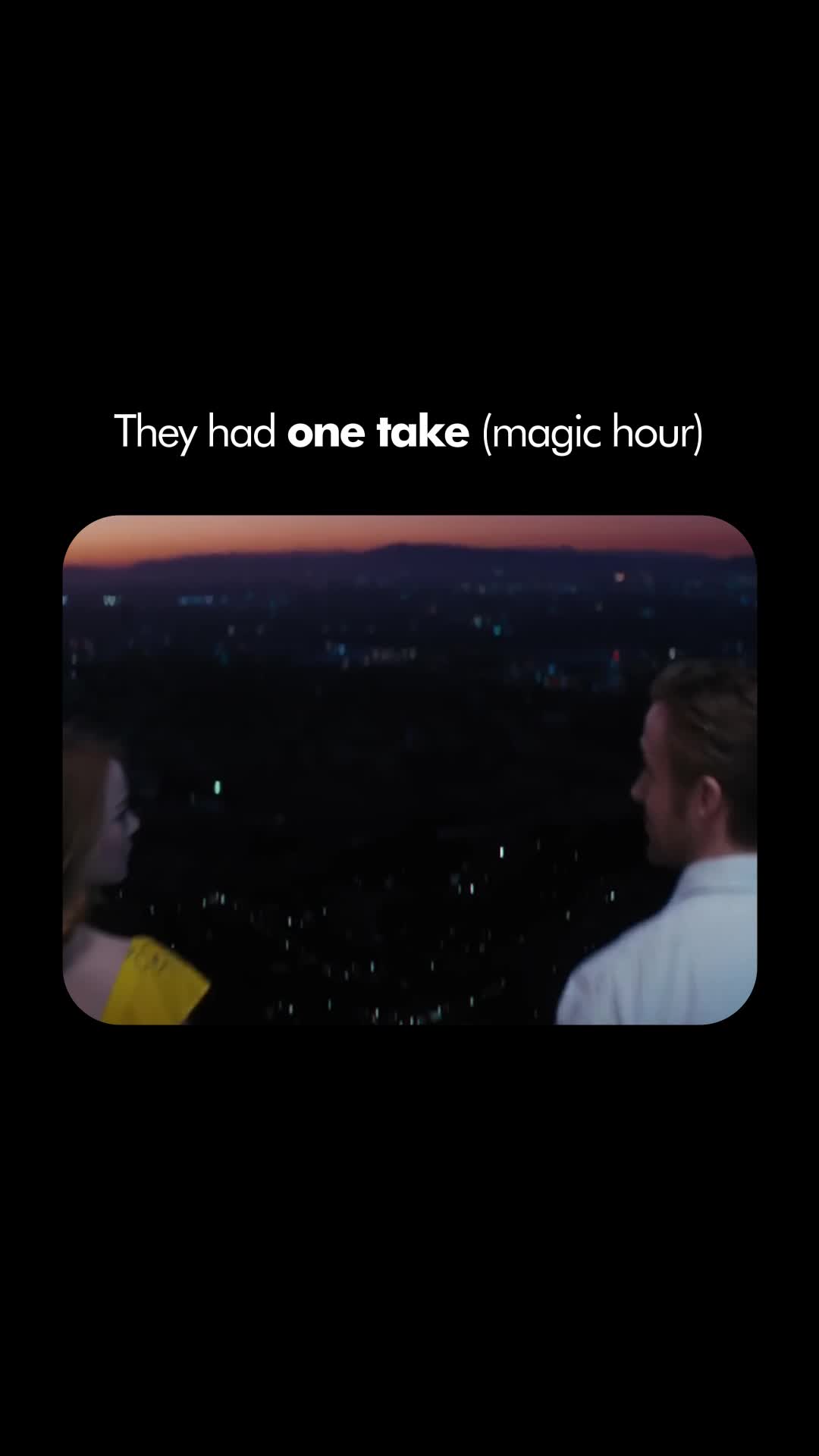
In 2016, Damien Chazelle's La La Land swept into cinemas, captivating audiences and critics alike. Beyond its narrative charm and musical numbers, the film was a technical marvel. Seven years later, its production stories still resonate, particularly the now-legendary Griffith Observatory sequence. This pivotal dance between Mia (Emma Stone) and Sebastian (Ryan Gosling) in the Hollywood Hills was not simply filmed, it was meticulously engineered around the fleeting beauty of natural light. The decision to shoot this entire sequence practically, without digital manipulation, underscores a commitment to craft that is increasingly rare in tentpole productions.
Director of Photography Linus Sandgren orchestrated an intricate ballet of camera movement, choreography, and blocking, all synchronized to the ephemeral magic hour. This window, lasting a mere 20 minutes each evening, demanded perfection. The visual progression from golden hour to twilight, with the city lights gradually illuminating below, became an organic character in the scene. The sky behind Stone and Gosling truly transitions from vibrant orange to soft pink, then deep purple, before settling into a nocturnal blue. This commitment to practical effects over CGI for such a critical visual element was a bold move, requiring weeks of rigorous rehearsal for a single, high-stakes take per night. The resulting cinematic poetry is undeniable, contributing significantly to the film's enduring appeal and its strong placement on viewer-curated lists like Letterboxd, where it holds a top spot among modern musicals.
The Production Power Play
Lionsgate backed La La Land, a $30 million gamble on an original musical in an era dominated by established IP. The film’s critical and commercial success, grossing over $447 million worldwide, validated this risk. It earned 14 Academy Award nominations, tying records held by All About Eve and Titanic, ultimately winning six Oscars, including Best Director for Chazelle and Best Cinematography for Sandgren. The Griffith Observatory scene was a microcosm of the film's overall aesthetic ambition: widescreen anamorphic photography, saturated colors, and a deliberate nod to 1950s Hollywood musicals. This wasn't merely nostalgia; it was a reinterpretation, executed with modern precision and a profound respect for cinematic history.
The meticulous planning extended beyond the observatory. The film's opening freeway sequence, a single-take musical number involving dozens of dancers and cars, was another testament to its practical filmmaking ethos. These complex set pieces were not just showy; they served the narrative, immersing the audience in a heightened reality that felt both grand and intimate. This approach differentiates La La Land from many contemporaries, where similar sequences might rely heavily on greenscreen and post-production effects. The tangible quality of the lighting, the authentic movement of the camera, and the unadulterated performances give these moments an emotional weight that digital augmentation often struggles to replicate. The Hollywood Reporter noted the challenges Sandgren faced in capturing the specific hues of dusk, a task made more complex by the film's chosen anamorphic format, which often requires more light.
Ultimately, La La Land became more than just a successful film; it became a benchmark for a certain kind of cinematic ambition. The commitment to capturing natural phenomena, even at immense logistical cost, paid dividends. It created moments that felt genuine, magical, and irrevocably tied to the physical world, offering a counter-narrative to the increasingly virtual landscapes of modern blockbusters. This dedication to practical artistry, epitomized by that single, perfect dance at magic hour, remains a potent reminder of cinema's power to transport and enchant.