Occupy Cinema › Box Office
TIFF Market: Indie Acquisitions Face a New Reality After 'Obsession' Anomaly
The Toronto International Film Festival market opens, but the shadow of last year's record-breaking acquisition looms large over independent film sales. Buyers are cautious, distributors are strategic, and the theatrical landscape continues its seismic shift.
By Occupy Cinema ·
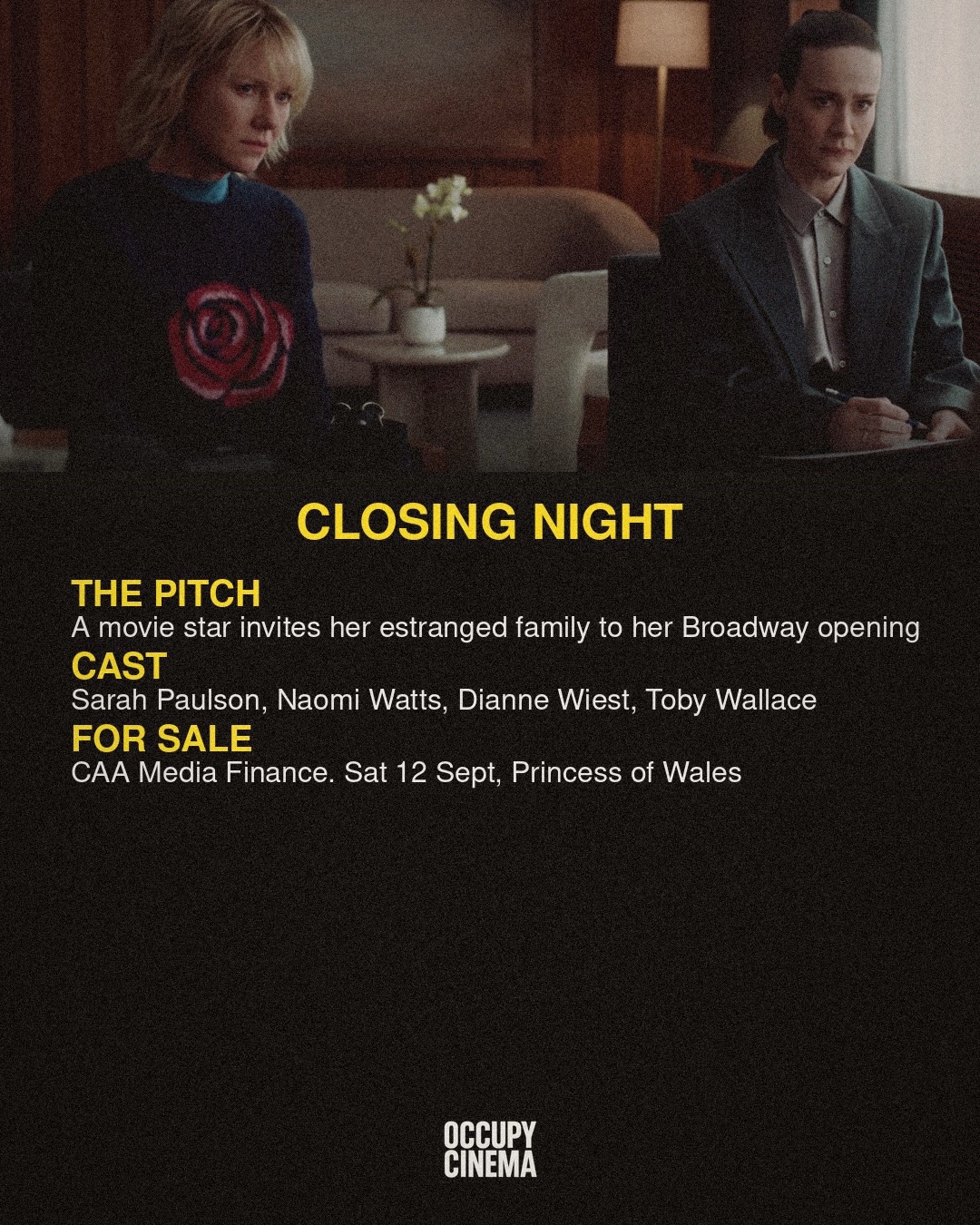
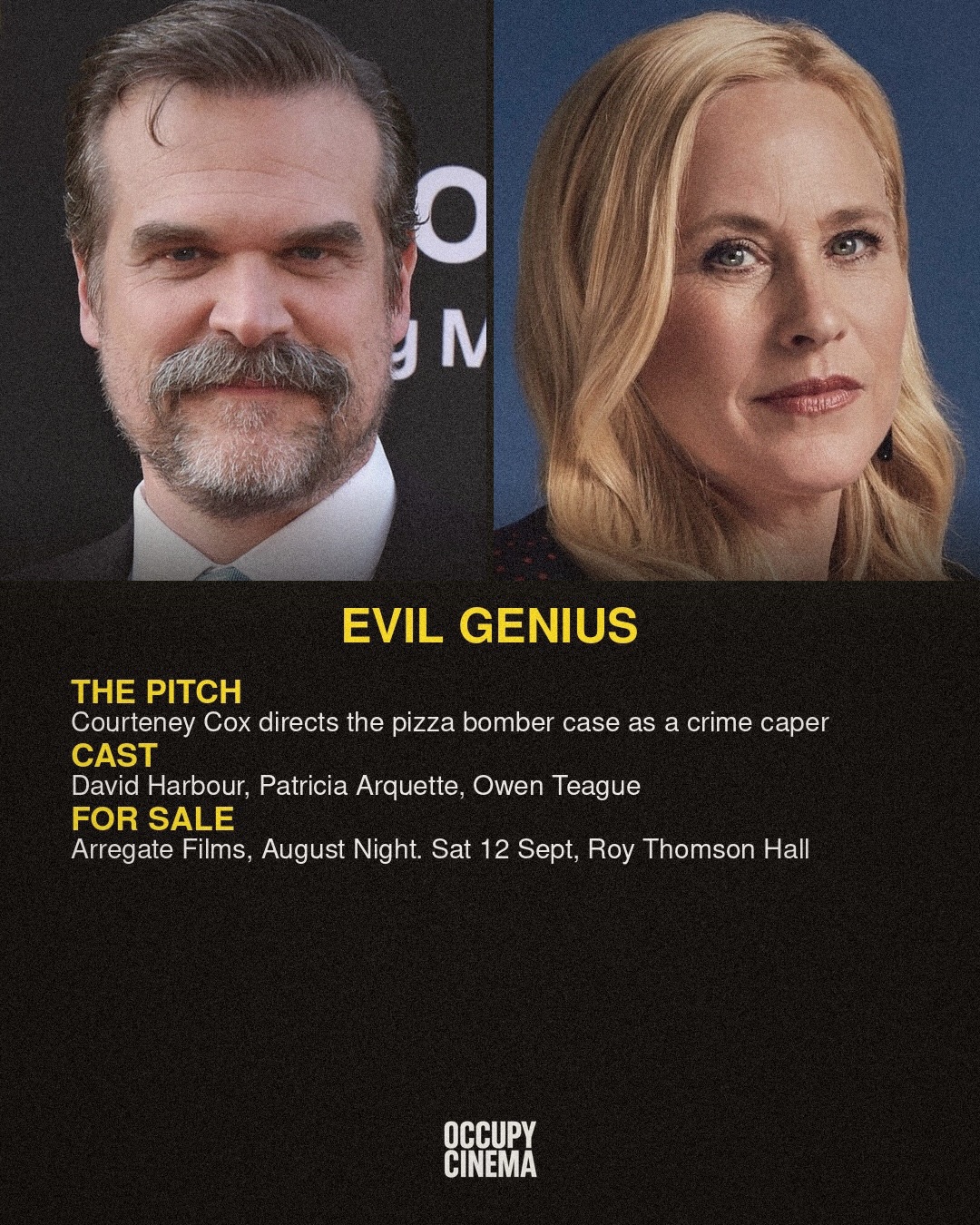
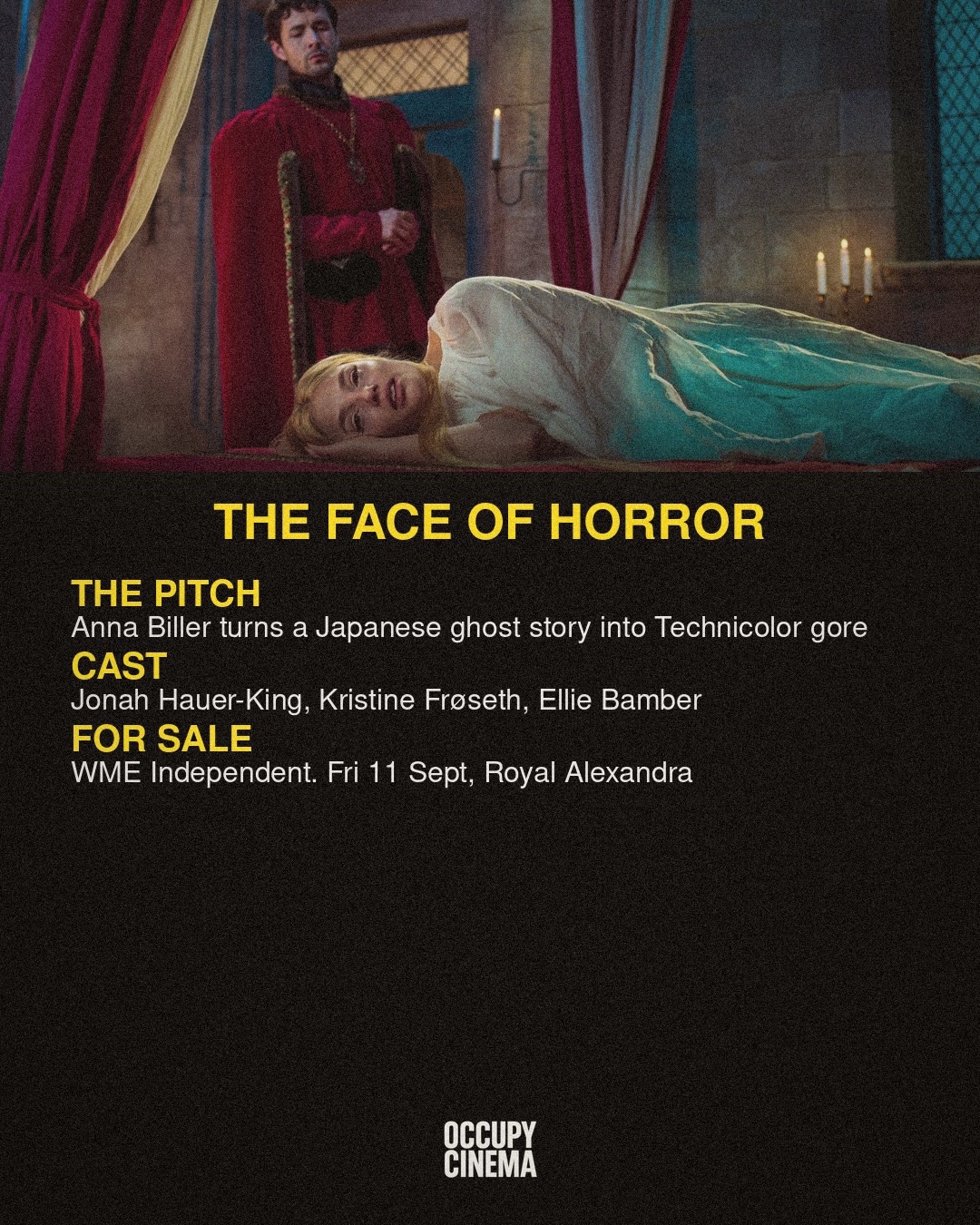
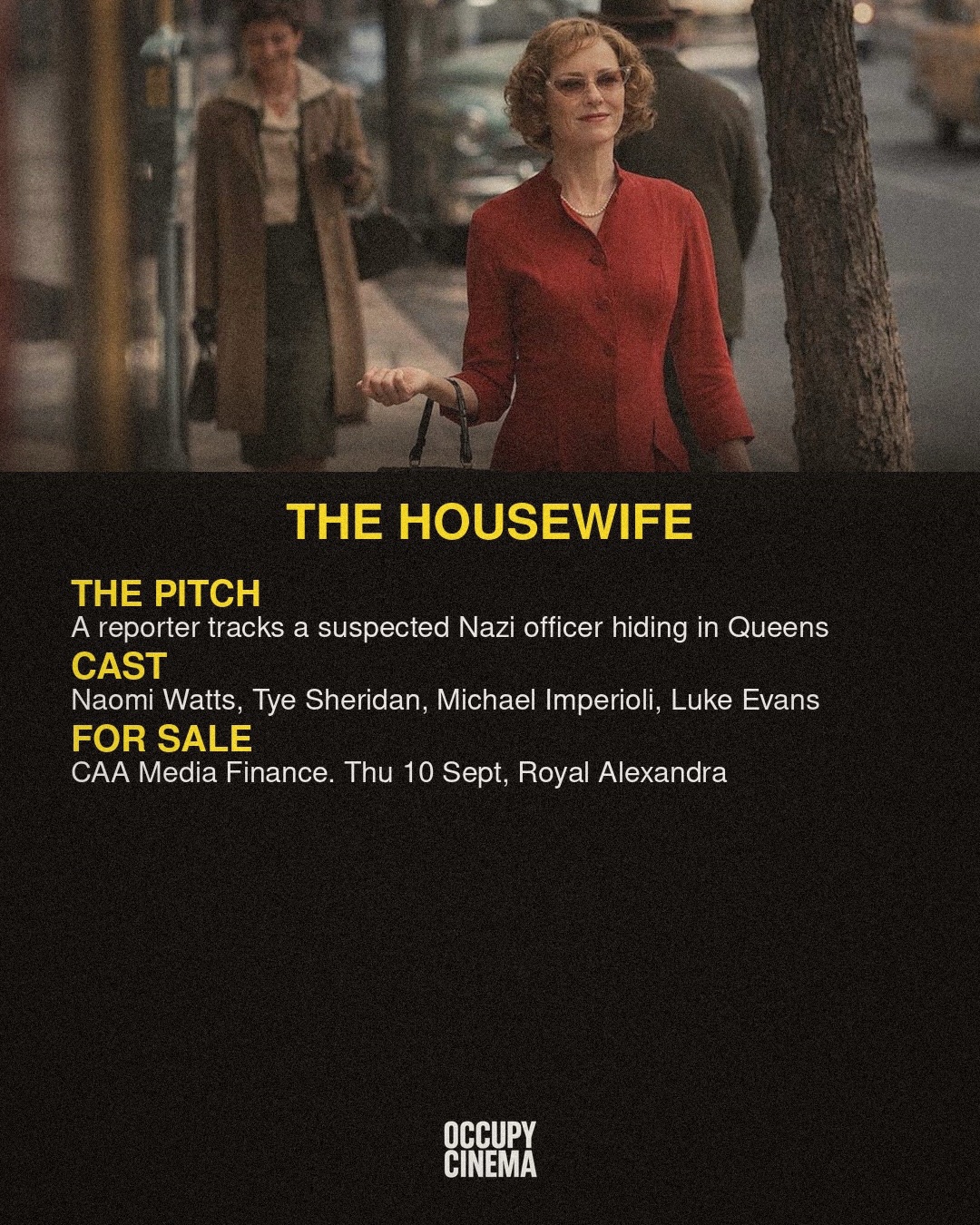
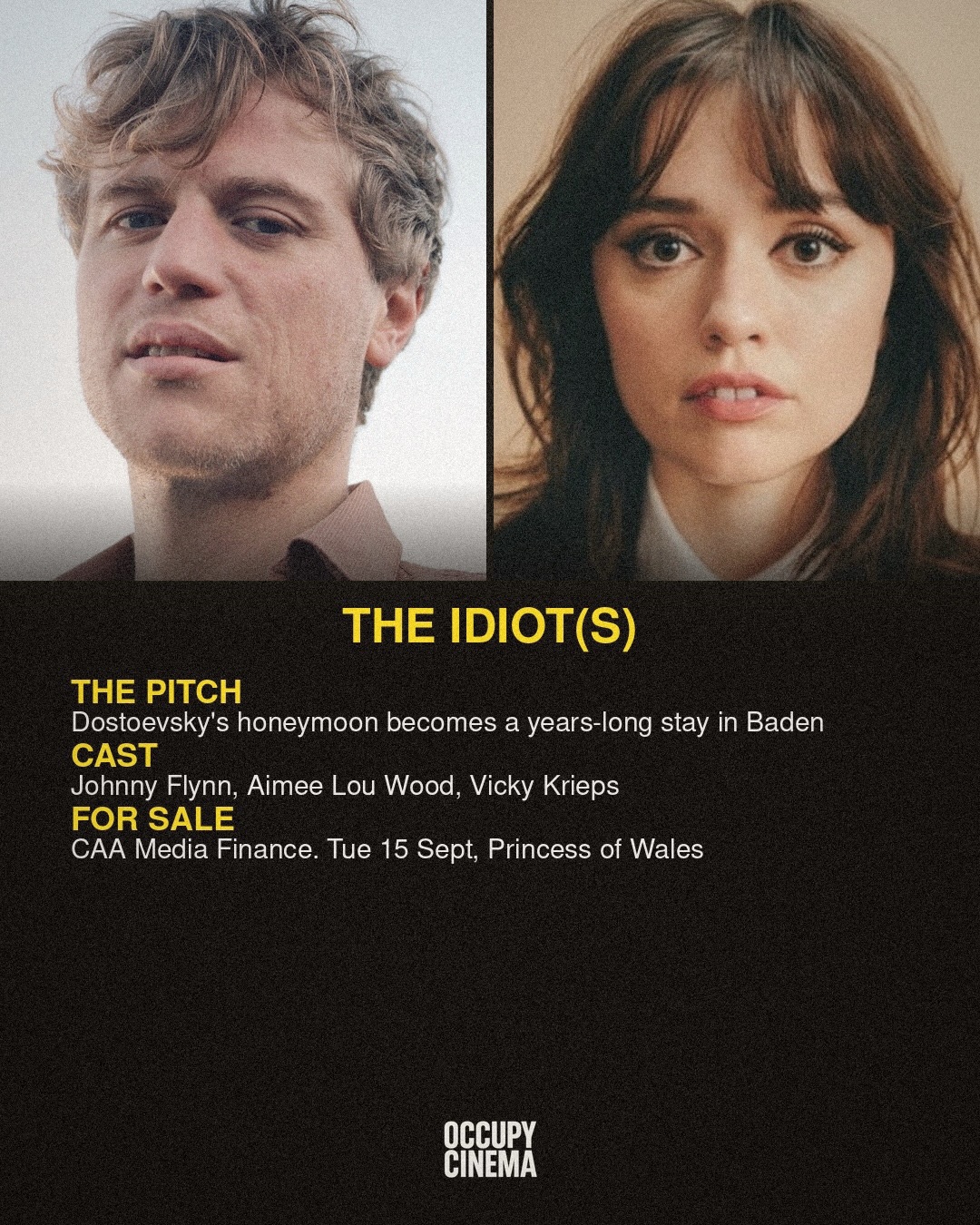
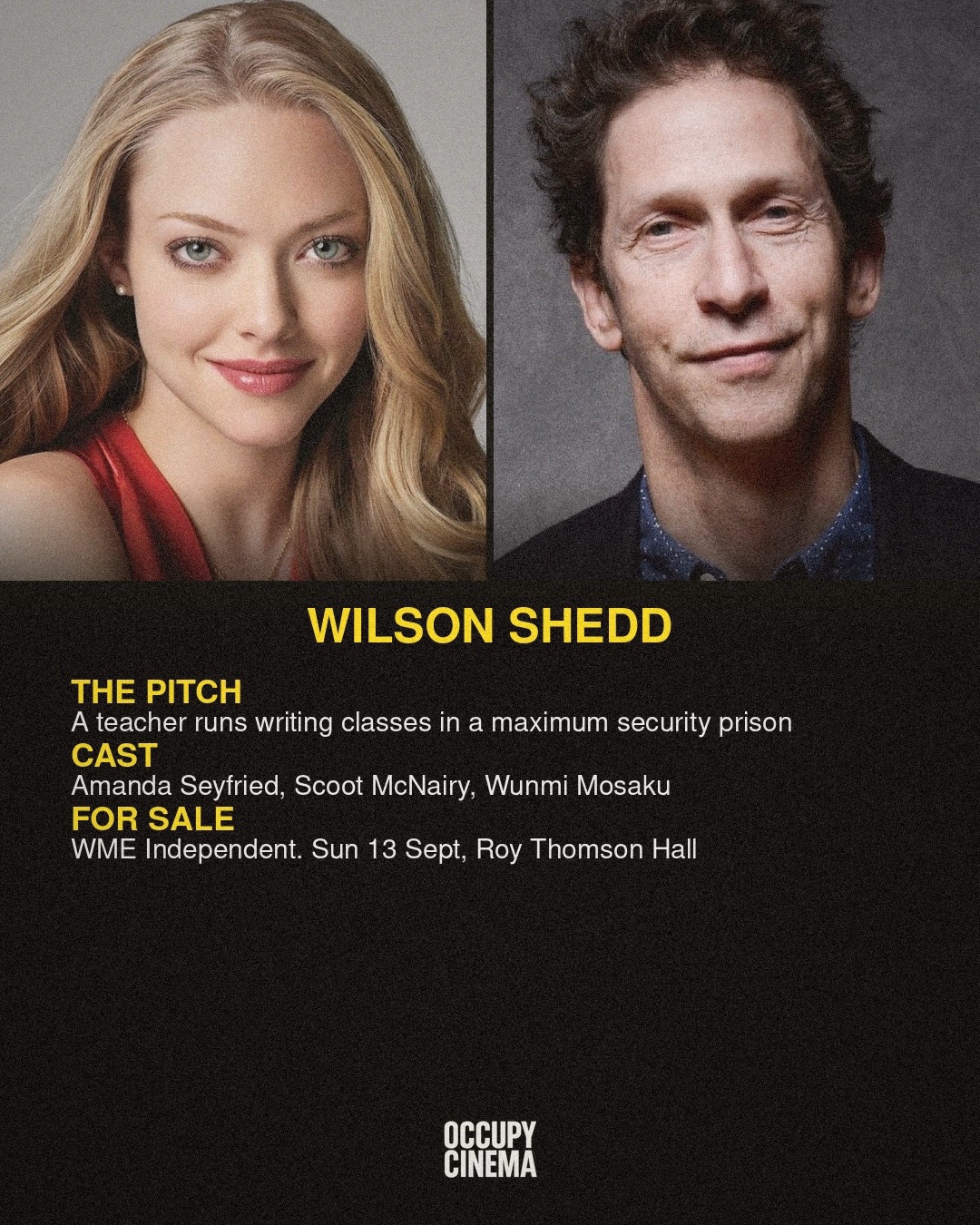
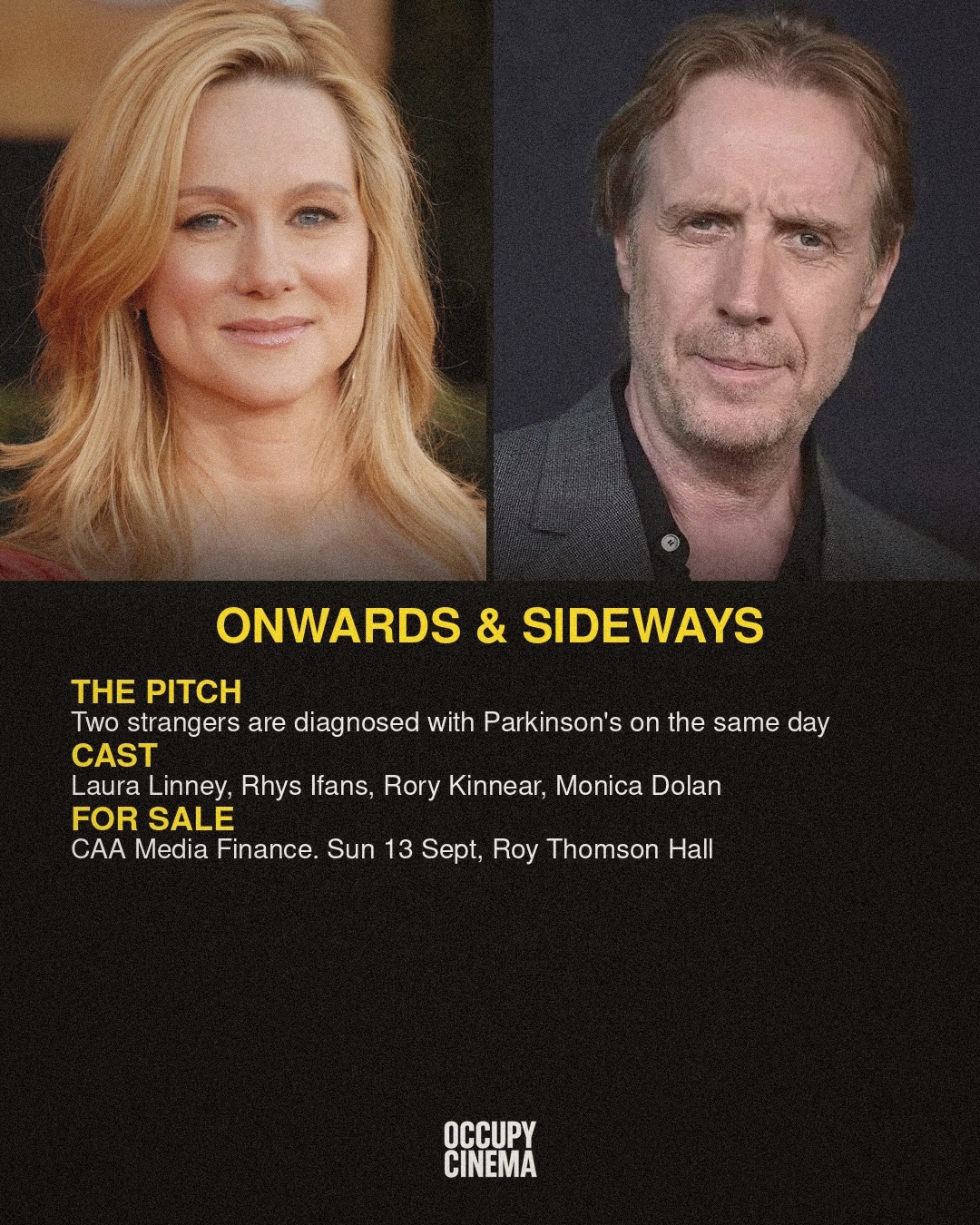
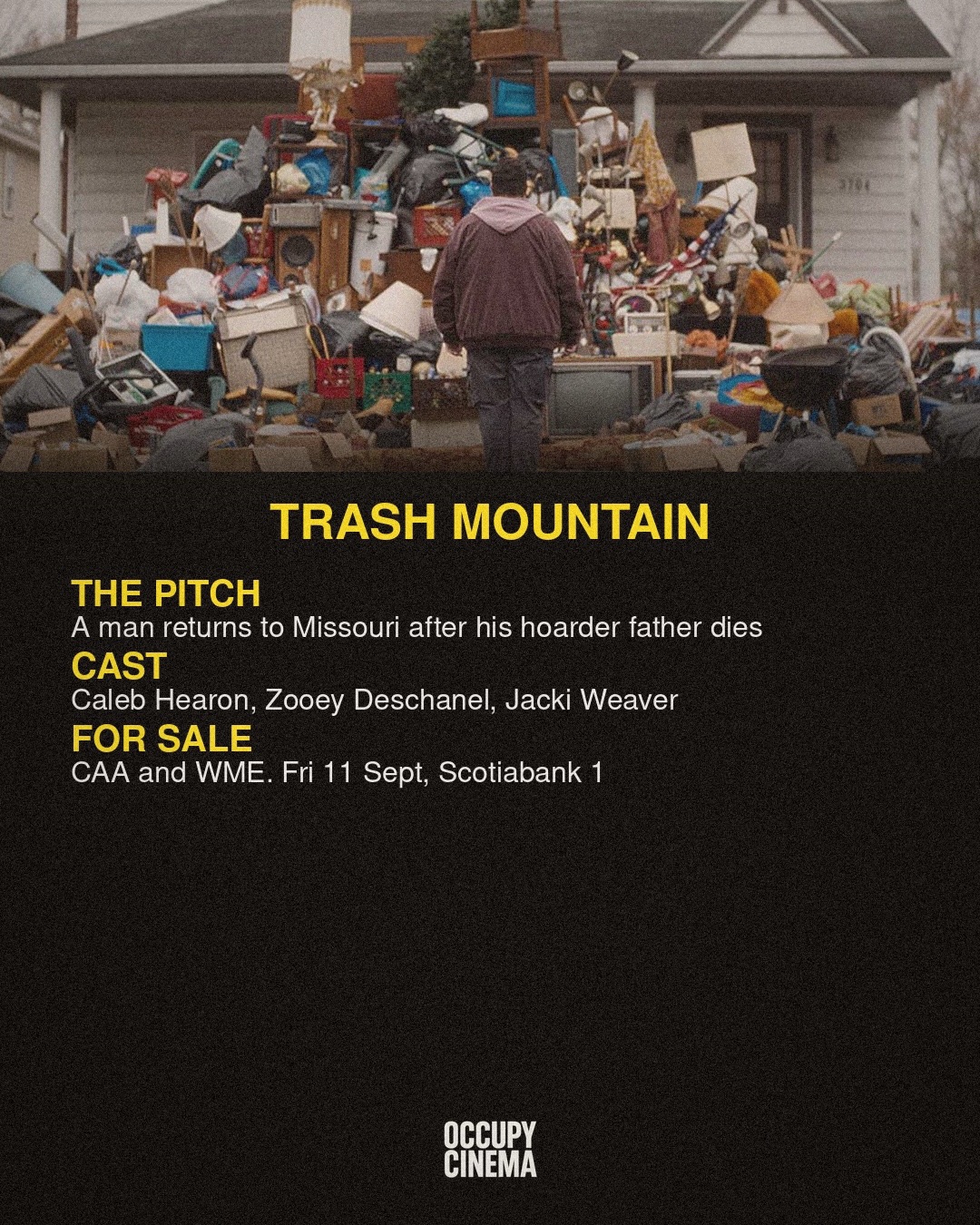
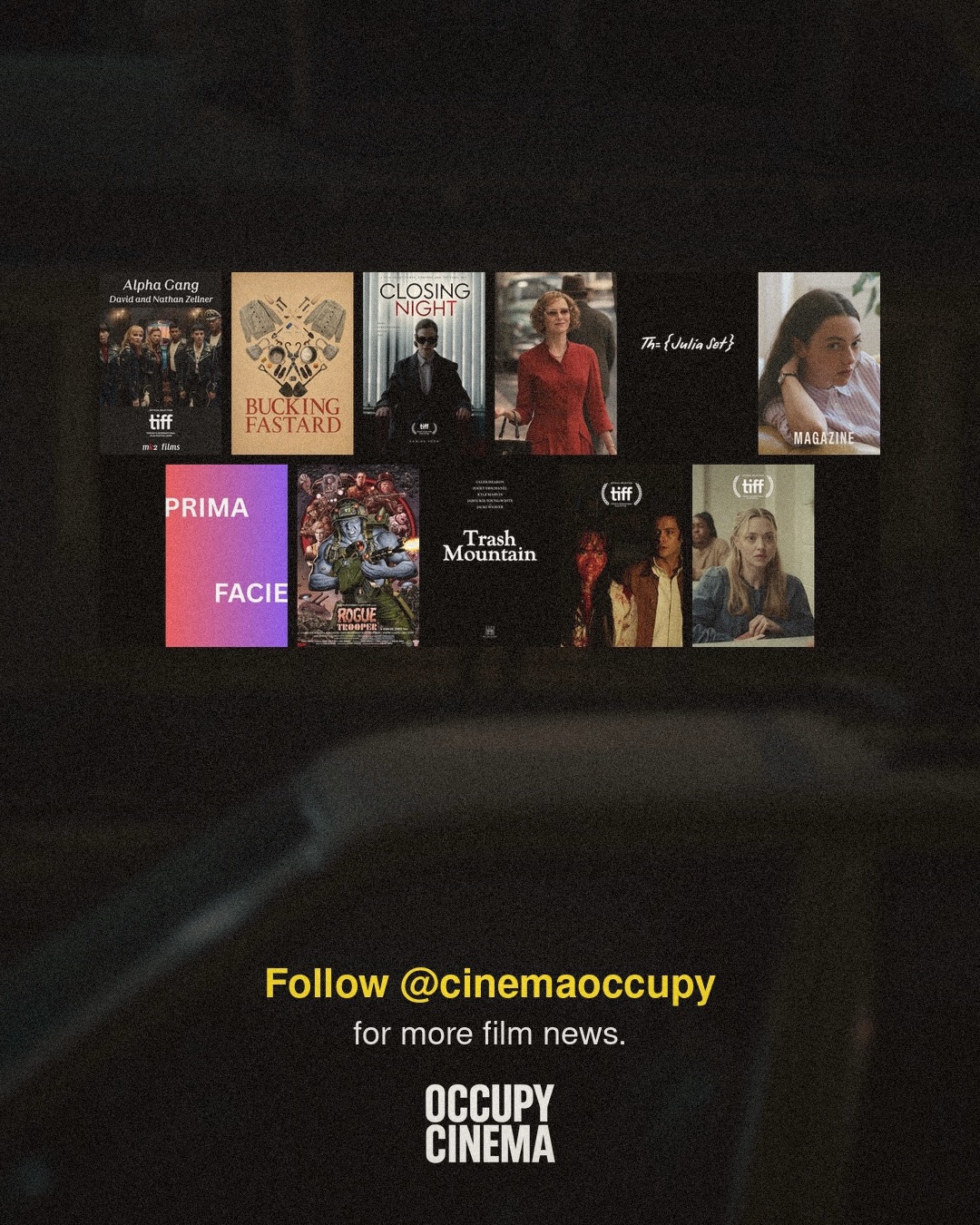
The Toronto International Film Festival (TIFF) market is officially underway, and the buzz this year is less about bidding wars and more about recalibration. Over 150 exhibitors are showcasing films, all vying for distribution deals, yet the atmosphere is markedly different from just twelve months ago. Last year’s market saw ‘Obsession’ shatter records, becoming the highest-grossing festival acquisition ever with an astounding $512 million worldwide. That figure, however, has become less a benchmark and more a cautionary tale for the independent sector.
Industry insiders are quick to label ‘Obsession’ an anomaly, a rare confluence of critical acclaim, audience appeal, and a perfectly executed release strategy that proved impossible to replicate. The film’s success was fueled by a theatrical window that allowed word-of-mouth to build organically, a luxury increasingly denied to small and mid-sized independent features today. Exhibitors, facing their own pressures, are less willing to commit to extended runs for films without immediate, proven box office traction. This shift fundamentally alters the value proposition for buyers, making many wary of overpaying for potential.
The Evolving Landscape of Independent Film Distribution
The current market reflects a deepening divide in the film industry. While tentpole blockbusters continue to command significant screen time and marketing budgets, the space for independent cinema is shrinking. Distributors are now more selective, often prioritizing films with pre-existing audience recognition, established talent, or a clear path to streaming profitability. The days of a compelling independent film slowly finding its audience in theaters are largely over, replaced by a hyper-accelerated release cycle that demands immediate impact. Many buyers are seeking hybrid release strategies from the outset, blending limited theatrical runs with premium video-on-demand or direct-to-streaming platform launches.
This strategic pivot is not without its casualties. Filmmakers, particularly emerging voices, face an uphill battle to secure meaningful distribution that allows their work to be seen by a broad audience. The pressure to deliver immediate returns means that risk-averse distributors often bypass nuanced, character-driven dramas or experimental features in favor of more commercially viable genre fare. The sheer volume of content available, coupled with the fragmented nature of audience attention, means that even a strong festival premiere does not guarantee a successful acquisition or a profitable release.
Moneyballing the Movies: Data vs. Discovery
The Toronto market, running alongside the main festival until September 16, presents a stark challenge: how to balance the artistic merit of the official selections with the cold, hard numbers of market viability. For every film that generates critical buzz, there are dozens more struggling to find a home. Buyers are increasingly relying on data analytics to inform their decisions, scrutinizing audience demographics, comparable titles’ performance, and social media engagement potential. This data-driven approach, while pragmatic, risks stifling the discovery of truly original voices that don't fit neatly into existing market algorithms.
The impact of shifting exhibition strategies is undeniable. The traditional two-week theatrical window, once a standard for independent releases, has become a luxury. Many films now receive a mere one-week run, or even a day-and-date release across multiple platforms, diluting their theatrical impact and making it harder to build momentum. This accelerated cycle places immense pressure on marketing teams to generate immediate awareness, often without the budgets afforded to studio productions. For a significant number of the eighteen films playing in the official selection and seeking buyers, this market will be a true test of their commercial appeal in a landscape that has grown increasingly unforgiving to the independent spirit.
Ultimately, the TIFF market underscores a critical moment for independent film. While the dream of another 'Obsession' remains, the reality is that the path to profitability for smaller films is more complex and competitive than ever. The festival serves as a vital platform, but securing a deal now requires more than just critical acclaim; it demands a clear, financially sound strategy for reaching audiences in a rapidly evolving entertainment ecosystem. The industry waits to see which films, if any, will defy the new market logic and carve out their own success stories.