Occupy Cinema › Box Office
Why Lilly Wachowski Cannot Get a $10 Million Thriller Made
Despite billions in lifetime box office, Lilly Wachowski faces an industry standoff over 'The Hunted', proving the mid-budget indie crisis spares no one.
By Occupy Cinema ·
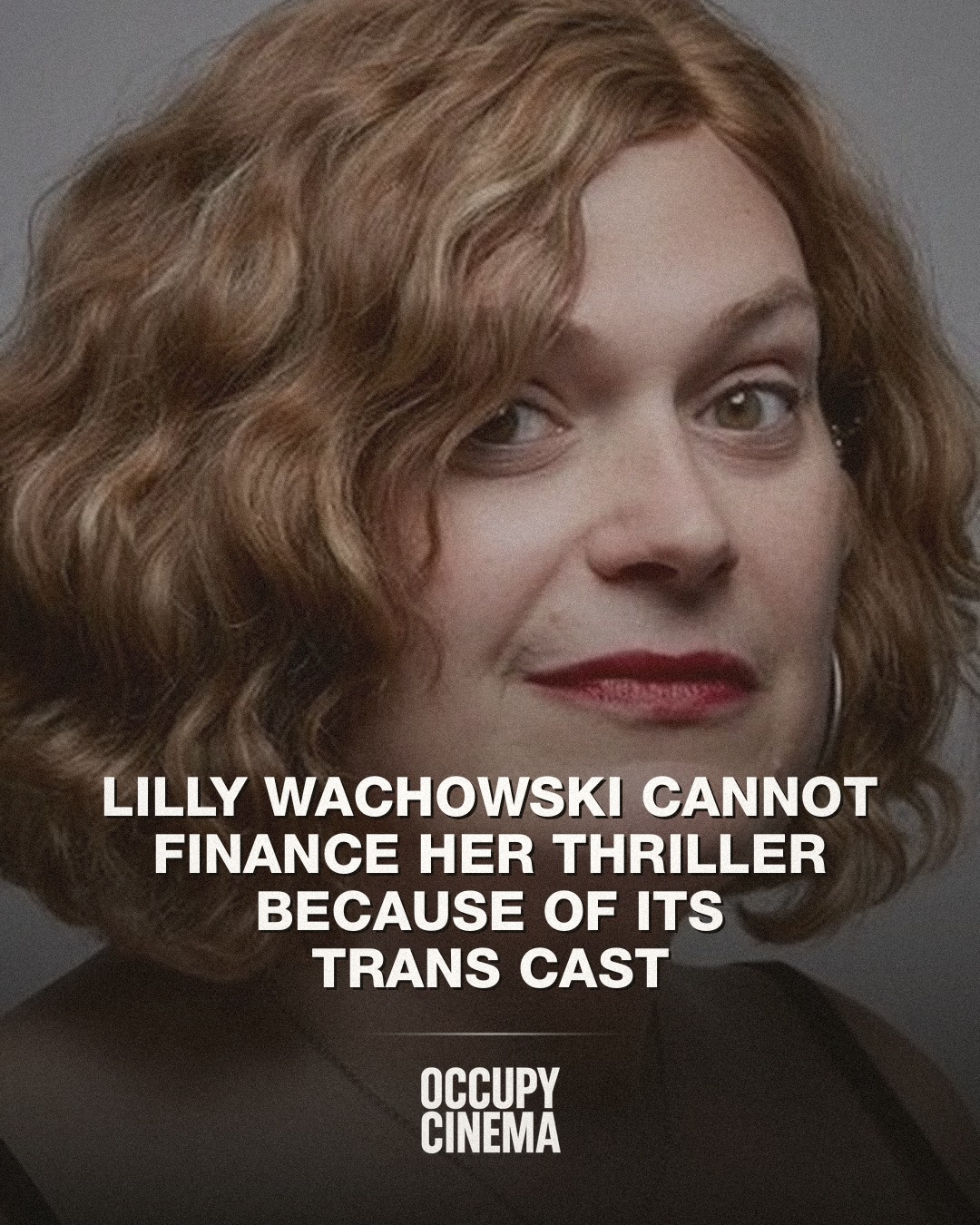
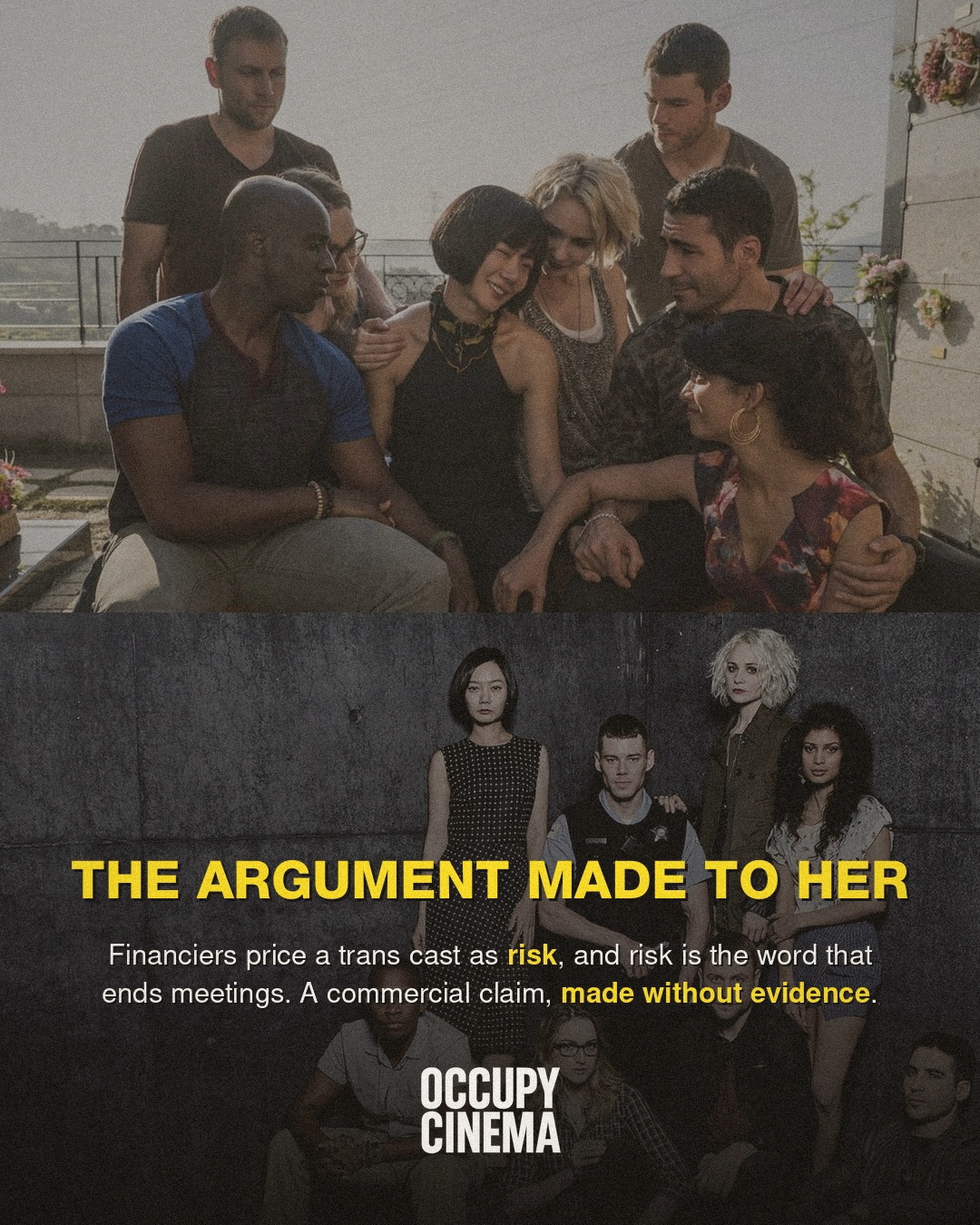
A filmmaker with four billion dollars in career box office revenue cannot secure ten million dollars for an original political thriller. Speaking on KCRW's The Business, Lilly Wachowski detailed the wall of polite refusal greeting her latest screenplay, titled The Hunted. Written alongside Mickey Ray Mahoney, the project has garnered praise across executive suites, paired with a complete refusal to write the check. The sticking point is not the genre or the scale. It is the decision to cast trans actors across the entire ensemble.
The impasse illustrates a persistent double standard in the film finance ecosystem. Hollywood frequently defends its risk aversion by citing untested intellectual property or bloated budgets. In this case, Wachowski is asking for a modest, contained budget to shoot a high-concept action thriller. Yet financiers continue to push back on the casting framework, exposing how corporate calculations around international sales and demographic risk choke projects before they reach physical production.
The Vanishing Ten-Million-Dollar Canvas
The ten-million-dollar price tag sits directly inside the most dangerous budget tier in contemporary cinema. Studio slates have largely eliminated the five to fifteen million dollar zone, leaving independent packaging models dependent on foreign pre-sales, state tax credits, and private equity gap financing. According to industry reporting from IndieWire, international sales agents remain deeply conservative when pricing non-traditional ensembles, systematically devaluing projects that center marginalized perspectives in commercial genre wrappers.
Wachowski is no stranger to building groundbreaking work out of low-risk seed capital. In 1996, alongside sister Lana Wachowski, she directed the neo-noir Bound for just 4.5 million dollars through Dino De Laurentiis. That film proved the duo could execute razor-sharp genre mechanics, tension-building camerawork, and tight sound stages on a shoestring. It served as the direct audition for Warner Bros. to back 1999's The Matrix, a film that reset visual effects benchmarks and redefined global studio tentpoles.
Genre Pedigree Meets Market Hesitation
The resistance to The Hunted also runs counter to Wachowski's proven television track record. On Netflix's sprawling globe-trotting series Sense8 and later on Showtime's Work in Progress, Wachowski consistently demonstrated that queer, trans, and intersectional narratives can sustain production scale, critical acclaim, and passionate global fanbases. Even so, the theatrical landscape covered by trade outlets like The Hollywood Reporter remains far more risk-phobic, particularly when projects step away from established franchise IP.
Financiers often embrace trans stories only when they arrive packaged as prestige festival dramas or micro-budget character studies made for under two million dollars. When an auteur attempts to port trans visibility into an unapologetic, adrenaline-fueled political thriller, the legacy financing apparatus retreats. Wachowski noted that her path forward will require creative financing structures and alternative avenues of distribution.
If a household name responsible for reshaping modern cinematic grammar cannot move a ten-million-dollar genre picture through traditional channels, the independent financing machine is fundamentally misaligned with creative culture. The real challenge for independent film today is not finding audiences for bold ideas; it is bypassing the gatekeepers who still believe commercial genre and trans cinema cannot coexist.
Related reading: Audition (Michael Shurtleff).