Occupy Cinema › Development
Lionsgate Resurrects 'Leprechaun' with 'Saw' Franchise Veterans
Patrick Melton, Marcus Dunstan, and producer Oren Koules are teaming up to reboot the 33-year-old horror property for Lionsgate.
By Occupy Cinema ·
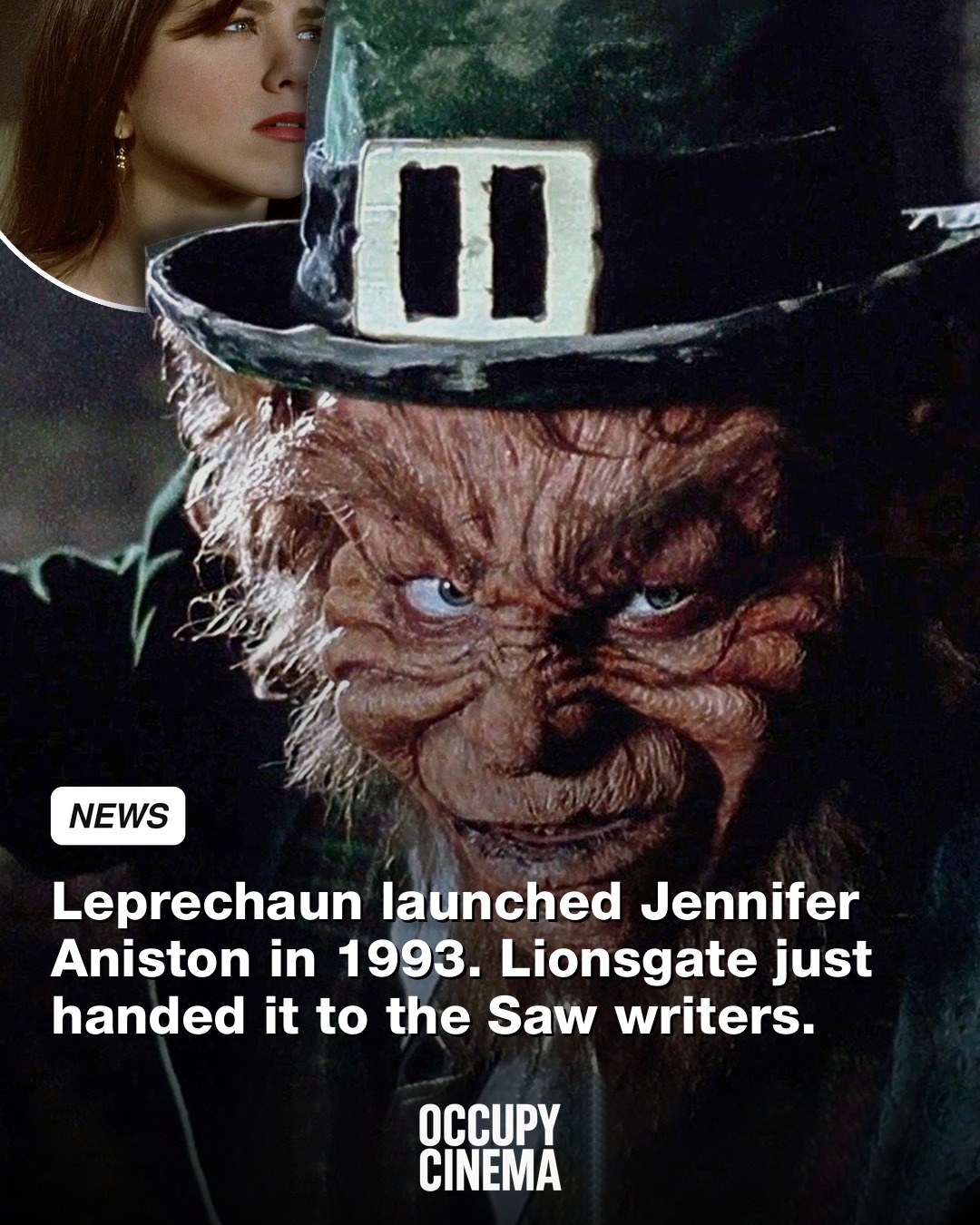
Lionsgate wants back in the killer gold business. The studio is officially developing a fresh installment in the Leprechaun franchise, bringing in veteran horror screenwriters Patrick Melton and Marcus Dunstan to pen the script. Oren Koules and Miles Koules will produce through Koulest Productions. No director, lead cast, or release date has been locked down yet. The move signals a clear studio strategy to extract fresh theatrical value from a thirty-three year old intellectual property that remains remarkably durable among genre audiences.
Money drives every studio development decision, and the horror sector consistently delivers the highest return on investment in contemporary cinema. Oren Koules brings serious box office lineage to this revival project, having produced all ten entries in the Saw box office franchise, which has generated over $1 billion worldwide. Melton and Dunstan are equally entrenched in that high-grossing ecosystem. The writing duo crafted scripts for Saw IV through Saw 3D, alongside their cult hit The Collector and its sequel. Their inclusion points toward a darker, more kinetic take on the character than the direct-to-video entries of the early 2000s.
Thirty-Three Years of Camp and Coin
The original Leprechaun landed in theaters in 1993. Distributed by Trimark Pictures and produced on a modest budget, it earned over $8 million at the domestic box office before transforming into a home video power generator. The film notably served as Jennifer Aniston's feature debut prior to her television stardom. Veteran actor Warwick Davis portrayed the titular villain across six consecutive entries, anchoring the character through absurd genre shifts. Across eight total films, the series journeyed from rural North Dakota to outer space, visited urban environments, and underwent multiple direct-to-video reboots.
Balancing self-aware comedy with genuine tension requires a distinct screenwriting hand. Melton and Dunstan built their industry credentials through high-concept horror setups, defined by aggressive pacing, visceral practical effects work, and sharp character dynamics. Transitioning a property famously known for rhyming limericks and pogo stick kills into the contemporary horror landscape requires careful tonal calibration. Modern genre audiences demand polished cinematography, heavy practical makeup, and precise sound design over cheap digital visuals. The duo's history with long-running horror sagas gives them exact knowledge of how to structure high-yield set pieces on controlled budgets.
The Modern Legacy Sequel Playbook
Lionsgate is executing a playbook that mirrors broader theatrical trends. Directors like David Gordon Green proved that legacy slasher properties can command massive box office attention when given disciplined production budgets and fresh creative vision. According to reporting from The Hollywood Reporter movie industry updates, low to mid-budget genre cinema continues to yield the most reliable profit margins for major distributors. Lionsgate maintains an aggressive footprint in this sector, leveraging established horror brands like Saw, The Strangers, and Blair Witch to fill out its theatrical calendar.
The ultimate success of this reboot will depend on how seriously the creative team treats its core monster. Modern horror audiences welcome absurd premises as long as the craft and execution remain uncompromising. If Melton, Dunstan, and Koulest Productions deliver an inventive, practical slasher that respects the cult origins of the character, Lionsgate could easily turn a dormant video rental staple into a recurring theatrical earner once again.
Related reading: Sound Design (Sonnenschein).