Occupy Cinema › Box Office
The Hollywood Fortunes Diverted from Flight 11
A booking error and an impromptu festival detour spared Seth MacFarlane and Mark Wahlberg on September 11, altering two decades of box office and television history.
By Occupy Cinema ·
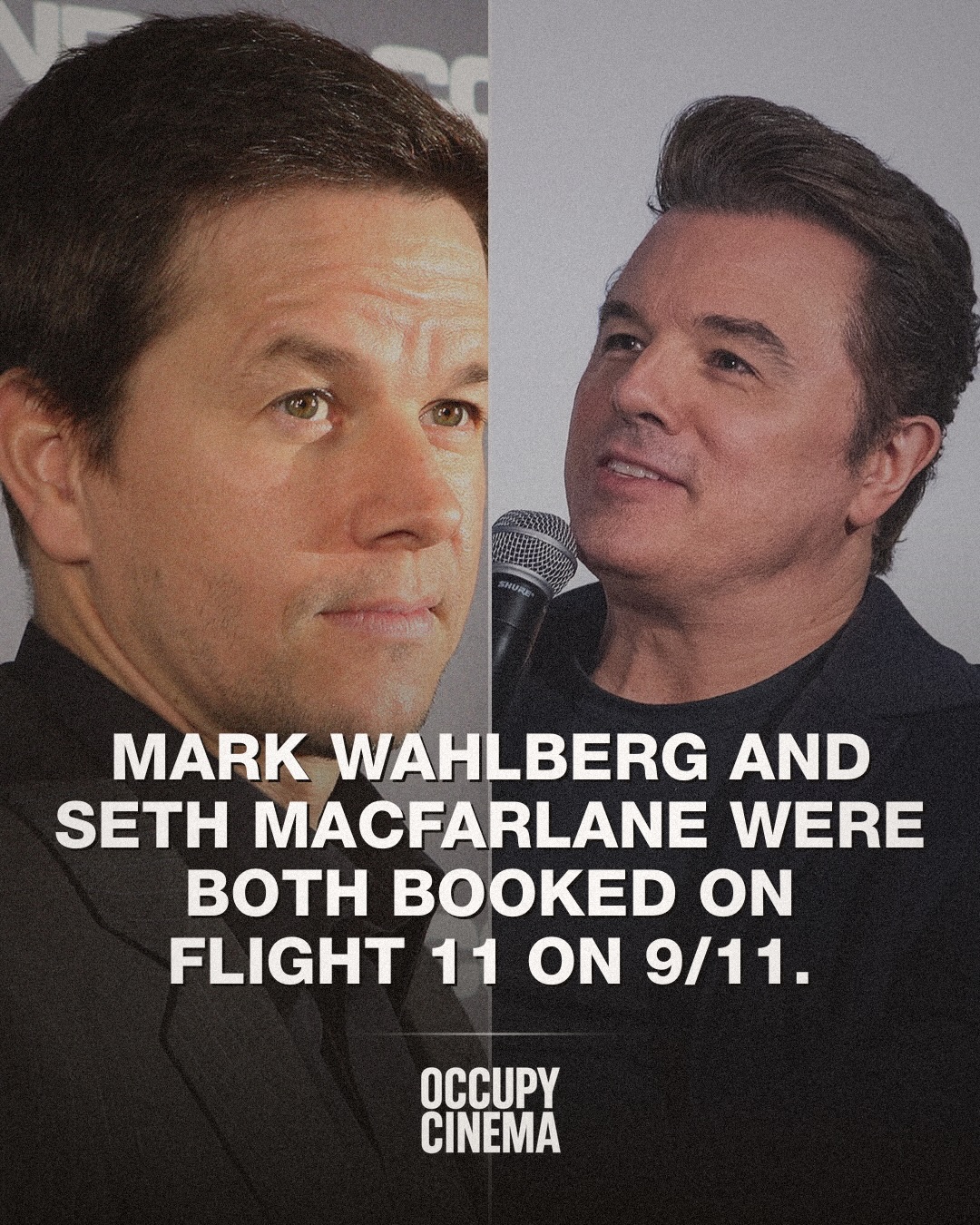
Hollywood relies on timing, but rarely has the industry's entire commercial map hung on margins measured in minutes and ticket rebookings. On the morning of September 11, 2001, American Airlines Flight 11 departed Logan International Airport for Los Angeles carrying 81 passengers, nine flight attendants, and two pilots. Among the scheduled passenger manifest were two rising creative forces whose creative output would go on to shape billions of dollars in theatrical and television revenue over the following two decades: Mark Wahlberg and Seth MacFarlane. Neither made the flight.
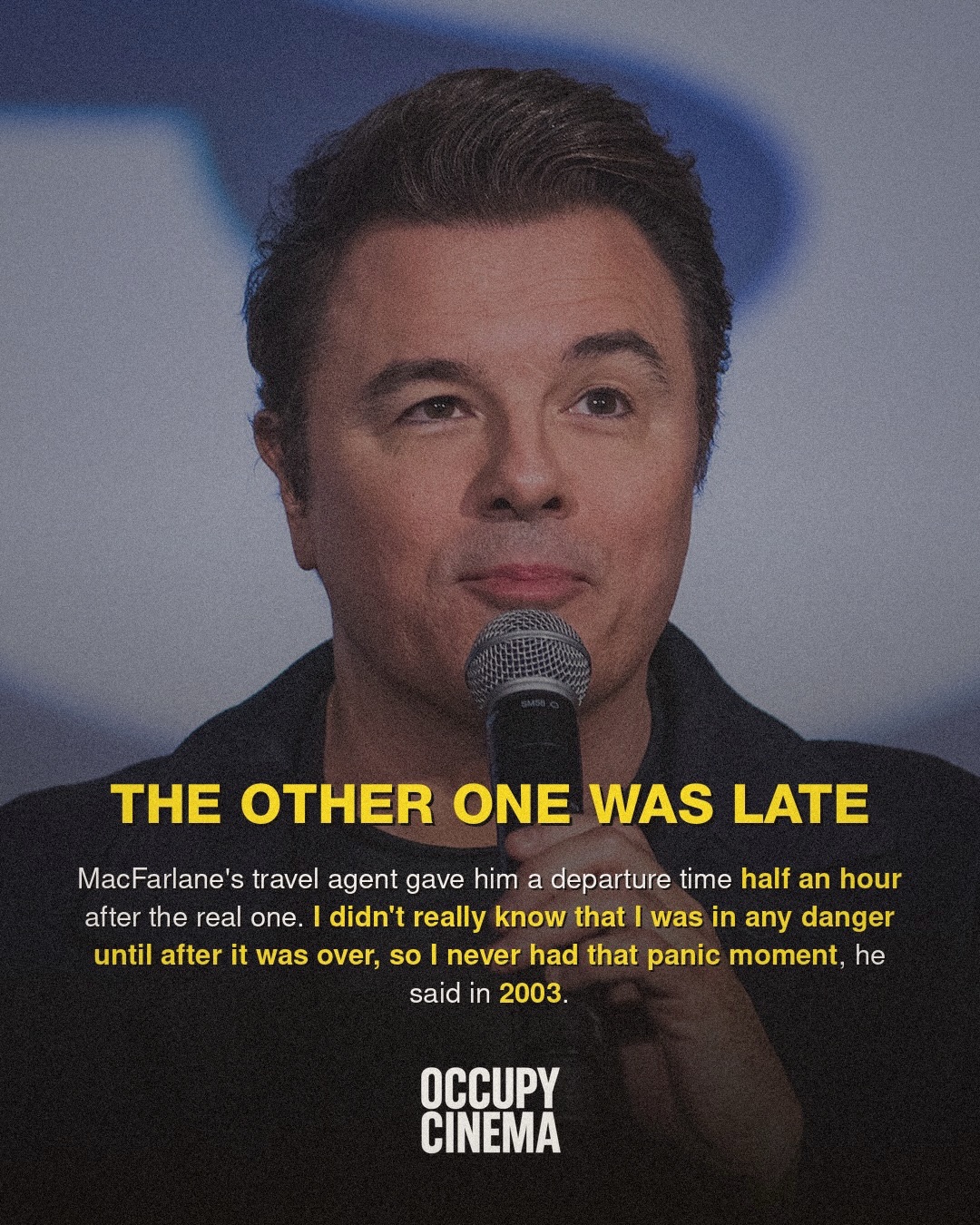
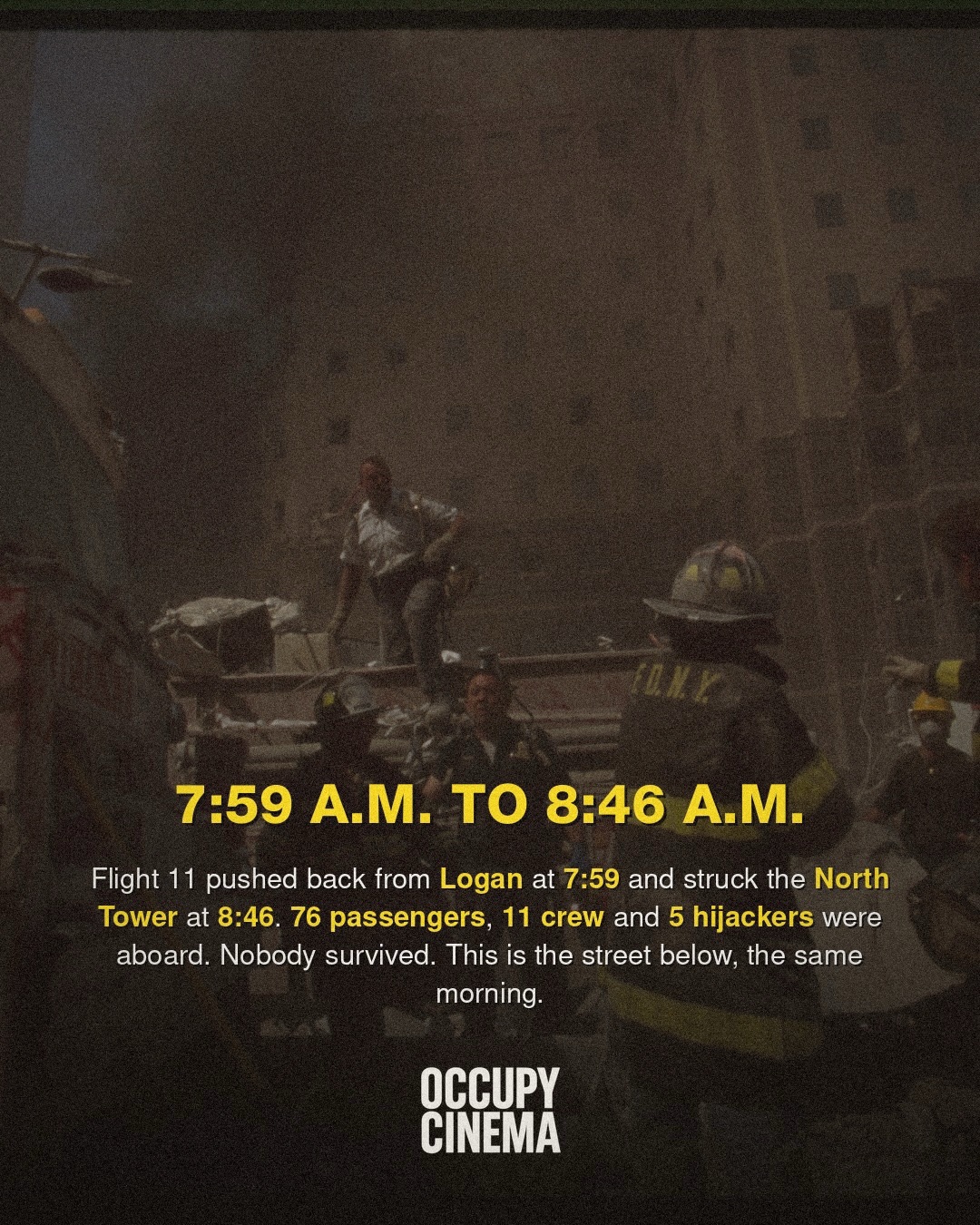
For MacFarlane, survival hinged on administrative error. The 27-year-old animator had spoken at his alma mater, the Rhode Island School of Design, and booked a seat on Flight 11 to return to Los Angeles. His travel agent inadvertently printed an 8:15 a.m. departure time on his itinerary; the Boeing 767 was scheduled to push back at 7:45 a.m. and cleared the gate at 7:59 a.m. MacFarlane arrived at Gate 32 just after the jetway doors were sealed. Boarding was formally denied. Thirty-eight minutes later, the aircraft was flown into the North Tower of the World Trade Center.
The Trajectory of Two Studio Cornerstones
The cultural fallout of those missed seats remains immense when viewed through an executive lens. At the time, MacFarlane was fighting to protect Family Guy, a sophomore animated comedy that Fox had repeatedly shuffled across prime-time slots before canceling in 2002. It was only after stellar DVD sales, moving over three million units of the first two volumes, and blistering ratings on Cartoon Network's Adult Swim that 20th Century Fox Television took the unprecedented step to revive the show in 2005. That decision established an animation empire that generated syndication and streaming licensing values running deep into nine figures, as tracked by The Hollywood Reporter across subsequent studio balance sheets.
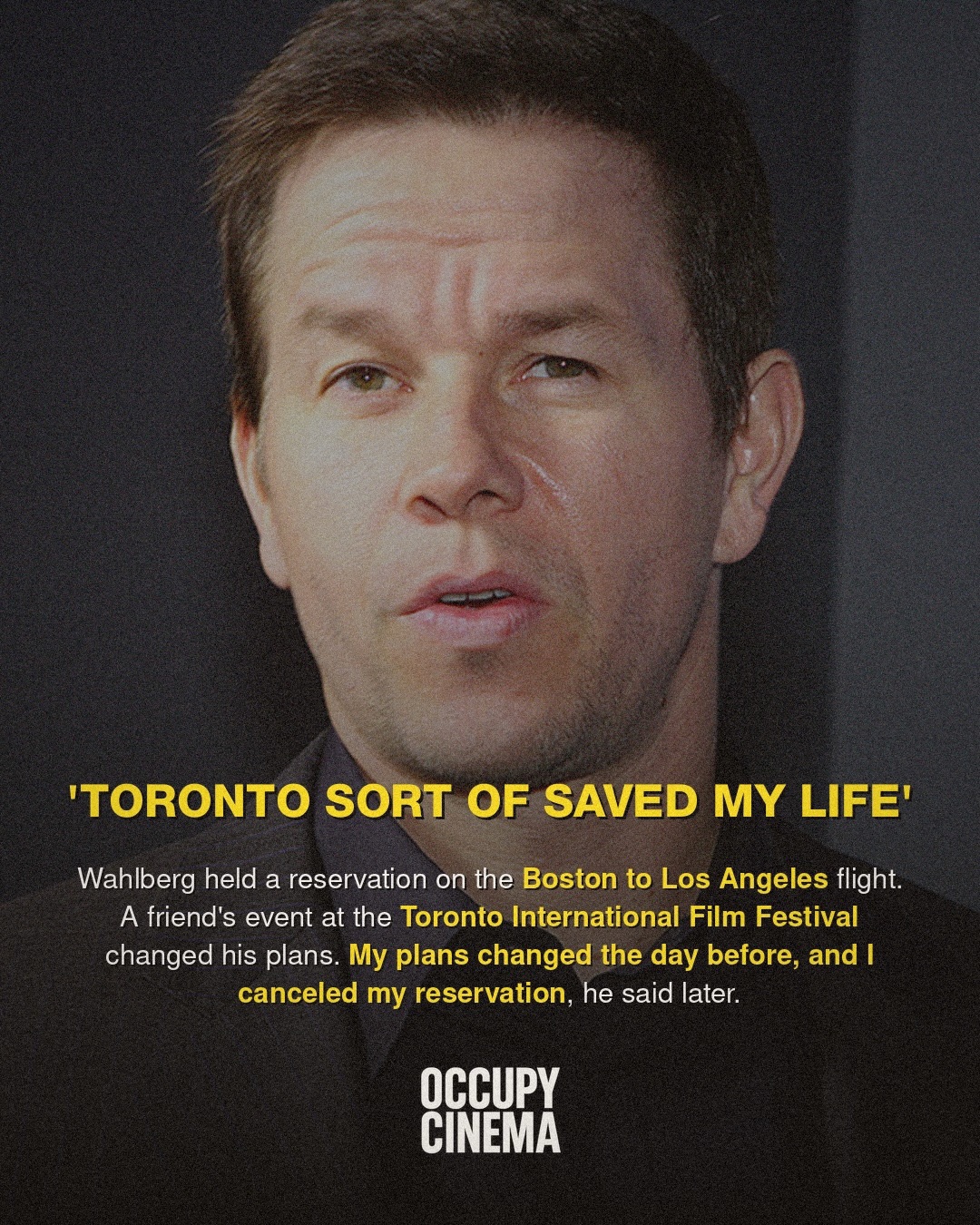
Wahlberg, meanwhile, had been booked on Flight 11 alongside a group of companions. His plans changed the prior afternoon when friends convinced him to charter an aircraft directly to the Toronto International Film Festival instead of returning immediately to the West Coast. In September 2001, Wahlberg had just headlined Tim Burton's Planet of the Apes reimagining, which generated $362 million worldwide for 20th Century Fox, transitioning the performer from ensemble prestige projects like Boogie Nights to dependable summer tentpole star. A sudden exit from the talent pipeline would have drastically reworked the casting board for the next decade of American commercial cinema.
Rewriting Two Decades of Box Office
Consider the industrial ripple effects across major studios. Wahlberg went on to lead Paramount's multi-billion-dollar Transformers franchise entries, earned an Academy Award nomination for Martin Scorsese's The Departed (which took $291 million globally and Best Picture honors in 2006), and drove sleeper theatrical hits like The Fighter and Lone Survivor. In parallel, MacFarlane parlayed his small-screen tenure into an unexpected live-action directing career, helming the Universal comedy Ted in 2012. The R-rated project, which starred Wahlberg, pulled in an astonishing $549 million globally against a modest $50 million production budget.
When studio executives assess catalog longevity and risk management, they rarely account for chaotic disruptions in the logistical chain. In television development and feature finance, the loss of key creative drivers routinely shutters entire production slates and redirects capital. Industry analysis regularly focuses on theatrical marketing models and greenlight algorithms, yet the modern comedy landscape and action marketplace were fundamentally spared by a misprinted departure ticket and an impromptu Canadian festival detour. Cinematic history often belongs to the films that get made, but it is preserved by the mundane scheduling errors that allow their creators to survive.