Occupy Cinema › Box Office
Why Danny DeVito's Matilda Remains a Dark, Enduring Box Office Anomaly
Three decades after its release, Danny DeVito's adaptation of Roald Dahl's Matilda stands as a masterclass in subverting family cinema tropes and embracing visual grotesque.
By Occupy Cinema ·
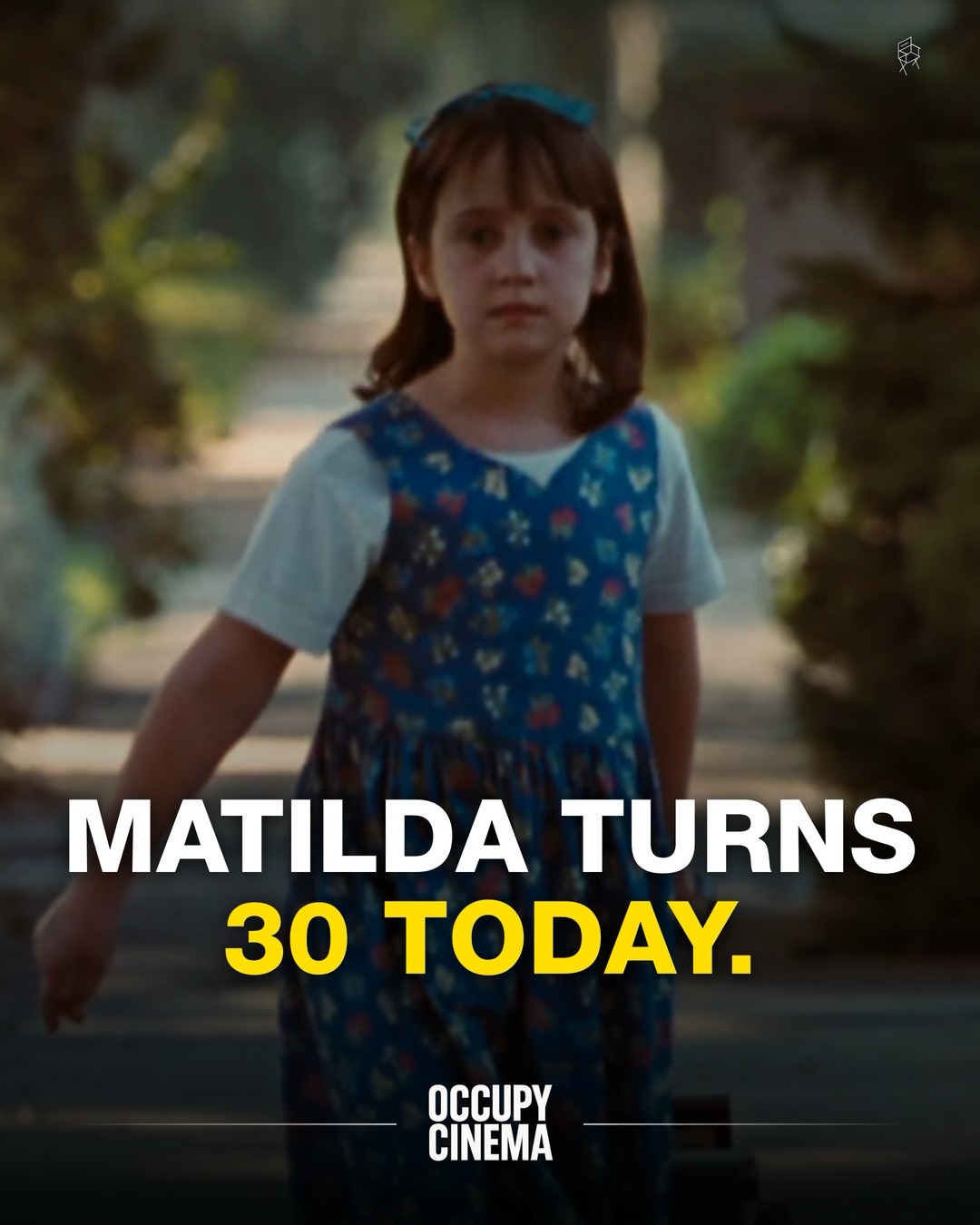
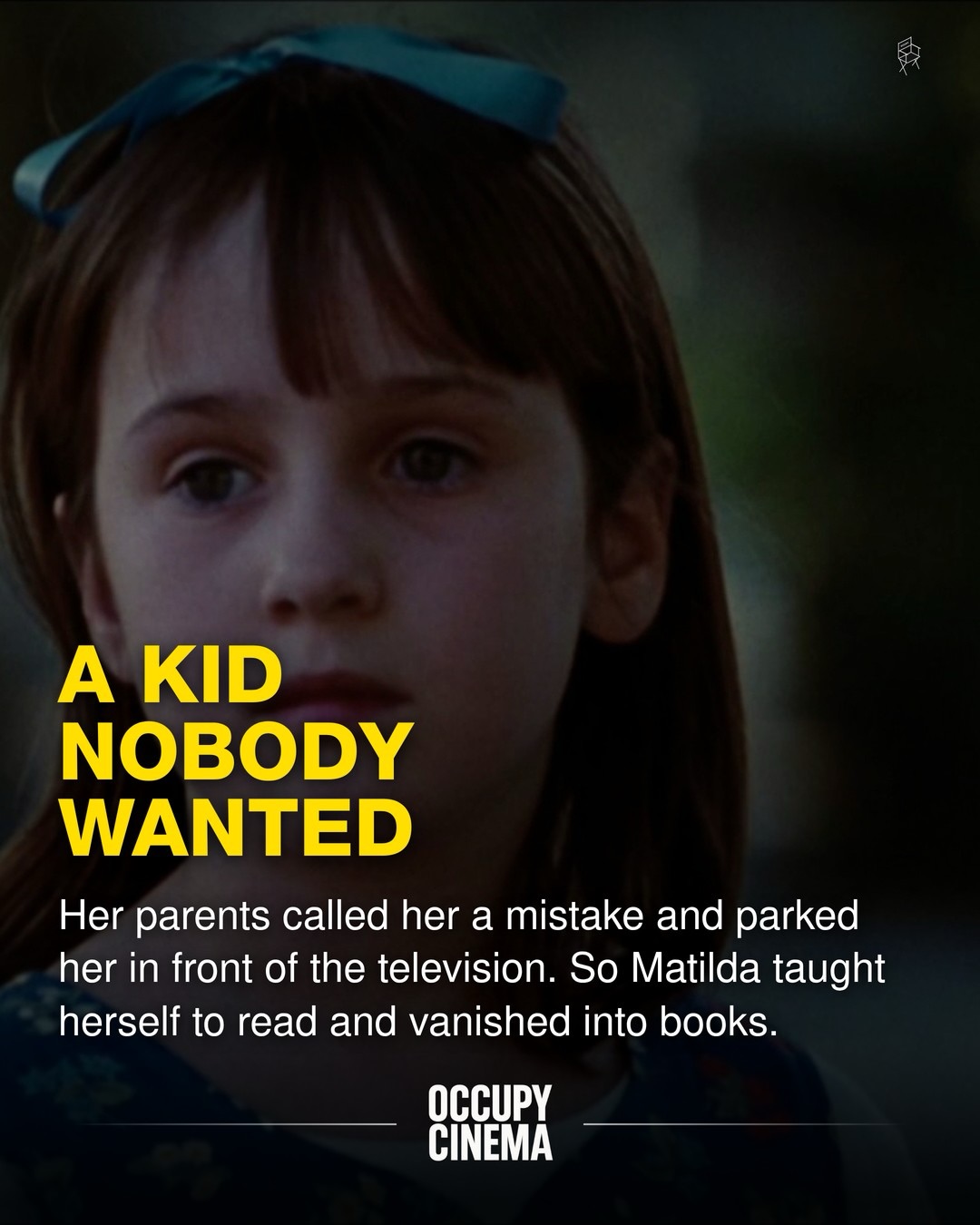
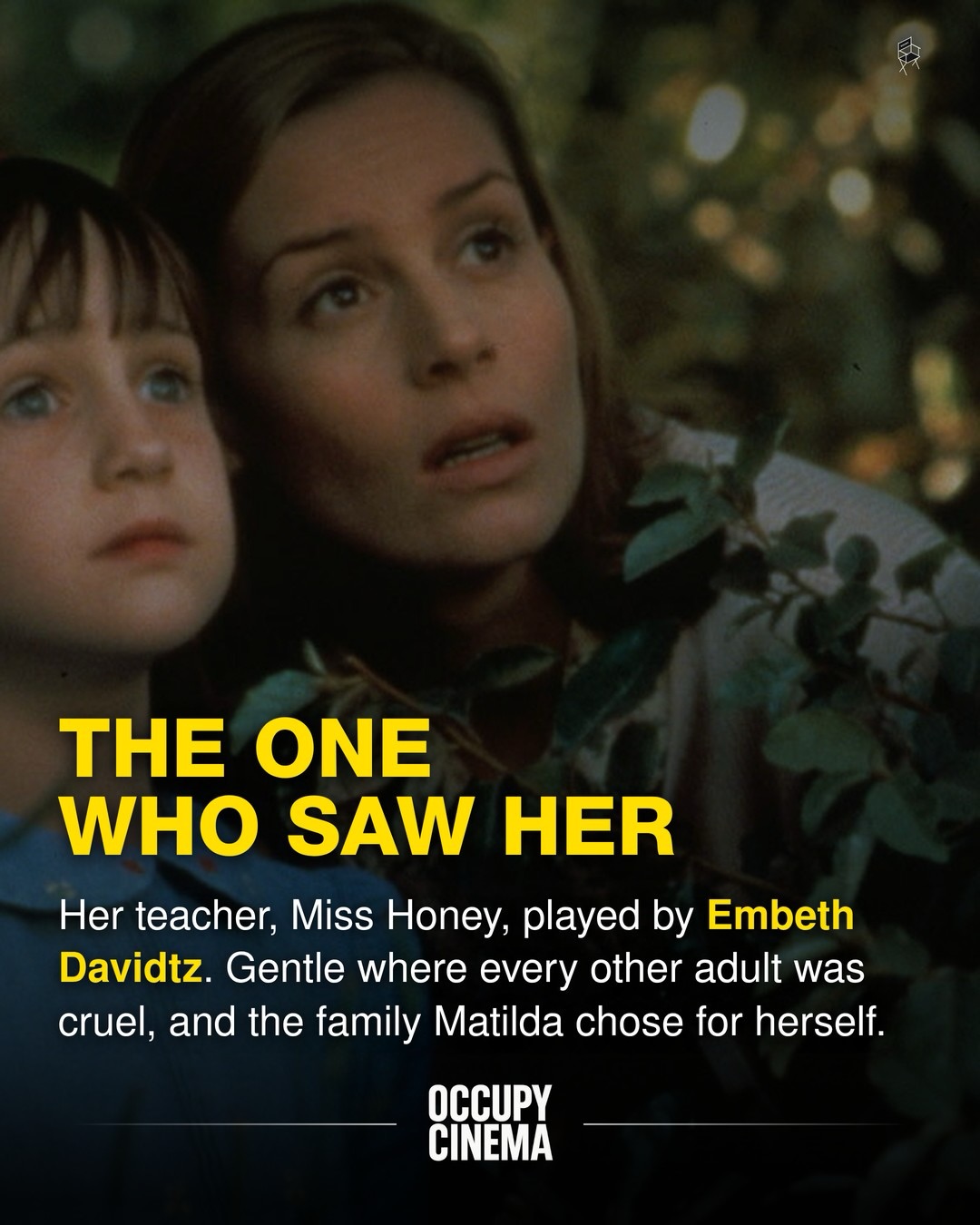
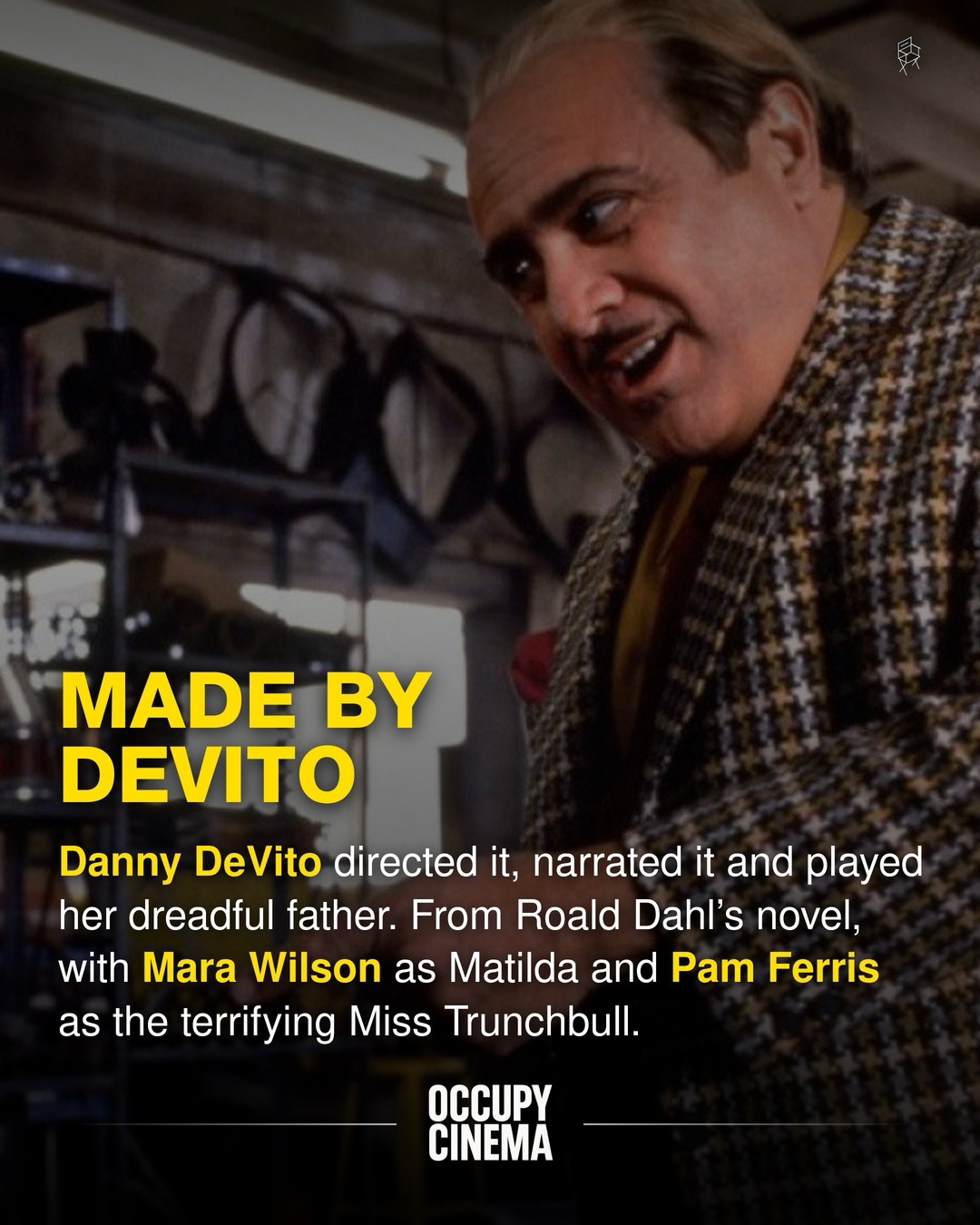
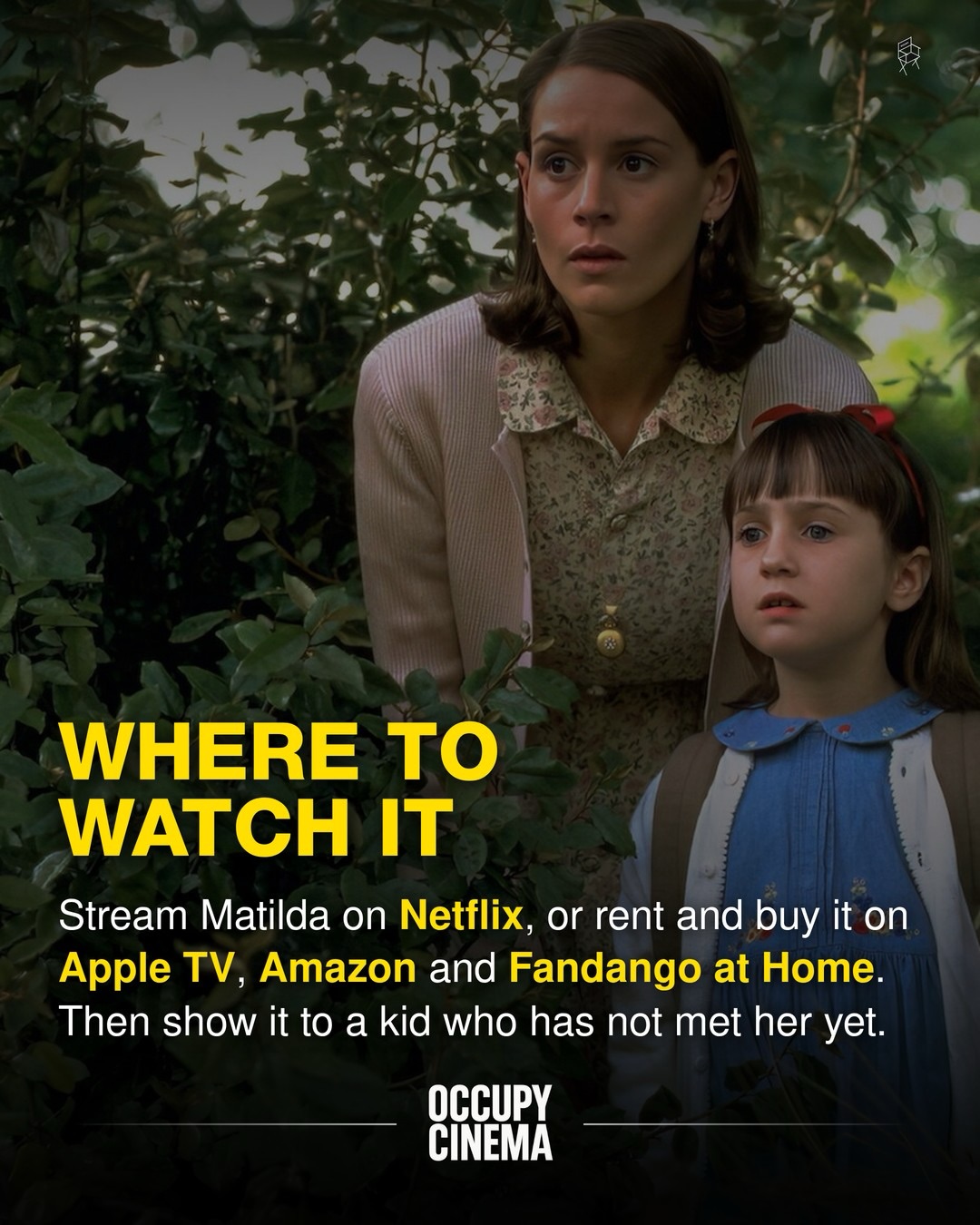
When TriStar Pictures released Matilda in August 1996, Hollywood was accustomed to sanitized, candy colored family entertainment. Director Danny DeVito took a far more radical approach to Roald Dahl's 1988 novel. He crafted a dark, visually surreal comedy that leaned directly into childhood anxiety and grotesque adult cruelty. The film starred Mara Wilson as the young telekinetic bookworm, Embeth Davidtz as the gentle Miss Honey, and Pam Ferris as the tyrannical headmistress Miss Trunchbull. On paper, it was a risky proposition for a studio mid budget release. In practice, it became an enduring cultural touchstone that redefined how Hollywood adapts classic children's literature.
The financial figures during its initial theatrical run did not immediately reflect its future iconic status. Produced on a reported budget of $36 million, the film earned approximately $33 million at the North American domestic box office. The theatrical shortfall was largely attributed to fierce summer competition in 1996, which saw heavyweights like Independence Day and Mission: Impossible dominate theater screens. Yet, as reported by The Hollywood Reporter, home video rentals and television broadcasts quickly converted the box office disappointment into a massive commercial long tail success for Sony and TriStar Pictures.
Distorted Lenses and the Art of Visual Grotesque
What sets the film apart from standard nineties studio fare is its aggressive visual language. DeVito partnered with cinematographer Stefan Czapsky, famed for his evocative camera work on Tim Burton films like Edward Scissorhands and Ed Wood. Together, they selected short focal length lenses and aggressive, ultra low angles to recreate the physical and emotional disparity of childhood. By placing Dutch angles and fisheye perspectives close to the actors' faces, the production physically thrust viewers into Matilda's perspective, making adult villains appear absurd, swollen, and terrifyingly massive.
The practical effects and set design further grounded the film's fairy tale logic. Special effects supervisor Michael Lantieri executed telekinetic sequences using hidden wires, pulley systems, and magnetic contraptions, eschewing early computer generated imagery in favor of physical tactile magic. From the infamous chocolate cake scene featuring actor Jimmy Karz to the terrifying solitude of the spike lined Chokey closet, the production design by Thomas E. Sanders prioritized lived in grime over studio sheen. Every frame reinforced the contrast between the suffocating ugliness of the Wormwood home and the sanctuary of books and learning.
From Flop to Global Stage and Screen Franchise
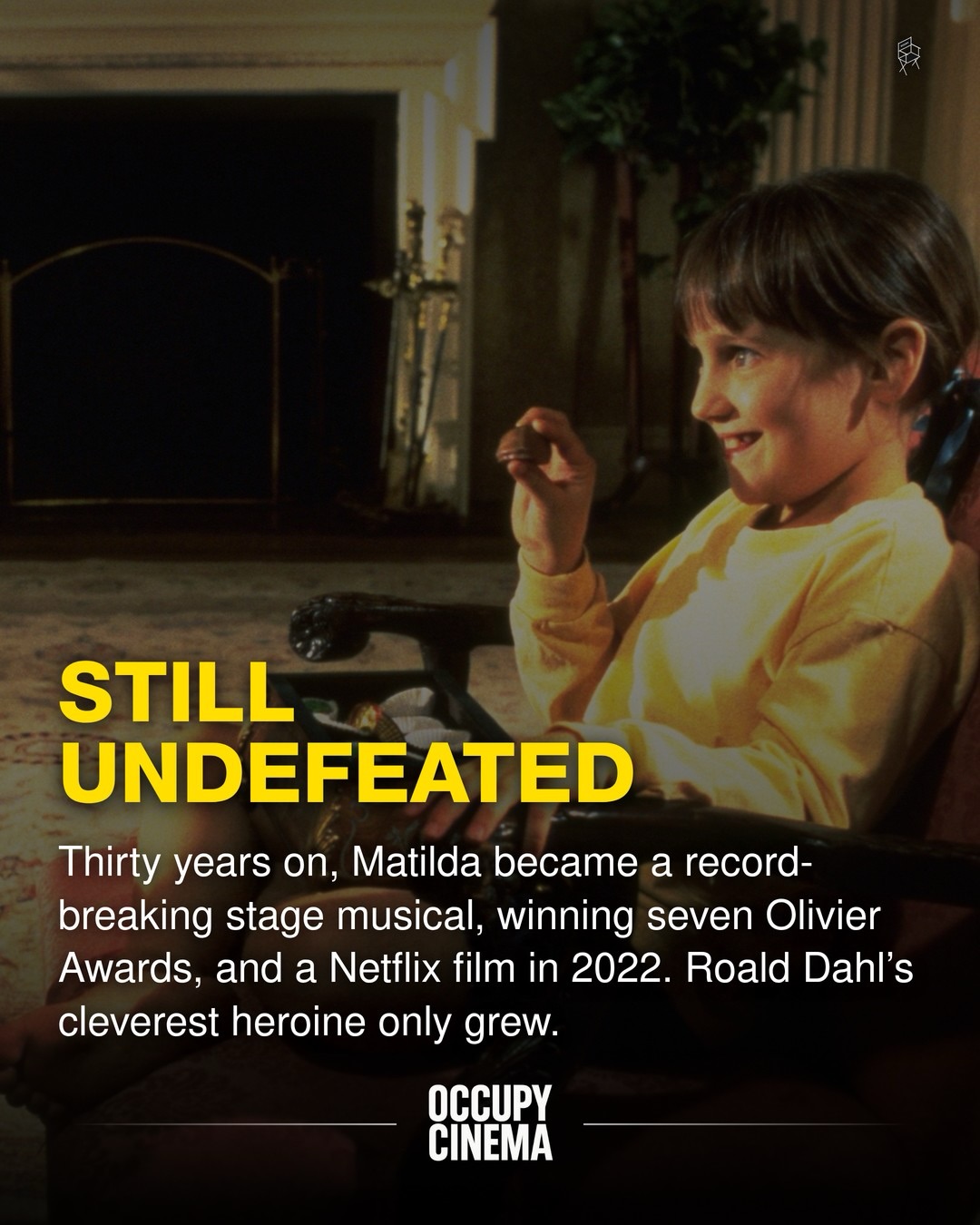
The long term cultural footprint of DeVito's adaptation laid the groundwork for an expanded entertainment ecosystem. The film proved that Dahl's sharp edged tone had a massive global audience. That realization eventually paved the way for the Royal Shakespeare Company's stage adaptation, Matilda the Musical, written by Dennis Kelly with songs by Tim Minchin. The stage production shattered records at the 2012 Laurence Olivier Awards, securing seven trophies, a record haul at the time, before launching a successful Broadway run documented by Deadline.
The musical eventually came full circle with a 2022 feature film adaptation released by Netflix and TriStar Pictures, proving the enduring vitality of the property across generations. Yet, for millions of viewers who grew up in the nineties, DeVito's original vision remains the definitive screen translation. His performance as the slick, fraudulent car salesman Harry Wormwood, alongside real life spouse Rhea Perlman as Zinnia Wormwood, provided the perfect comic foil to Wilson's calm, observant central performance.
Three decades after its debut, Matilda stands as a vital reminder that children's cinema reaches its highest ceiling when it refuses to condescend to its audience. DeVito understood that children experience real powerlessness, and that storytelling should validate their anger rather than soothe it. By treating intellect as a superpower and rebellion as a moral imperative, the 1996 film constructed a blueprint for subversive family filmmaking that studios have struggled to replicate ever since.

Related reading: Production Design for Screen.