Occupy Cinema › Film News
Searchlight Pictures Eyes YouTube for Next Generation of Filmmakers
Studio president Matthew Greenfield highlights YouTube as a critical new pipeline for talent, bypassing traditional gatekeepers and fostering direct audience engagement.
By Occupy Cinema ·
The Shifting Landscape of Talent Discovery
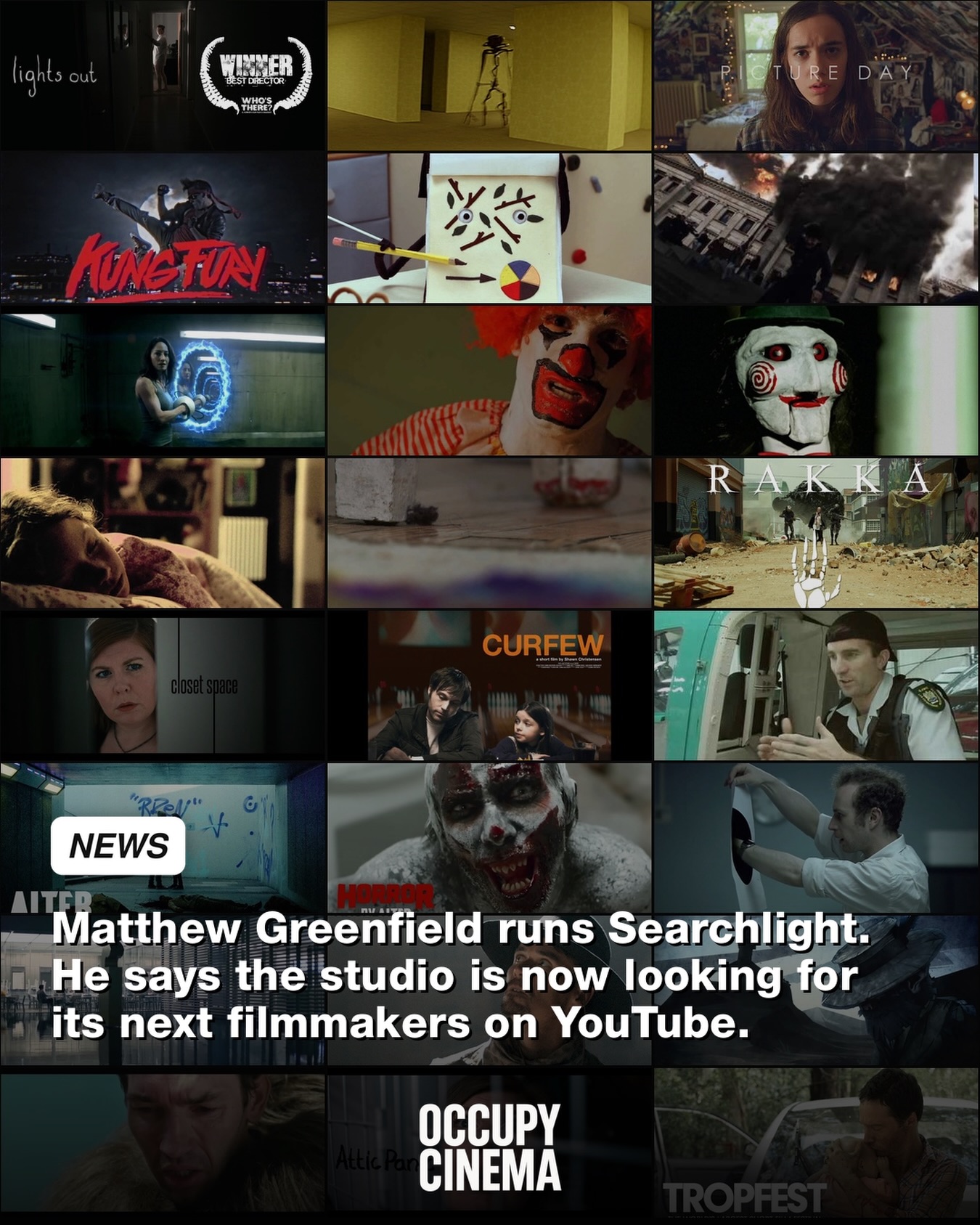
Searchlight Pictures president Matthew Greenfield has put a spotlight on YouTube, identifying the platform as a significant new wellspring for cinematic talent. His remarks underscore a fundamental shift in how the industry identifies and cultivates storytellers. The traditional pathways, once dominated by film school networks, short film circuits, and film festival debuts, are now being augmented, and in some cases, challenged, by direct-to-audience digital platforms. This pivot reflects a broader industry recognition that authentic audience connection, built organically online, can be a more potent indicator of potential than traditional industry endorsements.
Greenfield's argument centers on access and democratization. For decades, aspiring filmmakers navigated a labyrinth of gatekeepers: agents, producers, festival programmers, and studio executives. A short film needed to impress a jury, a first feature required significant independent financing and distribution muscle. YouTube, by contrast, offers an unmediated channel. Creators can upload content, experiment with narrative forms, and build a dedicated viewership without needing an industry green light. This direct engagement fosters a unique type of creative freedom, allowing emerging voices to refine their craft and establish a following on their own terms, often before ever entering the conventional studio system. This pre-vetted audience base represents a quantifiable asset for studios like Searchlight, mitigating some of the inherent risks in backing untested talent.
The Economic Imperative for Originality
The conversation around new talent pipelines is inextricably linked to the economic realities of the modern film industry. The streaming wars have intensified demand for original, compelling content, while theatrical exhibition faces ongoing challenges in drawing audiences away from their living rooms. Greenfield's emphasis on the need for original ideas to pull people into theaters is a stark acknowledgment of this landscape. Audiences are increasingly selective, demanding unique, high-concept narratives that justify the cost and effort of a theatrical outing. Generic fare struggles; distinct, voice-driven stories thrive.
This is where the YouTube ecosystem offers a distinct advantage. The platform, by its very nature, encourages niche content and creative experimentation. Creators often develop highly specialized aesthetics or narrative styles that resonate deeply with specific demographics. These distinctive voices, honed outside the pressures of studio development, can represent a fresh perspective that the industry desperately needs. For a studio renowned for its distinctive, often awards-contending features, like Searchlight, tapping into this diverse pool of talent is not just about finding new directors, but about securing a pipeline of truly original concepts that can cut through the noise.
The success stories are already numerous, albeit often indirect. Many contemporary filmmakers, from Daniel Kwan and Daniel Scheinert (known for their early YouTube work) to others who honed storytelling skills in short-form digital content, have transitioned to feature filmmaking. Their experiences on platforms like YouTube provided not only a proving ground for their craft but also a direct connection to audiences, allowing them to understand what resonates. This feedback loop is invaluable, bypassing years of development hell and market research that often dilute creative vision.
For Searchlight, a Disney subsidiary with a mandate for prestige and independent-leaning projects, the strategy is clear. By actively scouting YouTube, they are not merely looking for viral hits, but for the underlying narrative intelligence and visual flair that translates to longer-form, character-driven cinema. It’s an investment in the future of storytelling, recognizing that the next great cinematic voice might not emerge from a traditional film festival, but from a bedroom studio, building an audience one click at a time. The financial implications are significant: early identification can mean securing talent before bidding wars inflate costs, and fresh perspectives can lead to critically acclaimed, profitable films that stand out in a crowded market.
The embrace of YouTube by a studio as established as Searchlight signals a broader industry paradigm shift. It’s a pragmatic move driven by both creative necessity and economic reality. The future of film may well be shaped by those who master the art of direct connection, proving their storytelling prowess not to a panel of experts, but to millions of engaged viewers online. The industry's gatekeepers are not gone, but their gates are now wider, and some new paths bypass them entirely.