Occupy Cinema › Craft
Erasing the Skyline: How Hollywood Recut Its Fall 2001 Slate Overnight
In the weeks following September 11, studios scrambled to scrub the Twin Towers from finished prints, sparking a creative divide between digital erasure and historical preservation.
By Occupy Cinema ·
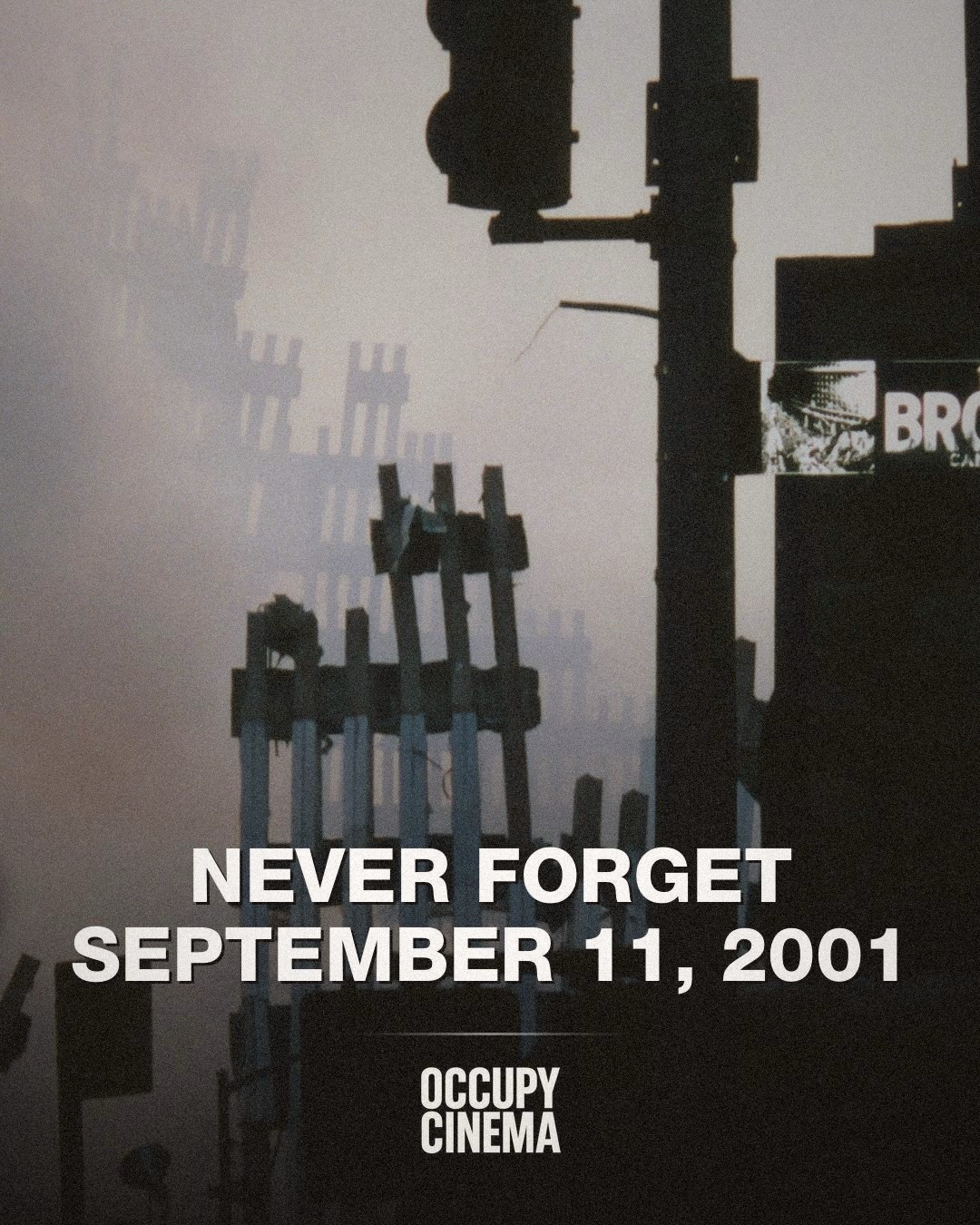
Hollywood spent the final quarter of 2001 in an unprecedented post-production panic. The terror attacks of September 11 did not simply alter national security and foreign policy; they instantly turned finished reels of 35mm film into raw nerve endings. Studio heads had millions invested in Manhattan-set comedies, thrillers, and family features. In an industry built on risk mitigation, the immediate executive instinct was unambiguous: call the visual effects houses and erase the World Trade Center before audiences could flinch.
The Scramble to Digital Paint
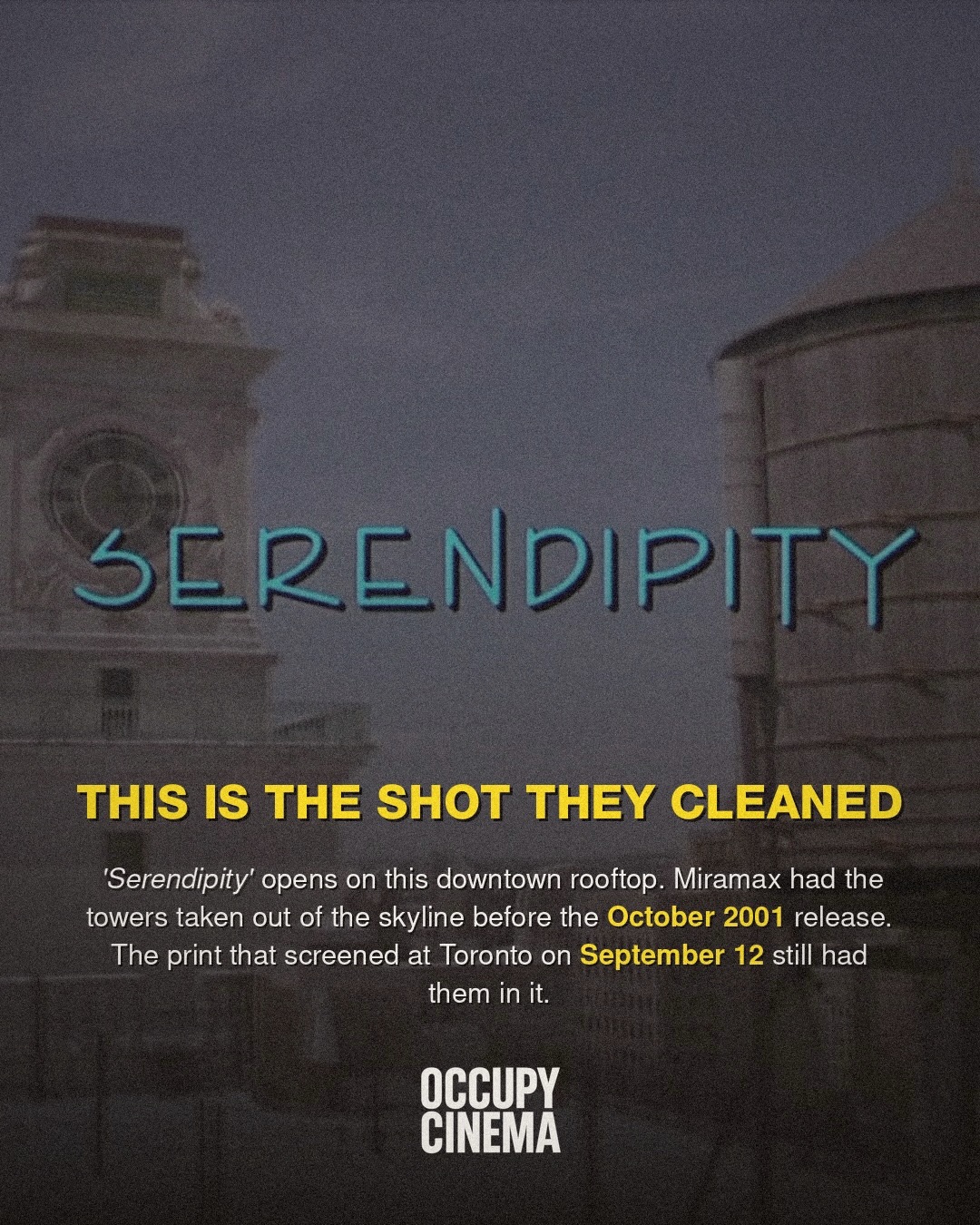
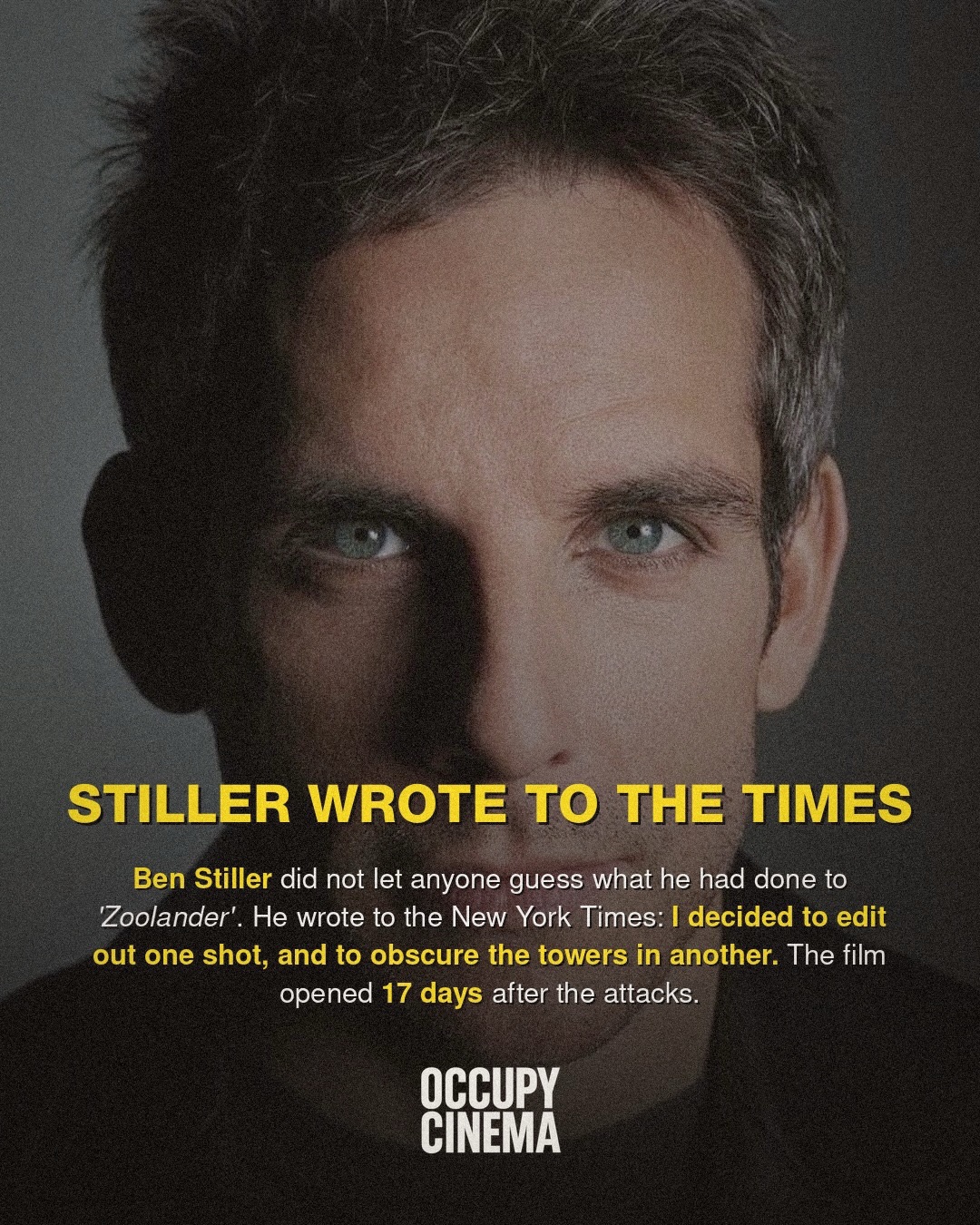
The speed of the revisions was staggering. Miramax executives moved swiftly on Peter Chelsom's romantic comedy Serendipity, digitally removing the Twin Towers from establishing shots of the Manhattan skyline prior to its October 2001 rollout. Across town, Paramount Pictures faced a promotional nightmare with Ben Stiller's satirical comedy Zoolander, which was slated to hit theaters just two weeks after the attacks. Stiller and the studio chose to digitally scrub the towers from skyline backdrops, prompting Stiller to address the decision in the press, acknowledging the tightrope walk between escapist entertainment and raw grief.
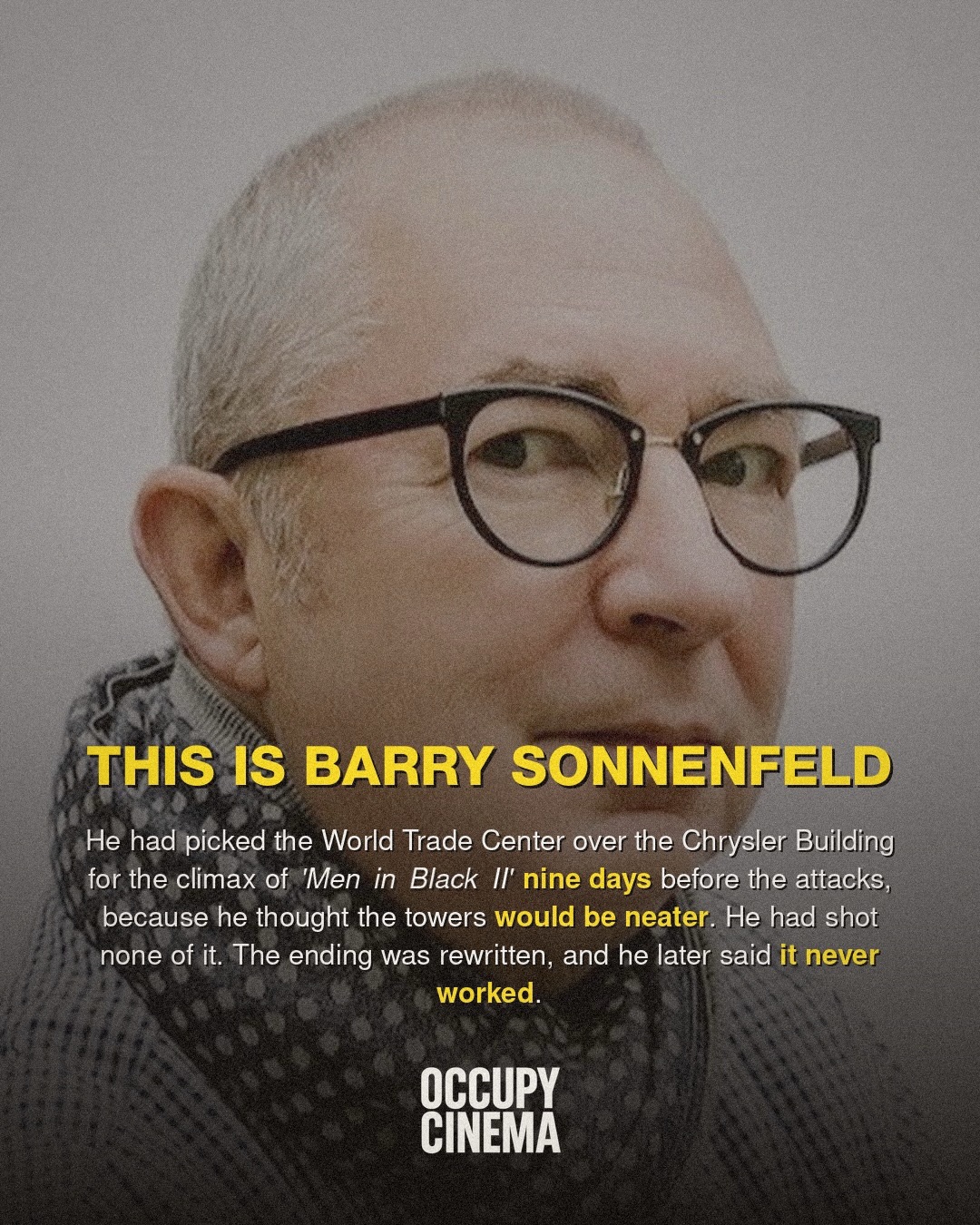
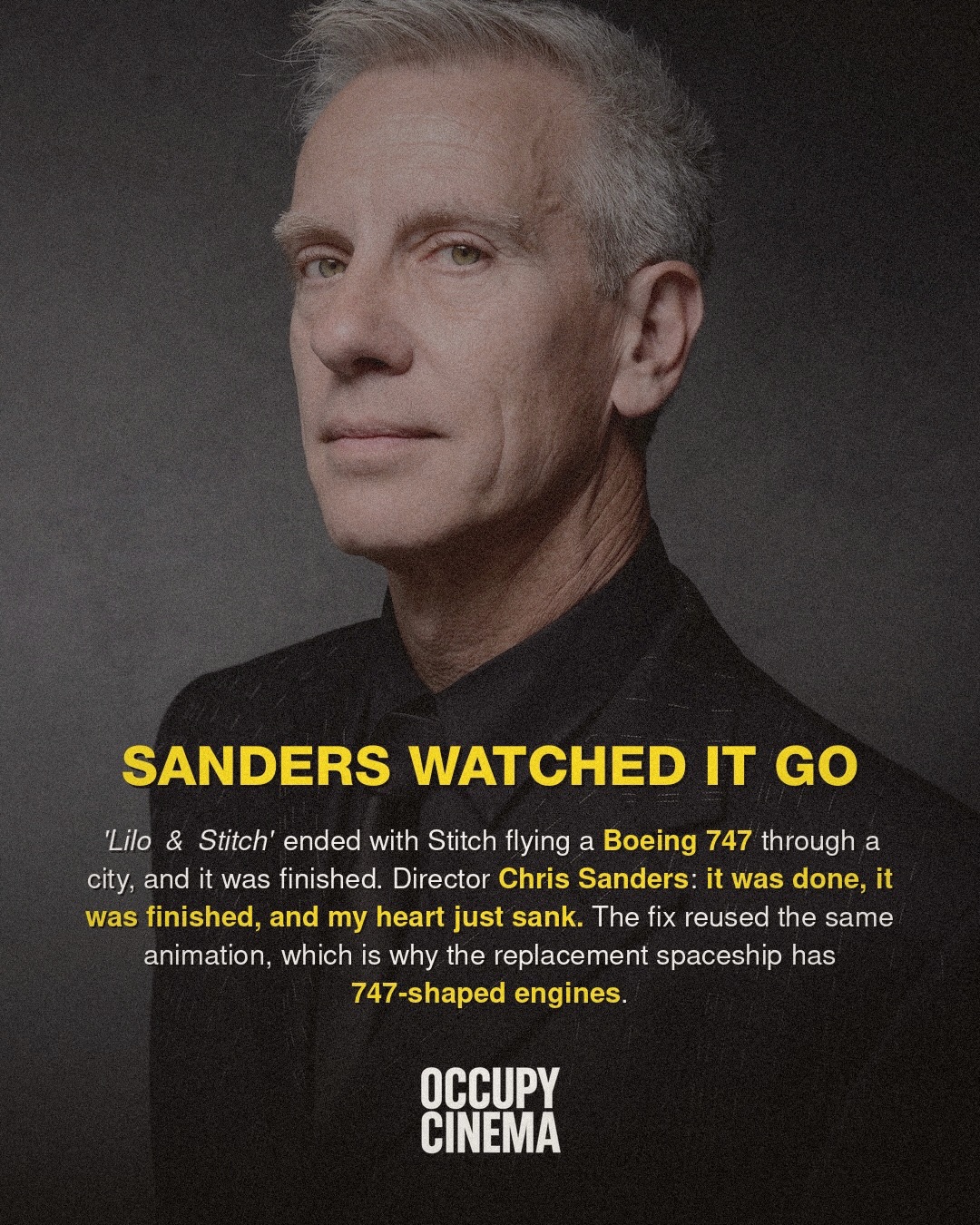
Other productions faced structural devastation. Director Barry Sonnenfeld had just finalized the climax of Sony's tentpole Men in Black II, which featured Will Smith and Tommy Lee Jones using the World Trade Center observation deck as a staging ground to release alien craft. The sequence was discarded immediately, forcing the production back into extensive reshoots with a newly devised climax set at the Chrysler Building. The budget climbed, but the studio viewed the cost as necessary collateral. Over at Walt Disney Feature Animation, co-director Chris Sanders had to completely overhaul the third act of Lilo & Stitch. Animators had already rendered a climactic chase where Stitch hijacked a commercial Boeing 747 through the skyscrapers of Honolulu. The sequence was hastily converted into a sci-fi spaceship maneuvering through lush Hawaiian valleys.
Cameron Crowe's Stand for History
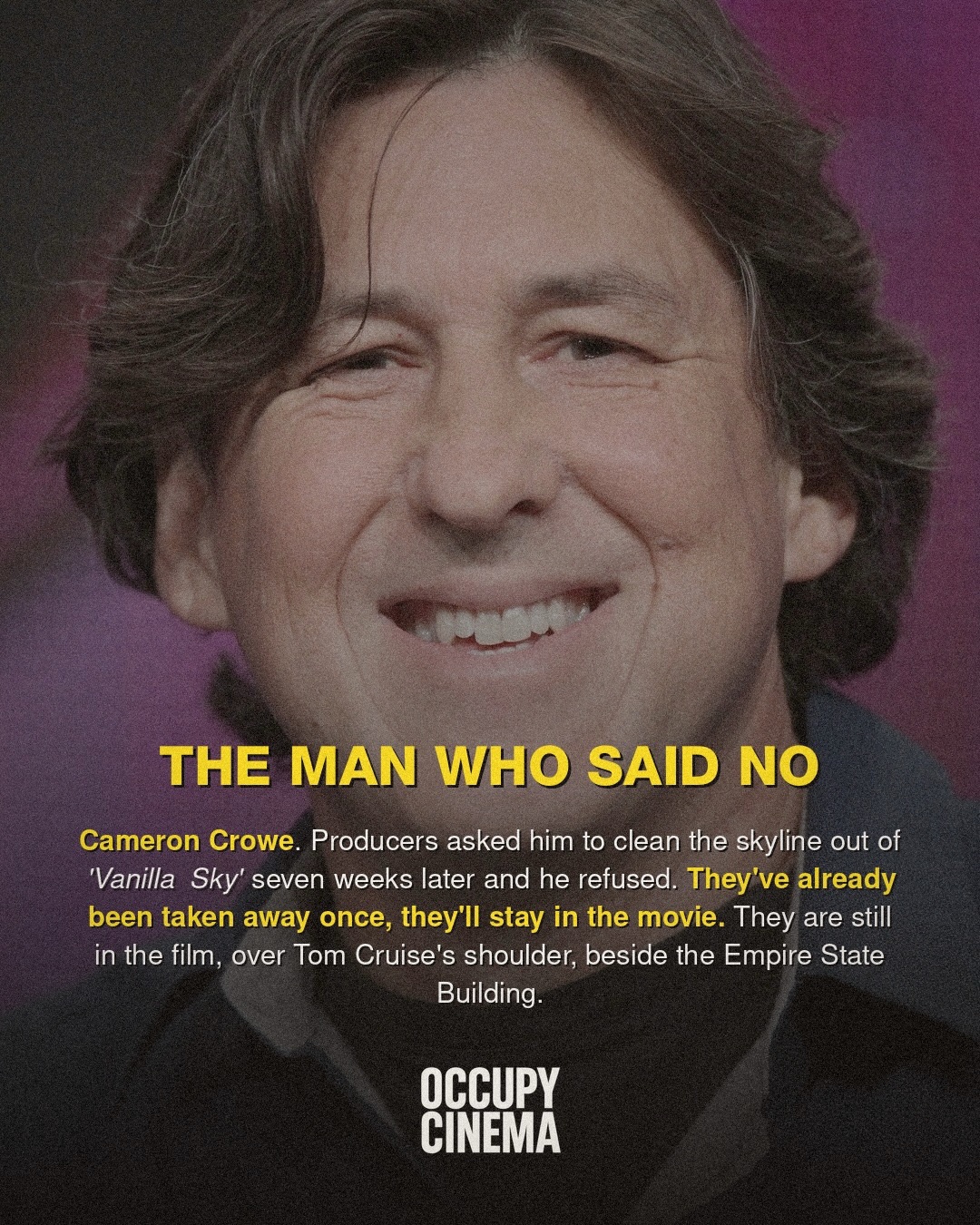
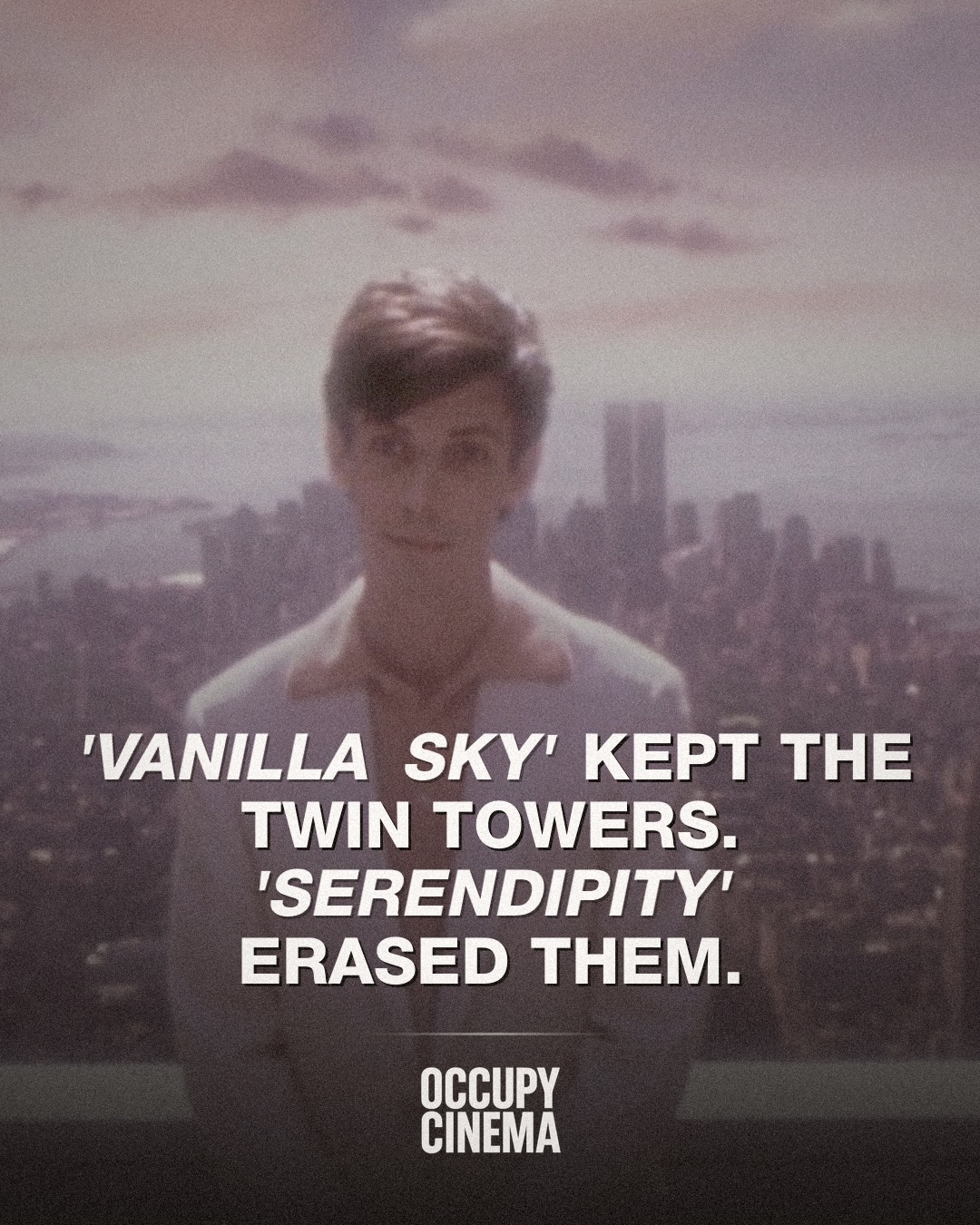
Not every filmmaker consented to the digital paintbrush. When Paramount and Cruise/Wagner Productions were finishing the post-production on Vanilla Sky, the psychological thriller directed by Cameron Crowe, the pressure landed heavily on the cutting room. The movie featured prominent shots of the skyline, including a poignant visual of the towers in the background of David Aames's rooftop reality. Studio voices gently suggested an edit, but Crowe refused. His rationale was quiet and firm: the towers had already been taken away from reality once, and they would not be taken away from his movie.
Crowe's resistance proved to be a turning point for how cinema treats physical reality. As reported across trades like The Hollywood Reporter and coverage in Variety during the era, the industry was caught between sensitivity and censorship. For several months, executives acted on fear, terrified that audiences would experience collective trauma inside a multiplex. Yet as box office tallies normalized in late autumn, it became clear that moviegoers were far more resilient than studio test-screen metrics suggested.
The Long Tail of Cinematic Memory
Today, viewing those late-2001 and early-2002 releases offers an accidental map of institutional anxiety. Films that scrubbed the towers often feature strange, empty expanses of lower Manhattan sky that age poorer than the untouched footage. What began as an executive gesture of compassion looks, in hindsight, like an impulsive urge to sanitize history for the sake of opening-weekend comfort.
Crowe and the few directors who stood their ground preserved something vital: the skyline as it was lived and photographed. Decades later, film prints are the definitive record of our built environments. Digital erasure offered studios a temporary shield against viewer unease, but cinema is ultimately meant to document time, not apologize for it.