Occupy Cinema › Box Office
Why Will Ferrell Walked Away From $29 Million for Elf 2
When New Line Cinema offered Will Ferrell a record, setting payday to reprise Buddy the Elf, the comedian chose his audience over an uninspired script.
By Occupy Cinema ·
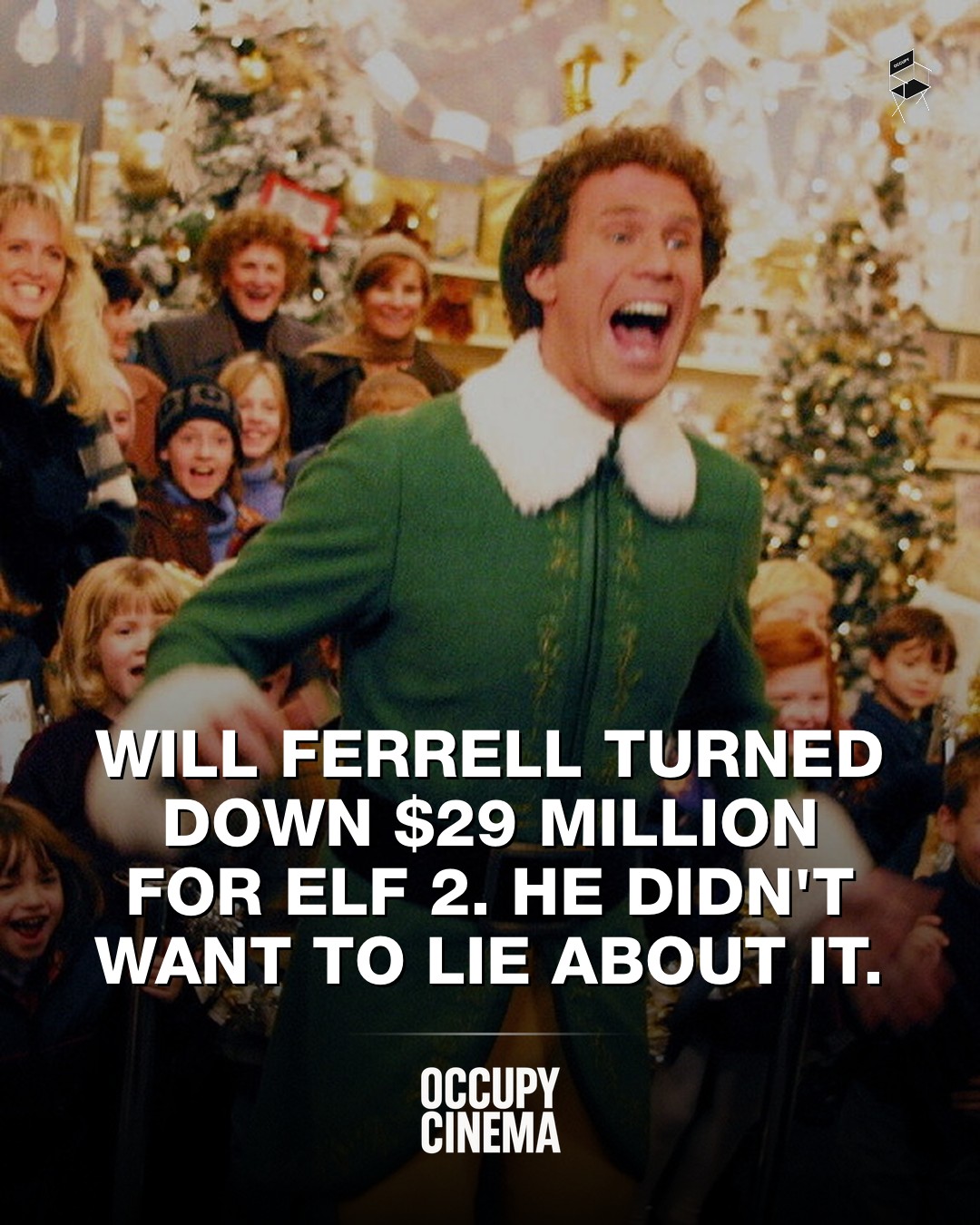
Twenty nine million dollars is a massive figure, even for a marquee Hollywood lead. In the summer of 2005, New Line Cinema had that exact sum waiting for Will Ferrell to put the yellow tights back on for Elf 2. Screenwriter Scot Armstrong had delivered a finished draft in July 2005, and the studio was eager to greenlight production. The original 2003 film, directed by Jon Favreau, was an unexpected triumph. Produced for a sensible $33 million, it grossed over $228 million worldwide by combining practical stop, motion animation, forced perspective trickery, and a timeless score by John Debney. From a studio accounting perspective, a sequel was an absolute necessity.
Yet the green light never flashed. Ferrell read the new draft and made a choice that shocked executives across the industry. He walked away from what would have been one of the highest upfront acting checks in comedy history. The decision was not driven by standard talent disputes over backend gross points or production dates. It came down to a stark reality regarding the inevitable junket tour.
The Junket Dilemma
Ferrell recognized that signing the contract meant spending weeks selling a film he knew failed to capture the original magic. "I would have had to promote the movie from an honest place, which would've been, like, oh no, it's not good. I just couldn't turn down that much money, " Ferrell later revealed in a profile with The Hollywood Reporter. He questioned whether he could look journalists and audiences in the eye while promoting a weak script. The answer was no.
In 2005, Ferrell was operating at the absolute peak of his creative power. Fresh off Anchorman: The Legend of Ron Burgundy, he was forging a dominant run of original studio comedies that would soon yield Talladega Nights: The Ballad of Ricky Bobby and Step Brothers. Cashing in on a subpar sequel threatened to derail his artistic trajectory and alienate the audience that trusted his comedic instinct.
Protecting the Legacy
The mid, 2000s comedy landscape was littered with high, budget, creative misfires. Sequels like Evan Almighty and Son of the Mask demonstrated how quickly studio greed could erode the goodwill of a beloved hit. As covered extensively by trade outlets like Variety, studio comedy slates were shifting toward massive budgets that often strangled spontaneous humor in favor of global visual effects appeal.
New Line Cinema, which was ultimately absorbed into Warner Bros. in 2008 during a broader corporate restructuring, missed out on a guaranteed opening weekend hit. Yet that decision secured the long, term cultural value of Elf. Rather than becoming another diluted franchise, the original film cemented its place alongside classic holiday staples like It's a Wonderful Life and A Christmas Story.
Hollywood history is packed with performers taking huge paydays for compromised work. Ferrell choosing artistic authenticity over twenty nine million dollars remains one of the most compelling refusals in modern cinema history. The money stayed on the table, but the classic remained unblemished.
Related reading: Cinema Treasures: A New Look at Classic Movie Theaters.