Occupy Cinema › Awards
The $5 Million Blueprint: How Chloé Zhao Built Nomadland Into an Oscars Powerhouse
Shot with a skeleton crew and fueled by natural light, Chloé Zhao's docu, fiction masterpiece rewrote the rules of modern awards contenders.
By Occupy Cinema ·
A $5 million production budget, a skeleton crew of five, and a global box office haul of $39 million during a global pandemic. Chloé Zhao achieved what major studio budgets often fail to deliver: undeniable intimacy and complete awards domination. Her 2020 film Nomadland swept the 93rd Academy Awards, claiming Best Picture, Best Director, and Best Actress for Frances McDormand. It proved that lean, guerrilla filmmaking can command the highest heights of Hollywood prestige.
Distributed by Searchlight Pictures, the film blurred the boundary between documentary and narrative drama. Based on Jessica Bruder's non, fiction book, the narrative follows Fern, played by McDormand, as she navigates the American West after the economic collapse of her Nevada mining town. McDormand took a dramatic pay cut, working for SAG scale and living out of a camper van during production. Rather than surrounding her with traditional Hollywood co, stars, Zhao cast non, professional actors, including real, life nomads Linda May, Charlene Swankie, and Bob Wells, who played fictionalized versions of themselves. According to reports in IndieWire, McDormand seamlessly blended into the real, world community, blurring the line between performance and presence.
Natural Light and Docu, Fiction Rigor
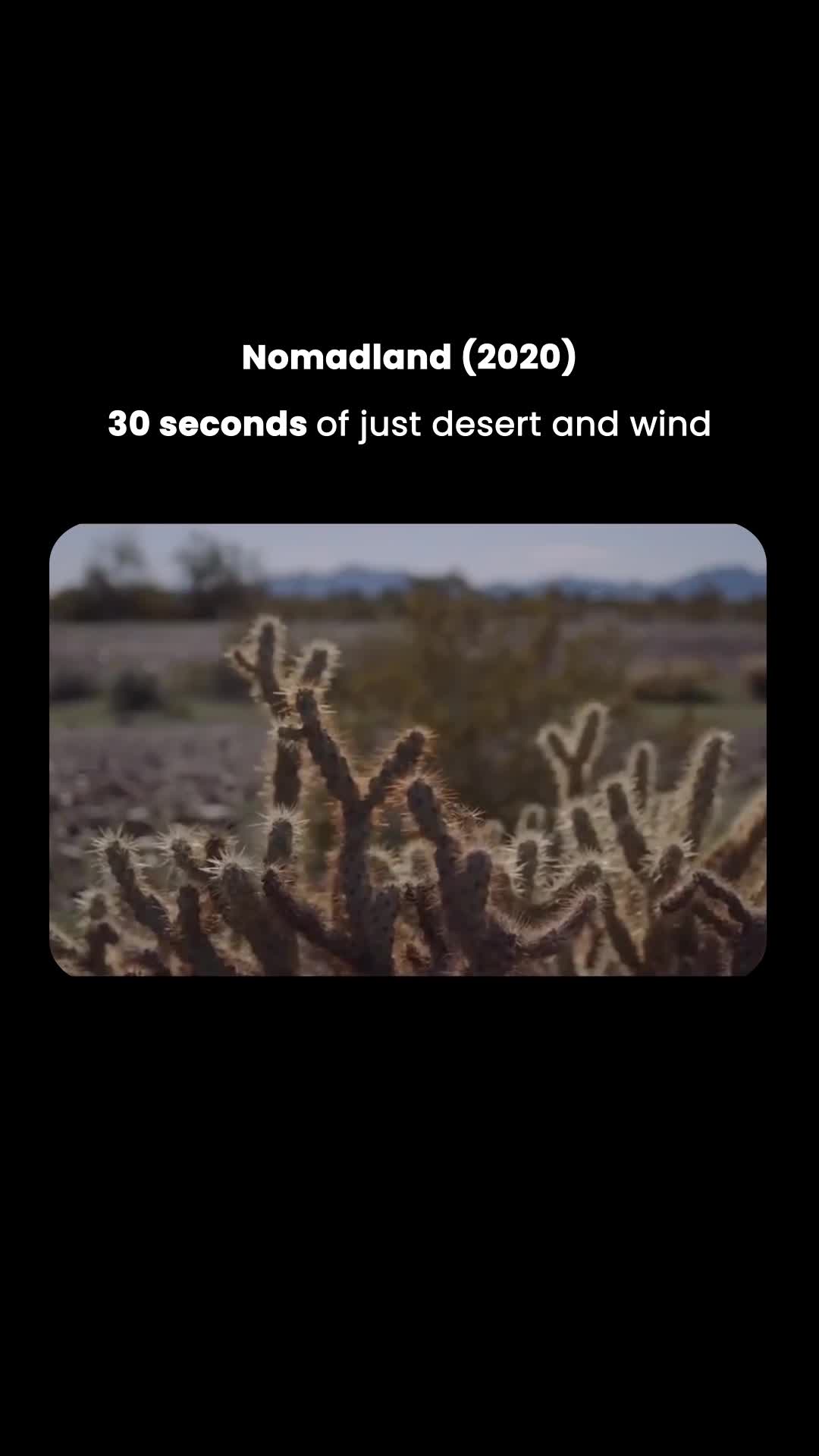
The visual discipline was led by cinematographer Joshua James Richards, who worked alongside Zhao to execute an uncompromising minimalist aesthetic. Operating primarily in natural light, the production team scheduled entire shooting days around magic hour. Richards eschewed artificial lighting packages, opting to let the vast twilight skies of South Dakota, Nevada, and California supply the contrast. The camera frequently remains static, holding on wide, empty landscapes for thirty seconds at a time without musical accompaniment. This patience allows Ludovico Einaudi's sparse piano score to land with precise emotional weight when it finally enters.
From a financial perspective, Nomadland represents a masterclass in return on investment for low, budget auteur cinema. Searchlight Pictures acquired the distribution rights after seeing early footage, positioning the film strategically across festival circuits like Venice, Toronto, and Telluride. Reporting from Variety highlighted how the distributor navigated severe theatrical restrictions during late 2020 and early 2021 by utilizing simultaneous drive, in theatrical runs and digital streaming on Hulu. Despite operating under extreme pandemic constraints, the film grossed $39 million globally while establishing a structural blueprint for indie, studio partnerships.
A Cultural Shift for Modern Cinema
Zhao's docu, fiction methodology challenged traditional Hollywood setups that rely on heavy crew footprints and costly lighting rigs. By eliminating unnecessary artifice, the production created an authentic portrait of late, stage American industrial decline that felt less like a scripted movie and more like a captured reality. The director observed that after the first week of shooting, traditional acting ceased entirely, replaced by simple existence within the physical environment.
Nomadland stands as a defining moment in modern American independent cinema. It proved that major awards success does not require bloated budgets, massive star ensembles, or elaborate digital visual effects. Instead, Zhao and Richards proved that patience, strict aesthetic discipline, and deep respect for non, actor subjects can generate immense cultural and financial dividends.
Related reading: Respect for Acting.