Occupy Cinema › Business
12 Essential Film Books That Survived the Tech Shift
Camera specs fade, but core visual logic endures. From Lumet's set discipline to Rodriguez's micro-budget arithmetic, these manuals remain essential.
By Occupy Cinema ·
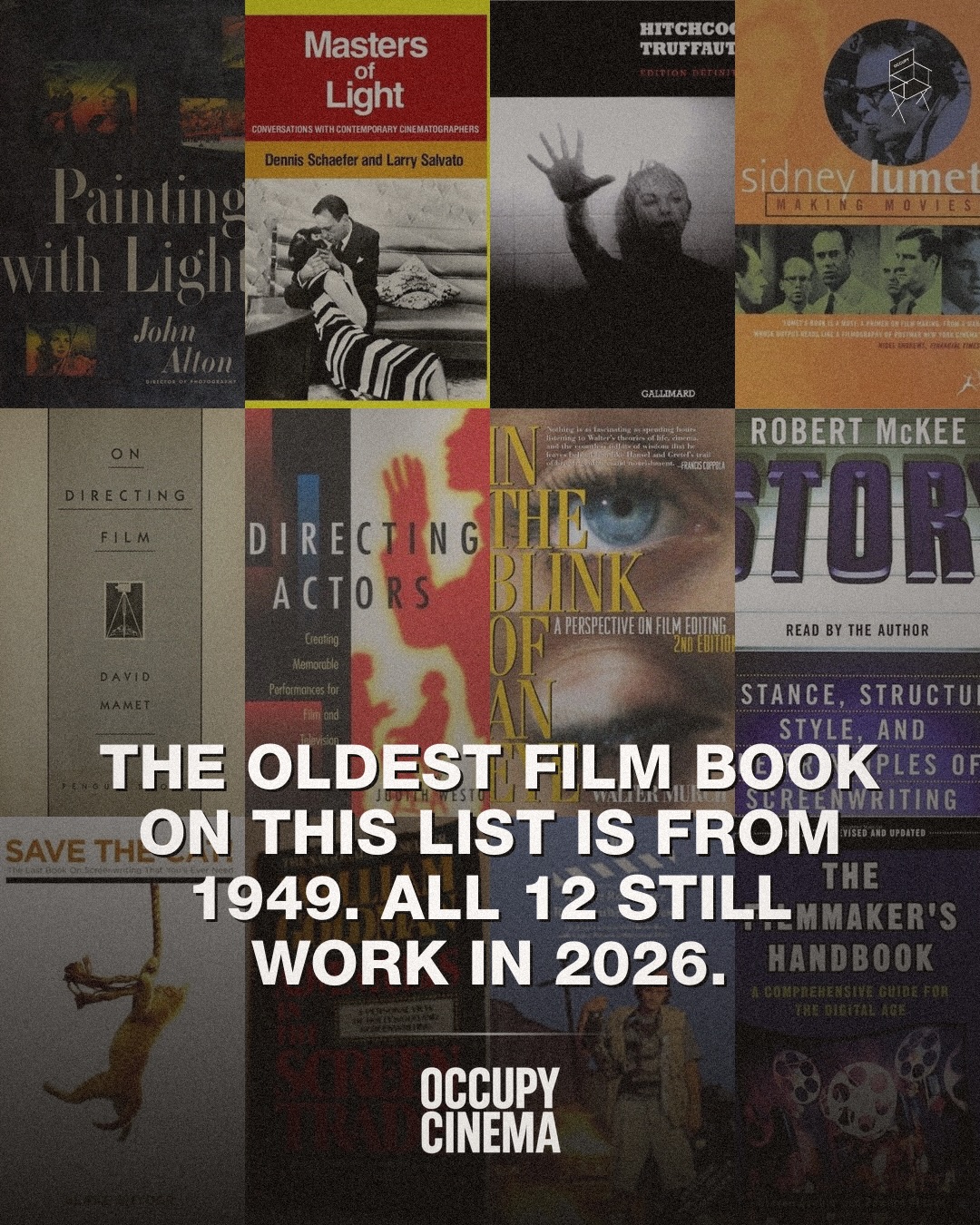
Camera sensors age out every thirty-six months. Editing software plugins become obsolete even faster. Yet the core mechanics of visual storytelling have barely shifted since the dawn of synchronized sound. While modern film school syllabi frequently choke on fleeting tech trends, a distinct handful of foundational texts remain permanently relevant to working directors, editors, and physical producers.
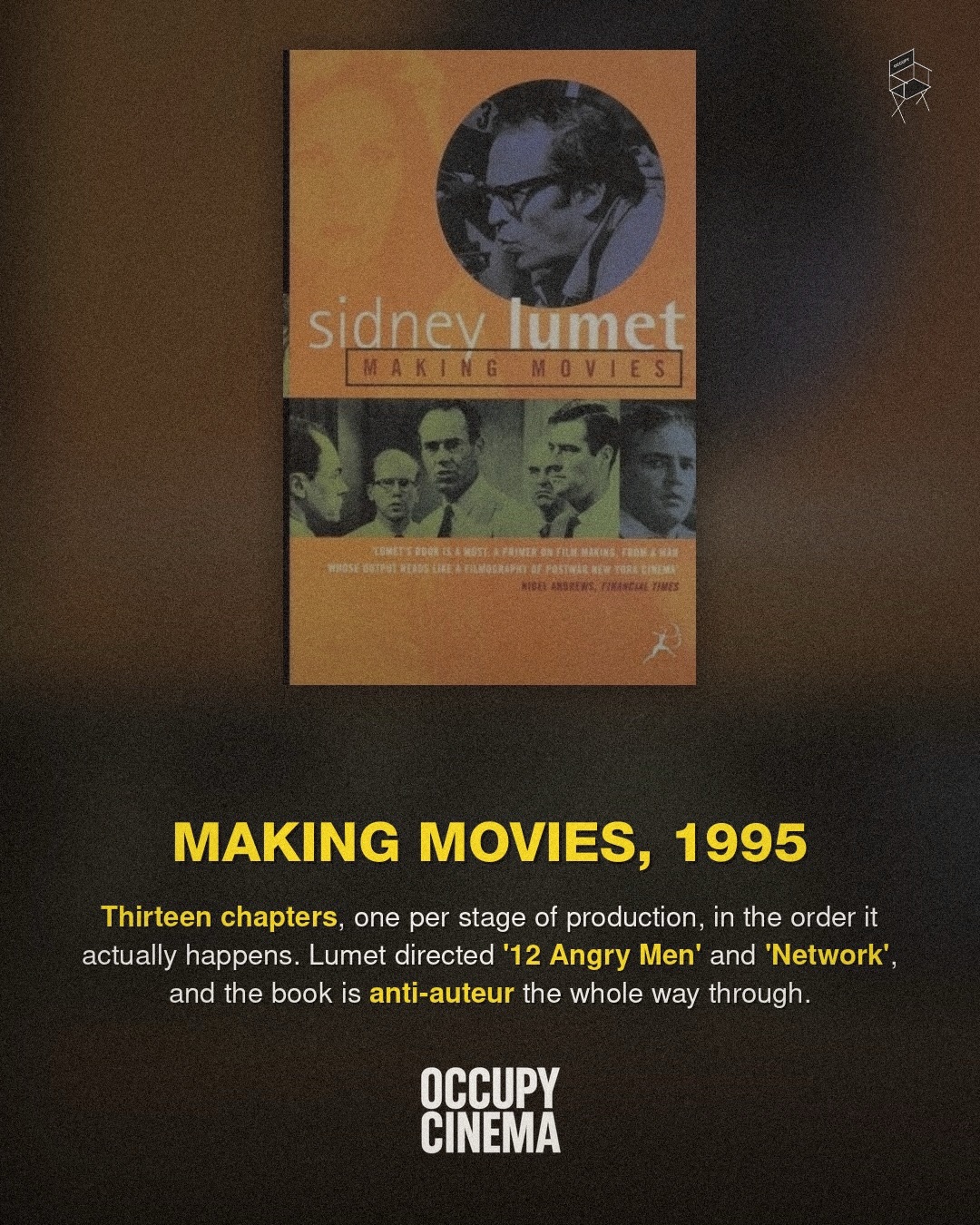
Consider Sidney Lumet and his classic work Making Movies. Published after three decades of studio craft, Lumet lays out the unglamorous mechanics of directing without sentiment. He details how a call sheet functions under intense pressure, how lens height dictates authority, and how to sequence forty camera setups before lunch. The book is not about visual aesthetics in a vacuum. It is about capital, discipline, and managing human energy on set. A reported retrospective by The Hollywood Reporter on mid-century studio directors underscores how Lumet's rigid pre-production enabled projects like Network and Dog Day Afternoon to finish under budget while capturing broad cultural consensus.
The Mechanics of Cutting and Shot Selection
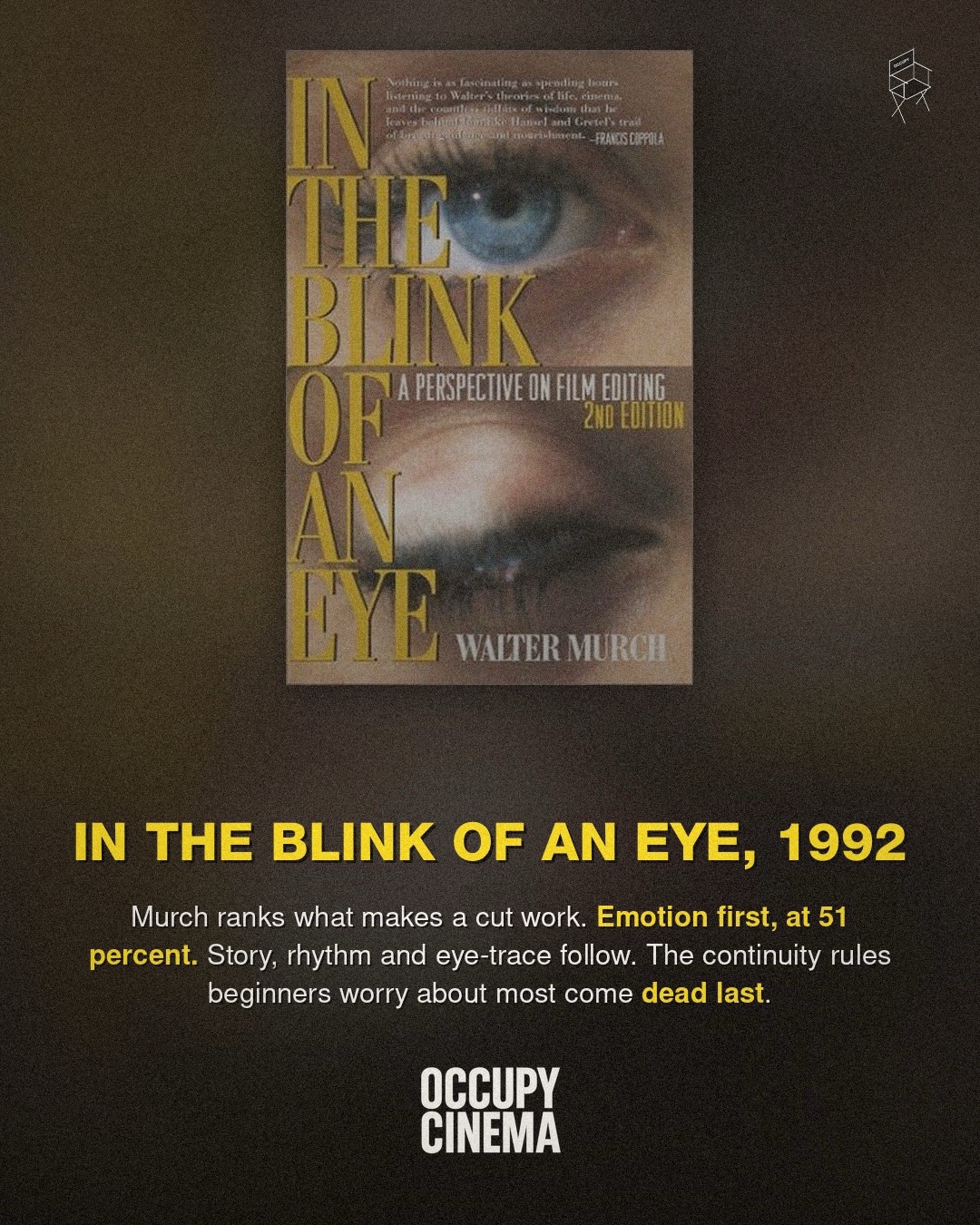
Where Lumet demystifies the physical set, editor Walter Murch unpacks the psychological geography of the edit bay in In the Blink of an Eye. Murch places emotional truth at the absolute top of his cutting criteria, allocating sixty percent of an edit decision to raw feeling and only ten percent to three-dimensional spatial continuity. It is a precise formula that challenges the pixel-perfect obsession of modern digital suites. Editors who master Murch understand that audience engagement depends on natural human eye blinks and unspoken shifts in character intent, not seamless digital transitions.
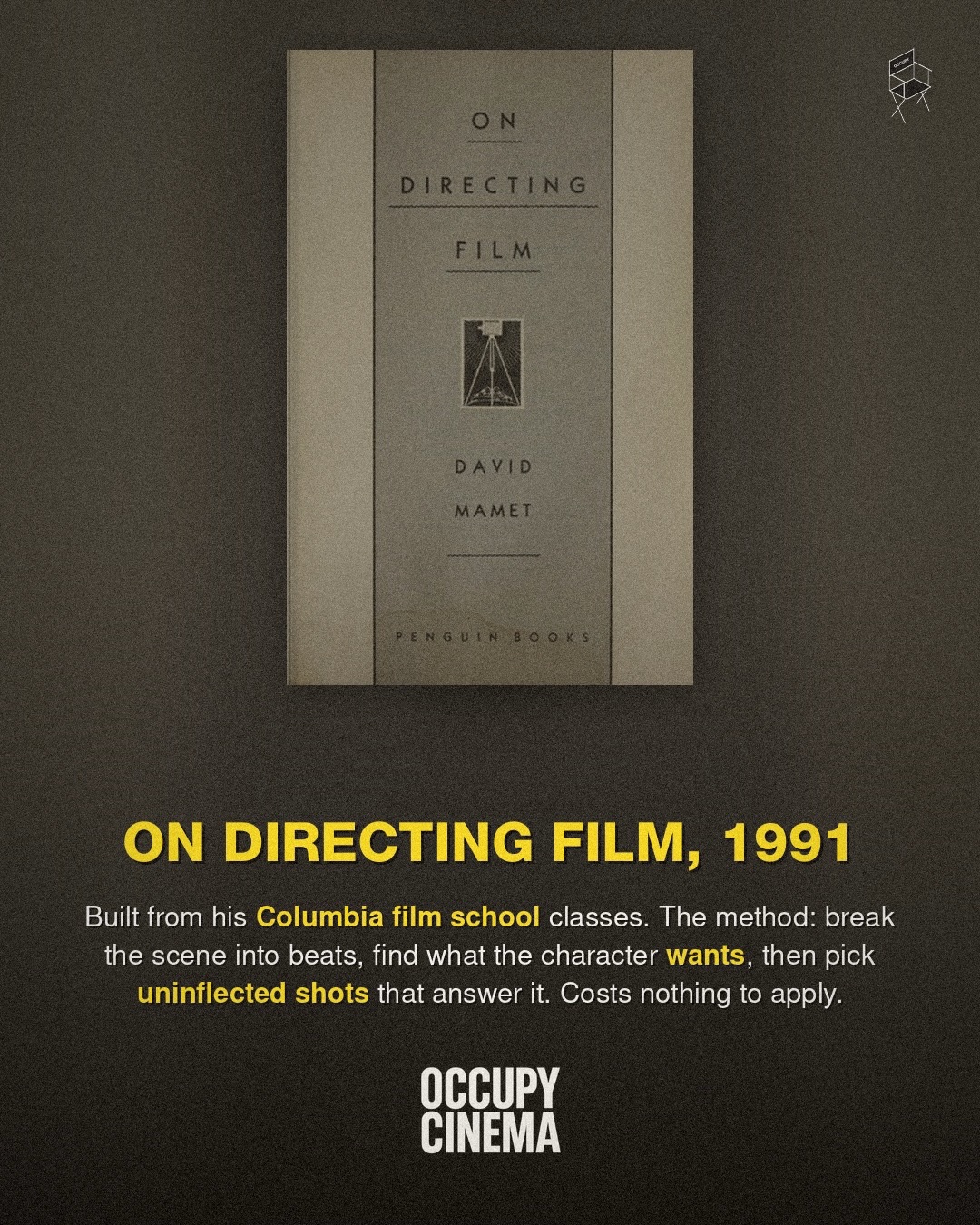
Playwright and director David Mamet approaches the lens with similar brutality in On Directing Film. His thesis eliminates decorative camera work entirely. Mamet argues that every camera placement must answer a single structural question: what does the character want? By insisting that directors construct scenes out of unmanipulated visual beats rather than grand master shots, he forces filmmakers to plan their cuts on paper long before lighting a set. It remains an essential antidote to modern, coverage-heavy production styles that rely on fixing story problems in post-production.
Micro-Budget Math and Production Reality
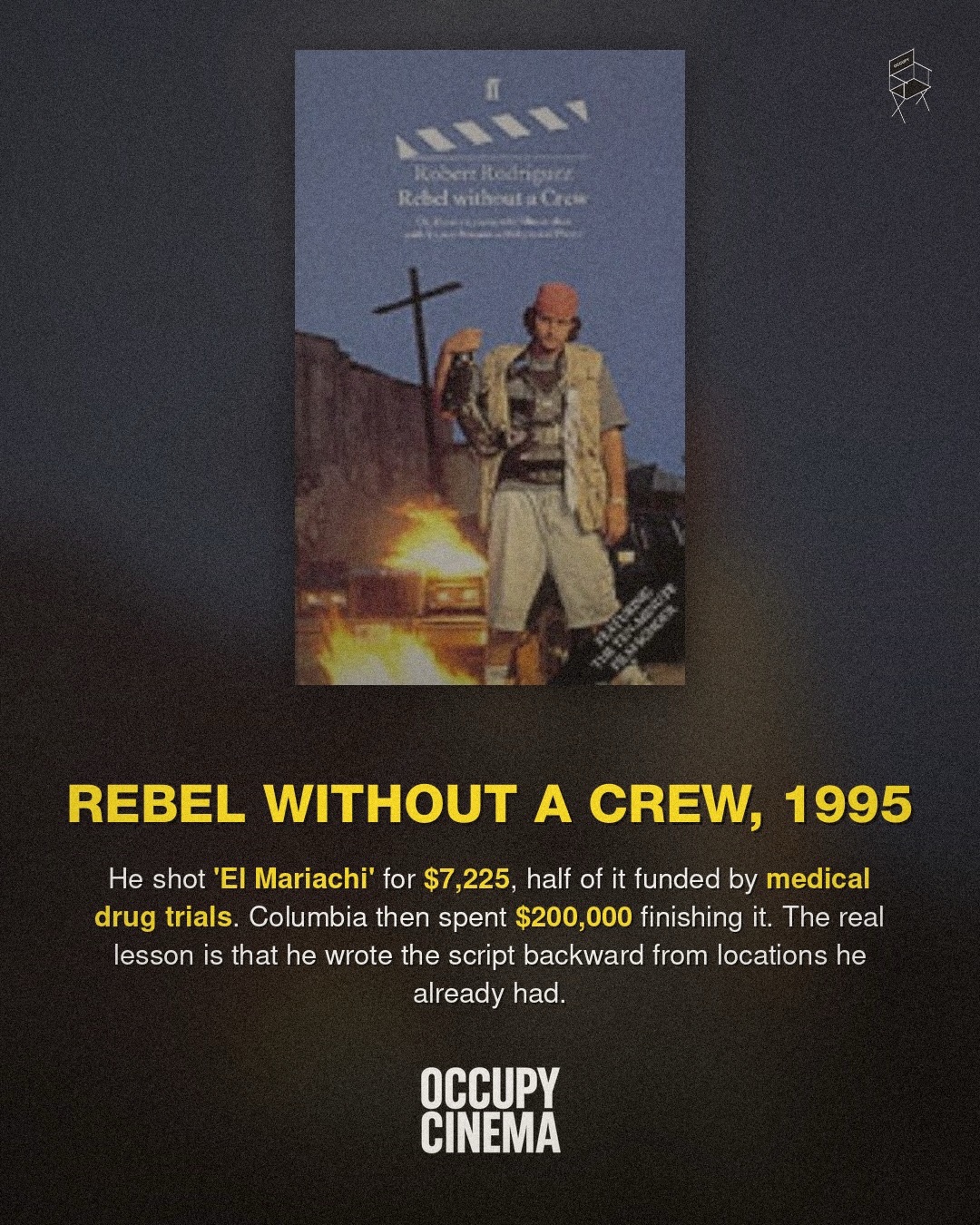
For independent creators, theory means nothing without concrete execution strategies. That is where Robert Rodriguez and his memoir Rebel Without a Crew set the modern industry baseline. Rodriguez produced El Mariachi for $7,225 by reverse-engineering his screenplay around accessible physical assets, including a local turtle, a bar, and two handguns. He operated the camera, pulled focus, and recorded sound entirely alone on set.
However, the secondary economic lesson is equally vital for industry observers. Columbia Pictures later spent $200,000 on sound remakes, film transfers, and marketing to push the project into global theatrical distribution. As reporting in IndieWire regularly highlights regarding Sundance acquisitions, ultra-low budget production values only cross the commercial finish line when backed by proper finishing capital and institutional distribution muscle. Both halves of that financial equation dictate how independent cinema actually operates.
Technology will continue to shift production pipelines toward artificial intelligence and virtual volume stages. But software cannot decide where to place an edit point or how to structure a scene around local geography. The manuals that endure are the ones grounded in economic reality and human psychology. Mastering these timeless texts remains far more valuable than upgrading your camera package.
Related reading: Rebel Without a Crew.