Occupy Cinema › Exhibition
The Million-Dollar Gamble That Invented Modern American Independent Cinema
When the Hollywood studio system refused to back 'A Woman Under the Influence,' John Cassavetes and Peter Falk put up their own cash to rewrite the rules of distribution.
By Occupy Cinema ·
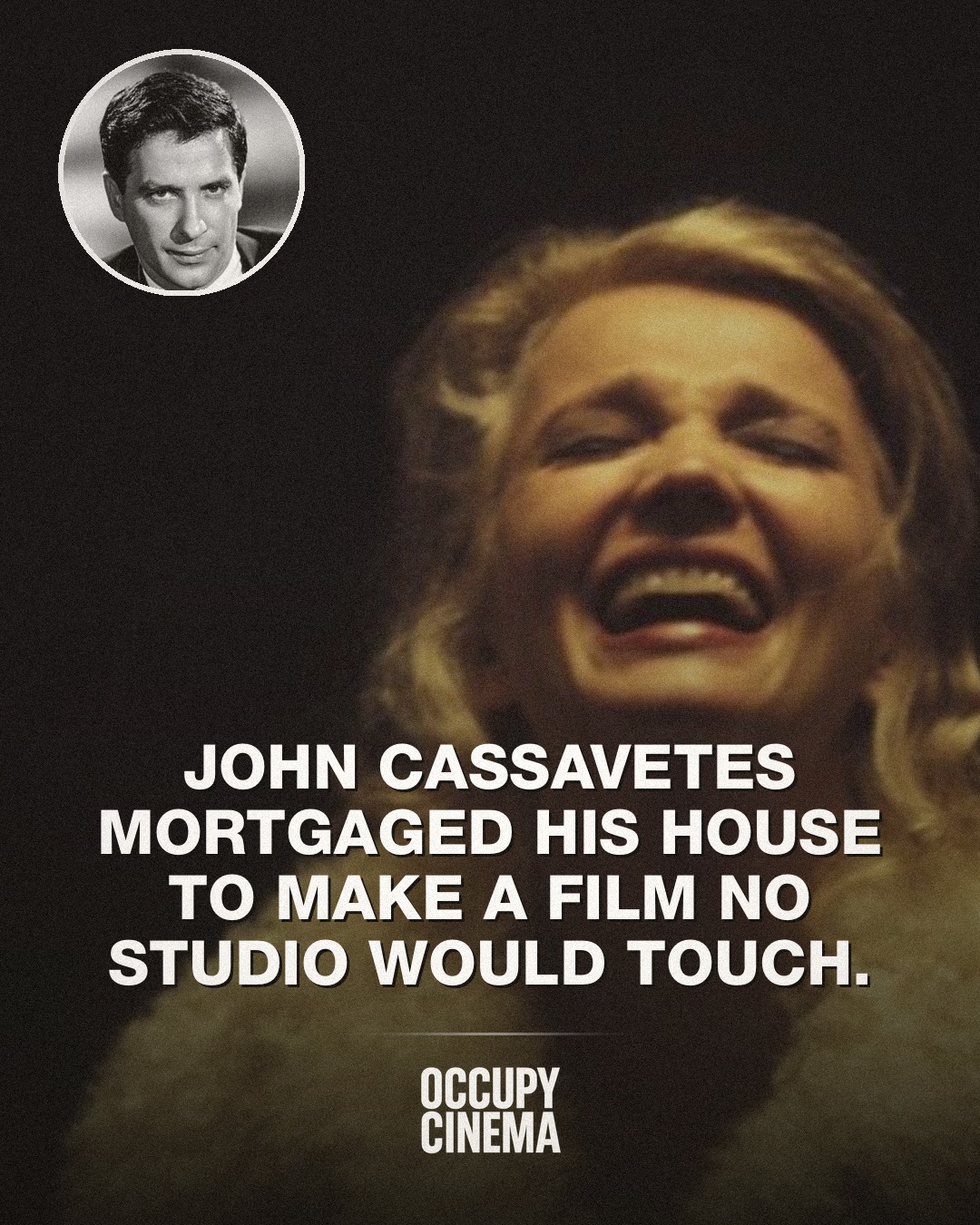
Hollywood in the early 1970s was undergoing a creative renaissance, but the studio executive suites remained terrified of unvarnished human vulnerability. When John Cassavetes finished the script for A Woman Under the Influence, every major distributor passed. The material was considered too abrasive, the female lead too volatile, and the commercial prospects nonexistent. Cassavetes responded the only way he knew how: he bypassed the system entirely, mortgaged his own home, and built an independent production pipeline from scratch.
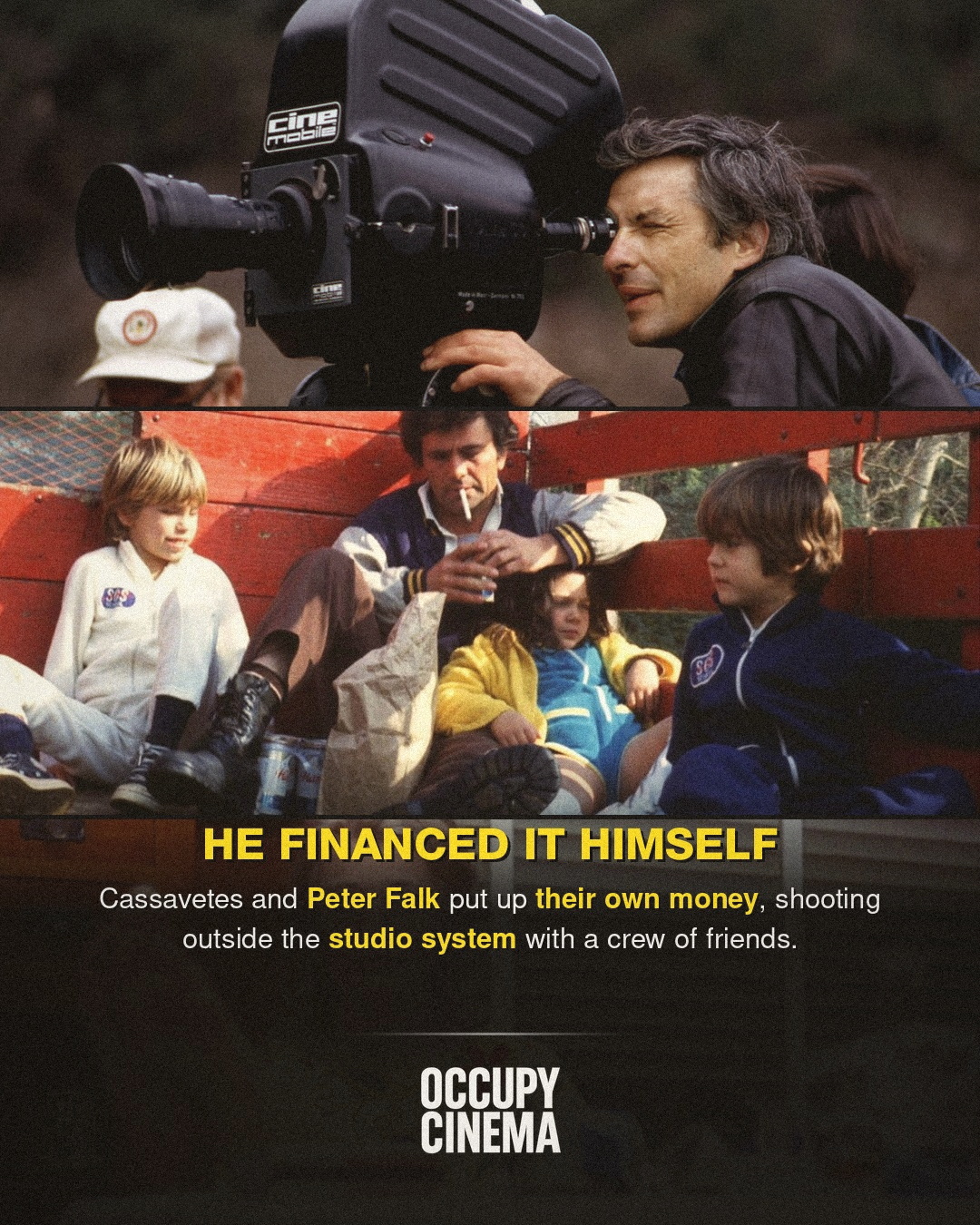
The financial architecture of the film became legendary. Cassavetes secured a personal loan against his Los Angeles residence. Co-star Peter Falk, flush with income from his prime-time television run on Columbo, kicked in an estimated half-million dollars of his own capital to keep cameras rolling. Friends and family filled out the crew, while American Film Institute students provided low-cost technical labor. Operating with a lean budget of approximately one million dollars, Cassavetes proved that creative autonomy required financial skin in the game.
Bypassing the Studio Cartel
Production was only half the battle. Once the film was finished, the traditional distribution apparatus refused to book it without major recuts. Rather than surrender artistic control, Cassavetes established Faces International Distribution, personally calling independent theater owners across the country to book screens city by city. He rented four-wall venues, toured college campuses, and drummed up grassroots audiences through sheer force of will.
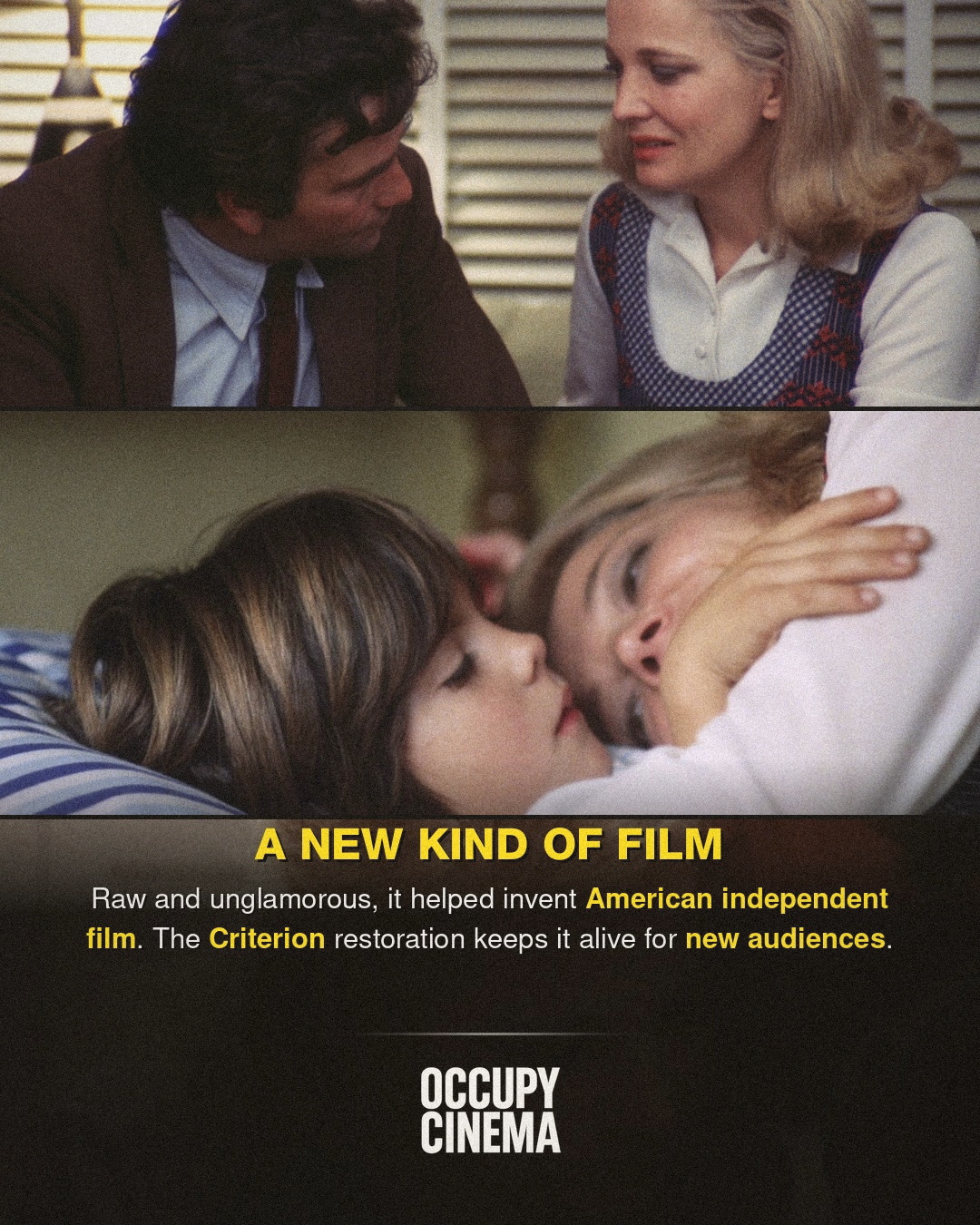
The hustle paid off immediately. The film became a runaway art-house hit, earning critical raves and pulling in several million dollars at the box office. Film commentators at Sight and Sound have long pointed to the release as the true birth of modern American independent distribution, proving an auteur could handle development, physical production, and exhibition without studio interference.
The Raw Craft of Performance
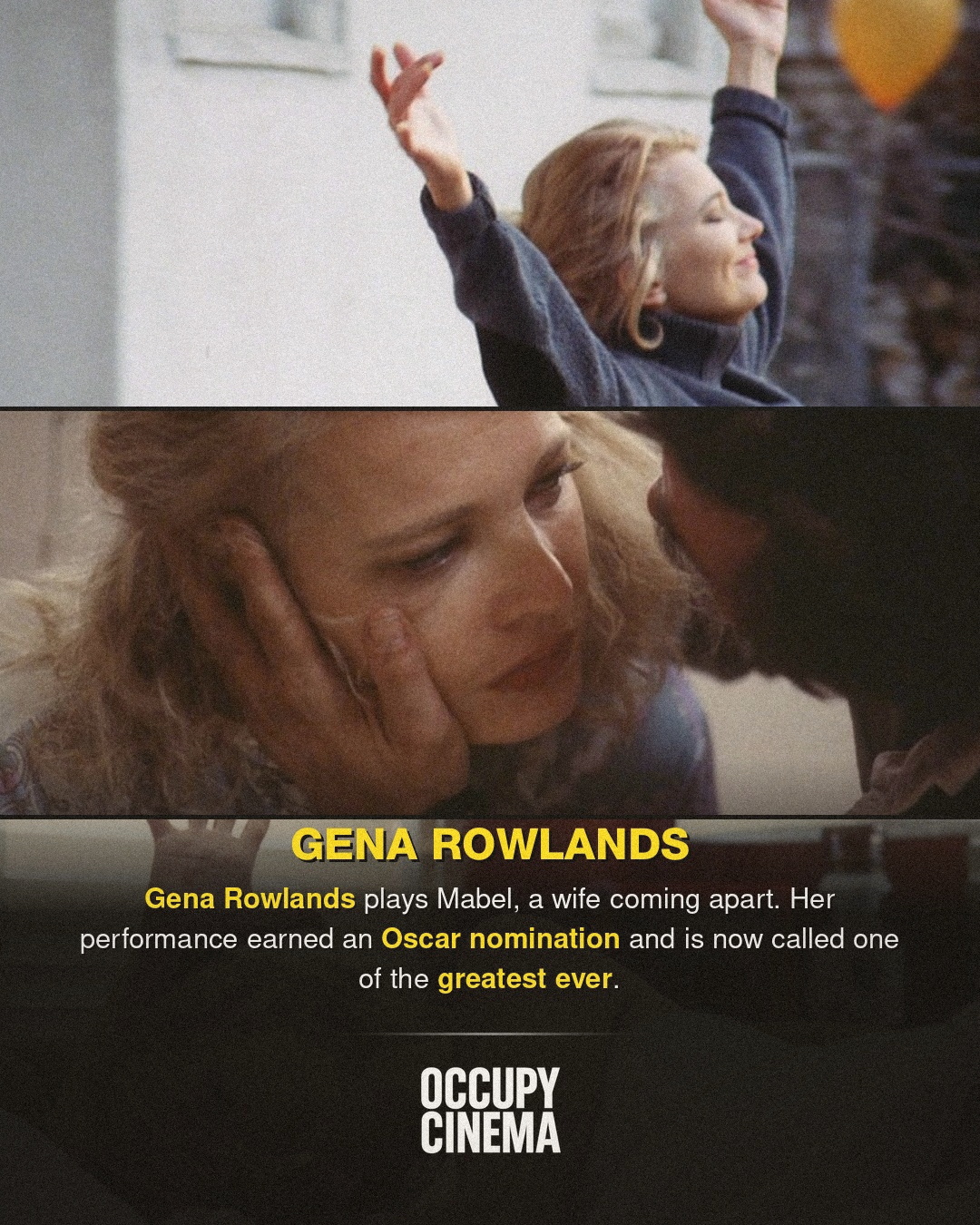
Shot on 35mm with long, unblinking takes and minimal artificial lighting, the film deliberately stripped away Hollywood glamour. The aesthetic was designed entirely to serve Gena Rowlands' performance as Mabel Longhetti. Rather than relying on standard continuity cutting, Cassavetes let scenes breathe in claustrophobic real time, giving his actors the space to search, stumble, and completely unravel on screen.
Rowlands delivered a performance of terrifying emotional honesty, earning an Academy Award nomination for Best Actress. Cassavetes secured a historic Best Director nomination, an almost unheard-of achievement for a self-distributed independent feature. Coverage across trades like The Hollywood Reporter tracked the film's improbable awards run as a wake-up call to the majors.
Fifty years later, the film stands as more than an acting masterclass. It remains the definitive case study in creative defiance. In an era where risk-averse studio boards dominate production decisions, A Woman Under the Influence is a permanent reminder that the most enduring American cinema was paid for by the artists themselves.
Related reading: The American Cinema.