Occupy Cinema › Awards
The $19 Million Masterclass: How Pan's Labyrinth Redefined Dark Fantasy Cinema
Guillermo del Toro turned a modest budget into three Oscars and $83 million in global box office, proving that practical craft beats digital excess every time.
By Occupy Cinema ·
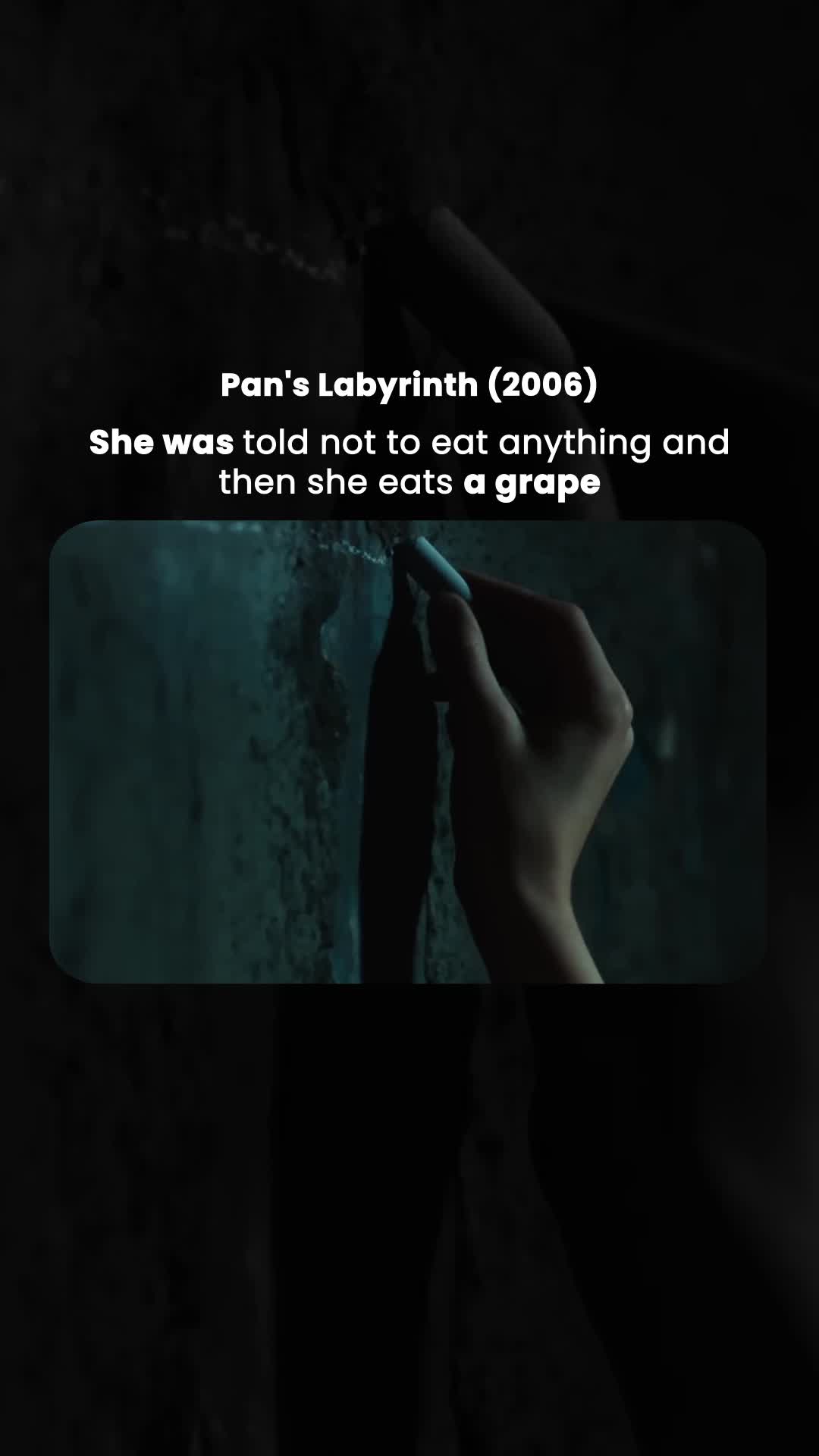
Nineteen million dollars rarely buys a masterpiece in modern Hollywood, but in 2006, it bought absolute immortality. Guillermo del Toro released Pan's Labyrinth (El laberinto del fauno), a dark fairytale that earned $83 million globally and proved tactile visual design could outperform ballooning studio budgets. Released through specialty distributor Picturehouse, the Spanish language feature shattered expectations for international releases, balancing high concept creature design with the grim historic backdrop of Francoist Spain in 1944.
The financial return was backed by massive critical consensus. The film earned six Academy Award nominations and claimed three wins, including Best Art Direction, Best Makeup, and Best Cinematography for director of photography Guillermo Navarro. Historical coverage from The Hollywood Reporter highlighted its steady box office momentum, which built through word of mouth rather than saturated marketing spends. The film remains a textbook example of high efficiency studio filmmaking where every dollar spent appears directly on the screen.
The Mechanics of Practical Horror
At the heart of the film's iconography is the Pale Man, a child devouring nightmare designed directly by del Toro. Seated at the head of a lavish banquet table loaded with fine food that it guards yet never consumes, the creature serves as an allegorical mirror to political greed. Mime and creature actor Doug Jones inhabited the monster, along with playing the enigmatic Faun. Operating beneath heavy pounds of custom foam latex and restricted sightlines, Jones spent up to five hours daily in the makeup chair, converting physical strain into expressive physical performance.
Opposite Jones was 11 year old Ivana Baquero as Ofelia, the young girl traversing a series of dangerous underworld tasks. To evoke authentic tension during the Pale Man sequence, del Toro instructed Baquero that under no circumstances should she eat the tempting grapes set on the table during shooting. By building real temptation directly into the set conditions, del Toro captured an unforced, instinctual response from his young lead that digital performance capture simply cannot replicate.
Fascism, Fairytales, and Frame Rate
The thematic resonance of Pan's Labyrinth stems from how seamlessly it merges mythological terror with historical tyranny. Capitán Vidal embodies the cold, procedural violence of authoritarian rule, while the subterranean labyrinth provides a brutal mirror of moral testing. The dual storylines do not merely run side by side; they collide, presenting fantasy not as an escape from real world suffering, but as a crucible for survival.
Guillermo Navarro translated this balance into visual grammar using contrasting color logic and calculated camera movement. The real world of the military outpost is rendered in cold, sterile blues and muted greens, while the fantasy realm glows with deep ambers, blood reds, and organic warmth. As noted in archived coverage by IndieWire, the production relied on massive physical sets constructed in the forests of central Spain, giving every camera move a grounded, physical presence that greenscreen studios lack.
Nearly two decades after its theatrical run, Pan's Labyrinth stands as a defining benchmark for dark fantasy and independent cinema economics. It proves that sharp budgetary discipline, tactile craft, and clear thematic vision can outlast any algorithmically driven blockbuster. Del Toro showed the industry that monsters are always most terrifying when they are real enough to touch.
Related reading: Cinema Treasures: A New Look at Classic Movie Theaters.