Occupy Cinema › Streaming
Paramount Reclaims Animation Slate from Netflix in Strategic Shift
A high-profile animation output deal between Paramount and Netflix has dissolved, signaling Paramount's renewed focus on its own streaming ecosystem. The move follows a major streaming success, pointing to a calculated pivot.
By Occupy Cinema ·
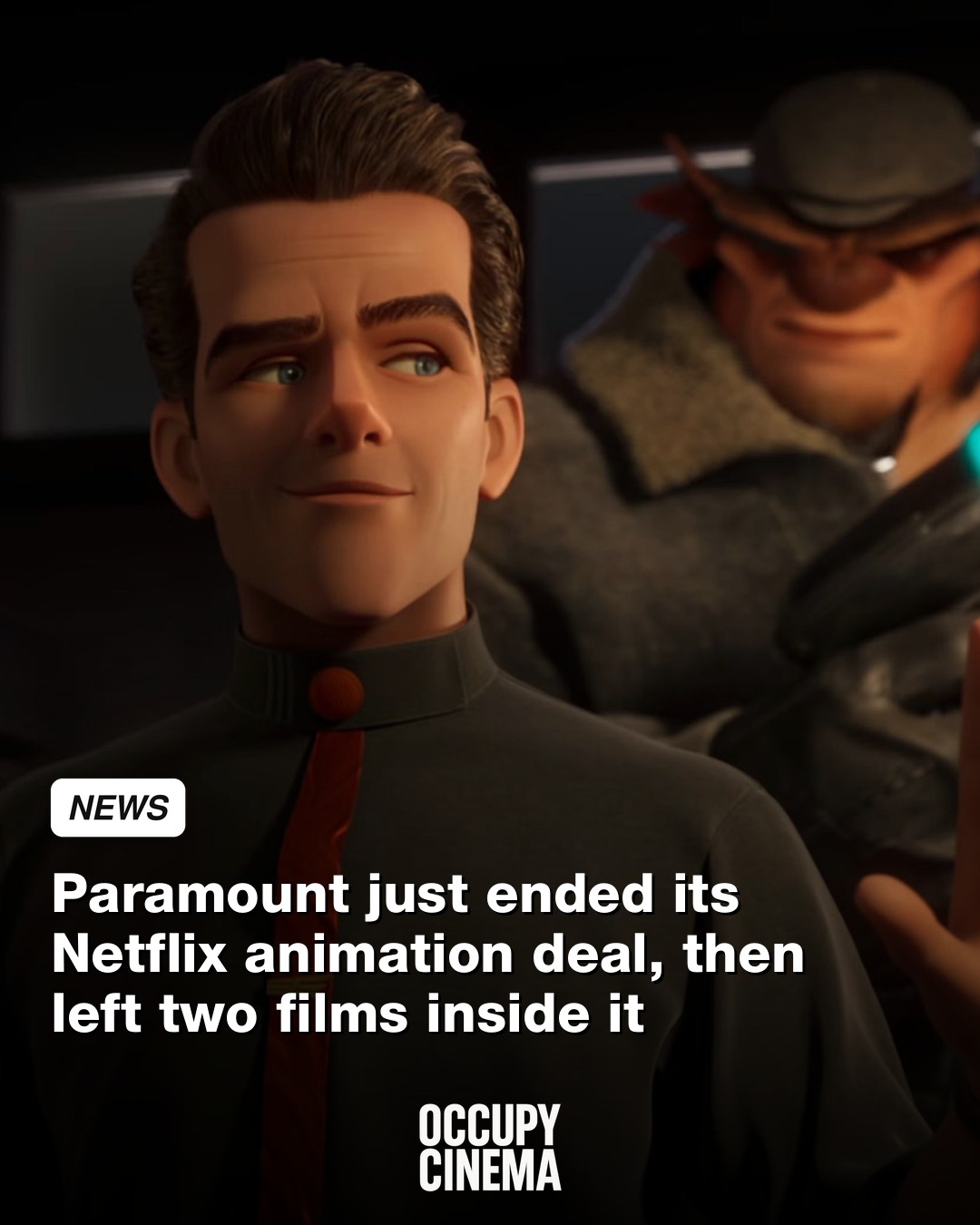
Paramount and Netflix have officially terminated their animated feature film agreement. The deal, originally brokered between Netflix and Skydance Animation in 2023, predated Skydance's subsequent integration into Paramount. This dissolution marks a significant strategic pivot for Paramount, signaling a clear intention to consolidate its animation assets within its own platforms, primarily Paramount+.
The timing of this decision is particularly telling. Just weeks prior, Skydance Animation's film Spellbound, released on Netflix, achieved considerable viewership. Reports indicate the feature garnered 144.9 million global views, making it one of Netflix's most-watched animated offerings of the year. This performance underscores the commercial viability of Skydance's animated content, a value Paramount now appears keen to keep in-house. The termination speaks volumes about Paramount's evolving direct-to-consumer strategy, prioritizing exclusive content for its own burgeoning streaming service.
The Shifting Sands of Streaming Content
The original Netflix-Skydance Animation pact was a product of a different era in the streaming wars. Skydance Animation, under the creative leadership of John Lasseter, had sought a global distribution partner for its ambitious slate. Netflix, at the time, was aggressively expanding its animated content library, both through in-house productions and high-profile output deals. Films like Spellbound, directed by Vicky Jenson, were intended to be cornerstones of this strategy, offering family-friendly content to a global subscriber base. The film's musical score, by Academy Award winner Alan Menken, alongside vocal talent from Rachel Zegler and Nicole Kidman, highlighted the production's high caliber, further validating Skydance's creative direction.
Paramount's acquisition of Skydance Media, including its animation arm, fundamentally altered the landscape. While specific financial terms for the animation agreement's termination were not disclosed, such moves typically involve substantial negotiations and potential buyouts. The decision to claw back these animated titles reflects a broader industry trend where major studios are increasingly hesitant to license premium content to rivals, especially when they operate their own streaming services. This strategy aims to drive subscriber acquisition and retention by offering exclusive, marquee titles only available on proprietary platforms. Industry analysts have consistently pointed to exclusive content as a primary differentiator in the crowded streaming market.
Exceptions and Industry Impact
Two major projects will still proceed to Netflix under the original agreement's terms: Brad Bird's highly anticipated Ray Gunn and Rich Moore's untitled Jack and the Beanstalk project. These exceptions likely reflect advanced stages of production or specific contractual obligations that made a reversal impractical or excessively costly. Bird's involvement, known for classics like The Iron Giant and The Incredibles, brings significant prestige to Ray Gunn, promising a substantial draw for Netflix subscribers. Similarly, Moore, a veteran of Disney Animation with hits like Zootopia and Wreck-It Ralph, ensures high expectations for his take on the classic fairytale.
While the animated film deal is off, Paramount will continue to license certain television series to Netflix, including long-running hits like NCIS and the upcoming revival of Matlock. This bifurcated approach highlights the nuanced nature of content licensing today. Library content and established television brands can still generate significant revenue through non-exclusive deals, while tentpole feature films, particularly animated ones with broad family appeal, are increasingly seen as critical assets for direct streaming growth. This separation underscores a clear delineation in Paramount's strategy: leverage existing IP for revenue across platforms, but guard new, high-value productions for its own ecosystem. The move positions Paramount to compete more directly with established animation powerhouses on their own terms, leveraging the creative talent now under its direct control. The Hollywood Reporter has frequently detailed how studios are navigating these complex distribution waters, balancing short-term licensing revenue with long-term platform growth.