Occupy Cinema › Awards
How a Retail Habit Delivered Patton Oswalt’s First Big TV Breakthrough
Before nine seasons on The King of Queens and an Emmy win, Patton Oswalt earned his SAG card on Seinfeld thanks to a regular habit at local stores.
By Occupy Cinema ·
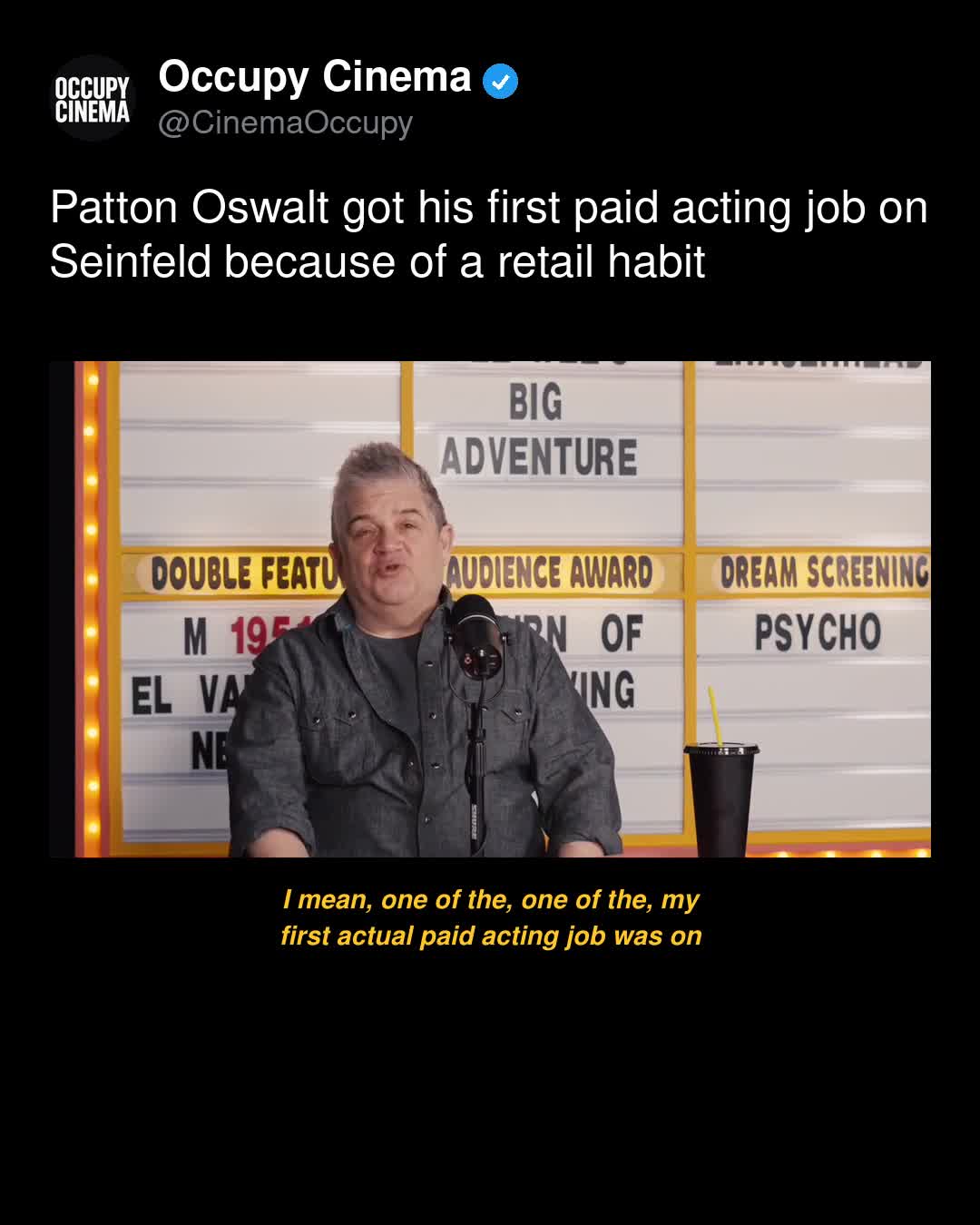
In 1994, Seinfeld was generating over 30 million viewers per episode for NBC, anchored in the network lucrative Thursday night broadcast lineup. The show served as an essential launchpad for working comedians attempting to break into the Screen Actors Guild. Securing even a brief speaking part on Jerry Seinfeld and Larry David flagship comedy guaranteed union health insurance eligibility, standard scale pay, and immediate industry visibility. For Patton Oswalt, then a struggling stand, up comedian attempting to manage mounting retail debts, a minor appearance as an irritable video store clerk launched a career that now spans four decades.
Oswalt was an obsessive consumer of physical media during his early years in Los Angeles comedy clubs. His spending habits involved directing every dollar earned from weekend gigs into local record stores, comic book shops, and independent video rental counters. That retail routine forced him to seek television work purely to finance his personal collecting habits. When casting directors issued an audition call for a video rental store worker in the Season 6 episode titled "The Couch, " Oswalt did not need to research the role. He brought his authentic familiarity with clerk counter dynamics straight into the room. As detailed by Variety, the resulting performance gave Oswalt his first union paycheck.
The Sitcom Engine and the Golden Age of Guest Roles
The episode aired in October 1994 under the direction of Andy Ackerman, who directed over 80 episodes of the series. Ackerman relied on precise multi camera setups and rapid comedic pacing to maintain the show signature narrative velocity. Oswalt appeared as a video counter clerk dealing with Jerry Seinfeld attempts to rent Breakfast at Tiffany's. Delivering dialogue in a tight studio production required sharp rhythm and immediate presence. Network television in the mid, 1990s regularly tested local stand, up talent in these high pressure, thirty second character bits to evaluate their comedic discipline.
The economics of 1990s network television transformed those small roles into crucial career stepping stones. A SAG guest star contract paid standard scale rates of several hundred dollars per day, but the long term dividend lay in syndication. As reported by The Hollywood Reporter, Seinfeld went on to generate over $3 billion in syndication fees across its broadcast lifetime. For Oswalt, securing that union card opened doors across the network landscape, leading to a guest run on NewsRadio and eventually a series regular role as Spence Olchin on CBS's The King of Queens, which ran for nine seasons and 206 episodes.
From Bit Player to Box Office Voice
That initial broadcast foundation enabled Oswalt to build a varied career spanning mainstream studio blockbusters and prestige art, house cinema. He provided the lead voice performance as Remy in Pixar's Ratatouille in 2007, which grossed over $620 million worldwide according to Box Office Mojo. He also earned critical praise and an Independent Spirit Award nomination for his lead role in the 2009 indie drama Big Fan. The transition from a video store extra to a lead actor demonstrates how mid, 1990s television sitcoms functioned as effective talent incubators for character actors.
The industry infrastructure that enabled Oswalt's rise has largely shifted. Streaming platforms favor shorter season orders and compressed production schedules, reducing the volume of small speaking roles that once built working actor careers. Oswalt's origin story stands as a clear example of how 1990s network television scale turned a local retail habit and a single line of dialogue into a lasting Hollywood tenure.
Related reading: High-Rise: A Novel.