Occupy Cinema › Awards
The Unbroken Gaze: How 'Portrait of a Lady on Fire' Redefined Cinematic Desire on a Modest Budget
Céline Sciamma's 2019 masterpiece, 'Portrait of a Lady on Fire', leveraged radical aesthetic choices and a lean production budget to craft a critical and commercial sensation, challenging industry norms with its nuanced portrayal of the female gaze.
By Occupy Cinema ·
A Silent Revolution, A Global Resonance
In 2019, Céline Sciamma's 'Portrait of a Lady on Fire' emerged as a quiet but potent force, captivating critics and audiences alike with its audacious artistic choices and profound emotional depth. The film, a period drama centered on an intimate relationship between a painter and her subject, was a critical darling, earning Best Screenplay at the Cannes Film Festival and a nomination for the Golden Globe Award for Best Foreign Language Film. Its success wasn't merely artistic, it was a testament to how a clear directorial vision, coupled with disciplined production, can yield significant returns.
Made on a remarkably lean budget of approximately $4.3 million, the film defied conventional wisdom about what constitutes a box office success for an arthouse title. It grossed over $12 million worldwide, an impressive feat for a French-language period piece with a deliberate, unhurried pace and minimal marketing spend compared to studio releases. This financial performance underscored the global appetite for stories told with genuine artistic integrity and a fresh perspective, proving that critical acclaim can translate directly into commercial viability.
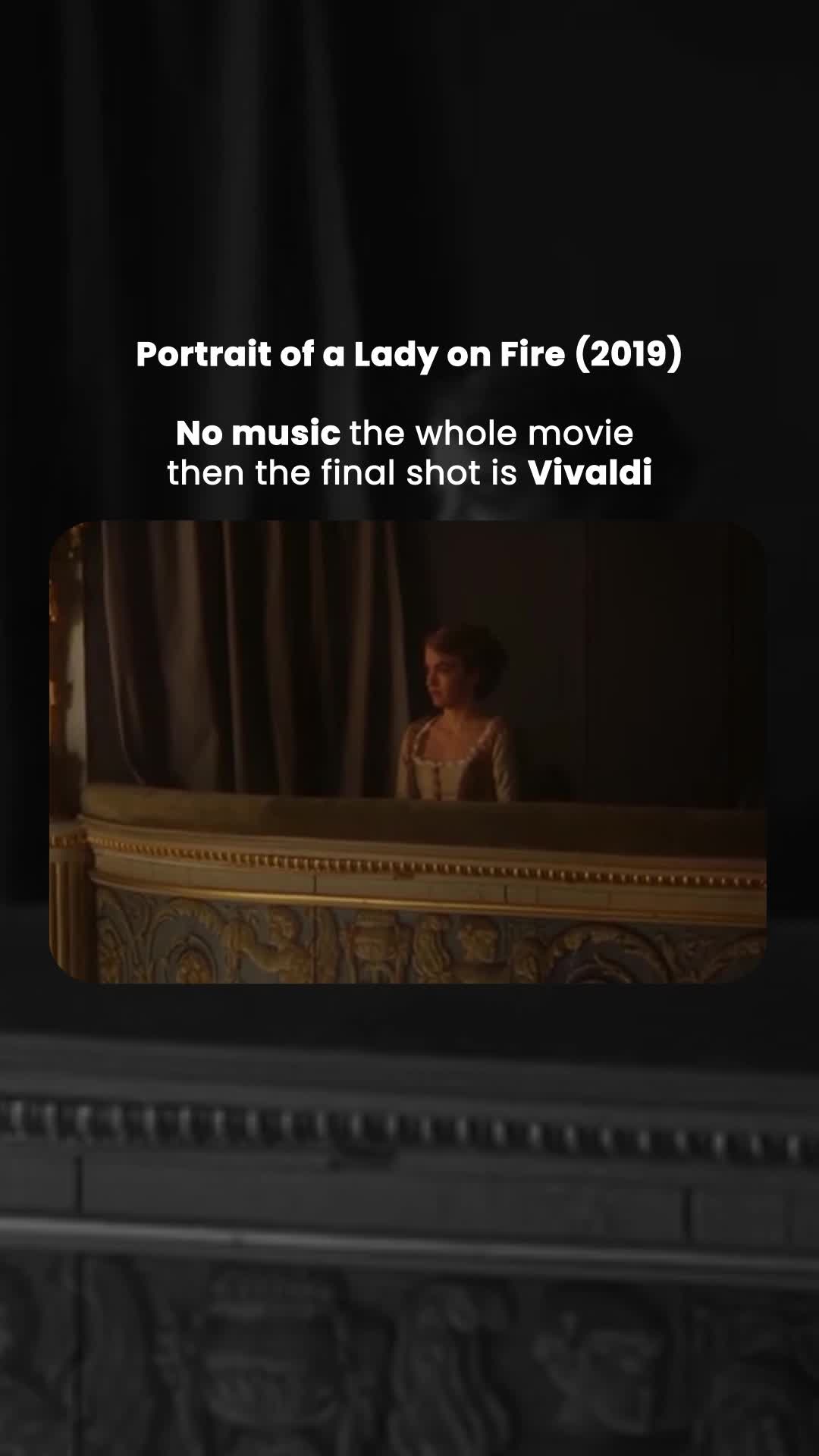
Sciamma and her team employed several bold decisions that shaped the film's unique character. Most notably, the complete absence of non-diegetic music for nearly the entire runtime. This radical choice forced viewers into a heightened state of aural awareness, emphasizing every rustle of fabric, every crackle of fire, every breath. The world of the film felt intensely present, a stark contrast to the often manipulative scores prevalent in contemporary cinema. When Vivaldi's 'Summer' from 'The Four Seasons' finally breaks the silence in the film's climactic final scene, its emotional impact is devastating, a testament to the power of scarcity.
The Craft of Unspoken Desire
The visual language of 'Portrait of a Lady on Fire' is equally distinctive, thanks to the exceptional work of cinematographer Claire Mathon. Mathon, celebrated for her naturalistic approach, lit the film almost exclusively with available light sources, primarily candlelight and natural daylight. This technique not only lent an exquisite, painterly quality to every frame, echoing the film's narrative themes, but also served the practical goal of maintaining the production's modest budget. The effect is an immersive, almost tactile experience, where the glow of a fire or the soft light of a window feels palpably real. The careful framing and deliberate pacing, combined with Mathon's lighting, turned each shot into a composition worthy of its own canvas, contributing to the film's enduring aesthetic allure.
The film's narrative core revolves around the development of attraction through observation, a principle Sciamma meticulously instilled in her lead actors, Noémie Merlant and Adèle Haenel. Their performances were calibrated to build desire through sustained gazes and subtle reactions, delaying physical contact until it became narratively essential. This approach foregrounded the 'female gaze' not just as a thematic concern, but as a methodological pillar of the filmmaking itself. The camera, like the characters, watches, observes, and slowly falls in love, making the viewer complicit in the unfolding intimacy. This deliberate construction of desire stands in stark opposition to the often immediate and overtly sexualized portrayals common in mainstream cinema, offering a more profound and patient exploration of human connection. The film's influence on contemporary queer cinema and its discourse around representation is undeniable, cementing its place as a significant cultural artifact.
Its critical reception was overwhelmingly positive, with particular praise for Sciamma's screenplay and direction, Mathon's cinematography, and the magnetic performances of Merlant and Haenel. The film garnered widespread attention from major publications like The Hollywood Reporter and Variety, which highlighted its sophisticated storytelling and visual artistry. Its success serves as a powerful reminder that compelling cinema does not always require massive budgets or special effects. Instead, vision, craft, and a willingness to break conventional rules can create enduring works that resonate deeply and reshape industry conversations.
Ultimately, 'Portrait of a Lady on Fire' is more than just a beautifully shot period drama. It is a masterclass in economic filmmaking, proving that creative constraint can lead to profound artistic freedom. It challenged the industry to reconsider what constitutes a compelling love story and how it can be told, leaving an indelible mark on cinematic craft and storytelling for years to come.
Related reading: The Filmmaker's Eye.