Occupy Cinema › Film News
Hollywood's Age-Old Identity Crisis: Pattinson, Dafoe, and the Generational Divide
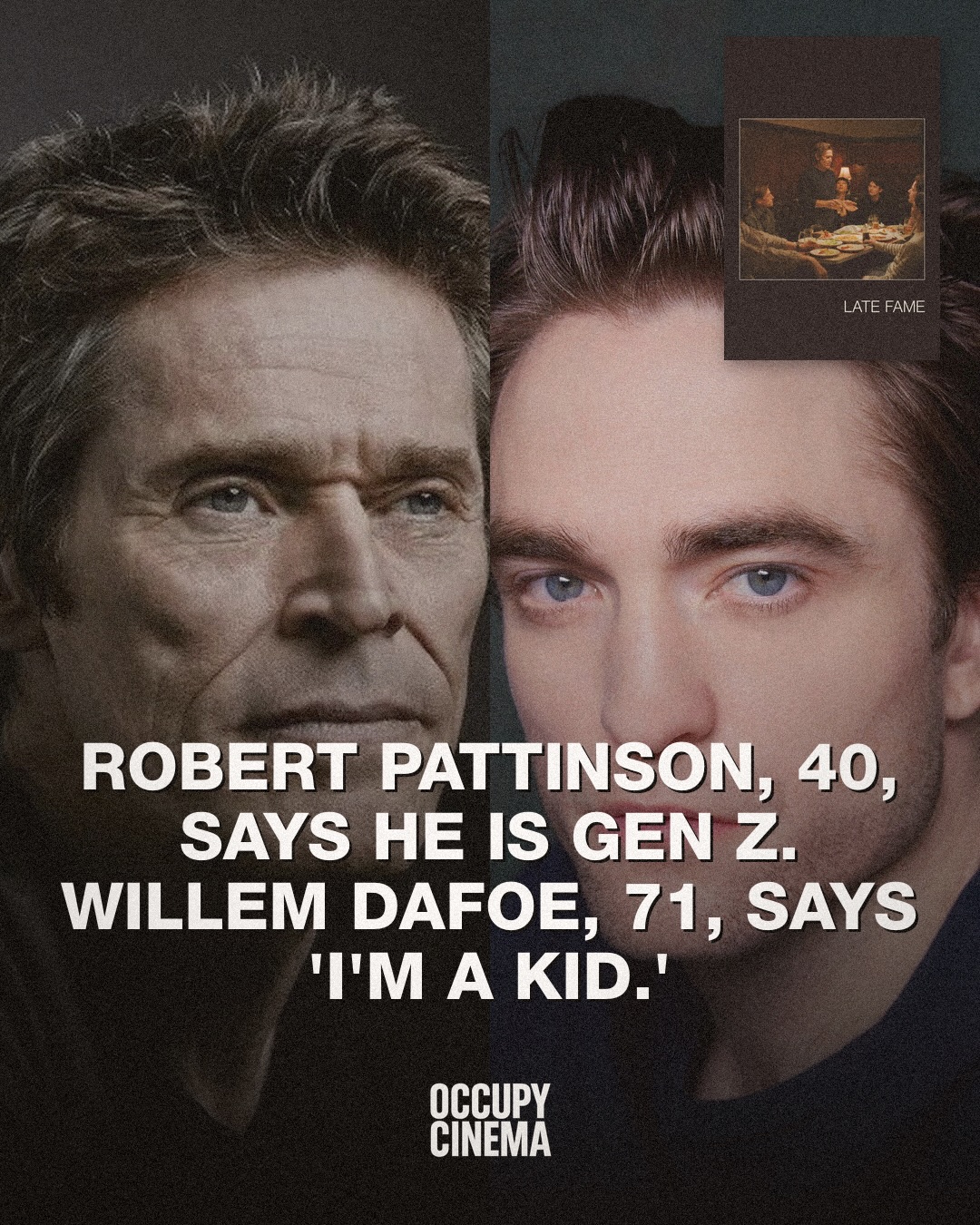
Age is just a number, unless you're Robert Pattinson trying to claim Gen Z status. Hollywood's generational dynamics are under the microscope, fueled by a recent Vanity Fair lie detector test and Willem Dafoe's defiant youthfulness.
By Occupy Cinema ·
Youthful Ambition Meets Hard-Hitting Reality
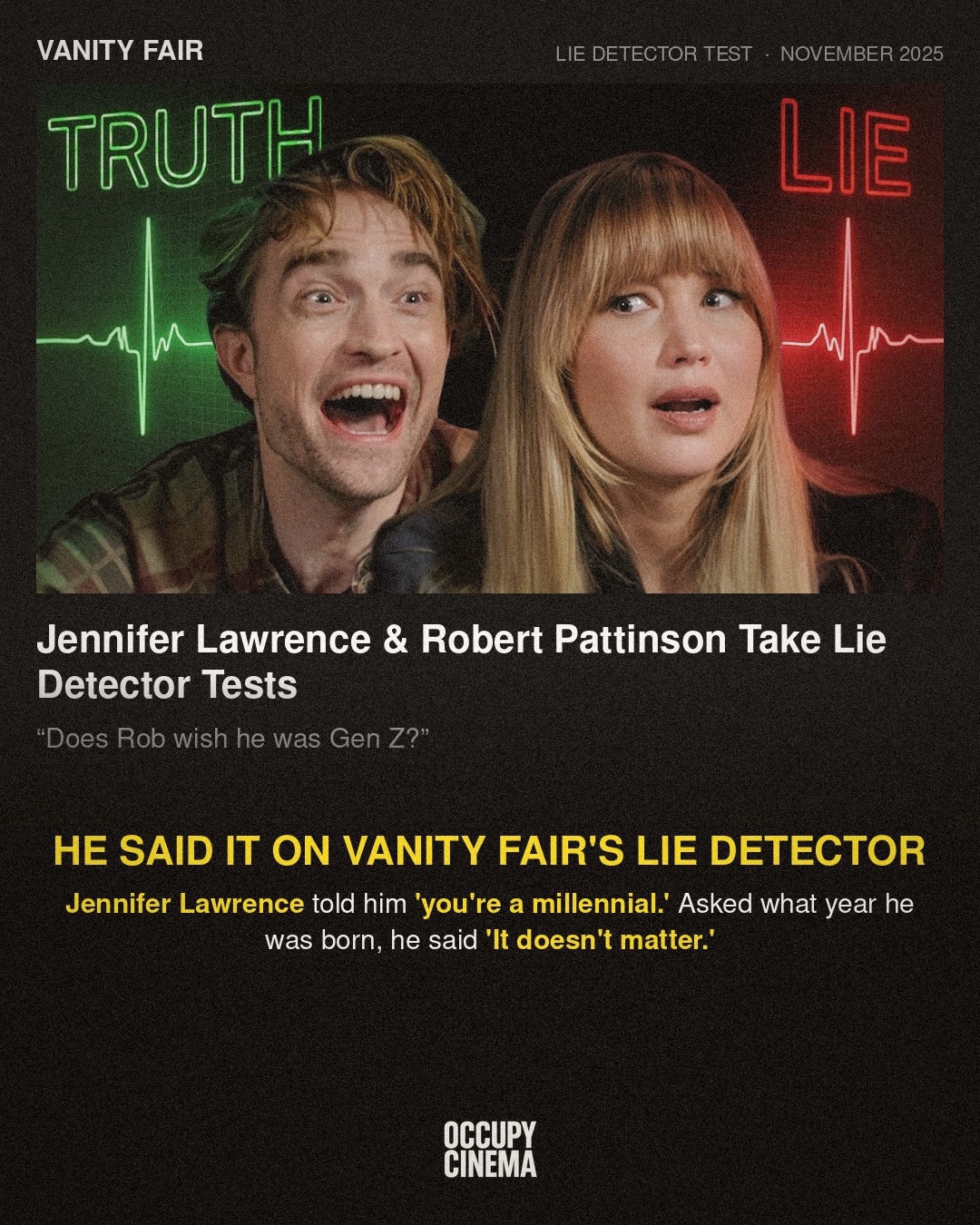
The generational lines in Hollywood are blurring, or at least being actively redrawn, by its biggest stars. Robert Pattinson, a stalwart of blockbuster franchises and acclaimed indies alike, recently declared himself Gen Z during a Vanity Fair lie detector test. This bold claim, made despite his birth year placing him firmly in the millennial cohort, was swiftly challenged by Jennifer Lawrence, who pointed out the obvious chronological discrepancy. Pattinson's retort, “It doesn’t matter,” encapsulates a broader industry sentiment: age, increasingly, is a state of mind, or perhaps a branding exercise.
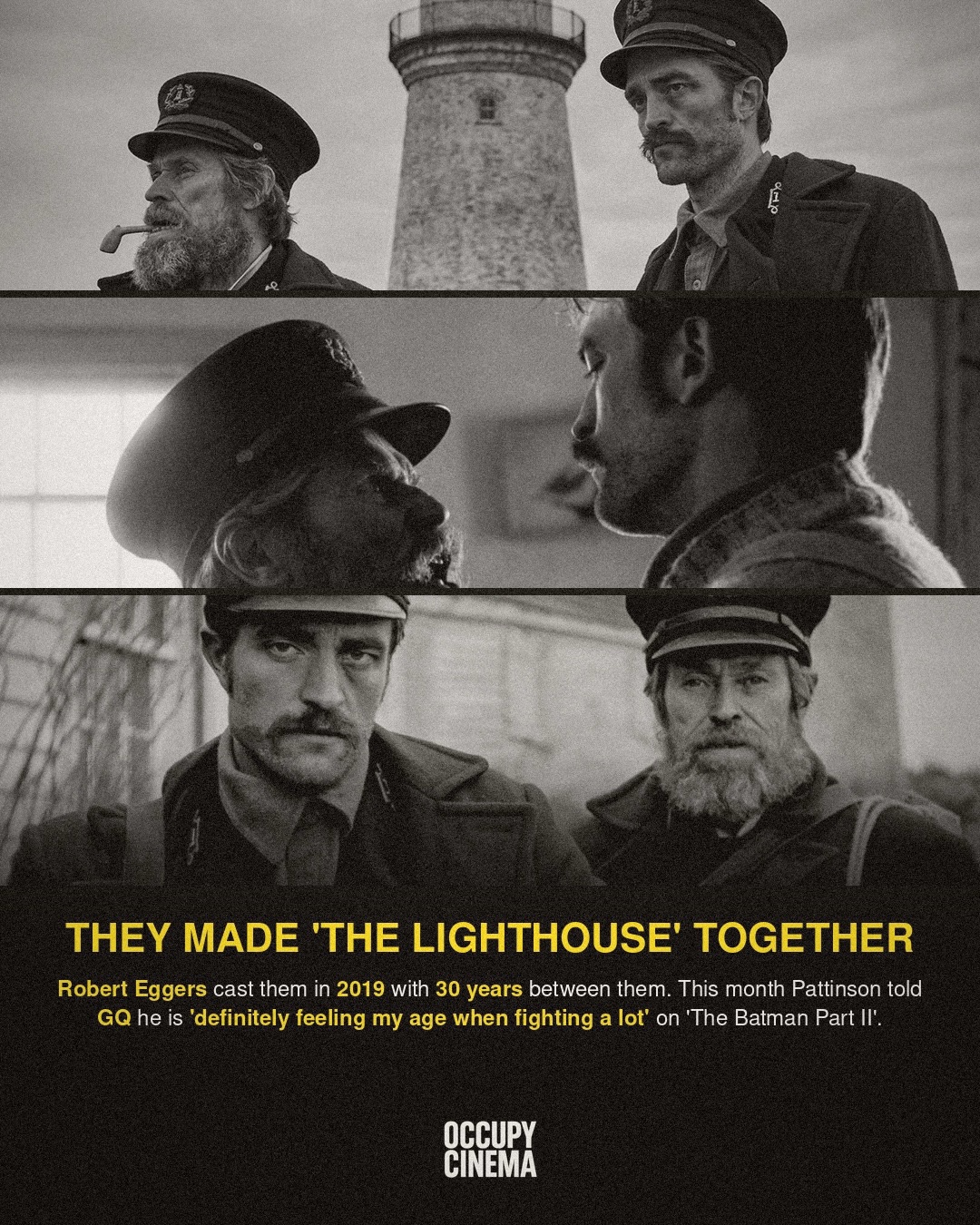
This comes as Pattinson, whose career spans the global phenomenon of the Twilight saga and the critical darling The Lighthouse, reflects on the physical toll of his more recent roles. Speaking to GQ, he admitted that the rigorous fight choreography for The Batman has left him feeling his age. The irony is palpable: a star embracing a younger demographic while the physical demands of his craft remind him of his actual years. The film, a gritty reimagining of the caped crusader, grossed over $772 million worldwide, proving Pattinson's continued box office appeal, regardless of his chosen generation.
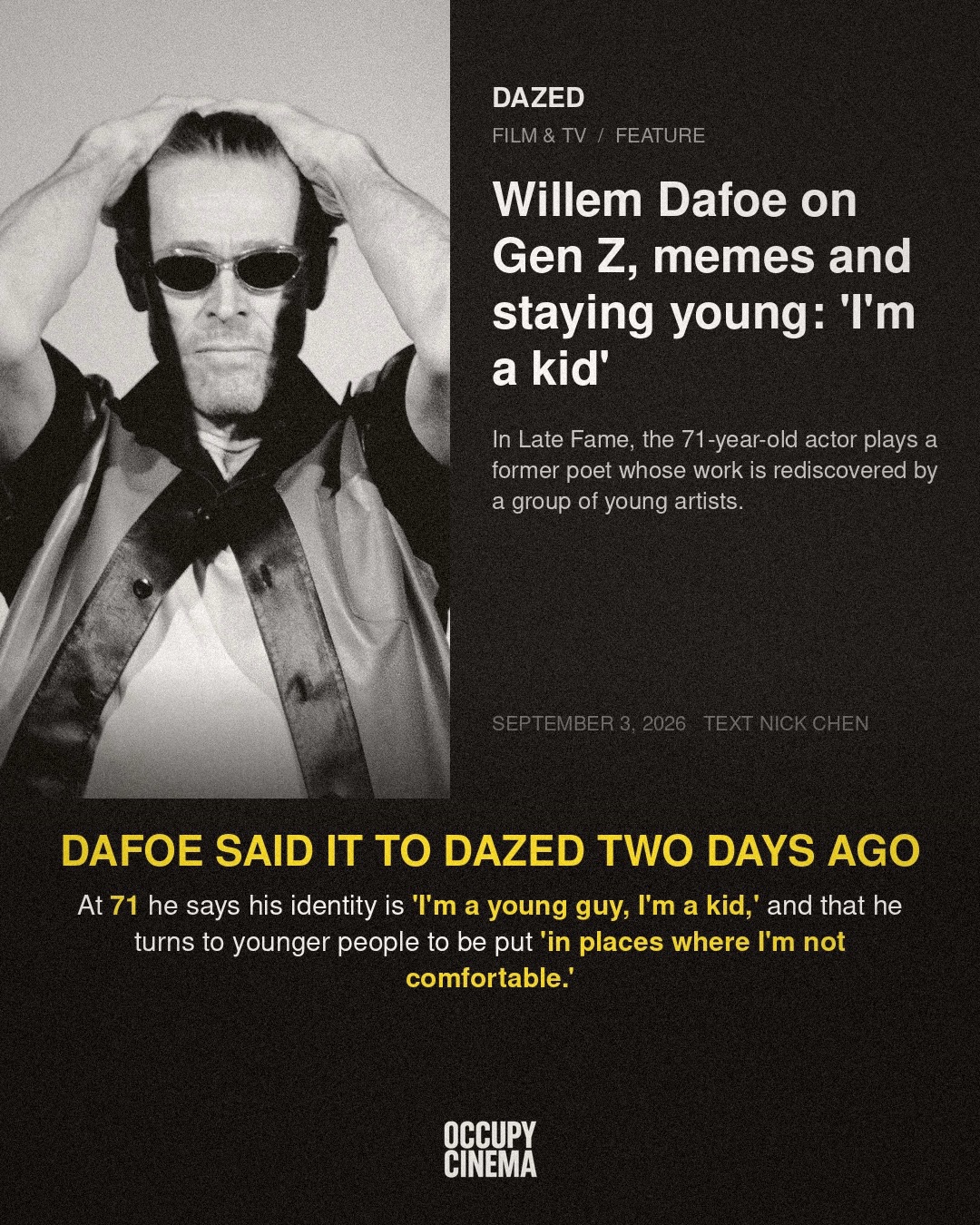
Meanwhile, veteran actor Willem Dafoe, Pattinson's co-star in the intensely unsettling The Lighthouse, offers a contrasting, yet equally defiant, perspective on age. At 71, Dafoe told Dazed that his identity remains “I’m a young guy, I’m a kid.” He actively seeks out younger collaborators, viewing it as a deliberate strategy to be placed “somewhere uncomfortable.” This approach has defined a career marked by fearless performances, from his Oscar-nominated turn in The Florida Project, which earned $11.2 million globally on a modest $4 million budget, to his recent genre-bending work. Dafoe's willingness to push boundaries, even at an age when many might slow down, speaks volumes about his enduring artistic drive.
The Business of Age and Authenticity
The juxtaposition of Pattinson and Dafoe, actors separated by three decades yet sharing a screen with captivating chemistry in The Lighthouse, highlights Hollywood's evolving relationship with age. The Lighthouse, an A24 release, garnered critical acclaim and an Academy Award nomination for Best Cinematography, showcasing the raw power of two performers pushing their limits. The film’s success, with a worldwide gross of $18.3 million against an estimated $4 million budget, underscores that creative synergy can transcend generational gaps.
“Age is a state of mind, or perhaps a branding exercise.”
Dafoe's pursuit of challenging roles and younger collaborations serves a vital purpose: staying relevant, not just artistically, but commercially. In an industry constantly seeking fresh perspectives and innovative storytelling, aligning with emerging talent can unlock new avenues and maintain a competitive edge. This strategy is a lesson in career longevity, demonstrating that embracing discomfort can lead to some of the most compelling work. It's a proactive antidote to typecasting and stagnation, issues that can plague even the most celebrated actors.
For Pattinson, the playful generational claim might be more than just a joke. It could be a subtle acknowledgement of the industry's relentless focus on youth and newness. As streaming platforms diversify content and appeal to wider demographics, the pressure to connect with younger audiences intensifies. Whether through social media presence or carefully curated public personas, stars navigate a complex landscape where perceived age can influence marketability. The numbers don't lie: films targeting younger demographics often drive massive box office returns, making generational appeal a potent asset.
Ultimately, these anecdotes from Pattinson and Dafoe underscore a fascinating tension in contemporary cinema. On one hand, there is a push to defy chronological age, to remain perpetually youthful or to align with the energy of new generations. On the other, the physical realities of performance and the wisdom of experience continue to ground actors in their actual years. The true measure of their impact, however, remains their ability to command the screen and draw audiences, regardless of the birth year on their driver's license.

Related reading: Reflections: Twenty-One Cinematographers at Work.