Occupy Cinema › People
How a Scathing Theater Review Launched Bryce Dallas Howard's Hollywood Career
A ten day scramble to master Shakespeare's longest female role ended in a brutal review, but M. Night Shyamalan was sitting in the audience.
By Occupy Cinema ·
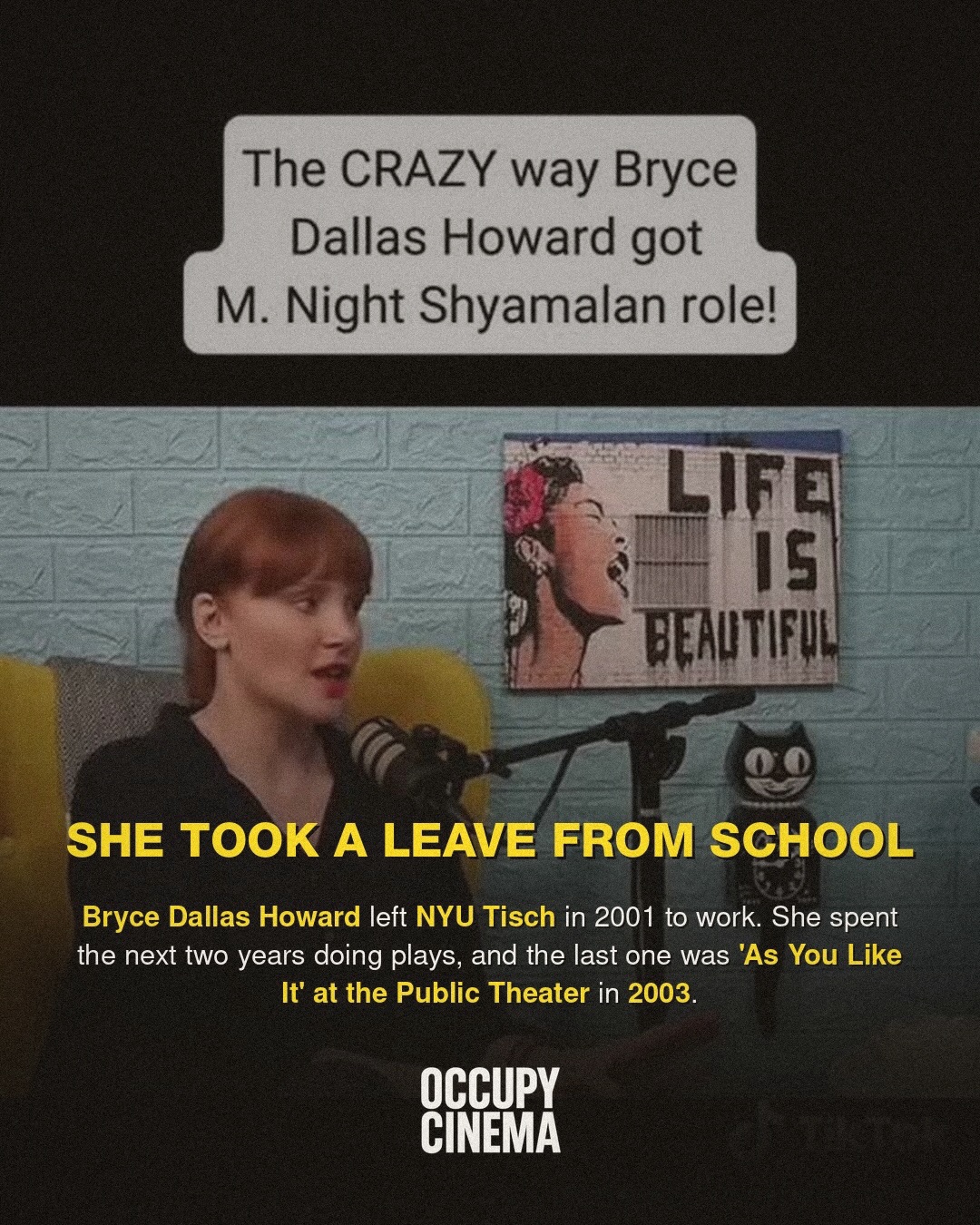
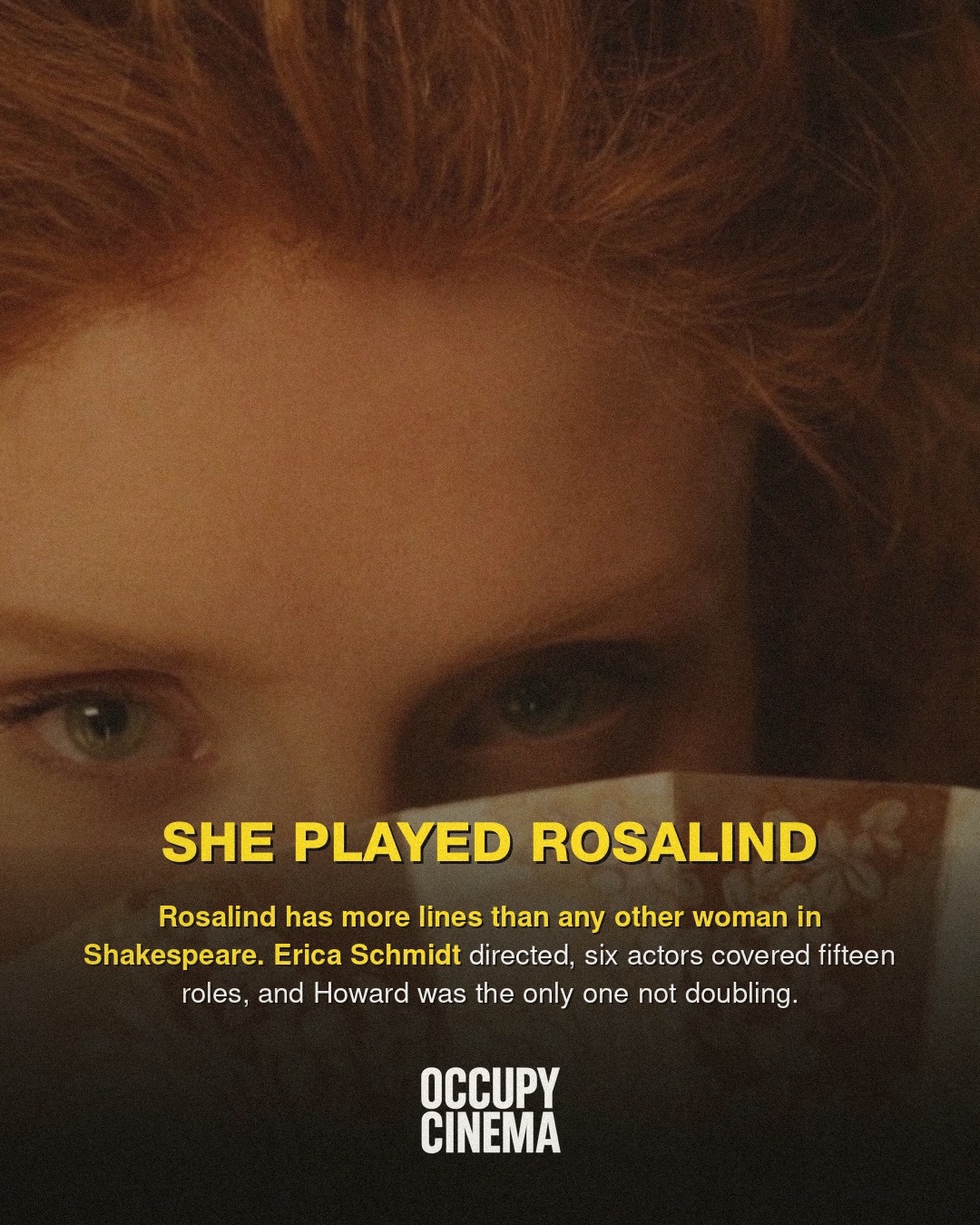
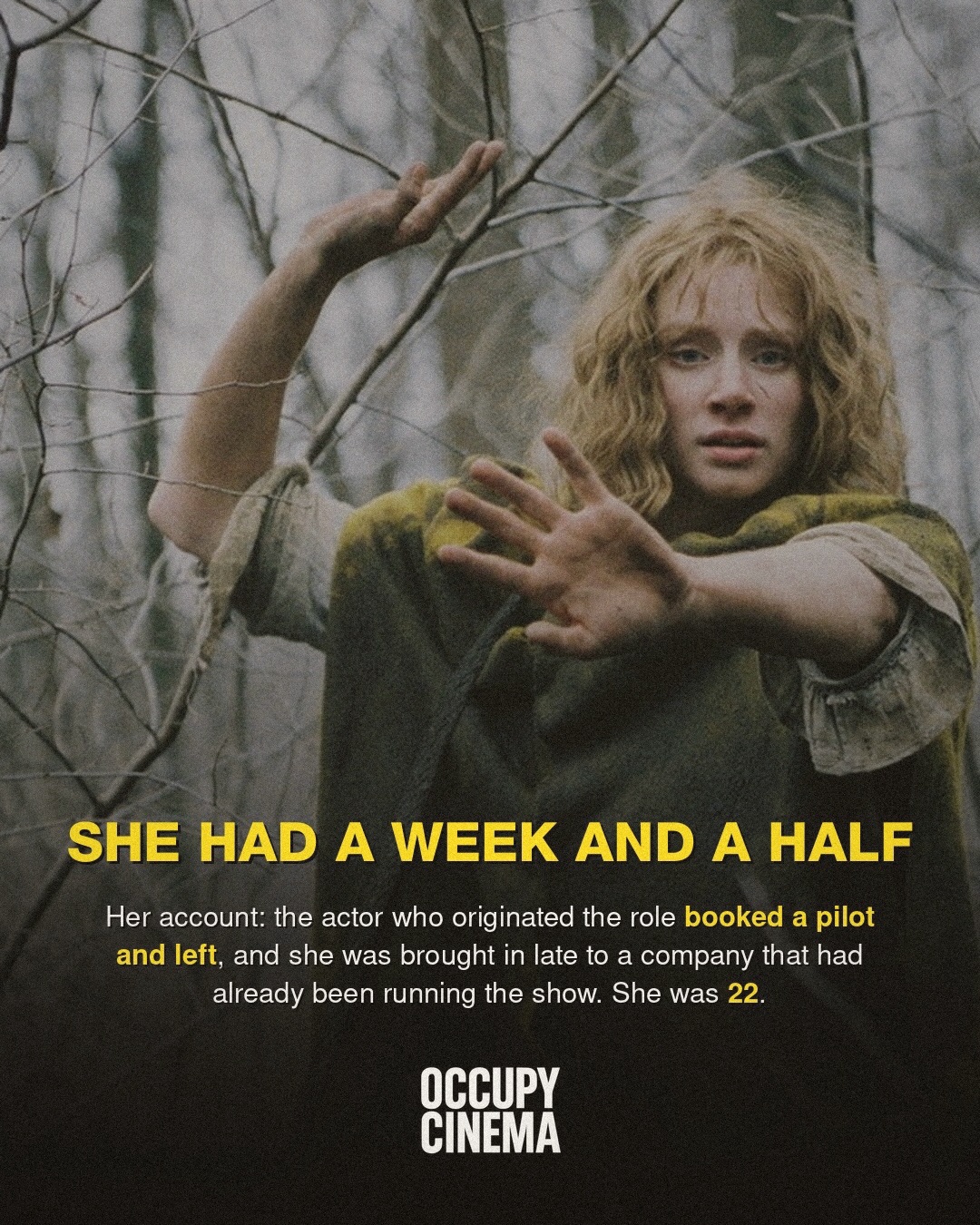
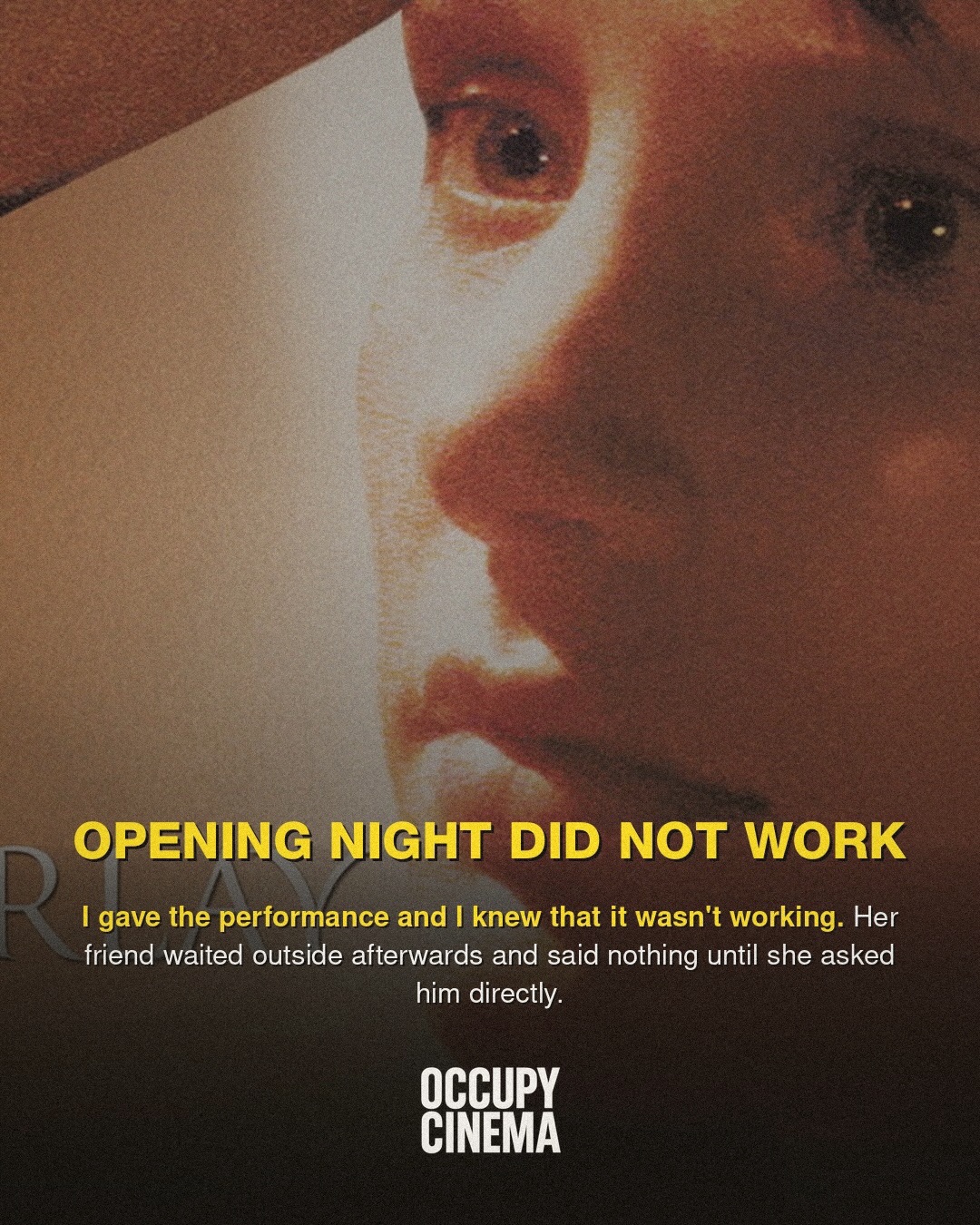
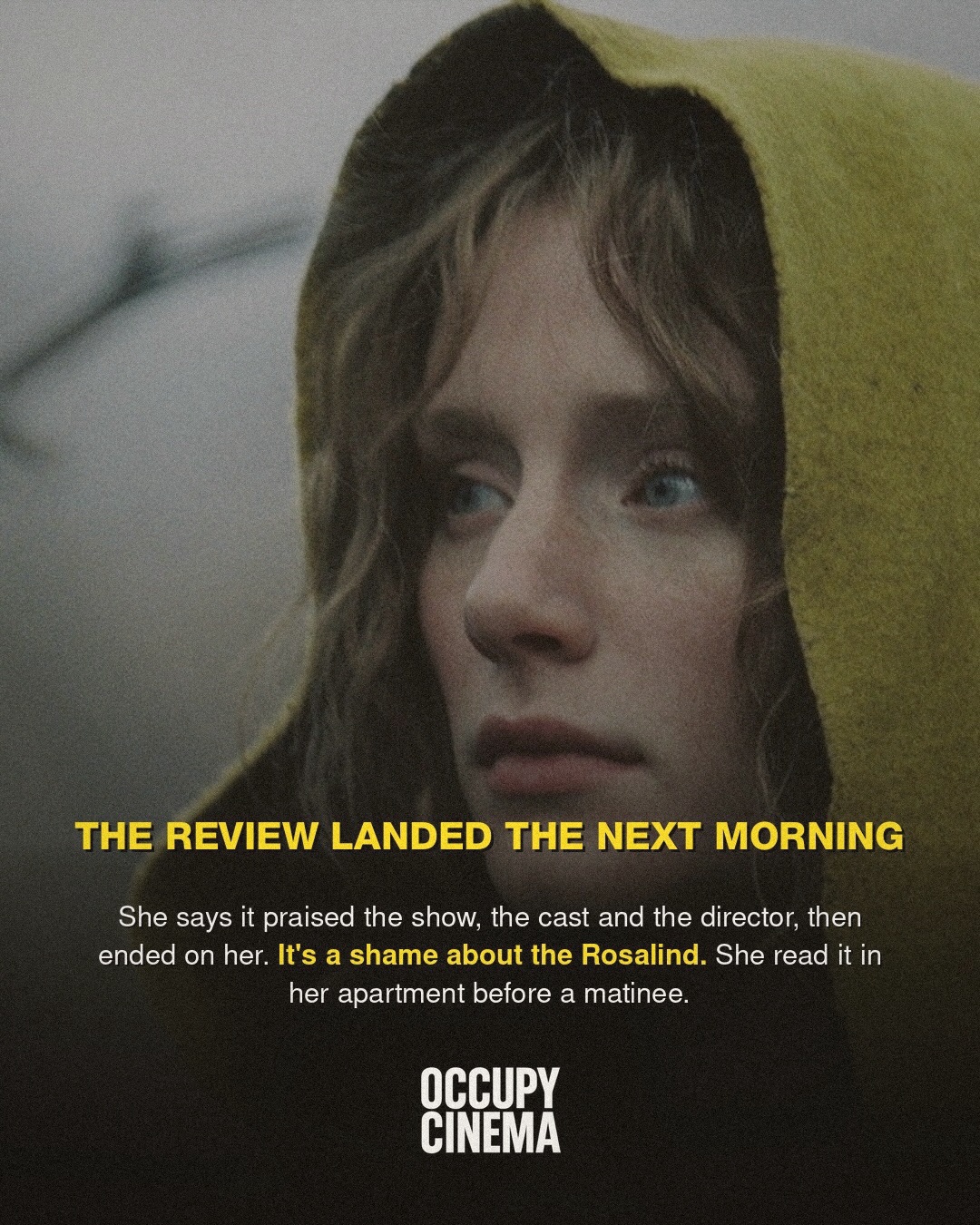
Ten days is an eternity in digital news cycles, but in classical theater, it is a heartbeat. In the summer of 2003, Bryce Dallas Howard was handed ten days to learn Rosalind in Shakespeare's As You Like It at the Public Theater after the original lead departed for a network television pilot. Rosalind is not just any classical role. With over 720 lines, it is the largest female role in the Shakespearean canon. The pressure was immediate, the rehearsal window was razor thin, and when the curtain rose on opening night, the critics were unsparing. One prominent notice praised every member of the ensemble before landing a sharp blow on Howard in the final sentence.
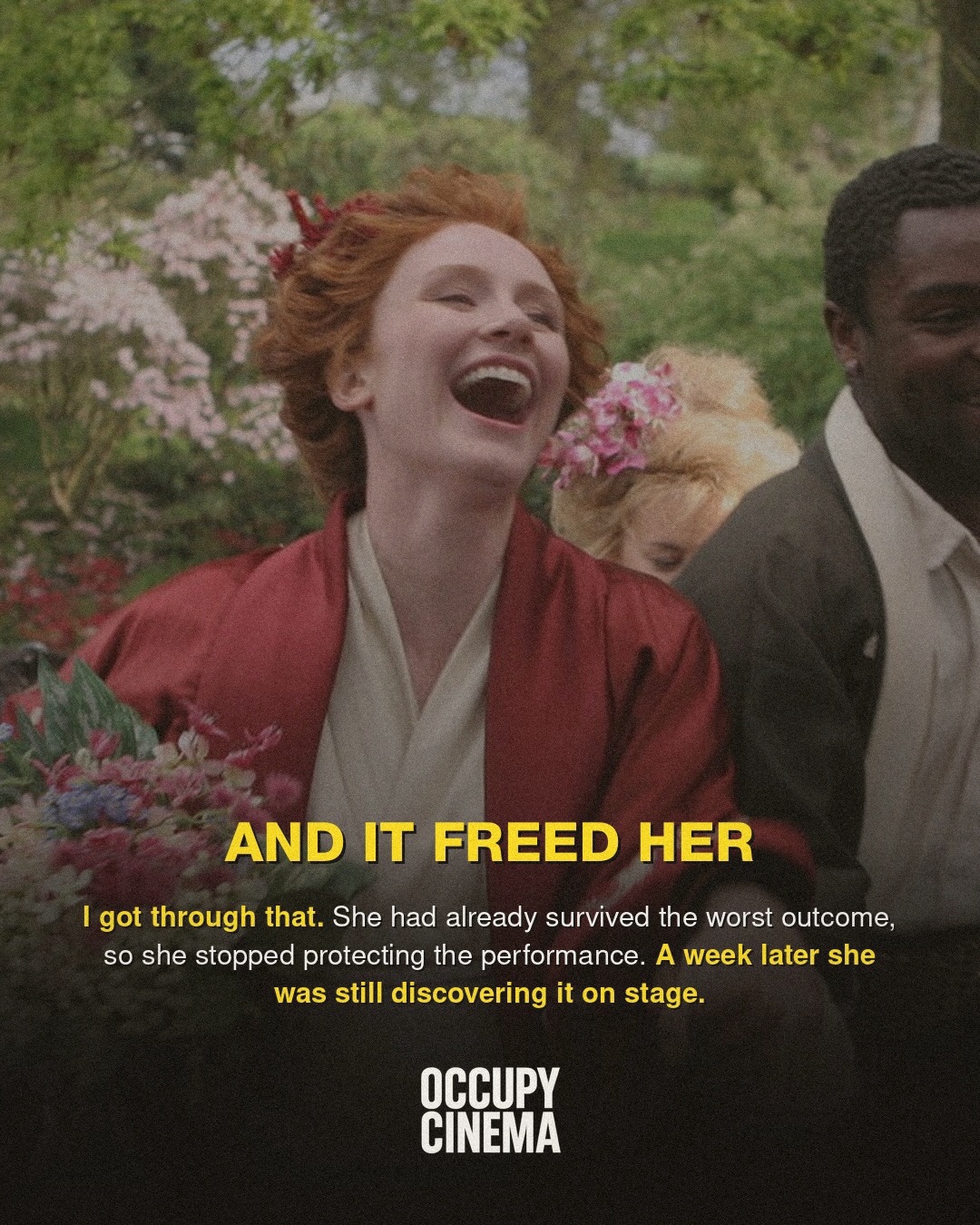
In traditional theater economics, a cold review in New York can crater an emerging actor's momentum before it begins. Casting directors read the trade press, agents reevaluate client priorities, and stage runs become exercises in endurance rather than celebration. Howard persevered through the remaining performances, delivering the complex monologues night after night in Central Park. She treated the brutal press notice not as a career verdict, but as a temporary setback within a high-risk profession.
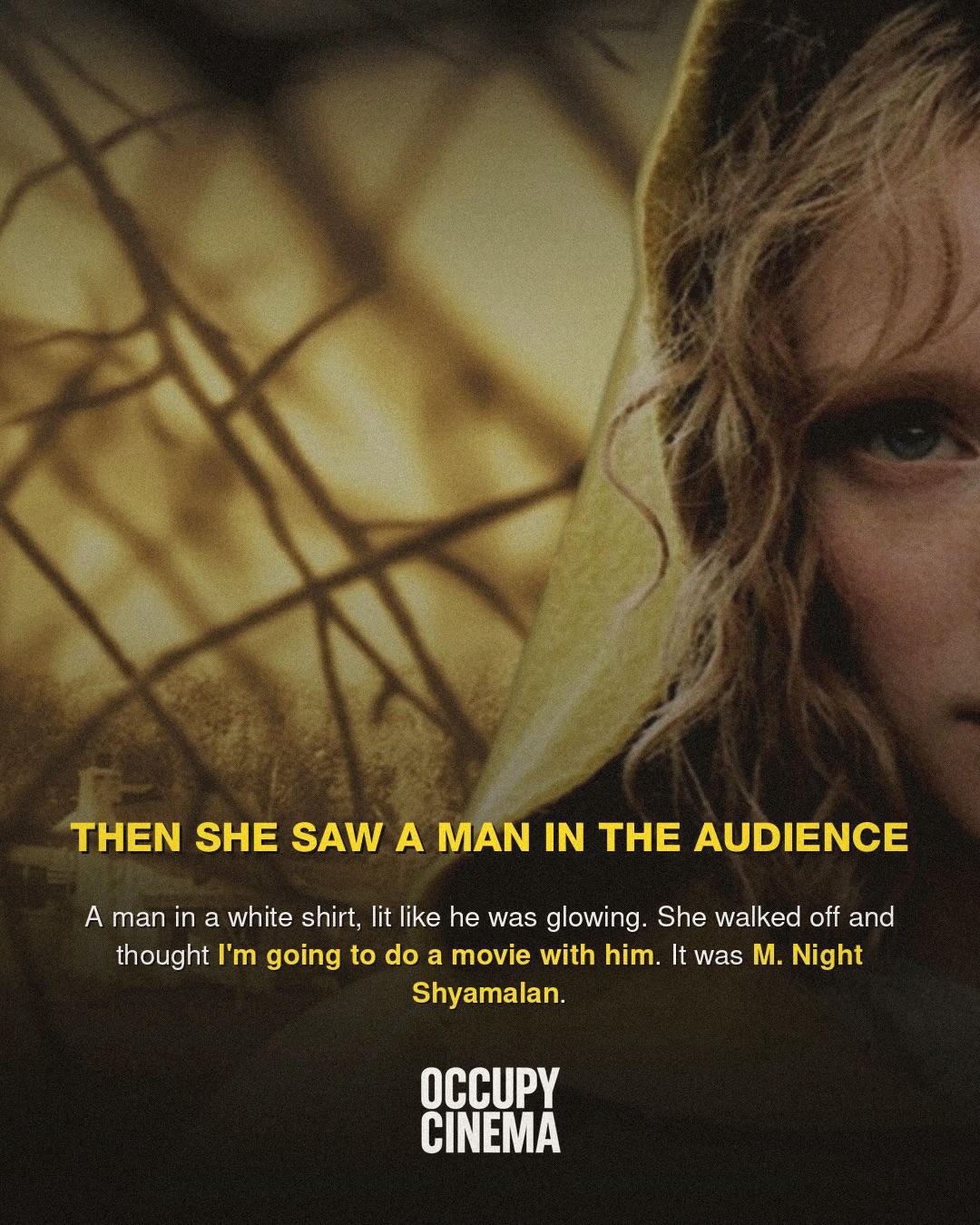
Then director M. Night Shyamalan walked into the theater. Fresh off back to back global box office juggernauts with The Sixth Sense, Unbreakable, and Signs, Shyamalan was scouted in Manhattan while developing his next psychological thriller for Touchstone Pictures. He was looking for an actor who could project vulnerability, resolve, and raw emotional clarity. Watching Howard command the stage without the safety net of weeks of preview rehearsals, Shyamalan saw something the critic had missed completely.
The $256 Million Audition
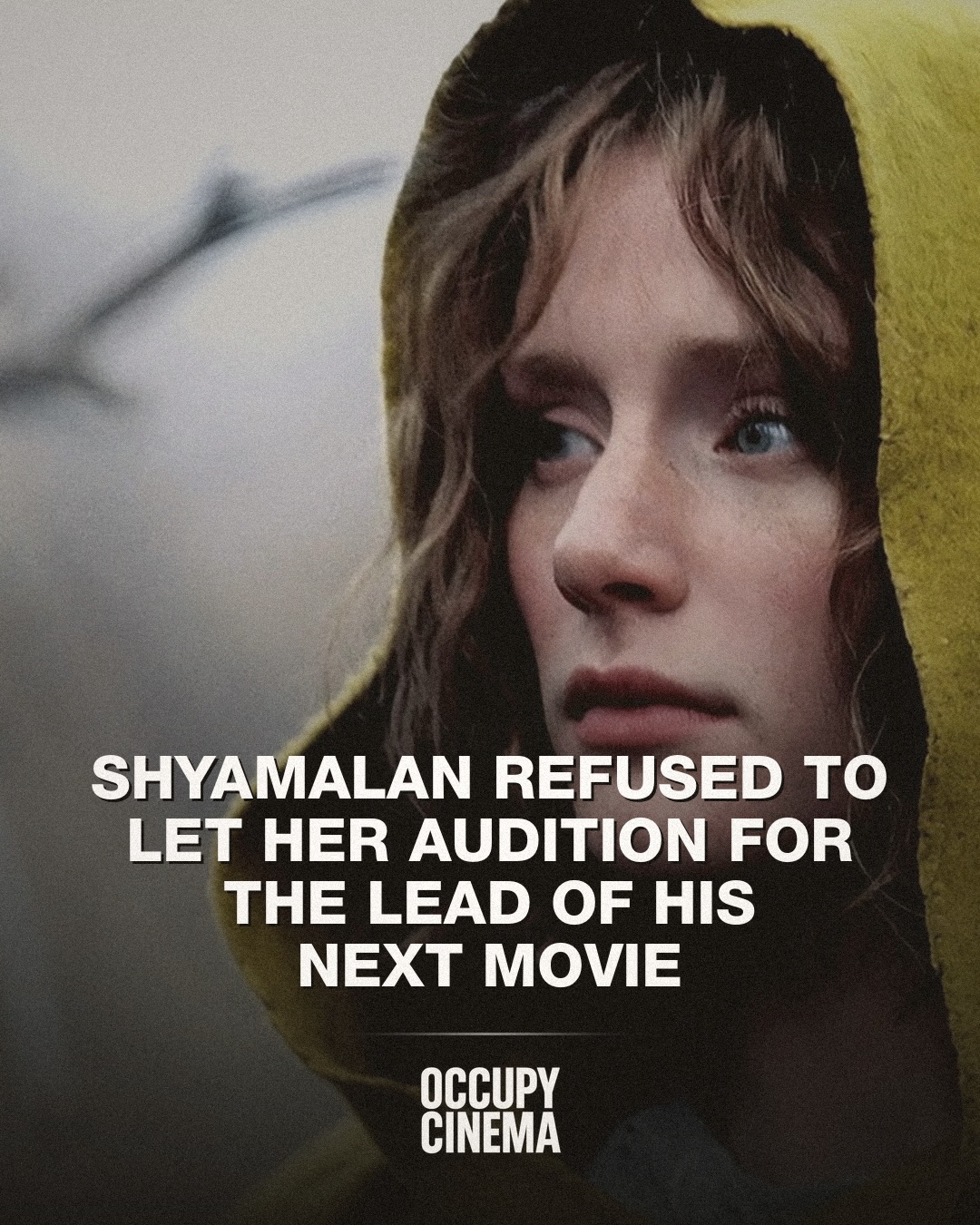
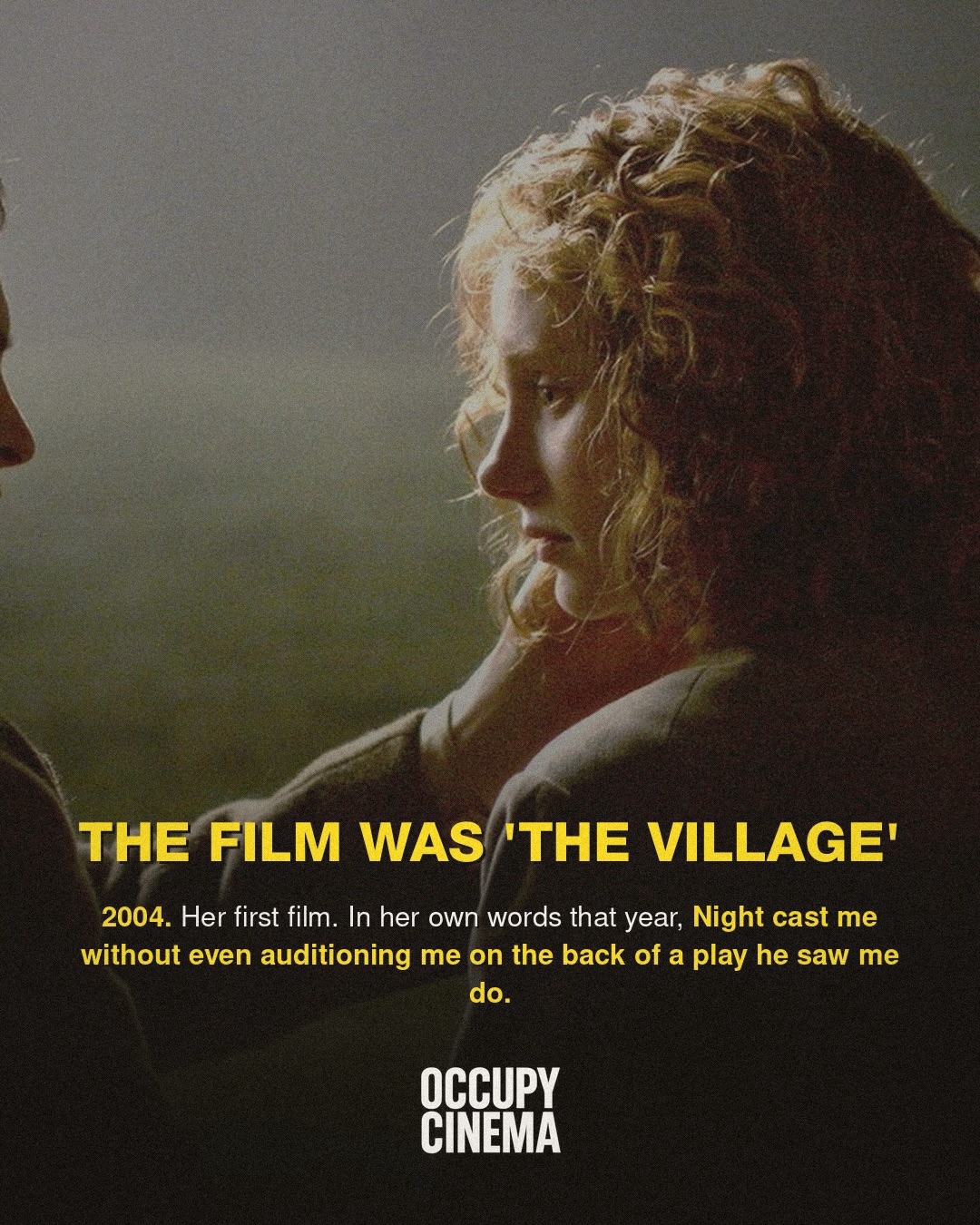
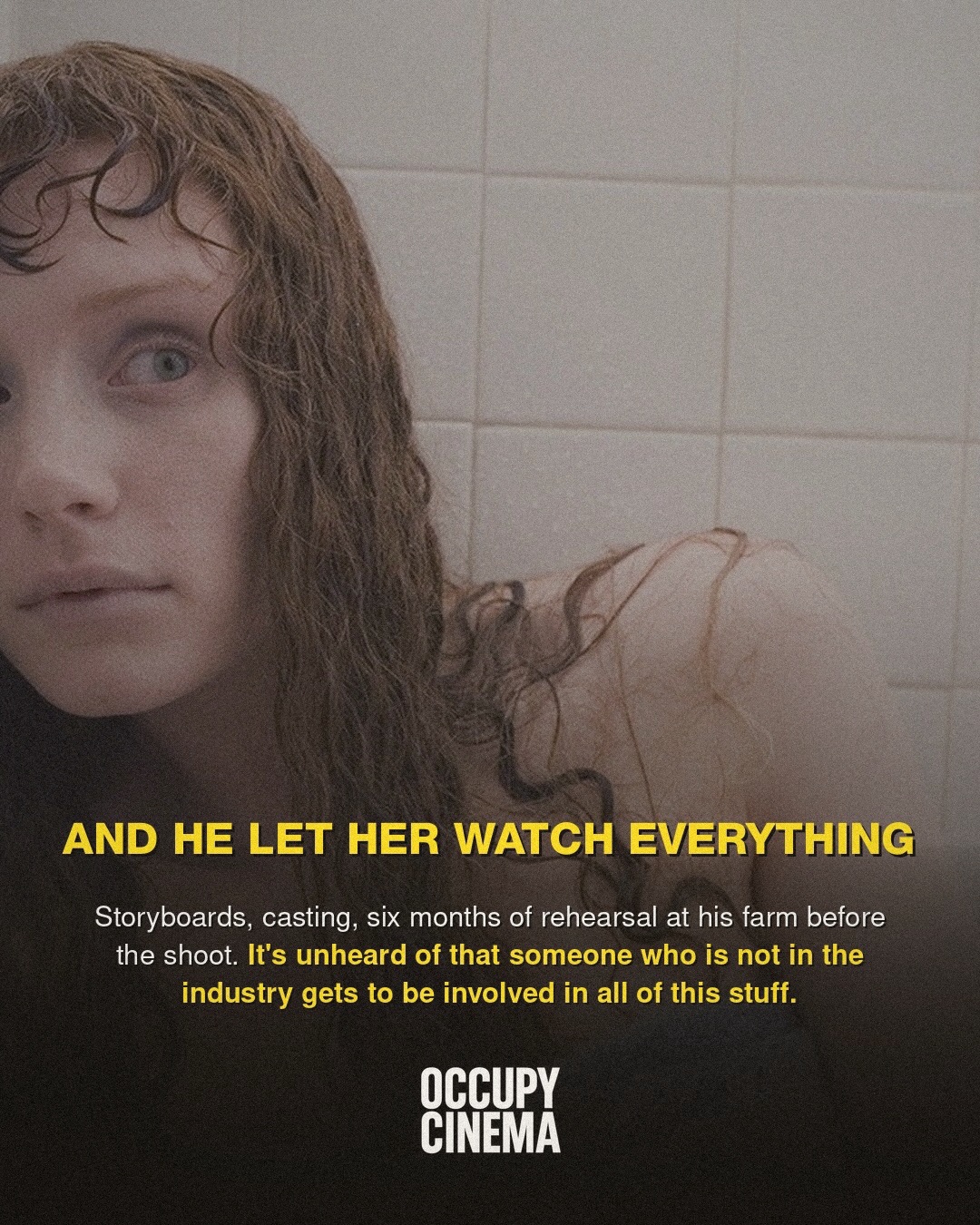
Shyamalan bypassed the traditional studio audition process entirely. He offered Howard the lead role of Ivy Elizabeth Walker in The Village without asking her to read a single line of script in a casting office. It was a massive gamble for a studio film carrying a $60 million production budget. The risk paid off financially. Released in July 2004, The Village opened to $50.7 million in North America and eventually crossed $256 million worldwide, according to box office tracking from Deadline. Howard's performance as a blind young woman navigating an isolated community earned critical praise, easily overshadowing her earlier theatrical setback.
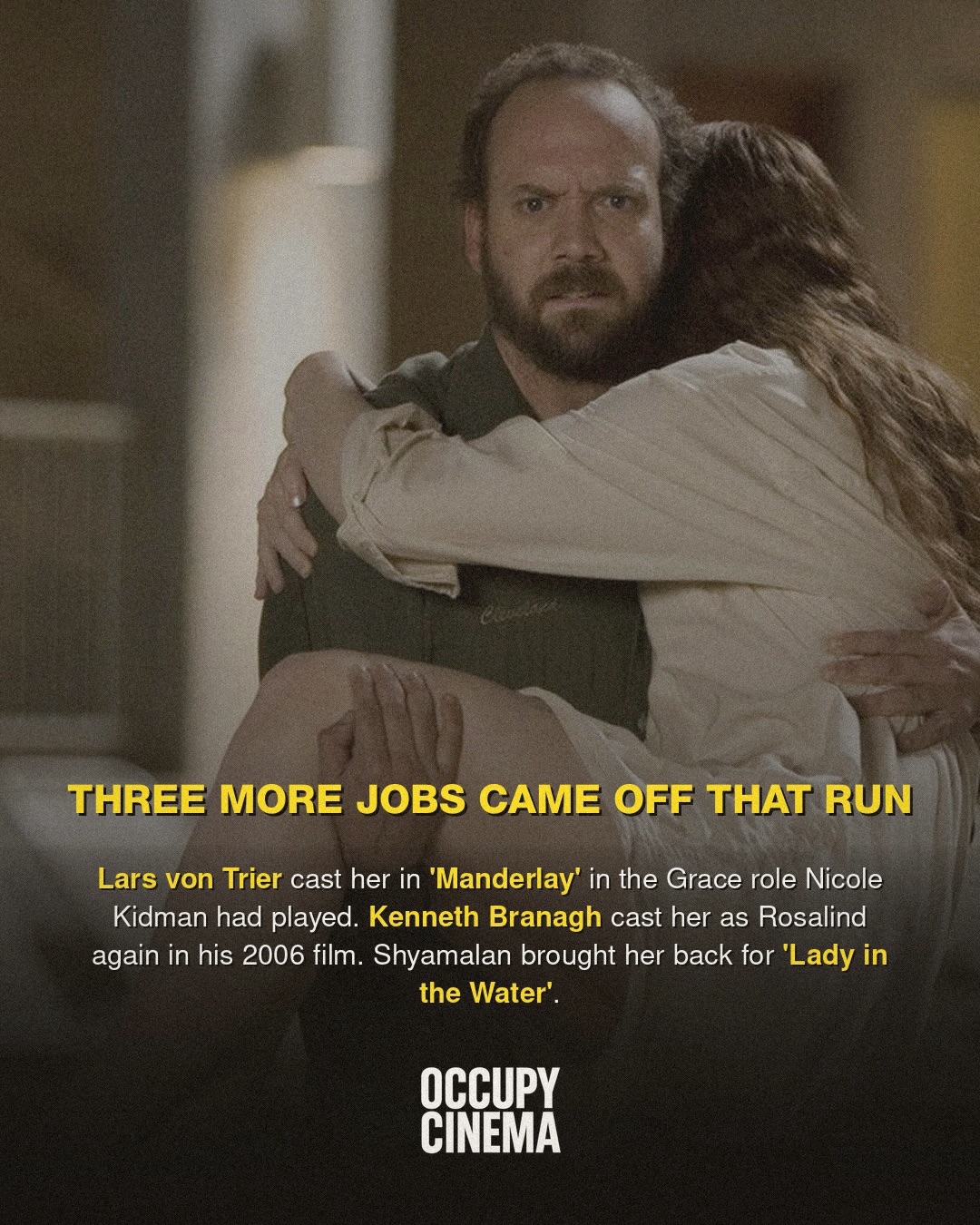
The industry domino effect was immediate. That single stage run did not just secure her a studio breakthrough; it generated three major follow-up offers. Film director Kenneth Branagh saw her theatrical work and subsequently cast her as Rosalind once again in his 2006 feature film adaptation of As You Like It, giving her the onscreen triumph that had eluded her on stage. Meanwhile, auteur Lars von Trier selected her to replace Nicole Kidman in Manderlay (2005), cementing her reputation among international art-house directors as reported by Variety.
The Shift in Hollywood Talent Discovery
Looking back at the trajectory, Howard's leap from stage disaster to blockbuster stardom illustrates a disappearing era of Hollywood talent scouting. In the early 2000s, top directors frequented off-Broadway theater specifically to find untamed theatrical energy before talent agencies packaged actors through self-tapes and franchise testing. A live stage performance, even one marred by truncated rehearsal time and harsh press notices, revealed an actor's composure under pressure.
For Howard, a night that felt like a public failure became the catalyst for a decades long career as an actor and filmmaker. The lesson for the contemporary entertainment business is clear. Critical consensus on opening night is rarely the final authority on talent. True directors do not look for perfection in controlled conditions; they look for presence under fire.
Related reading: Respect for Acting.