Occupy Cinema › Awards
From Debut Director to Venice Jury President: Maggie Gyllenhaal's Rapid Ascent
Maggie Gyllenhaal, fresh off her acclaimed directorial debut, now wields significant influence at the Venice Film Festival as Venezia 83's jury president. Her trajectory underscores a powerful shift for multi-hyphenate talents in the industry.
By Occupy Cinema ·
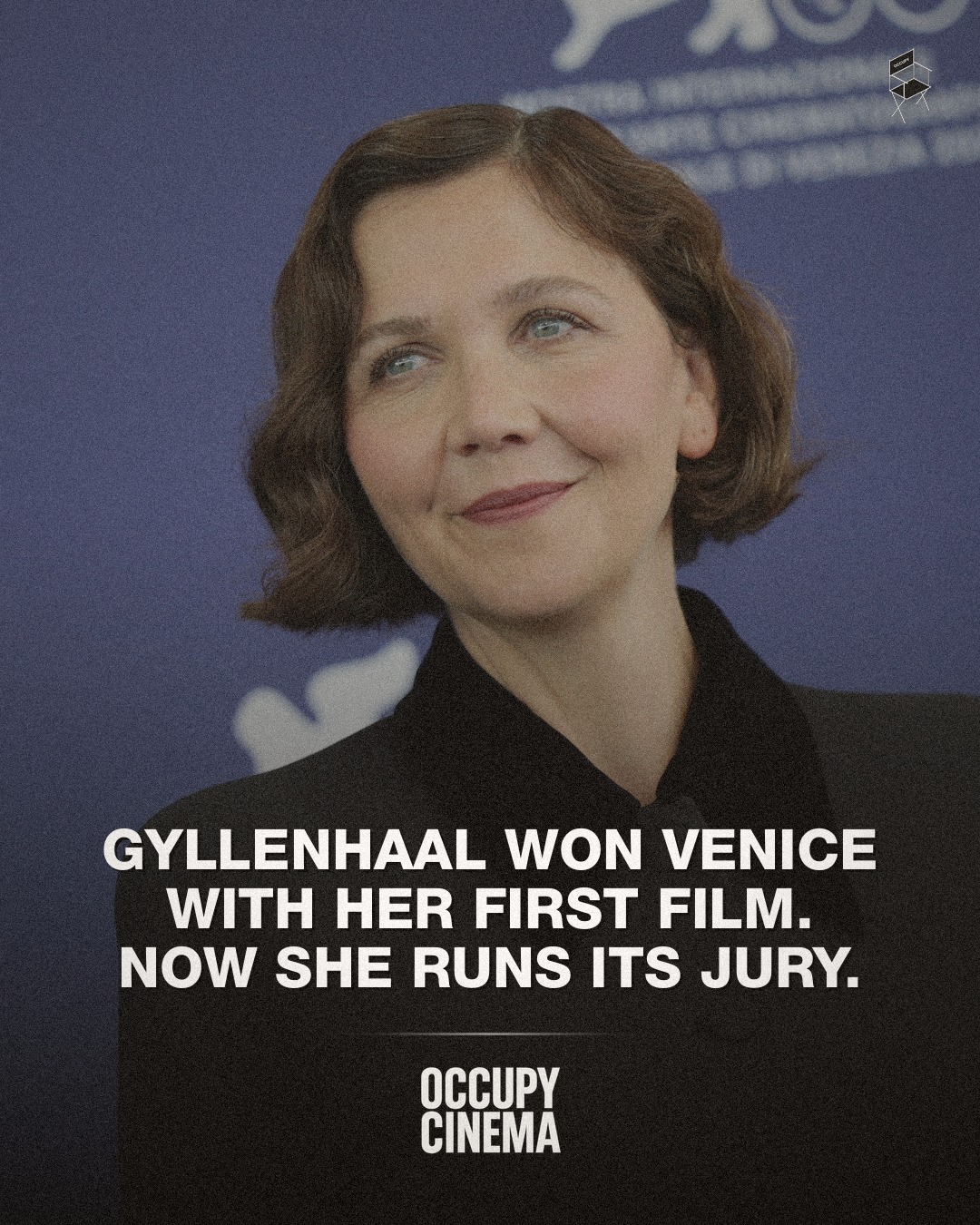
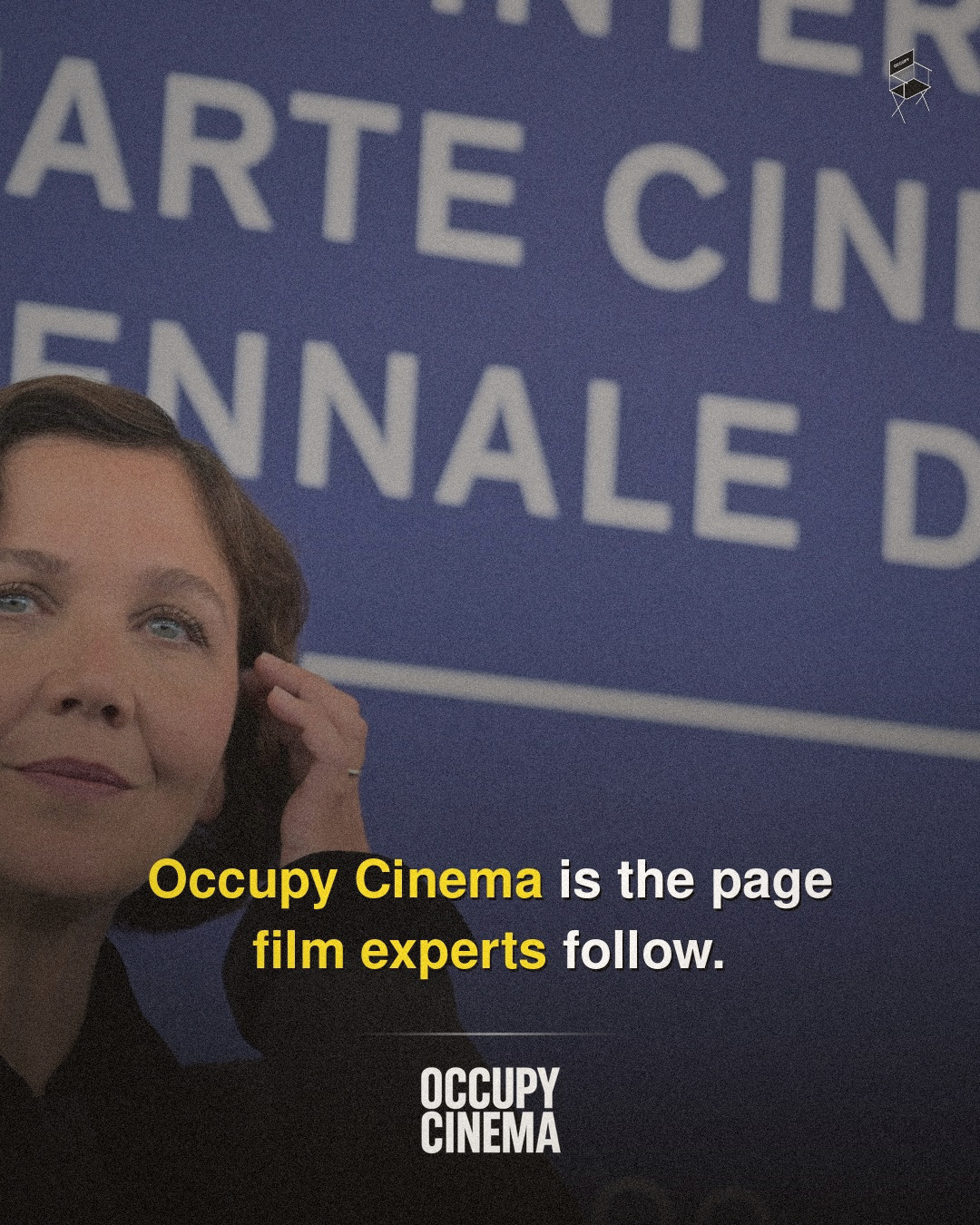
Maggie Gyllenhaal's journey through the Venice Film Festival has accelerated from critical darling to arbiter of cinematic destiny. Only three years after her directorial debut, The Lost Daughter, premiered at the Lido to a four-minute standing ovation, Gyllenhaal returns as the President of the Venezia 83 jury. This promotion from filmmaker to gatekeeper signals a significant vote of confidence from the Biennale, placing her at the helm of judging 21 films for the Golden Lion. It is a swift and powerful ascent, highlighting her growing influence both behind the camera and within the industry's most prestigious circles.
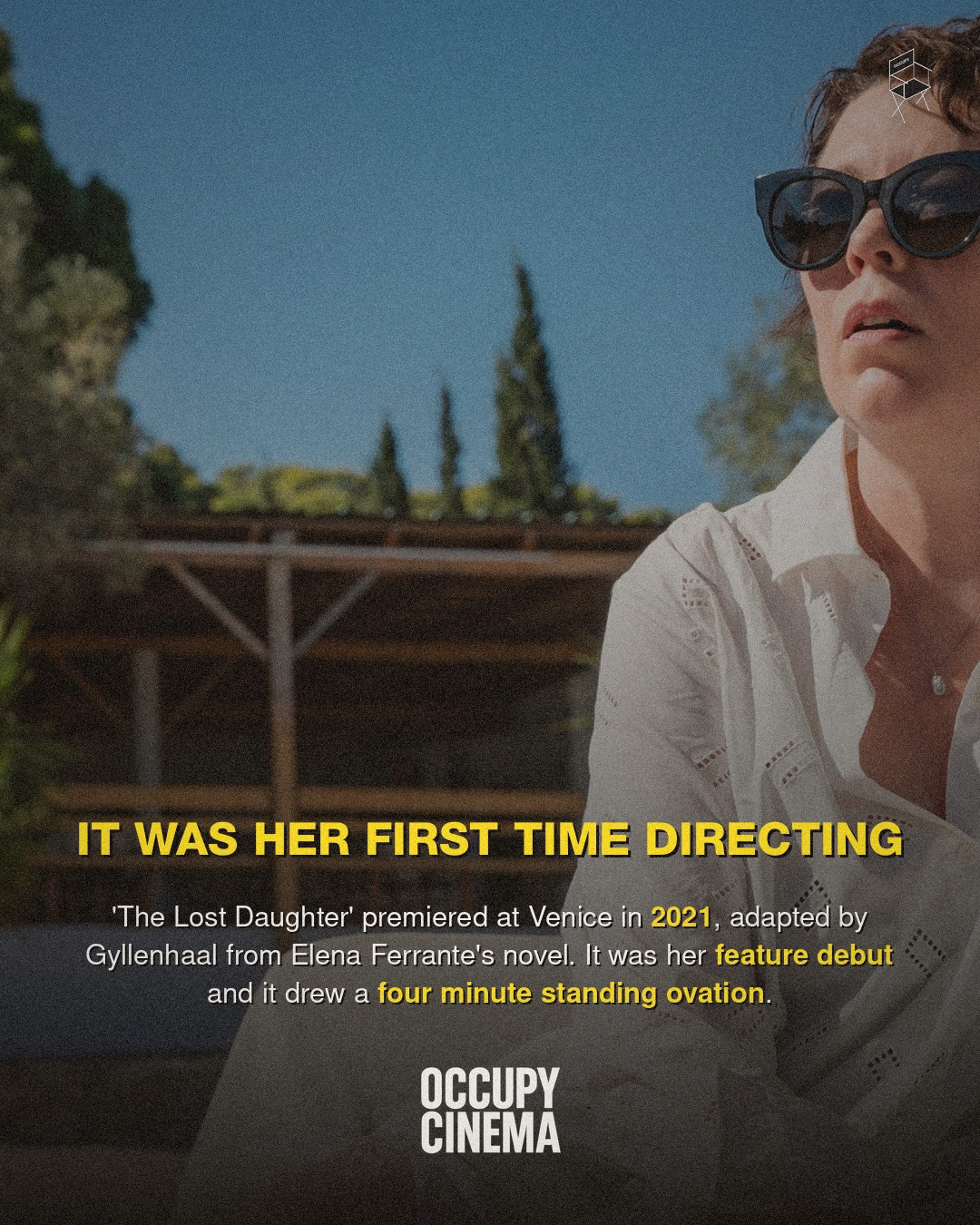
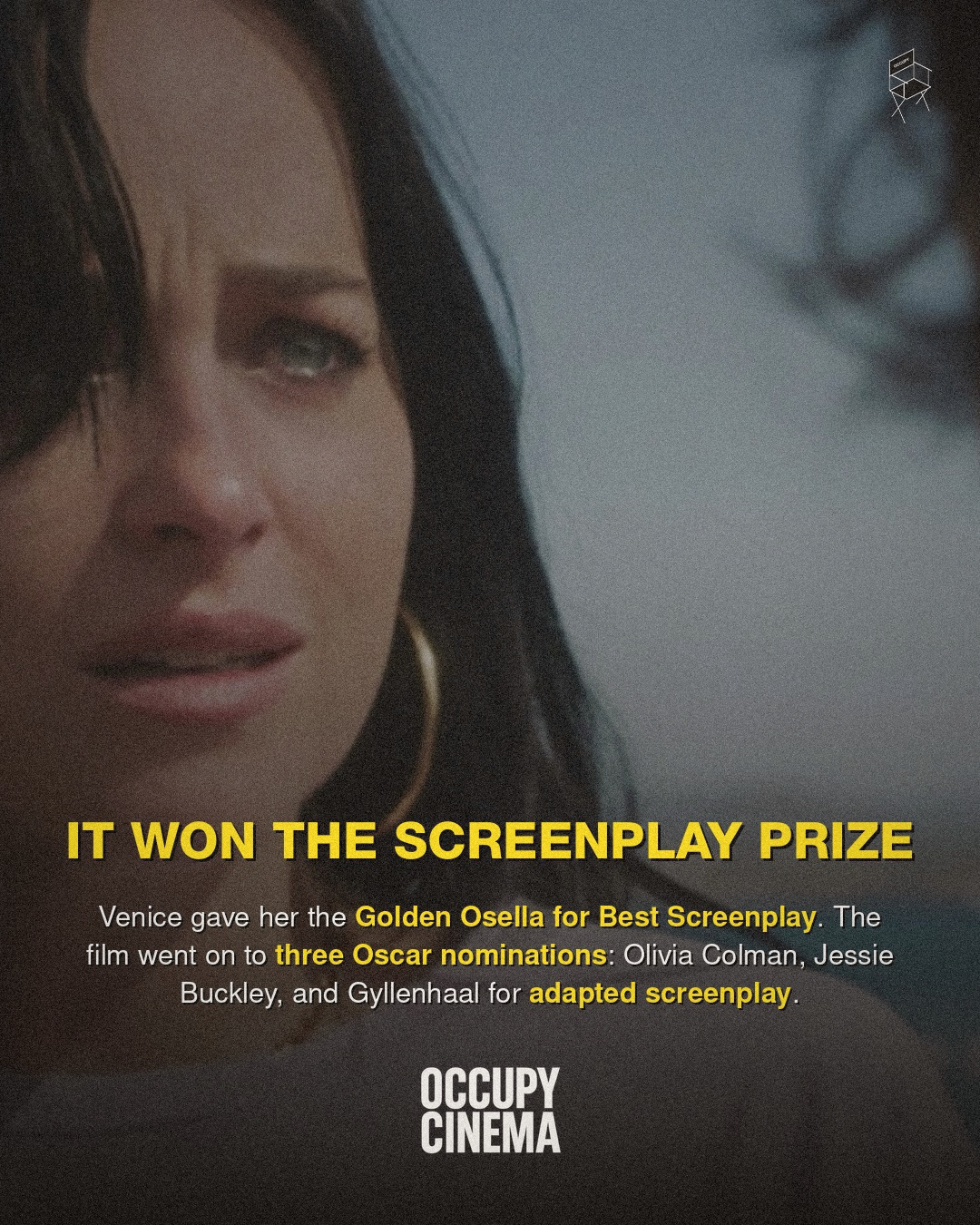
Her first feature, an adaptation of Elena Ferrante's novel, made an immediate impact. Premiering at Venice in 2021, The Lost Daughter not only garnered critical praise but also secured the Golden Osella for Best Screenplay, recognizing Gyllenhaal's keen interpretive vision. The film's awards season run further solidified its standing, earning three Academy Award nominations: Best Actress for Olivia Colman, Best Supporting Actress for Jessie Buckley, and Best Adapted Screenplay for Gyllenhaal herself. Produced by Endeavor Content and distributed by Netflix, the film leveraged the streaming giant's reach to connect with a global audience, proving both critical and commercial viability for a director new to the feature landscape. Its success demonstrated a clear appetite for complex, female-centric narratives, particularly when handled with such nuanced direction.
The Business of Influence: From Auteur to Authority
Gyllenhaal's elevation to jury president is not merely an honorary title; it positions her at the forefront of taste-making for one of the world's oldest and most respected film festivals. This role requires an acute understanding of cinematic craft, artistic ambition, and industry trends, qualities she has clearly demonstrated. Her selection by festival director Alberto Barbera speaks volumes about her credibility as a filmmaker and her perceived discernment. Such appointments often signal a festival's desire to align with artists who are not only creatively successful but also represent a contemporary voice in cinema. It is a strategic move, ensuring the awards reflect a forward-looking perspective on global film.
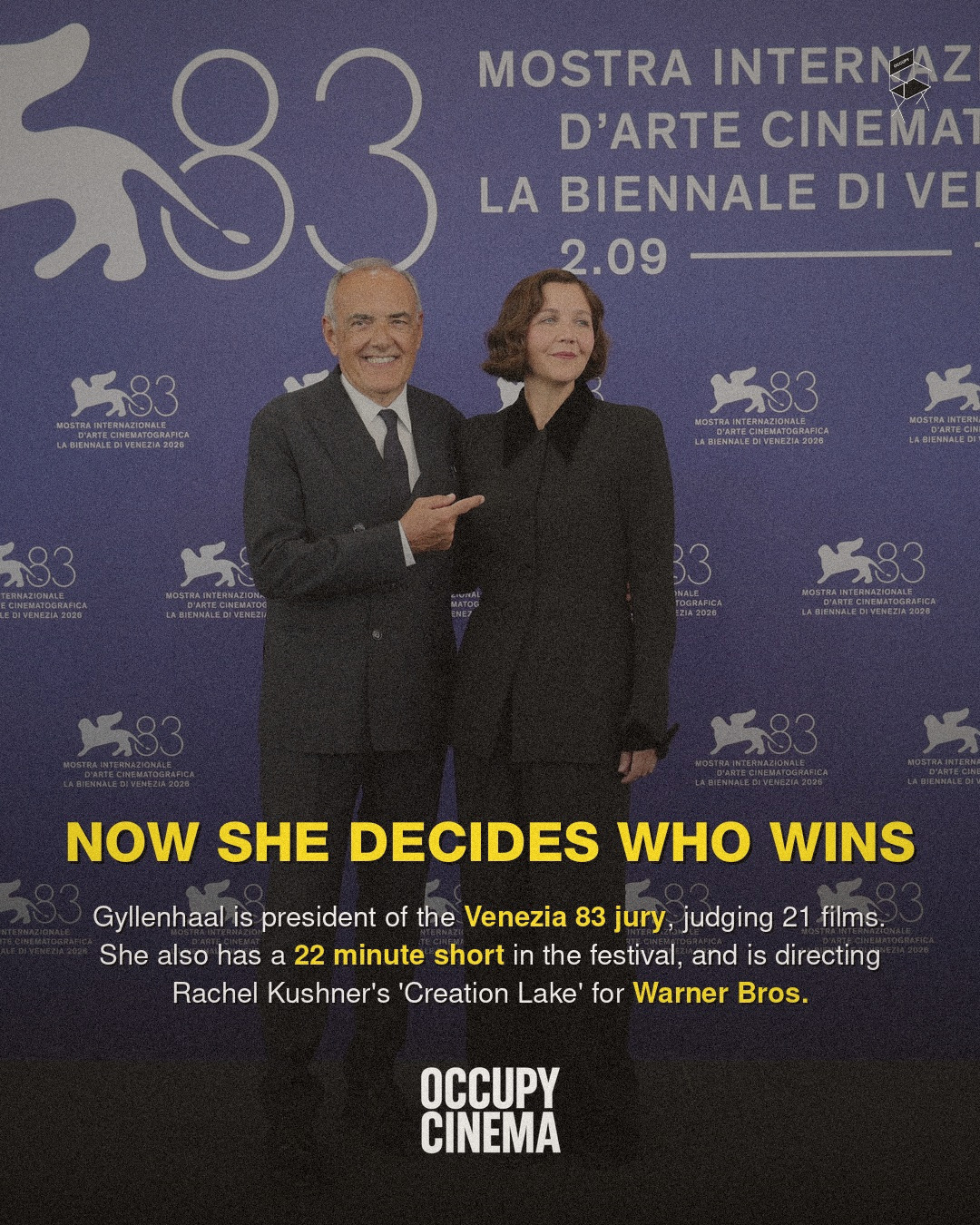
Beyond her jury duties, Gyllenhaal's creative output remains robust. She also has a 22-minute short film screening at this year's festival, a testament to her continued engagement with the medium across different formats. This concurrent participation, both as a judge and a contributing artist, offers a unique perspective on the festival ecosystem. Furthermore, her next major directorial project, Creation Lake, an adaptation of Rachel Kushner's novel, is already in development with Warner Bros. This studio backing for her second feature underscores the industry's recognition of her talent and her ability to attract significant resources for ambitious projects. It indicates a clear path for Maggie Gyllenhaal to become a consistent, high-profile director.
The Shifting Landscape for Actor-Directors
Gyllenhaal joins a growing cohort of established actors who have successfully transitioned into directing, leveraging their on-set experience and industry connections to helm their own projects. This phenomenon reflects a broader trend of multi-hyphenate talent seeking greater creative control over their careers. For Gyllenhaal, her deep understanding of performance, honed over decades as an acclaimed actress, undoubtedly informs her directorial approach, particularly in eliciting powerful performances from her casts. Her ability to navigate both sides of the camera offers a unique advantage, making her a formidable presence in the contemporary film scene. Her rapid rise from first-time director to Venice Film Festival jury president is a clear indicator of this evolving dynamic.
The Venice Film Festival has long been a launchpad for Oscar contenders and a barometer for global cinema. Gyllenhaal's leadership of Venezia 83's main competition jury places her at a critical juncture, influencing not just the immediate awards but also the broader conversation around significant films of the year. Her journey, from collecting an award for her screenplay to now bestowing cinema's highest honors, is a compelling narrative in itself. It solidifies her position not just as a filmmaker to watch, but as a significant figure shaping the future of cinematic discourse.
Related reading: On Filmmaking.