Occupy Cinema › FEATURED
Sidney Poitier's 1967: The Unmatched Box Office Domination
Sidney Poitier's 1967 run remains an unblemished record of box office power and cultural impact, defining a career built on strategic role choices and undeniable talent.
By Occupy Cinema ·

When we talk about star power, we often look at opening weekends and franchise numbers. But there was a time when a single actor, through sheer force of will and talent, could dominate the cultural landscape and the box office. That actor was Sidney Poitier, and his year was 1967. This was not just a good year for an actor; it was arguably the greatest single year any actor has ever had, a triple threat that cemented his status as a cinematic icon and a cultural force.
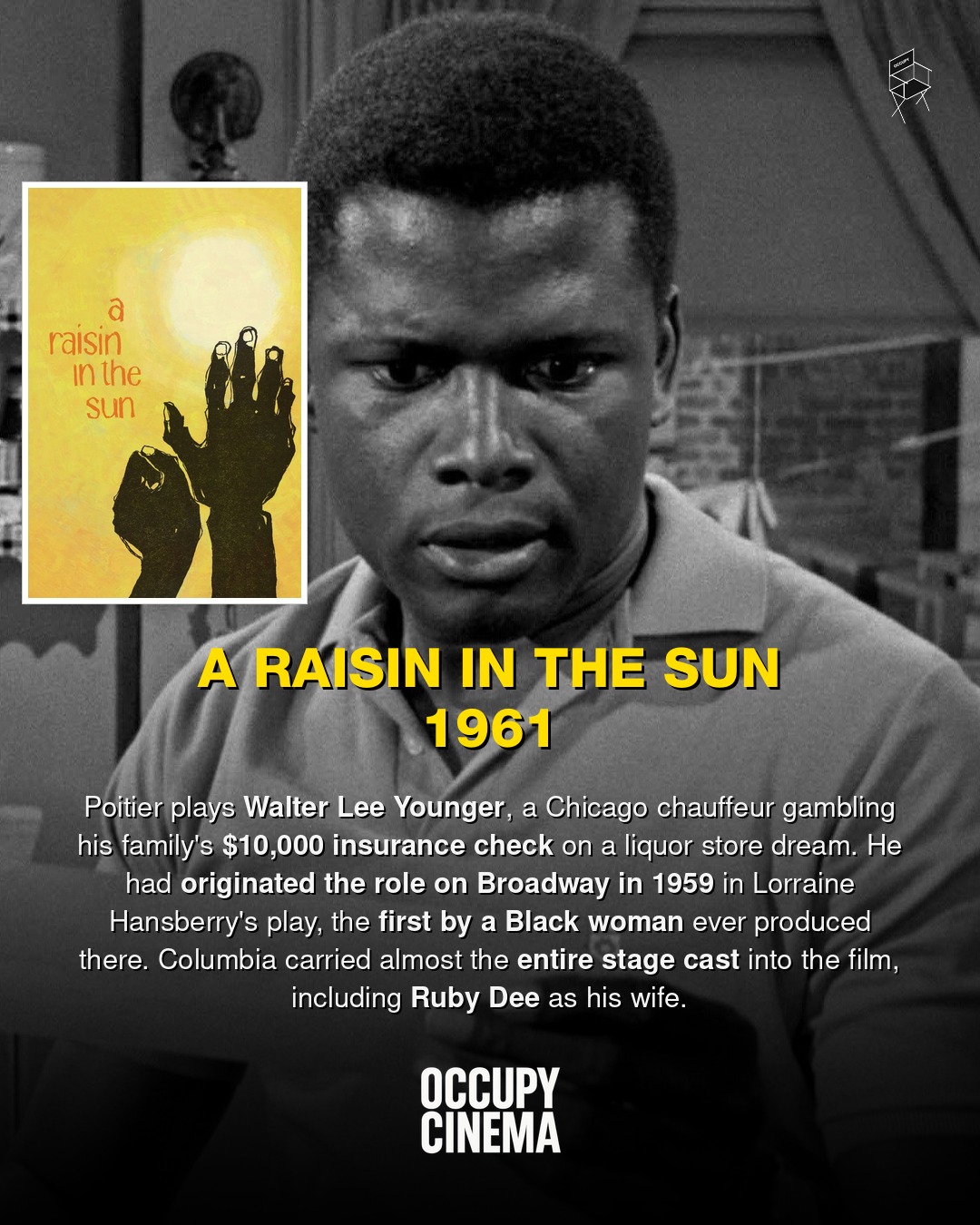
Poitier had already broken barriers. He arrived in New York as a teenager, largely self-taught, and quickly ascended the ranks. His 1958 nomination for Best Actor for The Defiant Ones was a milestone. His 1964 win for Lilies of the Field was historic, a barrier-breaking achievement that no other Black actor would replicate for nearly forty years, until Denzel Washington took the prize in 2002. These were significant moments, but 1967 was different. It was about commercial dominance, not just critical recognition.
The Triple Crown of 1967
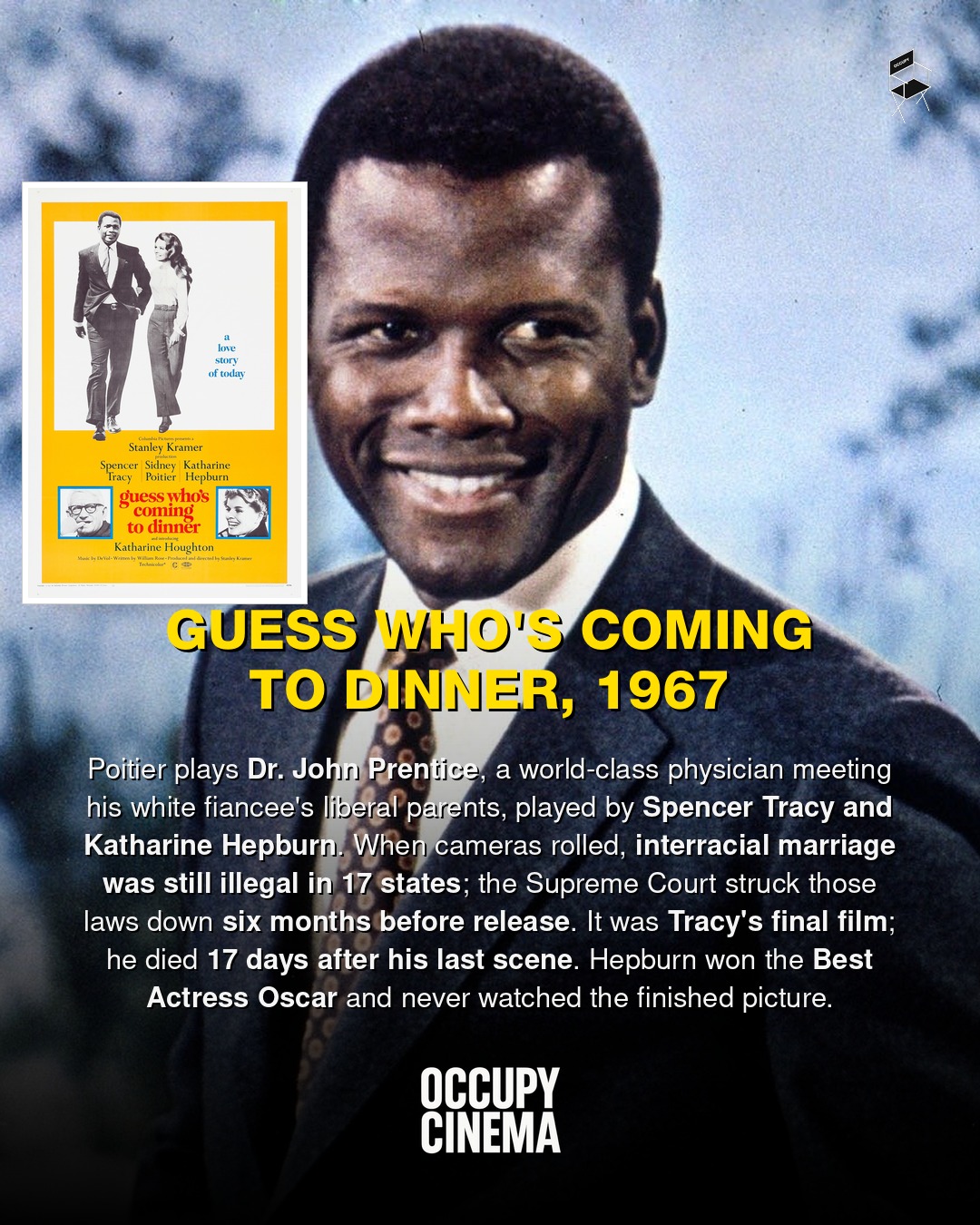
In a single twelve-month span, three major films starring Poitier hit theaters: To Sir, with Love, In the Heat of the Night, and Guess Who's Coming to Dinner. Each film was a commercial success. Each film tackled significant social themes of race and integration, but did so in distinct ways. To Sir, with Love saw him as a teacher in a challenging London school. In the Heat of the Night introduced the indelible Virgil Tibbs. Guess Who's Coming to Dinner pushed boundaries on interracial relationships. This was not a fluke; this was a calculated, powerful impact. The industry noticed. The very next year, exhibitors named him the number one box office star in America. That is a raw, undeniable metric of success.
Poitier's strategy was clear and impactful. He understood the power of his image and the messages his roles conveyed. He famously insisted that his character, Detective Virgil Tibbs, return a slap from a bigoted plantation owner in In the Heat of the Night. This was more than a performance note; it was a demand for dignity on screen, a refusal to portray Black characters in a subservient or diminished light. This commitment to his craft and his principles opened doors for countless others, ensuring that the path he blazed stayed open. His impact was not just about his own success, but about changing the landscape for others.
Today, measuring that kind of singular impact is harder. The industry is fractured, reliant on tentpoles and established IP rather than individual star power. But Poitier's 1967 run stands as a testament to what a determined talent can achieve. It's a benchmark for commercial success and cultural influence that few, if any, have ever matched. He didn't just act in movies; he shaped cinema and society. His legacy is undeniable. The choices he made, the roles he championed, and the sheer commercial power he wieldd in that pivotal year continue to resonate. It's a masterclass in leveraging influence for progressive change, a blueprint for any actor aiming for more than just a paycheck. His impact is still felt, long after his passing.