Occupy Cinema › FEATURED
Nepal Glacier Disaster: A Humanitarian Crisis and a Cinematic Call to Witness
The devastating glacier collapse in Nepal's Bhote Koshi region has claimed hundreds of lives, with thousands still missing. The sheer scale of loss and the harrowing identification efforts underscore a profound human tragedy demanding global attention.
By Occupy Cinema ·
The Unfolding Tragedy in Bhote Koshi
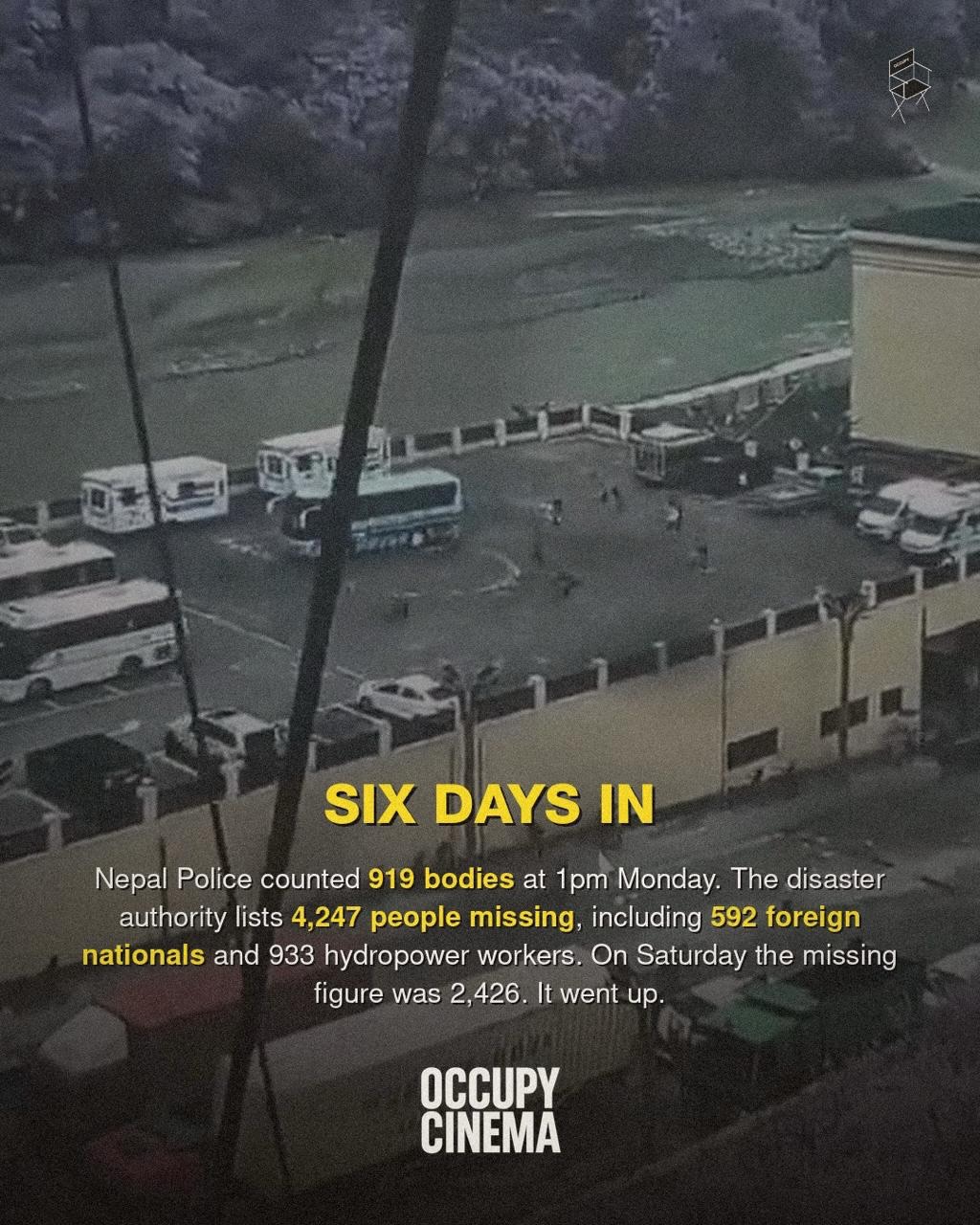
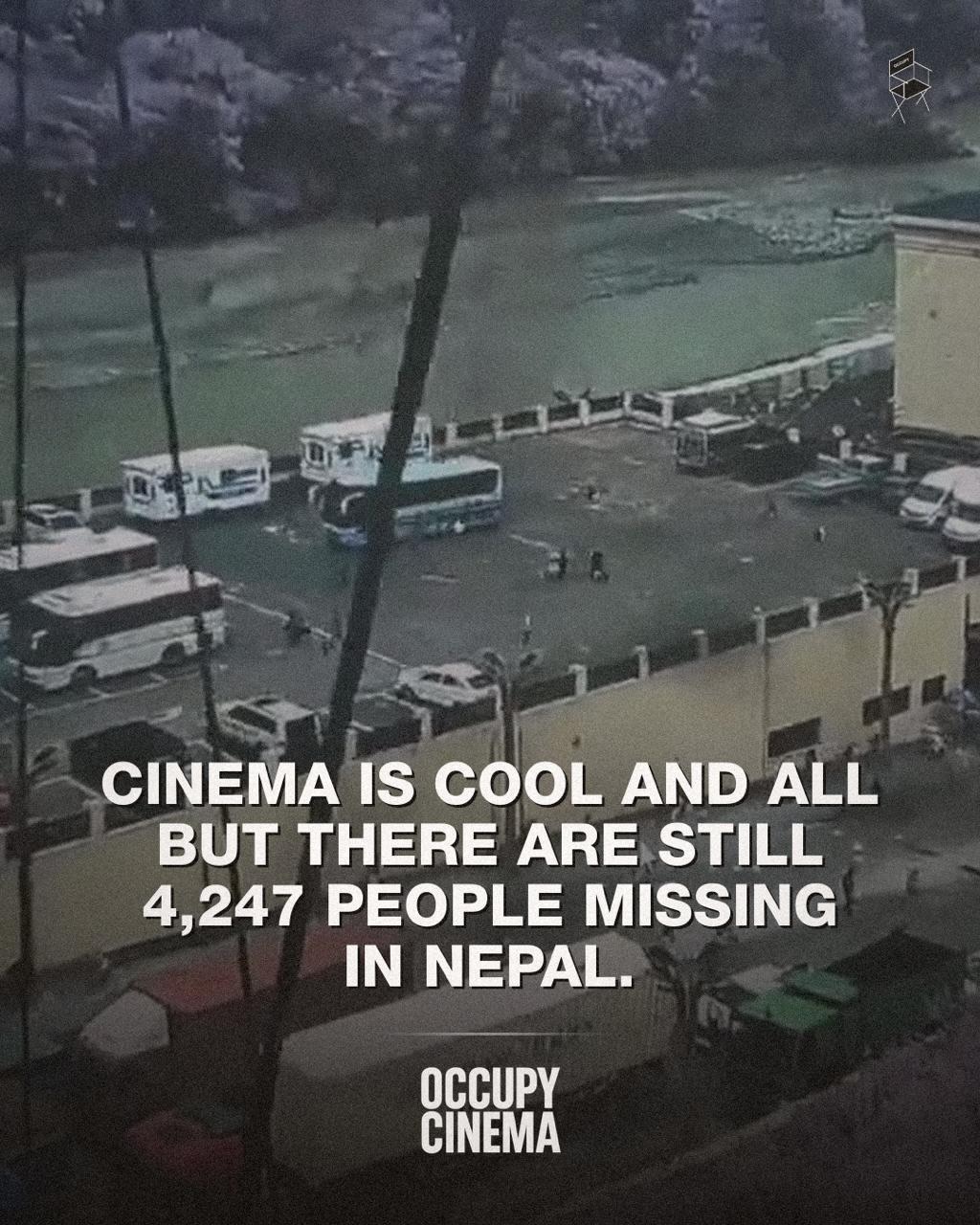
Six days after a catastrophic glacier collapse above Nepal's Bhote Koshi river, the scale of human loss continues to mount. Nepal Police confirm the recovery of 919 bodies, a grim tally that tragically increases daily. The National Disaster Risk Reduction and Management Authority lists an astonishing 4,247 people as missing. These numbers are not static; they represent lives lost, families shattered, and communities facing an unimaginable ordeal. The disaster has swept through the Rasuwa district, leaving widespread destruction in its wake and exposing the profound vulnerability of Himalayan communities to climate-induced environmental shifts.
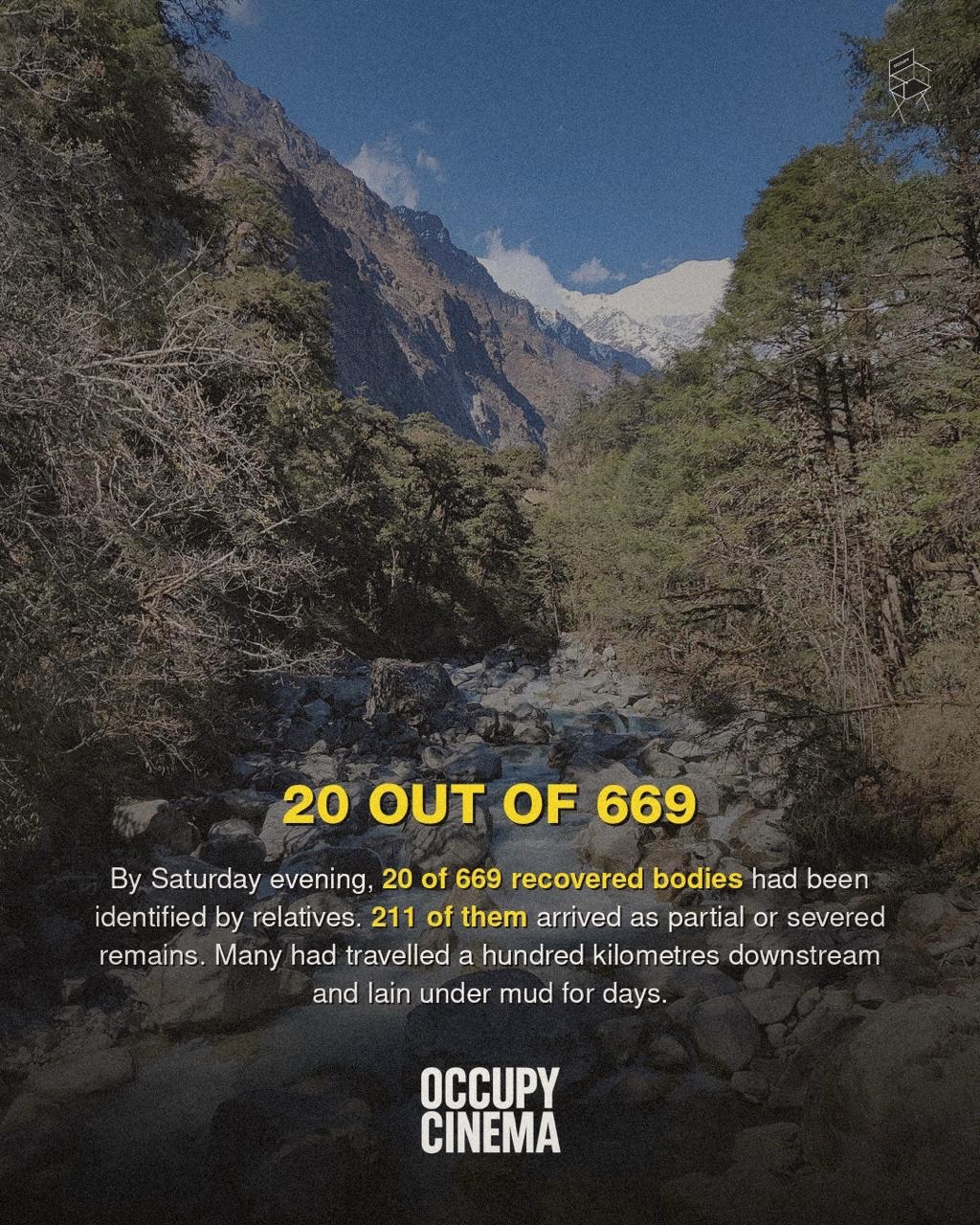
The immediate aftermath has plunged the region into a desperate search and identification crisis. With so many victims, and the destructive power of the floodwaters, traditional identification methods are proving insufficient. Only 20 of the first 669 recovered bodies could be immediately identified by relatives. This stark statistic highlights the challenge facing authorities and grieving families alike.
In a harrowing testament to the desperation, morgue shutters in the open street have become ad-hoc galleries of sorrow. Photographs of the deceased hang on lines, a morbid procession for families desperately seeking their loved ones. Identification relies on minute details: school ties, distinct tattoos, or unique pieces of jewelry. For over 150 victims, the decision has been made to bury them, with DNA archived, allowing for potential future exhumation and identification. This process underscores the long-term emotional and logistical burden placed on survivors and authorities.
Beyond the Headlines: Climate Crisis and Cinematic Responsibility
While the immediate focus remains on rescue, recovery, and humanitarian aid, the Nepal glacier collapse serves as a stark reminder of the escalating climate crisis. Glacial melt, accelerated by global warming, increases the frequency and intensity of such catastrophic events. The Bhote Koshi disaster is not an isolated incident but part of a larger, global pattern impacting vulnerable regions. This event underscores the urgency for international collaboration on climate mitigation and adaptation strategies, particularly in regions like the Himalayas, which are often described as the 'third pole' due to their vast ice reserves. For a deeper understanding of the environmental impacts, see The Guardian's coverage of Nepal.
From a cinematic perspective, such events present a profound challenge and opportunity. Documentarians and narrative filmmakers often grapple with how to authentically portray large-scale human suffering without exploiting it. The raw, unfiltered reality of families lifting sheets to identify loved ones, or the scientific precision of DNA archiving for future identification, offers a powerful, albeit heartbreaking, narrative. These are the stories that demand witness, not just through news reports, but through art that can convey the emotional weight and systemic causes of such tragedies. Films like Jennifer Peedom's Sherpa or even fictionalized accounts dealing with climate change impacts, demonstrate the power of cinema to bring distant crises into sharp focus.
The unfolding disaster in Rasuwa is more than a news item; it is a global alarm bell. The numbers are staggering, the human cost immeasurable. It compels us to look beyond the immediate headlines and consider the deeper implications for our shared planet and the narratives we choose to tell about its future. The world watches, and the stories emerging from the Bhote Koshi demand to be told with sensitivity, urgency, and a clear-eyed understanding of their profound significance.