Occupy Cinema › Craft
Why a Viral Hairball in Brooklyn Outclasses Studio Visual Effects
Unscripted street footage reveals a glaring truth about modern filmmaking: practical scale and real public indifference cannot be simulated on a soundstage.
By Occupy Cinema ·
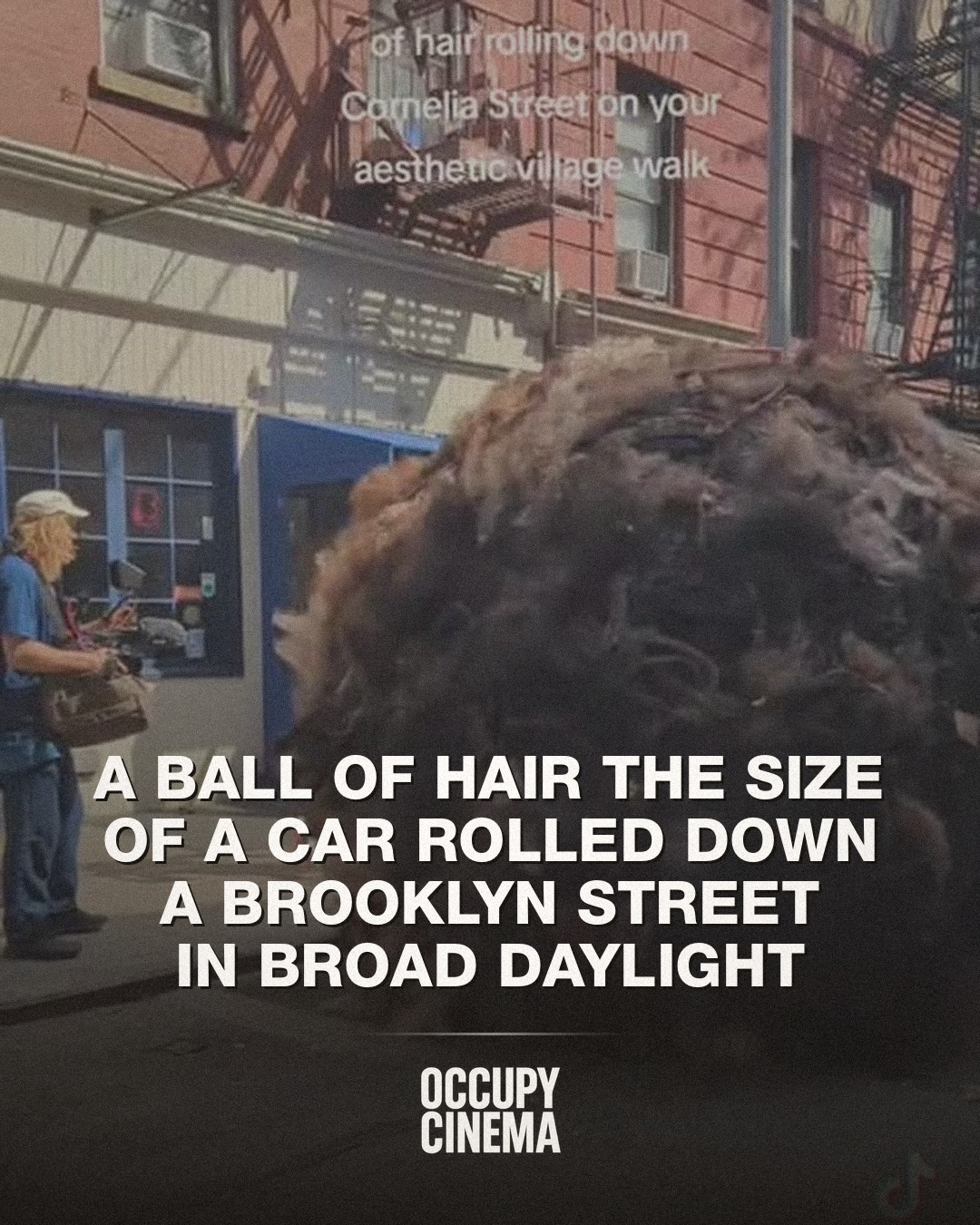
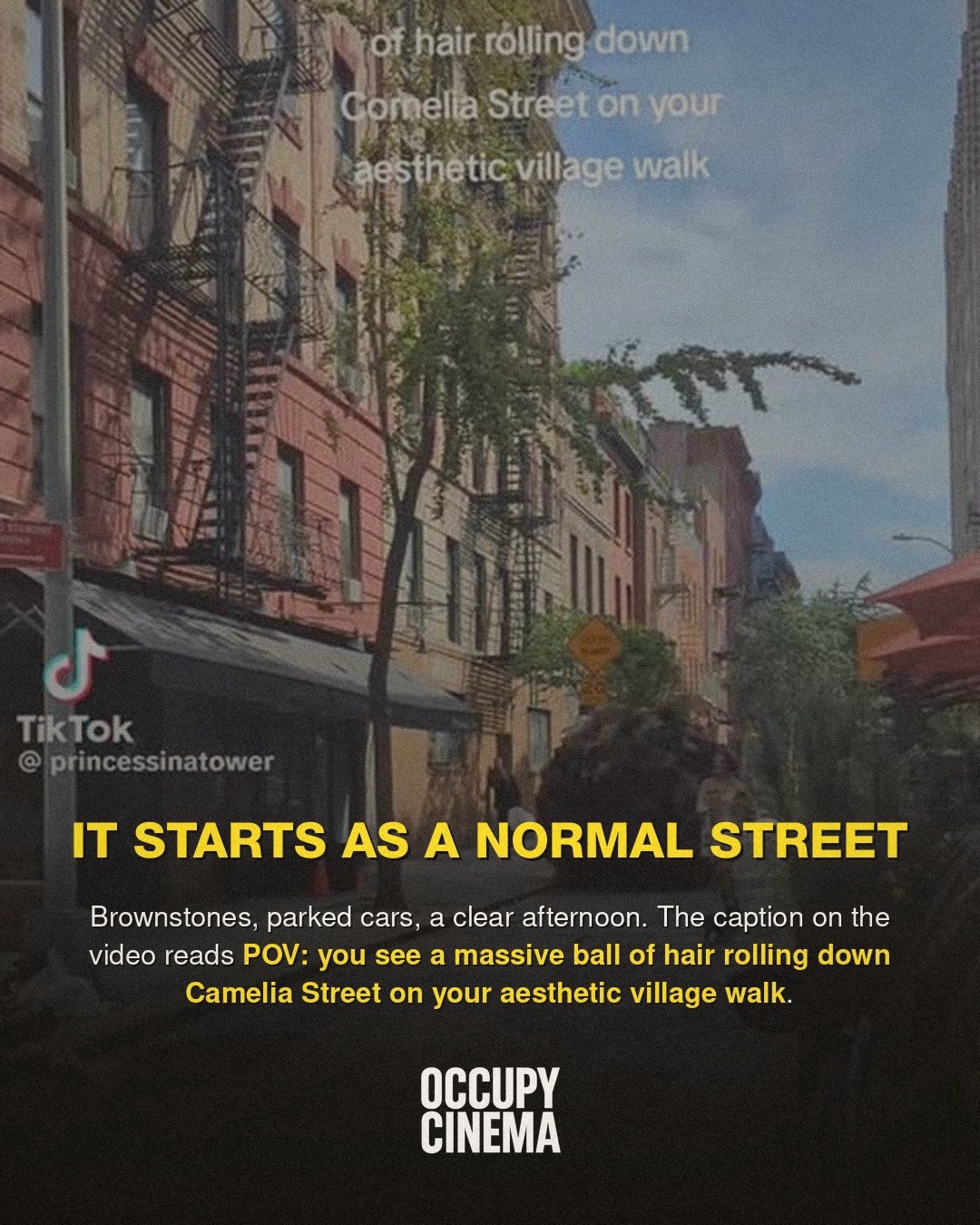
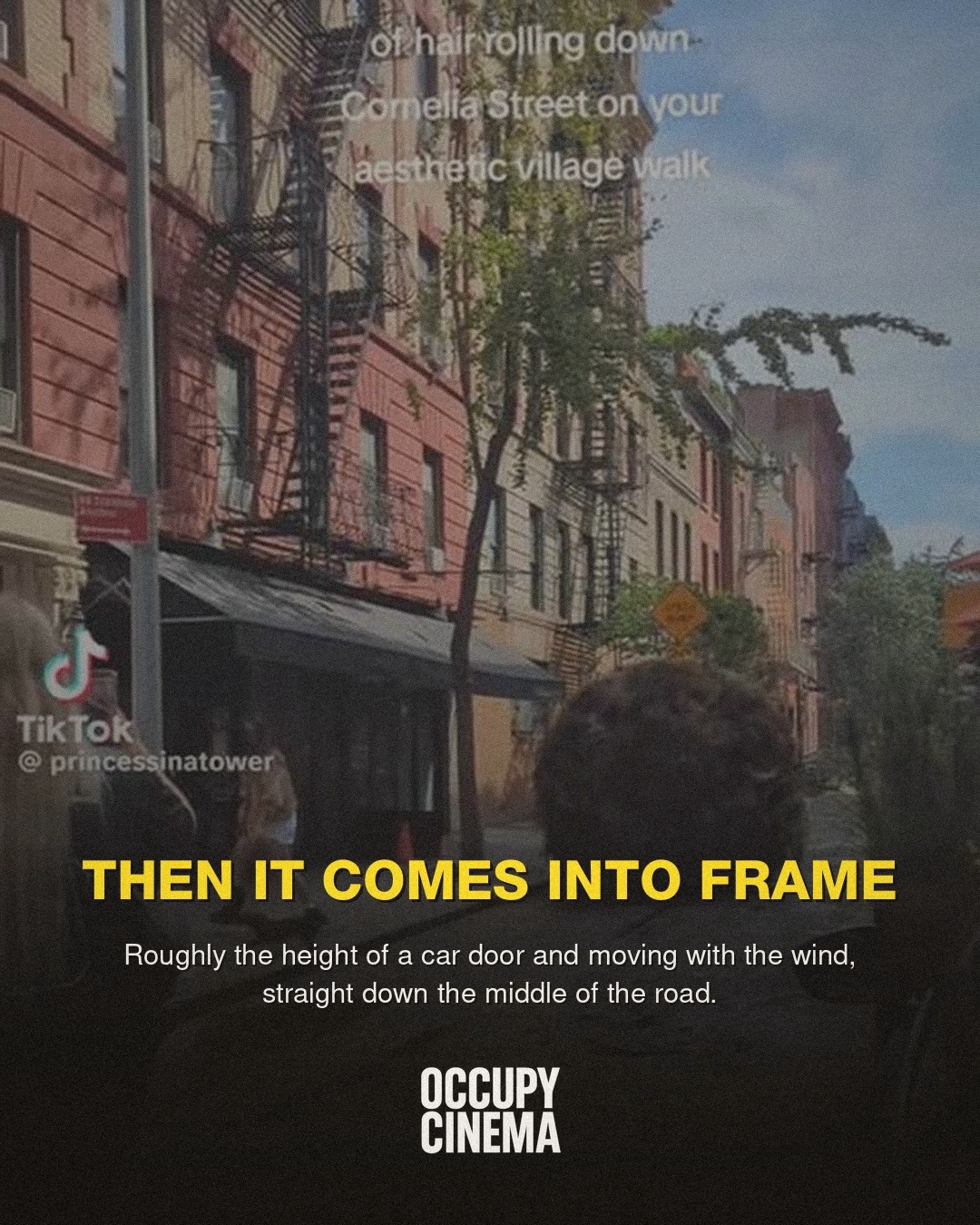
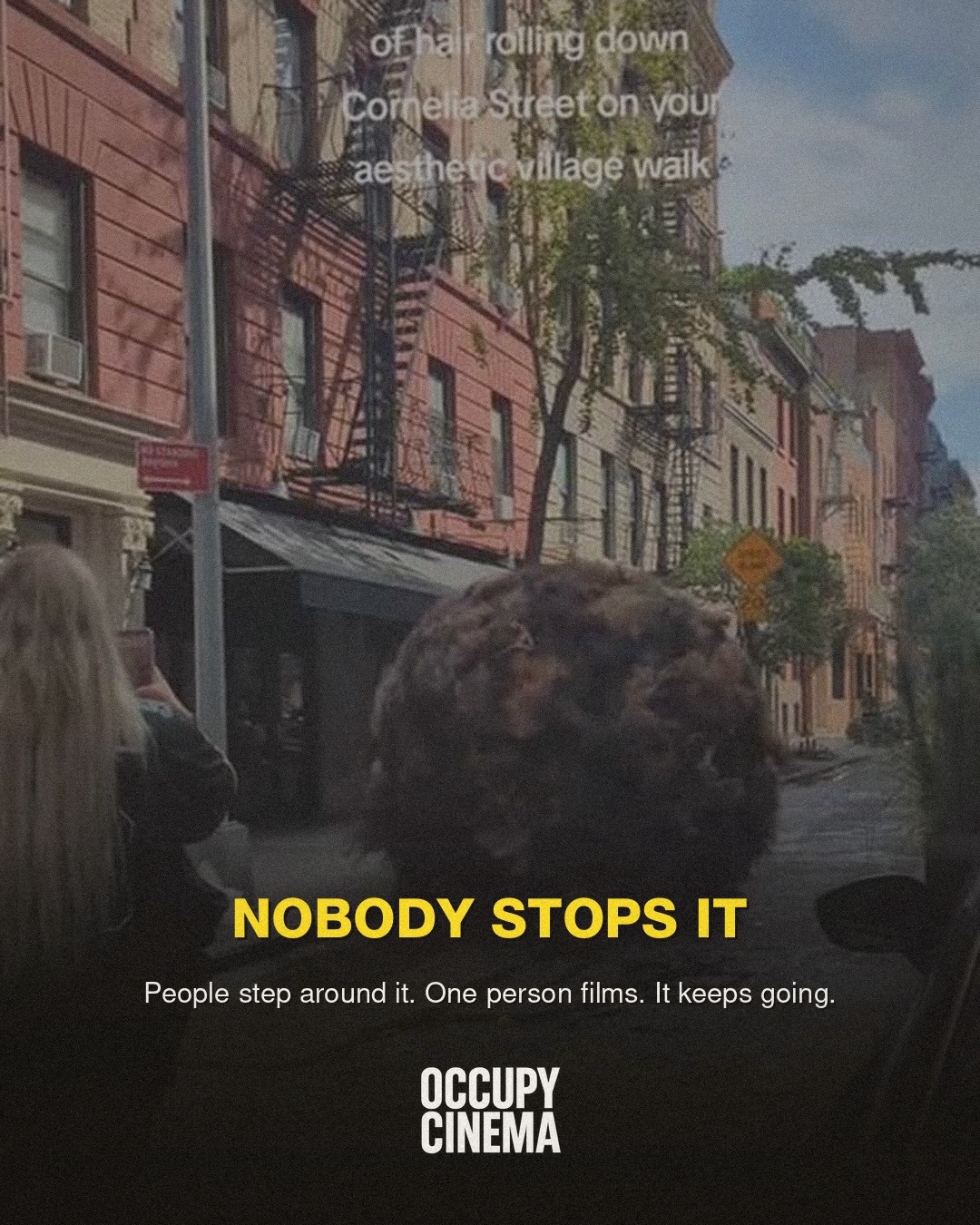
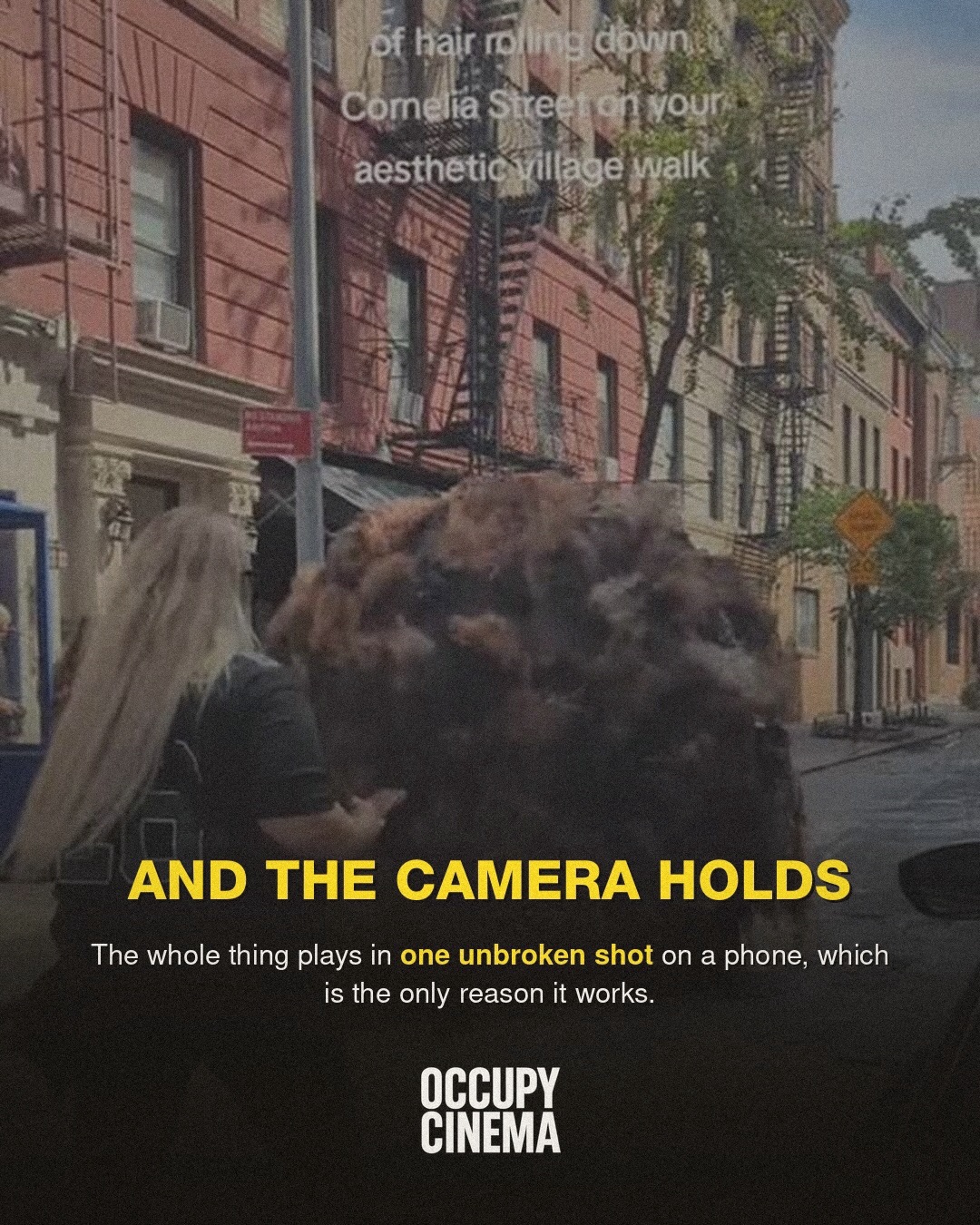
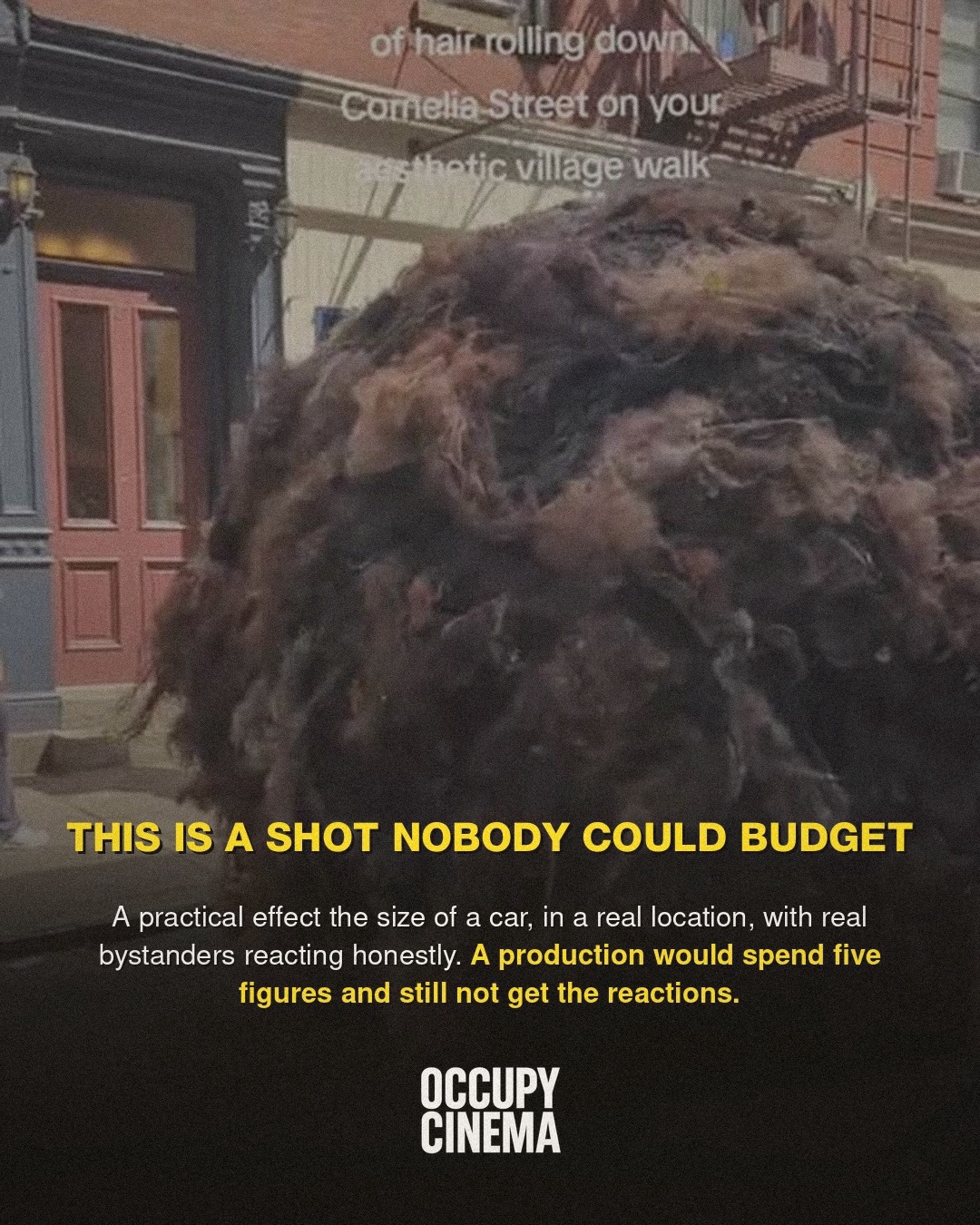
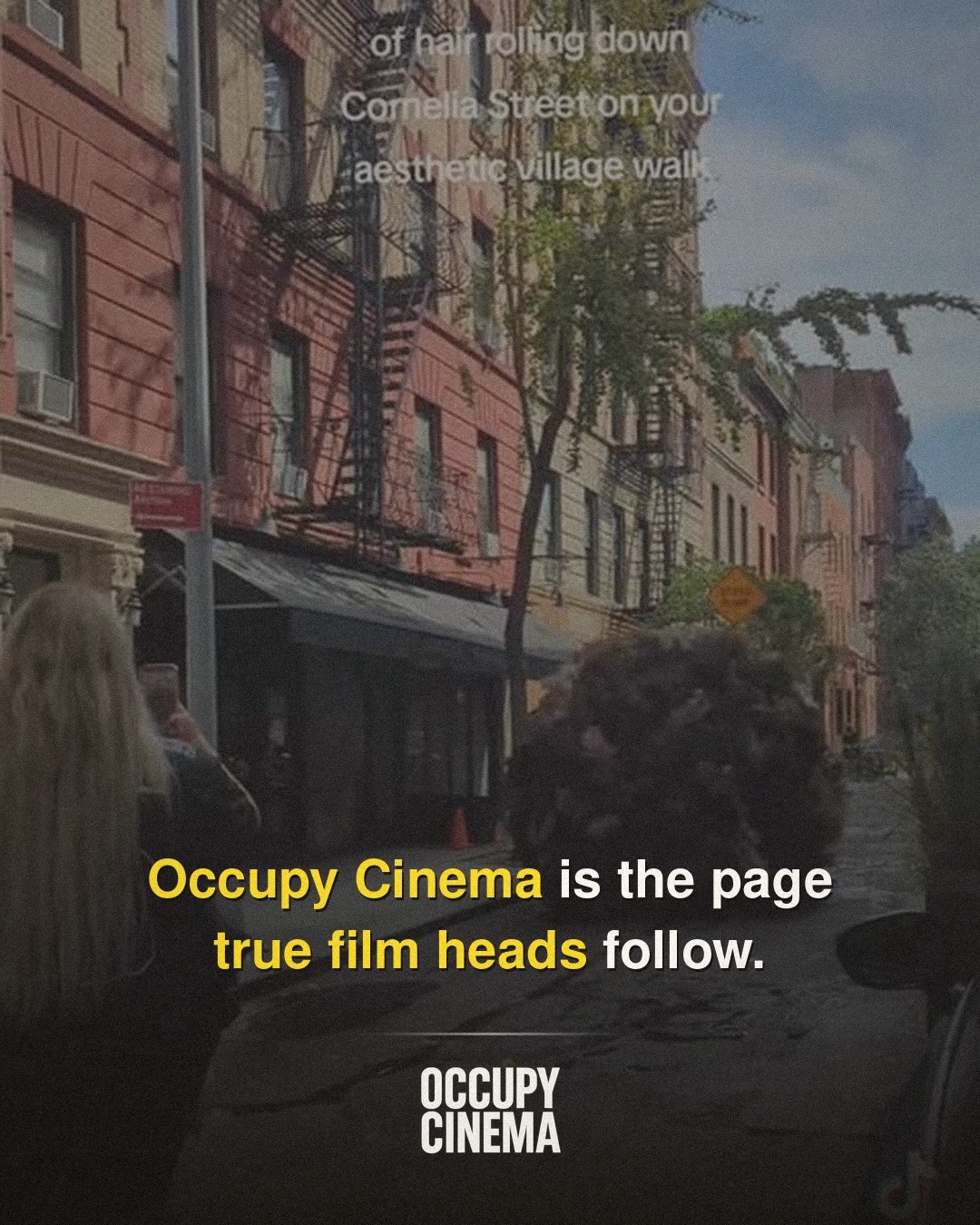
A six foot ball of tangled hair rolls down Camelia Street. Pedestrians glance at it, step aside, and keep walking without breaking stride. One observer tracks the object in an unbroken single take, capturing the surreal sequence in clear daylight. The video went viral within hours, but its primary lesson belongs to Hollywood visual effects departments. A major studio art team would spend six figures attempting to replicate what occurred on a city sidewalk for free.
Staging an equivalent set piece in a studio feature carries a massive financial burden. Between city permit fees, street closures, art department fabrication, and SAG-AFTRA background actor payroll, a single day of location shooting in New York routinely tops $100,000. Industry reporting from The Hollywood Reporter routinely illustrates how location overhead consumes production budgets. Yet expensive studio practical gags often lack the precise element that makes the Camelia Street footage magnetic. That element is unvarnished human indifference.
The High Cost of Simulated Reality
Directed background actors consistently struggle to perform authentic nonchalance. When an unusual object enters a frame during a commercial shoot, background extras either overreact or appear noticeably rehearsed. Filmmakers like Sean Baker have built careers on capturing raw public spaces precisely because artificial crowds fail the ocular test. According to craft coverage in IndieWire, the divide between indie authenticity and studio contrivance comes down to spatial tension. In real life, pedestrians prioritize their immediate commute over the bizarre.
The physics of the object itself present another dynamic challenge for visual effects teams. Computer generated imagery struggles with soft volume dynamics like hair, fur, and woven fiber. Rendering realistic lighting across thousands of colliding strands requires immense computational power and months of post production labor. Even high end VFX vendors frequently output digital assets that feel weightless or detached from ambient asphalt reflections.
By contrast, physical props interact with light and motion according to natural law. The hairball on Camelia Street bounces over concrete fissures, collects real urban dust, and casts authentic contact shadows. Visionaries who champion tactile craft, such as Michel Gondry, have long argued that physical constraints yield superior visual texture. When an object exists in physical space, the operator does not need to simulate weight. The natural environment does the heavy lifting.
The Power of the Continuous Frame
The decision to hold the camera in one continuous take gives the event its dramatic credibility. Modern action cinema relies heavily on rapid editing cuts to mask visual flaws or generate artificial kinetic speed. Industry analyses from Variety frequently detail how fragmented post production editing compromises spatial orientation. A long take forces the viewer to accept the physical reality of the frame, proving that no digital manipulation occurred between cuts.
The takeaway for modern physical production is clear. Contemporary audiences have developed an acute sensory filter for synthetic imagery. They instantly recognize the physical weight of a real prop and the genuine reaction of an unscripted bystander. While studio blockbusters continue to inflate visual effects budgets to construct digital spectacle, true visual impact often relies on basic mechanics, spatial truth, and an unbroken camera angle.
Related reading: Production Design for Screen.