Occupy Cinema › Awards
Inside Sony's Bidding War Victory for 'Wolf's Belly'
Sony Pictures outbids major rivals including Amazon for John August and Simón Estrada's dark fairy tale graphic novel, with Alfonso Cuarón producing.
By Occupy Cinema ·
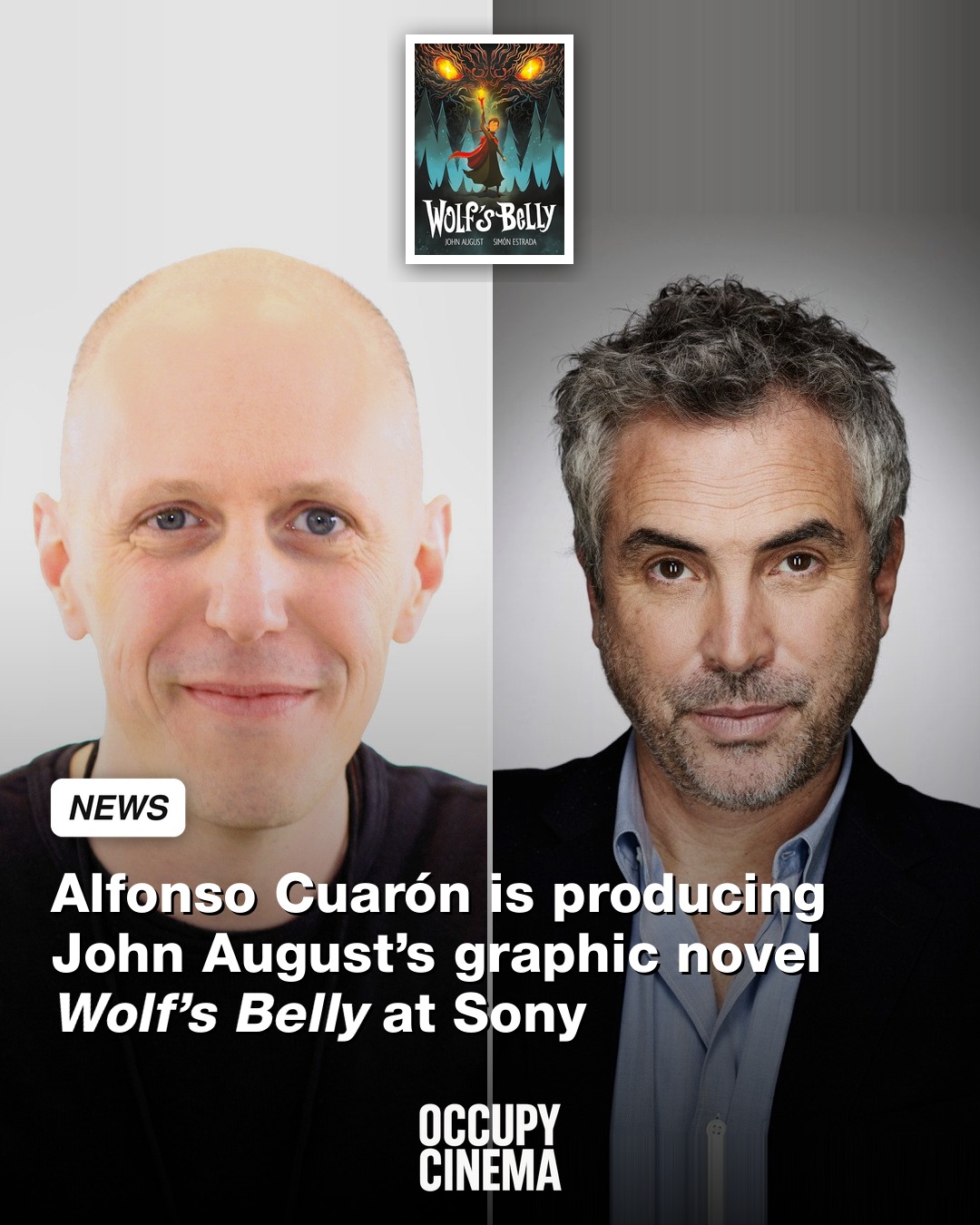
Sony Pictures has secured the film rights to the graphic novel Wolf's Belly following a heated multi-studio bidding war. The project outmaneuvered several major competitors including Amazon Studios to land at Sony. Written by veteran screenwriter John August and illustrated by Simón Estrada, the project brings together top-tier creative talent under a high-concept genre umbrella. August will adapt his own source material for the screen, while Oscar-winning filmmaker Alfonso Cuarón steps in to produce. The deal represents a significant property win for Sony as major studios continue their relentless search for distinctive, established Intellectual Property capable of anchoring wide theatrical releases.
The core premise of Wolf's Belly flips conventional folklore on its head with a surreal, claustrophobic twist. The story reimagines the narrative of Little Red Riding Hood, shifting the primary location to the literal interior of the big bad wolf. Inside the creature's cavernous stomach, Red finds her grandmother alongside two unexpected companions: the Boy Who Cried Wolf and an unrecorded fourth Little Pig. Trapped together in a biological ecosystem within the beast, the mismatched quartet must negotiate their survival, untangle their intersecting mythologies, and orchestrate a harrowing escape before digestion takes its toll.
August is a seasoned Hollywood scribe whose career spans over two decades of studio tentpoles and character-driven fables. His long-standing collaboration with director Tim Burton yielded critical and commercial hits such as Big Fish in 2003, which earned a BAFTA nomination for best adapted screenplay, and the 2005 stop-motion animated feature Corpse Bride. August also penned the screenplays for Charlie's Angels, Go, and Disney's live-action Aladdin remake in 2019, which crossed the one billion dollar mark at the global box office. Beyond his film credits, August is well known across the industry as the co-host of the long-running Scriptnotes podcast, making his return to spec writing and graphic novel creation a notable moment for screenwriters tracking market trends.
Cuarón brings immense prestige and producing power to the package. The Mexican auteur holds four Academy Awards across multiple categories, including Best Director wins for Gravity in 2014 and Roma in 2019. His producing efforts through his Esperanto Filmoj banner have consistently championed bold visual storytelling and international talent. Cuarón previously produced Guillermo del Toro's classic Pan's Labyrinth as well as the critically acclaimed thriller Biutiful. His presence on Wolf's Belly signals that Sony views the project not merely as a light fantasy cash-in, but as an elevated visual spectacle with potential crossover awards potential and top-shelf auteur execution.
The Live-Action Pivot and Market Dynamics
Initial development conversations between August and Cuarón centered on whether Wolf's Belly should be developed as an animated feature. Given August's success with Corpse Bride and Frankeweenie, animation offered a natural avenue for the surreal imagery required by the graphic novel. However, after evaluating the narrative's physical tension and world-building needs, the producers made a deliberate decision to pursue a full live-action adaptation. Industry reports from Deadline highlight that the decision to pivot to live action intensified interest among studio buyers, as live-action tentpoles continue to command higher theatrical yield expectations when marketed effectively to global audiences.
Studio appetite for dark fairy tale revisions has remained consistent over the last decade, provided the material offers a fresh visual language. Hollywood has frequently returned to classic Brothers Grimm folklore, yielding varied theatrical outcomes ranging from Universal's Snow White and the Huntsman to Disney's Into the Woods. What distinguishes Wolf's Belly from previous revisions is its bottle-thriller structure combined with dark fantasy elements. Placing four distinct fable characters inside a singular, biological monster environment creates a narrative pressure cooker that blends the claustrophobia of survival thrillers like Buried or 127 Hours with the whimsical, gothic aesthetics of late-night fable storytelling.
The visual translation of the creature's interior poses a compelling creative puzzle for the production team. Executing a live-action world set inside a living animal requires an ambitious synthesis of practical production design and digital visual effects. Rather than relying entirely on green screen volumes, the production will need to construct tactile, cavernous sets to anchor the physical performances of its ensemble cast. The scale of visual effects required makes Sony's financial backing essential, placing the title alongside other major creature-heavy features on the studio's upcoming slate.
Assembling the Creative Package
At present, Sony has not attached a director to steer the ship, nor has any casting been announced. The search for a director is expected to be aggressive, with Sony executives and Cuarón looking for a filmmaker capable of balancing dark humor, emotional gravity, and complex visual effects integration. Industry outlets like The Hollywood Reporter note that securing a director with a distinct visual signature will be the next crucial step in determining the film's production timetable and budget allocation.
For Sony Pictures, acquiring Wolf's Belly reinforces a studio strategy focused on acquiring high-concept IP with built-in creative packages before entering full production. While rival legacy studios lean heavily on existing superhero franchises and corporate toy lines, Sony continues to balance its comic book slates with standalone, director-friendly concept packages. By securing August's script and Cuarón's oversight, Sony has guaranteed that one of the year's most intriguing publishing concepts will make its screen debut as a major theatrical event.
The transaction also demonstrates the continuing power of writer-driven graphic novels in generating competitive studio heat. When creators maintain tight control over their intellectual property and partner with respected producers before bringing projects to market, bidding wars remain robust even in a tight spending climate. As August begins finalizing the feature script, the industry will be watching closely to see which director steps forward to bring this dark, anatomical fairy tale to life on the big screen.