Occupy Cinema › FEATURED
Sony Exits Cinema Projection Market, Leaving Exhibitors to Grapple with Digital Obsolescence
The quiet end of Sony's cinema projector manufacturing in 2020 sent ripples through the exhibition sector, highlighting the costly realities of digital projection and the challenges facing theater owners.
By Occupy Cinema ·
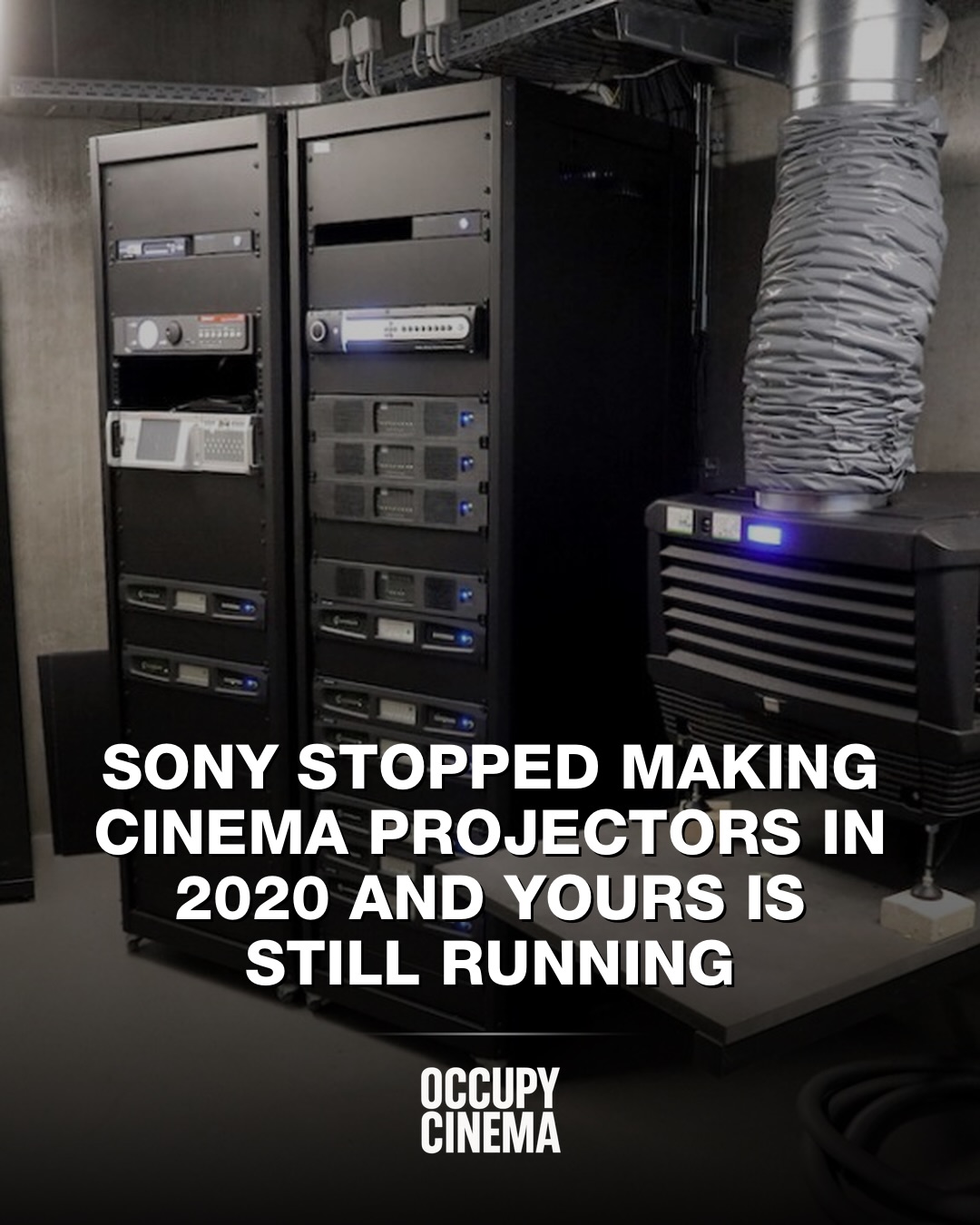
The End of an Era for Sony Digital Cinema
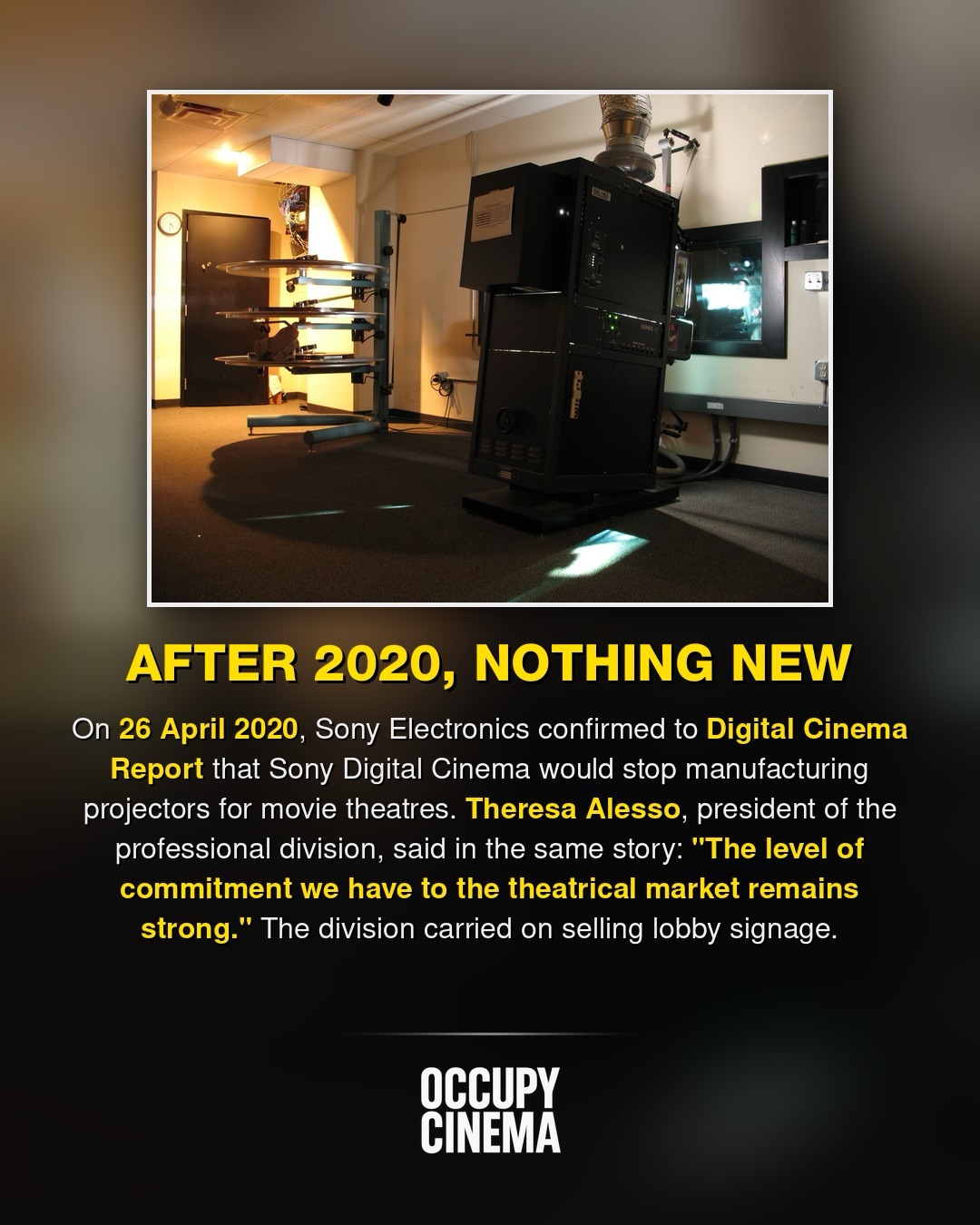
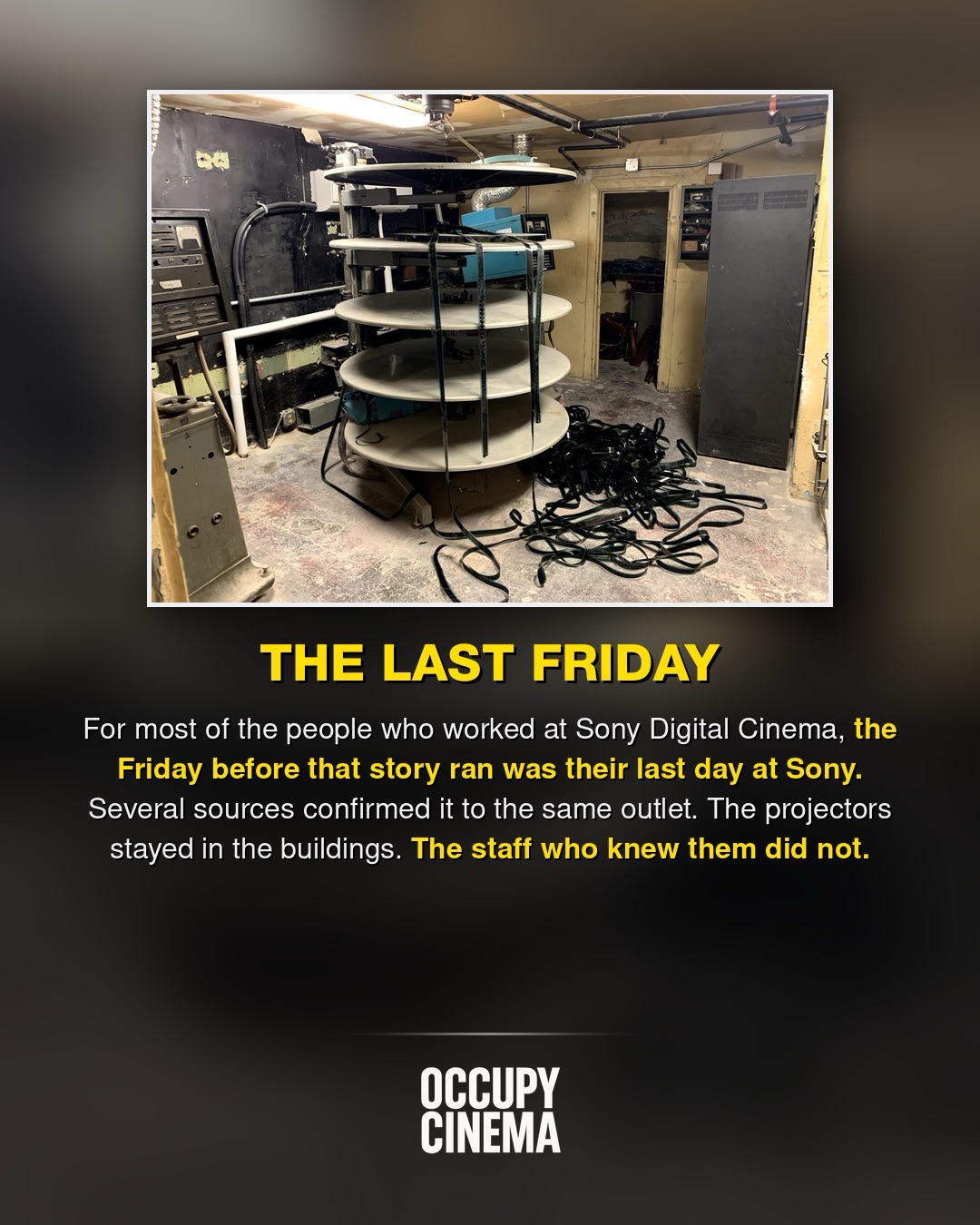
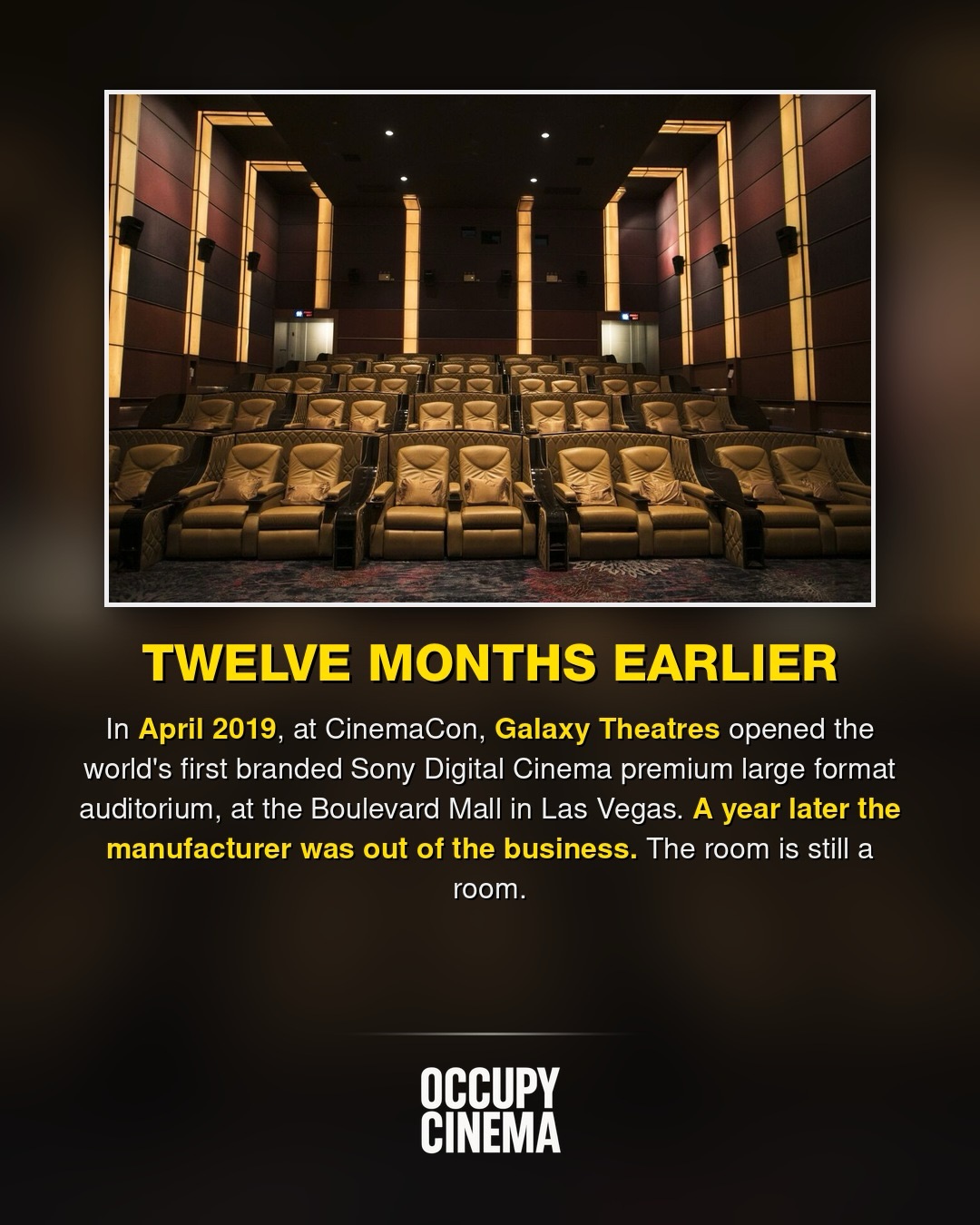
Sony ceased manufacturing cinema projectors after 2020. The decision, confirmed by Theresa Alesso of Sony Electronics to Digital Cinema Report that April, marked a significant shift in the digital exhibition landscape. For many of Sony's Digital Cinema staff, the Friday preceding the announcement had been their final day. The physical projectors, however, remained in countless theaters, silently ticking down to their inevitable obsolescence. This move underscored the brutal economics of cinema technology, a sector often overlooked by the casual moviegoer but critical to the industry's health.
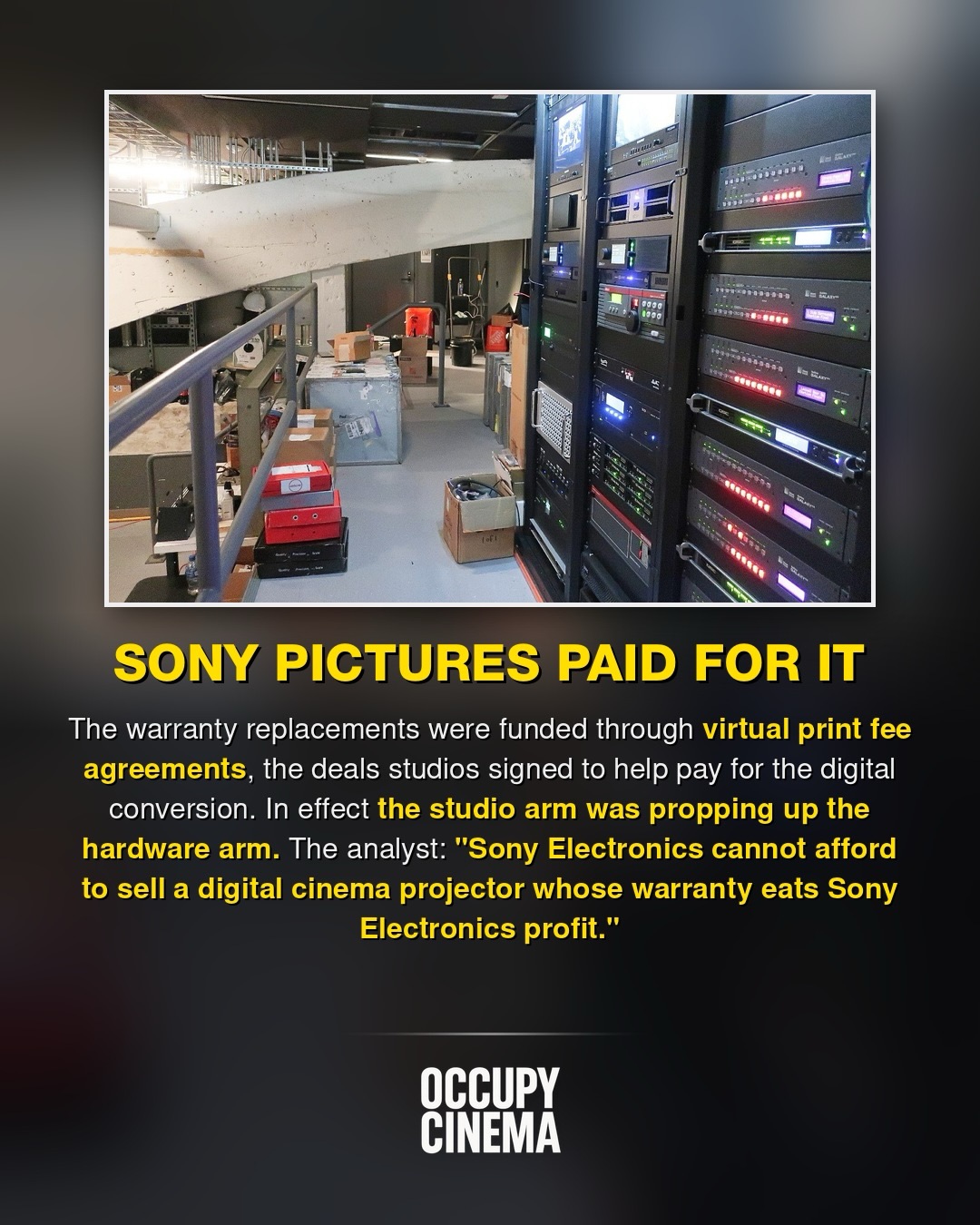
The departure of a major player like Sony from projector manufacturing is more than just a footnote in corporate history. It reflects deeper currents within the exhibition business. Digital cinema conversion, spurred by Hollywood's push for standardized distribution and cost savings in print delivery, was a massive undertaking. The initial investment in Digital Cinema Initiatives, or DCI, compliant projectors was often subsidized, either by studios through virtual print fees or by government programs. But those subsidies were for installation, not for perpetual maintenance. The long-term costs, particularly for independent and smaller chains, are now coming due.
The Digital Dilemma: Maintenance and Obsolescence
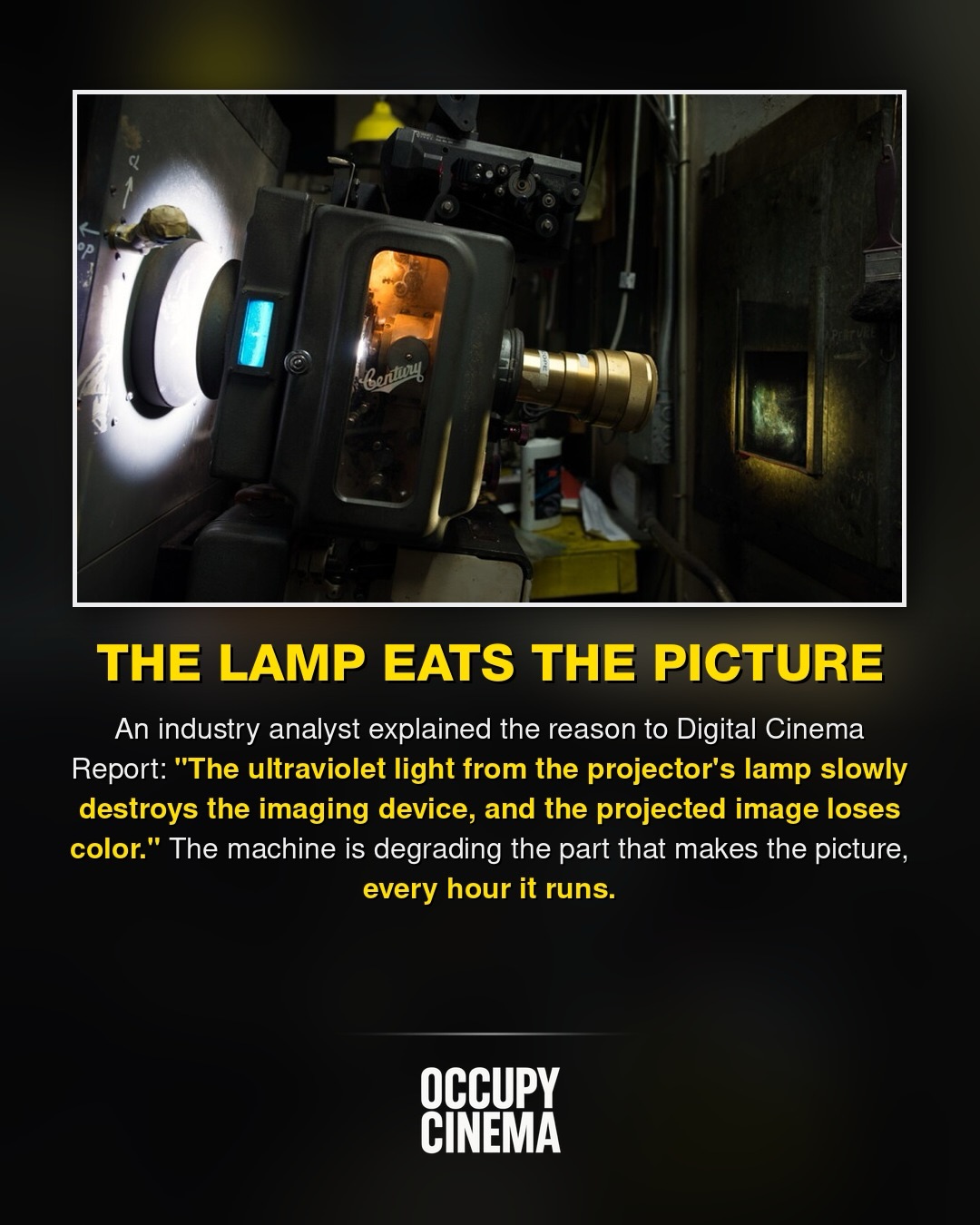
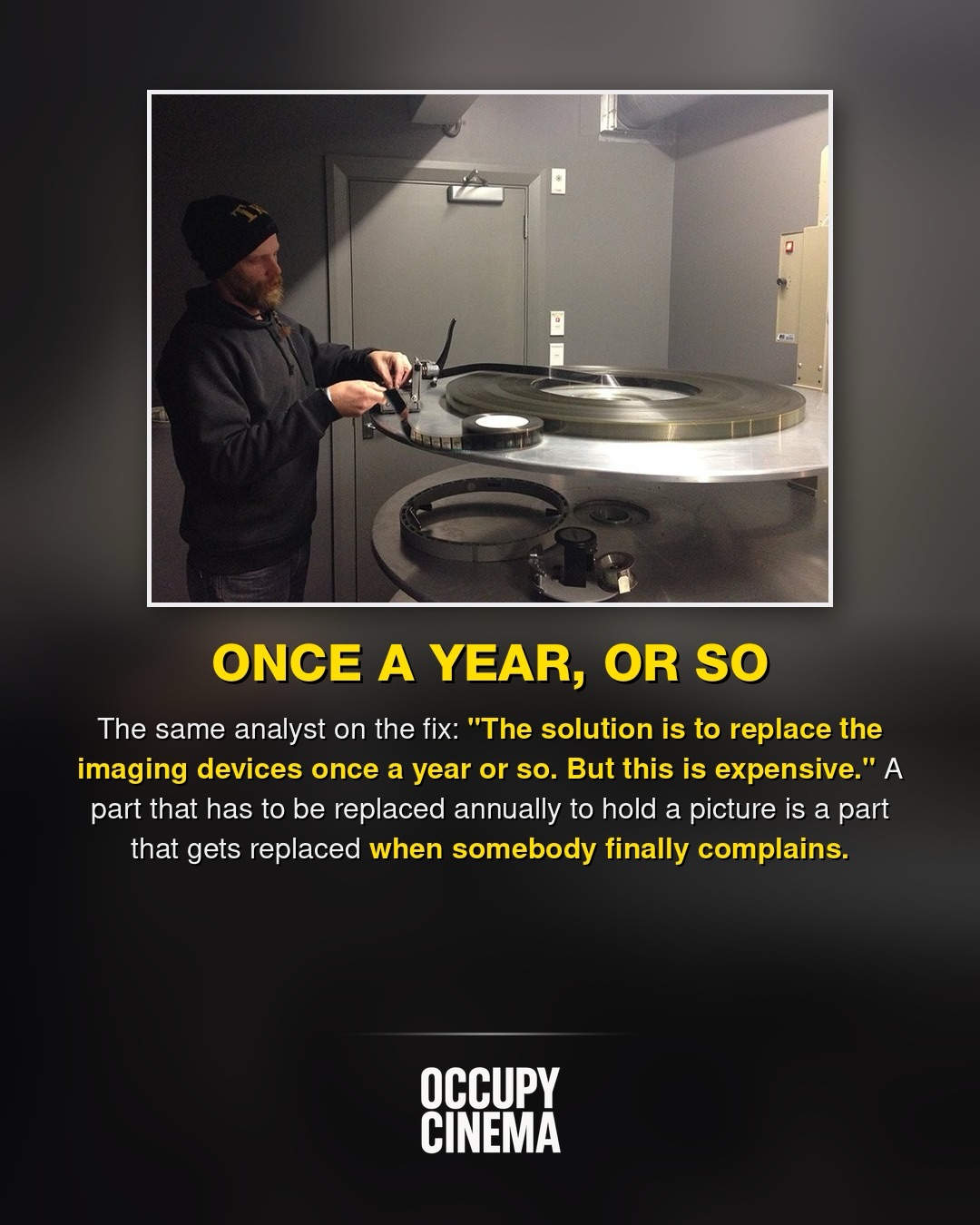
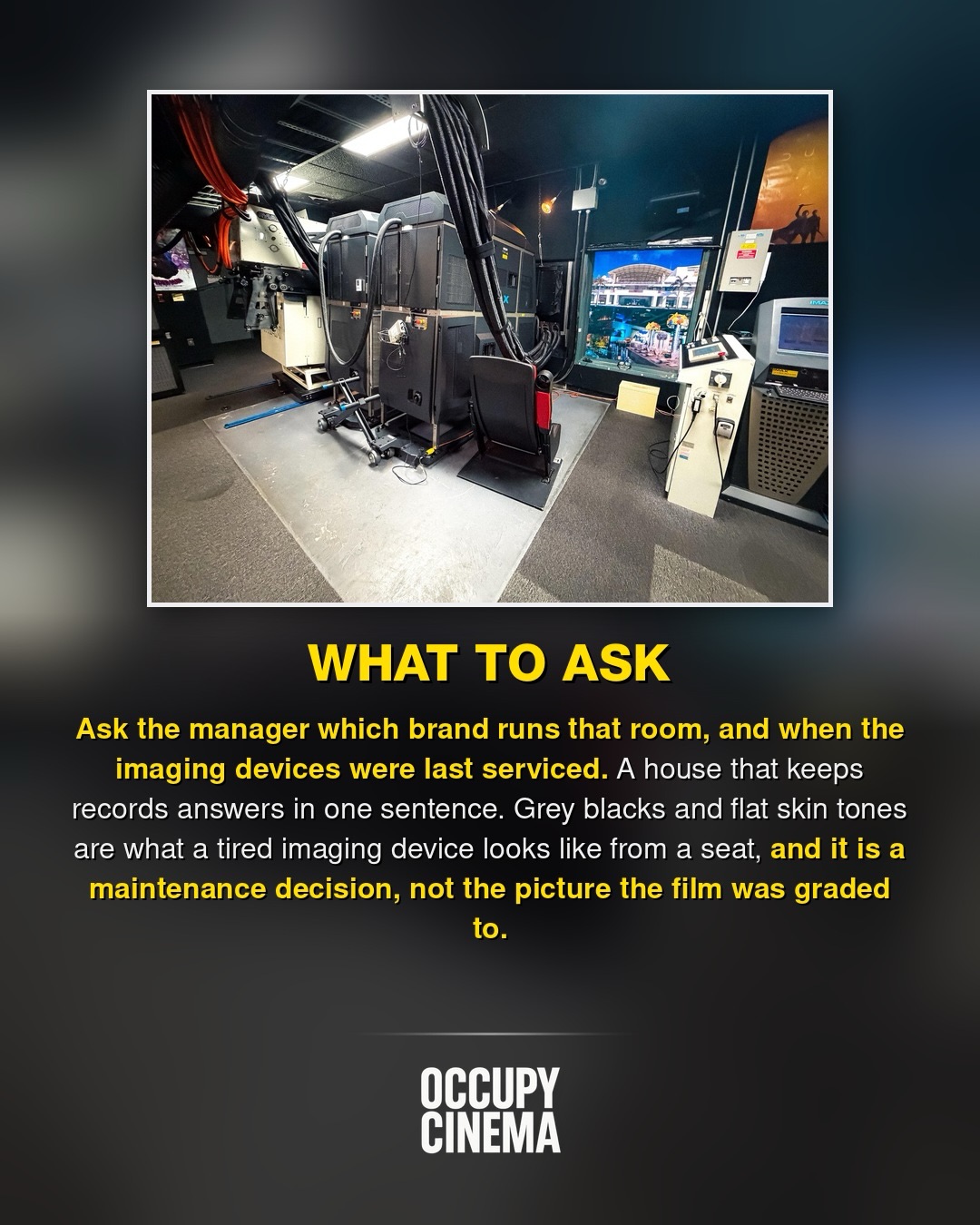
The core issue lies in the nature of the technology itself. Unlike traditional film projectors, which could be maintained and repaired for decades with relatively simple mechanical parts, digital projectors are complex, integrated systems. An industry analyst highlighted a critical flaw: ultraviolet light emitted by the xenon lamps slowly degrades the imaging device. This degradation leads to a noticeable loss of color fidelity and overall picture quality. The fix is not simple; it requires replacing these expensive imaging components, often on an annual cycle, to maintain DCI standards. This is a substantial, recurring operational expense that many exhibitors did not fully anticipate or budget for during the initial digital rollout.
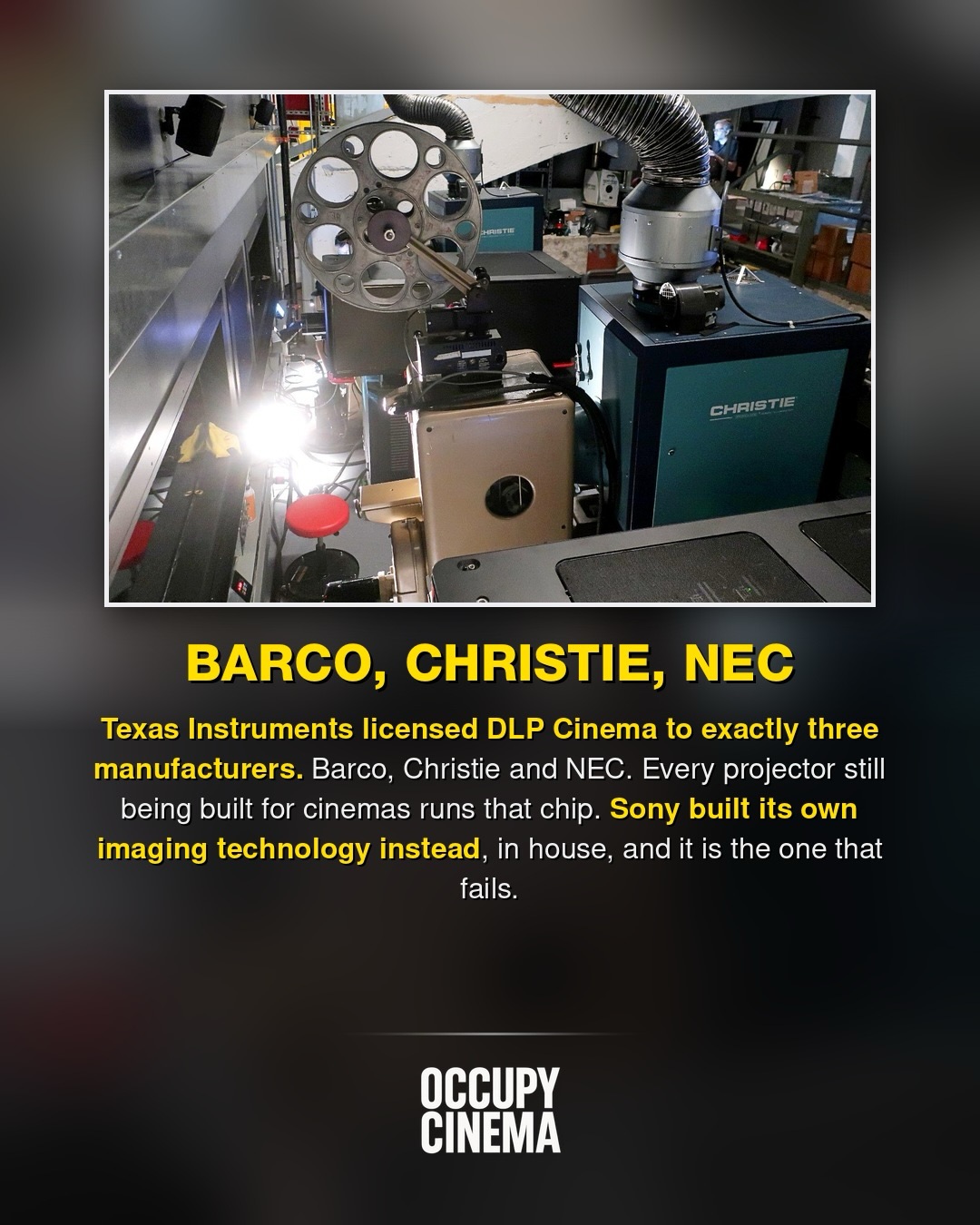
Sony's exit leaves a more consolidated market, primarily dominated by Barco, Christie, and NEC. While these manufacturers continue to innovate, the specter of ongoing maintenance costs looms large. A single DCI-compliant projector can cost upwards of $60,000 to $100,000, and critical components like lamps and imaging chips add thousands more annually. For a multi-screen complex, these expenditures quickly escalate into six figures. The situation is particularly acute for older digital projectors, many of which were installed over a decade ago. Their end-of-life cycle is approaching, presenting exhibitors with the unenviable choice of investing in costly repairs for aging tech or ponying up for entirely new, equally expensive units.
The problem extends beyond mere functionality. The quality of the projected image is paramount to the cinematic experience. As The Hollywood Reporter has covered, maintaining color accuracy and brightness is crucial for filmmakers' artistic intent. When projectors falter, the audience suffers a diminished viewing experience, potentially impacting repeat business. This hidden cost of digital projection maintenance directly correlates with a cinema's reputation and its ability to compete in an increasingly crowded entertainment landscape.
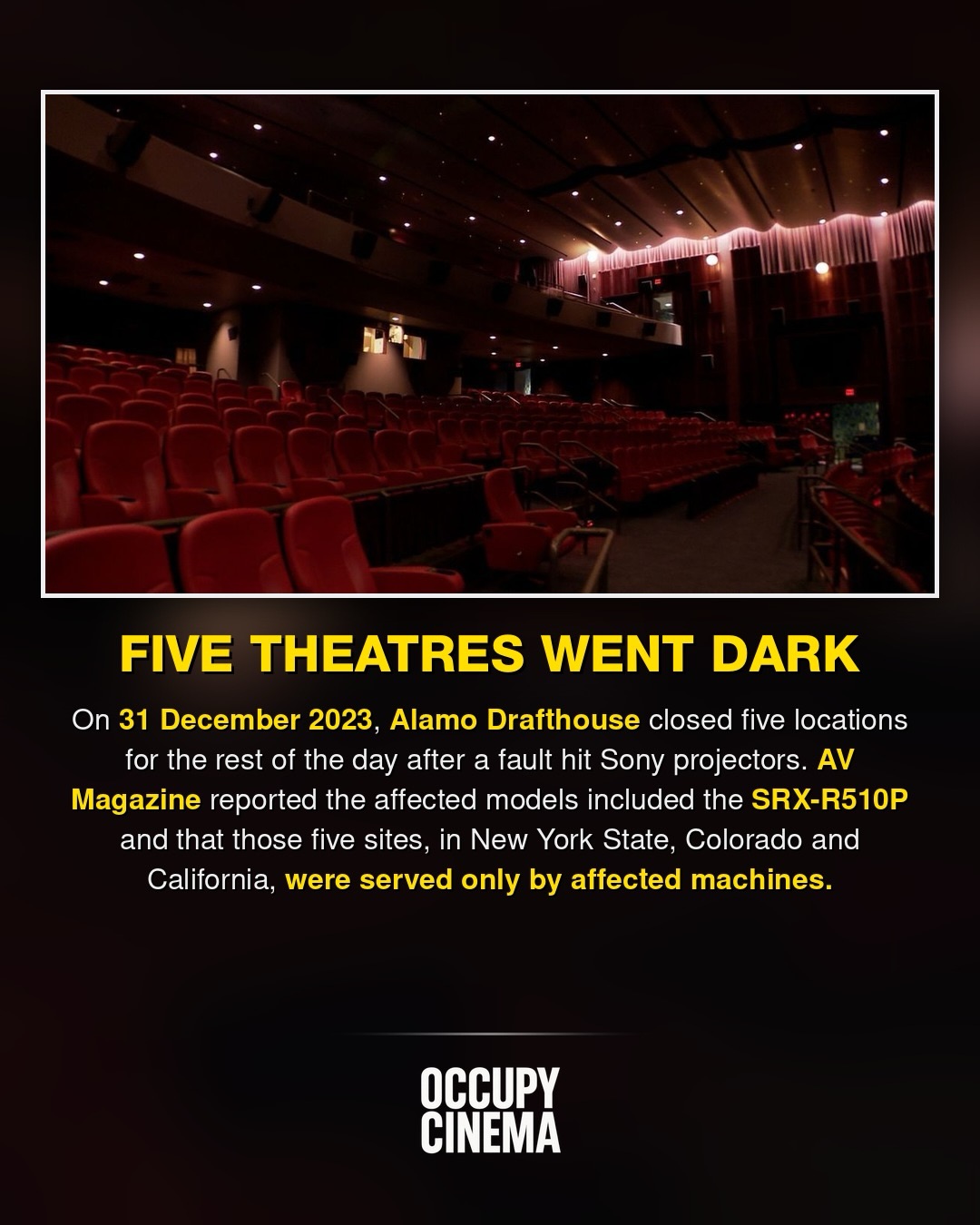
Furthermore, the move away from manufacturing by Sony means that finding parts and qualified service technicians for their existing projectors will become increasingly difficult and expensive over time. The supply chain for specialized components will inevitably shrink, driving up prices and extending repair times. This forces exhibitors into a corner, pushing them towards newer models sooner than they might have planned, even as ticket sales and concession revenues face ongoing pressures.
The quiet conclusion of Sony's projector manufacturing underscores a vital, ongoing challenge for cinema exhibitors globally. The digital revolution promised efficiency and consistency, but it has delivered a new set of technological and financial burdens. As the industry continues to evolve, the conversation must shift from mere installation to sustainable maintenance and long-term viability of the projection ecosystem. Otherwise, the silver screen may find itself facing a more literal kind of graying out.

Related reading: Aputure Amaran 200x S.