Occupy Cinema › Exhibition
The Zone Effect: How Andrei Tarkovsky’s Stalker Became Cinema’s Ultimate Benchmark
Decades after its troubled Soviet production, Andrei Tarkovsky’s sci-fi masterpiece continues to dominate film culture and physical media shelves alike.
By Occupy Cinema ·
Physical media sales remain a critical indicator of director prestige, and few titles dominate the canon quite like Andrei Tarkovsky’s sci-fi benchmark. The 1979 Soviet masterpiece continues to hold a record position as one of the most selected titles in the Criterion Collection closet, where visiting directors routinely pull it from the shelf. It made an initial splash in Soviet theaters with over 4.2 million tickets sold during its original run, but its true market yield arrived decades later in home video revenue and global revival screenings.
Getting those images onto 35mm stock nearly destroyed the production unit. Directed by Andrei Tarkovsky, the film suffered one of the most famous behind-the-scenes disasters in European cinema history. The original cinematographer, Georgi Rerberg, shot an entire first version on experimental Kodak stock that was accidentally ruined during laboratory processing at Mosfilm. Tarkovsky had to rebuild his budget with Soviet state regulators, split the project into a two-part structure to secure new financing, and bring in Alexander Knyazhinsky to re-shoot the feature from scratch. The damp, toxic filming locations around abandoned hydro-electric power plants in Tallinn, Estonia, added grueling physical strain to an already delayed schedule.
Visual Geography and the Sepia Shift
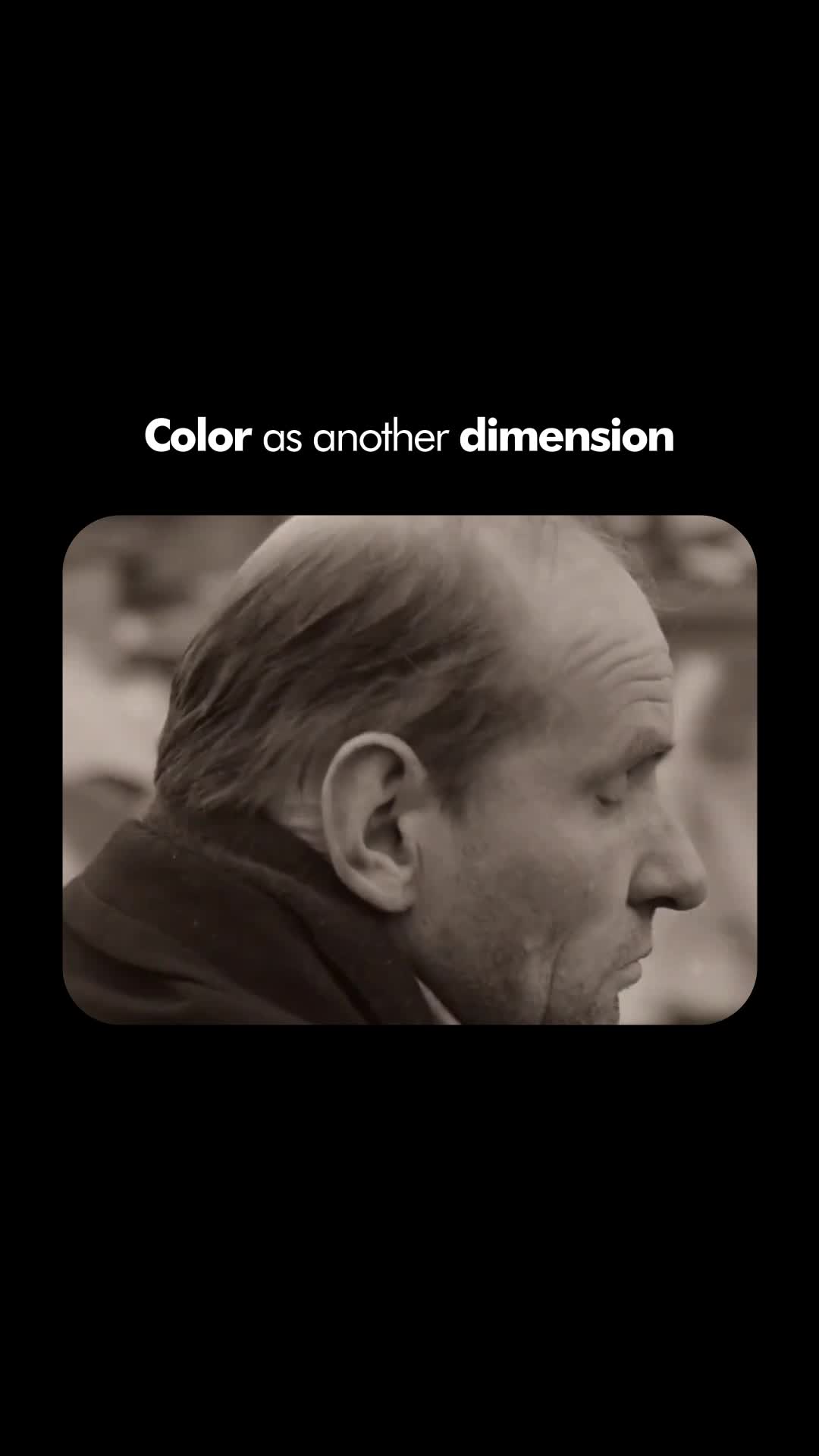
What modern filmmakers study in the film is its absolute command of visual geography. The narrative mechanics rely on a stark binary color system. Outside the Zone, the world is rendered in a heavy, monochrome sepia tint. It depicts an industrial wasteland of decaying metal and dreary domestic spaces. The camera captures a suffocating existence where human ambitions are trapped by socio-political decay. The shift occurs when the central characters cross the military border into the forbidden Zone on a motorized railway trolley.
As the trio enters the Zone, Knyazhinsky transitions the visual space into lush, saturated color. There is no sudden montage or optical edit to mark the boundary. Instead, the camera uses long tracking shots to let nature slowly fill the frame. Green grass, running water, and decaying military machinery overtake the screen. The shot lengths average several minutes without a single cut, forcing the viewer to recalibrate their relationship with cinematic time. The visual grammar establishes that physical laws have changed long before the dialogue confirms it.
The Blueprint for Modern Art-House Science Fiction
Coverage by Sight and Sound and retrospective analysis from IndieWire consistently place the title among the most influential films ever made. Modern auteurs from Alex Garland to Denis Villeneuve have drawn heavily from its environmental storytelling. Rather than relying on elaborate visual effects or constructed studio sets, the production generated tension through texture, natural light, and hypnotic sound design. Composer Eduard Artemyev mixed early electronic synthesizers with acoustic field recordings, amplifying the dread of every wet concrete corridor.
The enduring commercial and artistic legacy of the film proves that quiet contemplation can outperform loud spectacle in the long tail of cinema history. Decades after its chaotic production, Tarkovsky’s vision remains a testament to absolute directorial control. Studios spend hundreds of millions trying to build immersive worlds with green screens, yet a four-decade-old Soviet film achieves greater atmosphere using water, mud, and a single roll of color stock.
Related reading: Stalker (Criterion Blu-ray).