Occupy Cinema › Film News
Beyond the Expiration Date: How Classic Sci-Fi Got the Mood Right and the Tech Wrong
From Blade Runner to Strange Days, the target years of speculative cinema have come and gone, proving filmmakers are better sociologists than engineers.
By Occupy Cinema ·
The expiration dates of classic science fiction cinema have quietly arrived and passed. From the November 2019 setting of Ridley Scott's neon noir to the Y2K precipice of Kathryn Bigelow's apocalyptic thrillers, the future promised by twentieth century visionary directors is officially in our rear-view mirror. Studying these expired deadlines reveals a consistent pattern in speculative genre filmmaking. Directors rarely predict hardware correctly, but they diagnose social anxieties and spiritual shifts with disturbing precision.
Look at the technical production of Ridley Scott's 1982 masterpiece Blade Runner. The visual landscape was constructed with physical miniatures, visual effects supervised by Douglas Trumbull, and low-key atmospheric lighting shot on 35mm film stock by cinematographer Jordan Cronenweth. It imagined flying Spinner vehicles navigating a smog-choked, rain-slicked Los Angeles in late 2019. The flying cars never materialized, but the film accurately captured a suffocating urban landscape dominated by massive digital advertisements, corporate monoliths, and ecological fatigue. The atmosphere felt like a warning that eventually materialized into daily modern life.
Predictive Failures and Atmospheric Triumphs
In 1995, Lightstorm Entertainment and 20th Century Fox released Kathryn Bigelow's kinetic sci-fi thriller Strange Days, written by James Cameron and Jay Cocks. The picture utilized custom point-of-view camera rigs to simulate SQUID headsets, which were digital devices capable of recording human sensory memory directly from the cerebral cortex. The physical apparatus in the narrative was clunky, relying on mini-discs and cyber-headgear. Yet the psychological climate of the film, which grossed a modest $8 million against its ambitious production budget, nailed the modern obsession with algorithmic surveillance, viral footage, and digital voyeurism. Trade coverage in outlets like The Hollywood Reporter often tracks how speculative genre works age, and Bigelow's visual rhythm feels remarkably contemporary.
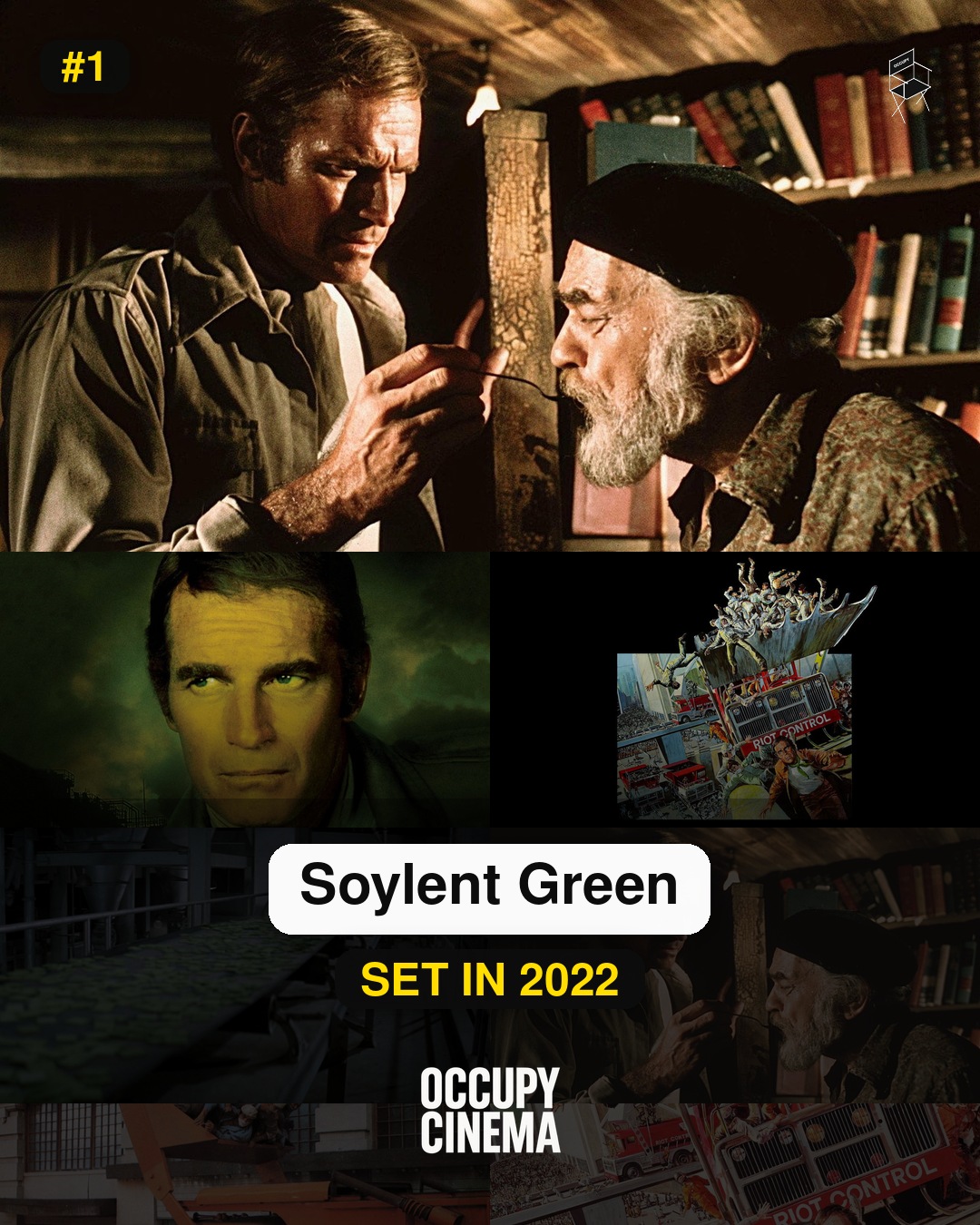
Anime milestone Akira, directed by Katsuhiro Otomo in 1988, set its apocalyptic story in a rebuilt Neo-Tokyo after a disaster in 1988, setting its climax in 2019. Otomo designed complex hand-drawn animation frames, pushing Japan's cel animation budget limits to historic levels. He missed on the specific mechanics of psychic telekinesis, but he captured the political instability, youth alienation, and militarized police states that define high-density modern metropolises. Similarly, Richard Fleischer's 1973 eco-dystopia Soylent Green placed a catastrophic heatwave and resource collapse in the year 2022. The physical manufacturing process depicted in the story was pulpy speculative fiction, but the relentless rising global temperatures and extreme wealth gap mirror contemporary climate reports documented by outlets like The Guardian.
The Screen-Centric Reality
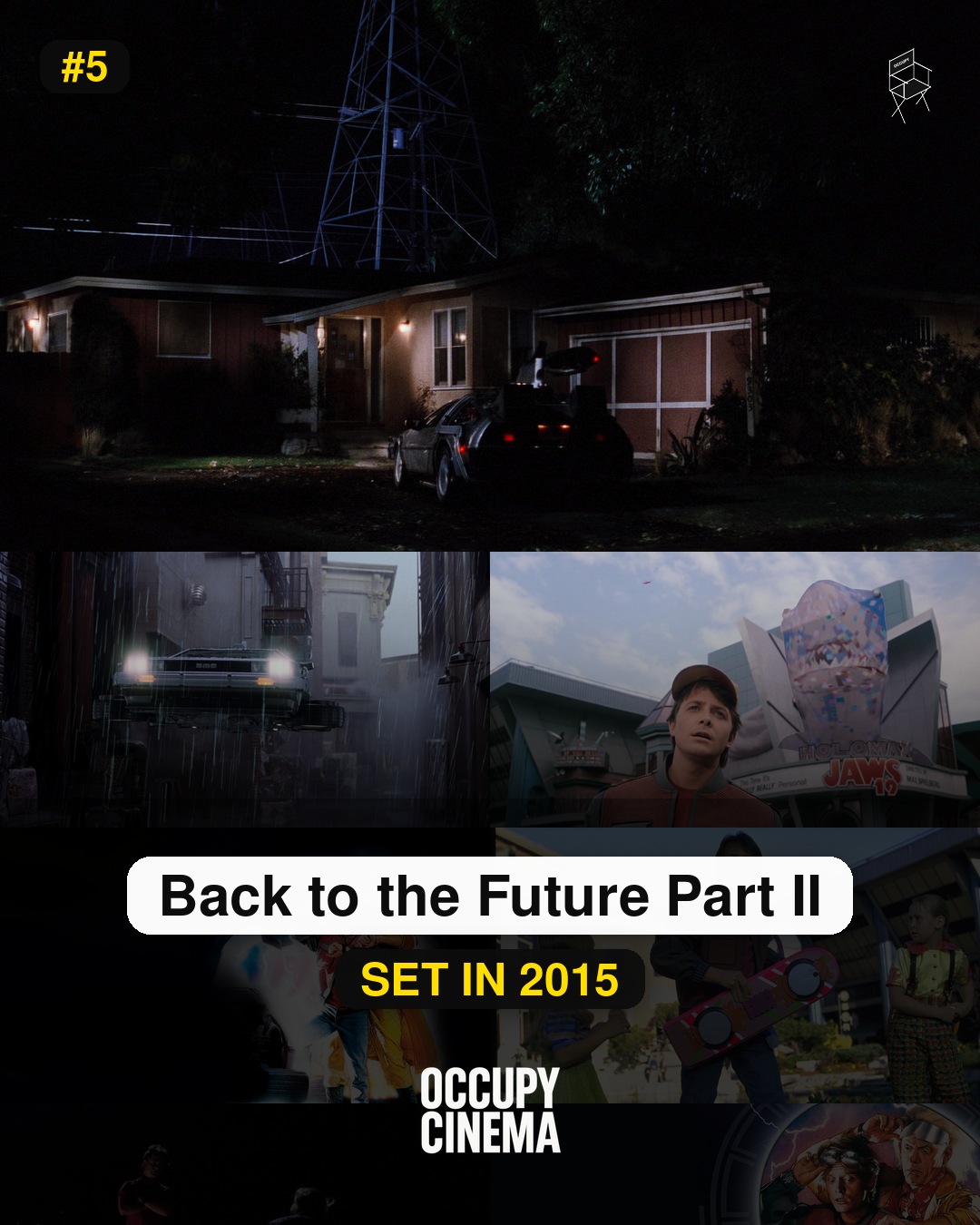
Even lighter studio fare made razor-sharp observations beneath absurd physical predictions. Universal Pictures and director Robert Zemeckis brought Back to the Future Part II to theaters in 1989. Audiences fixated on hoverboards and flying DeLoreans, technology that remains entirely absent from consumer markets. However, Zemeckis accurately predicted wall-mounted flat screens, multi-channel video displays, hands-free video gaming, and wearable communications gear. The production design prioritized consumer saturation over realistic physics, inadvertently drafting the blueprint of the modern smart home.
Sci-fi cinema has never truly functioned as a blueprint for engineering firms or tech incubators. It operates as an emotional barometer for the era in which it was created. When screenwriters and directors project forward thirty or forty years, they are not reading technical schematics; they are reading the underlying anxieties of their own present moment. As these fictional milestone years fade into real-world history, the legacy of speculative cinema resides firmly in its mood rather than its machinery.




Related reading: Production Design for Screen.