Occupy Cinema › Business
The Lost Economics of the 2000s Girlhood Blockbuster
Between 2000 and 2008, mid-budget movies for young women were Hollywood's most reliable profit engine. Studio math has never quite recovered from losing them.
By Occupy Cinema ·
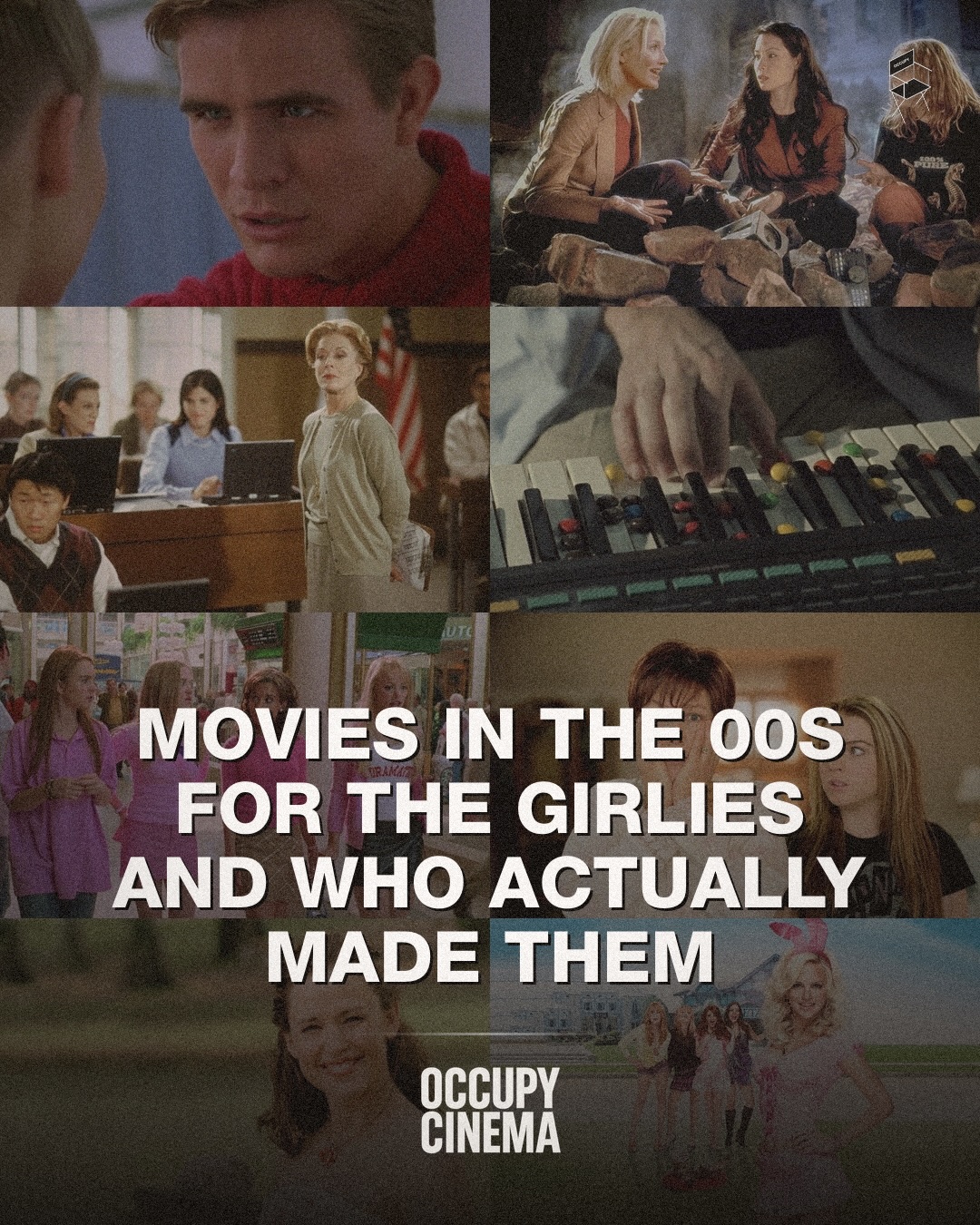
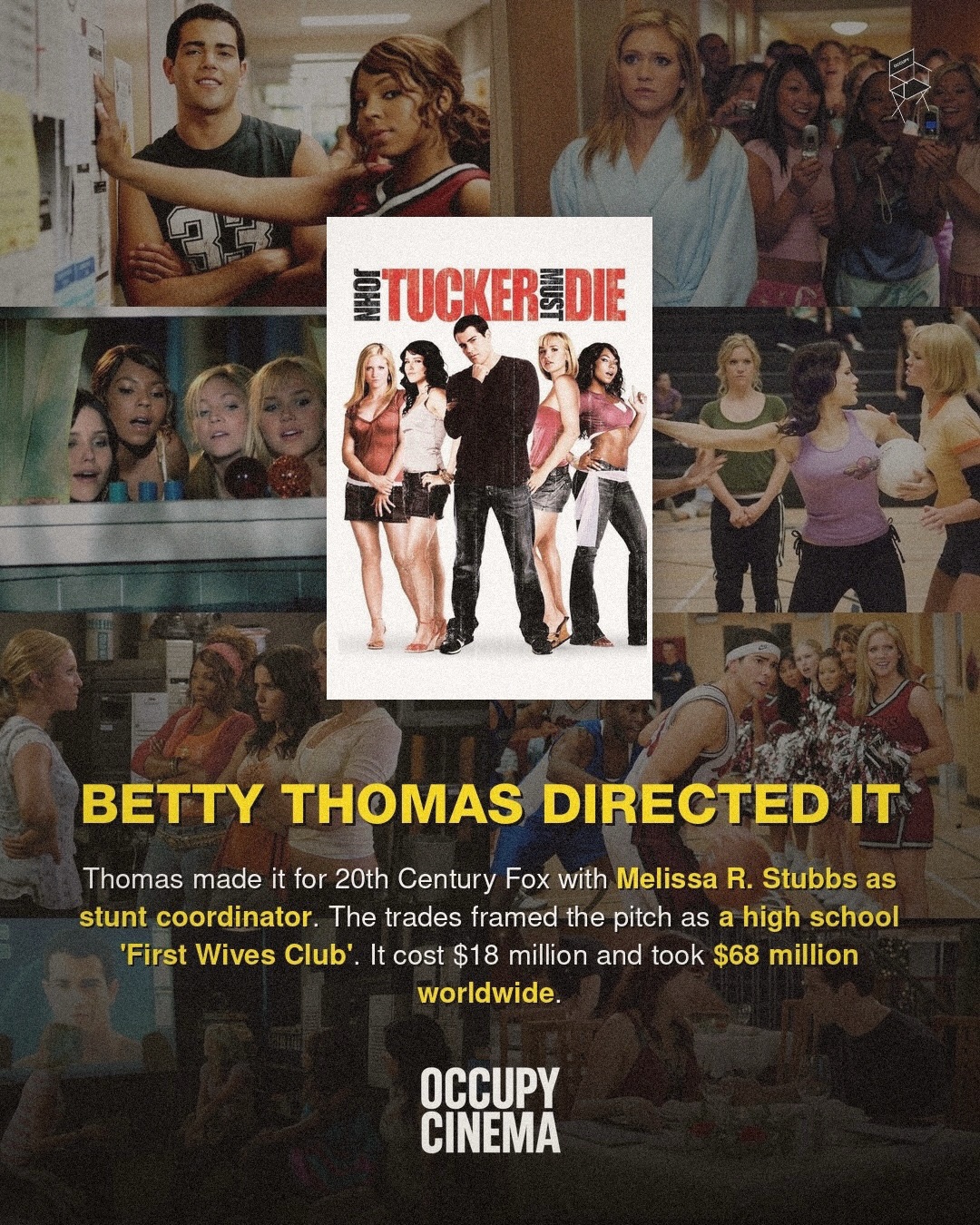
The 2000s studio model had a secret weapon that did not wear a superhero cape or require nine-figure visual effects budgets. Between 2000 and 2008, mid-budget comedies and coming-of-age narratives aimed directly at young women were among the highest-margin bets in Hollywood. They routinely cost under $30 million to produce, dominated the domestic theatrical charts, and yielded extraordinary returns once physical media revenue entered the ledger. For nearly a decade, the demographic was the undisputed foundation of studio profitability.
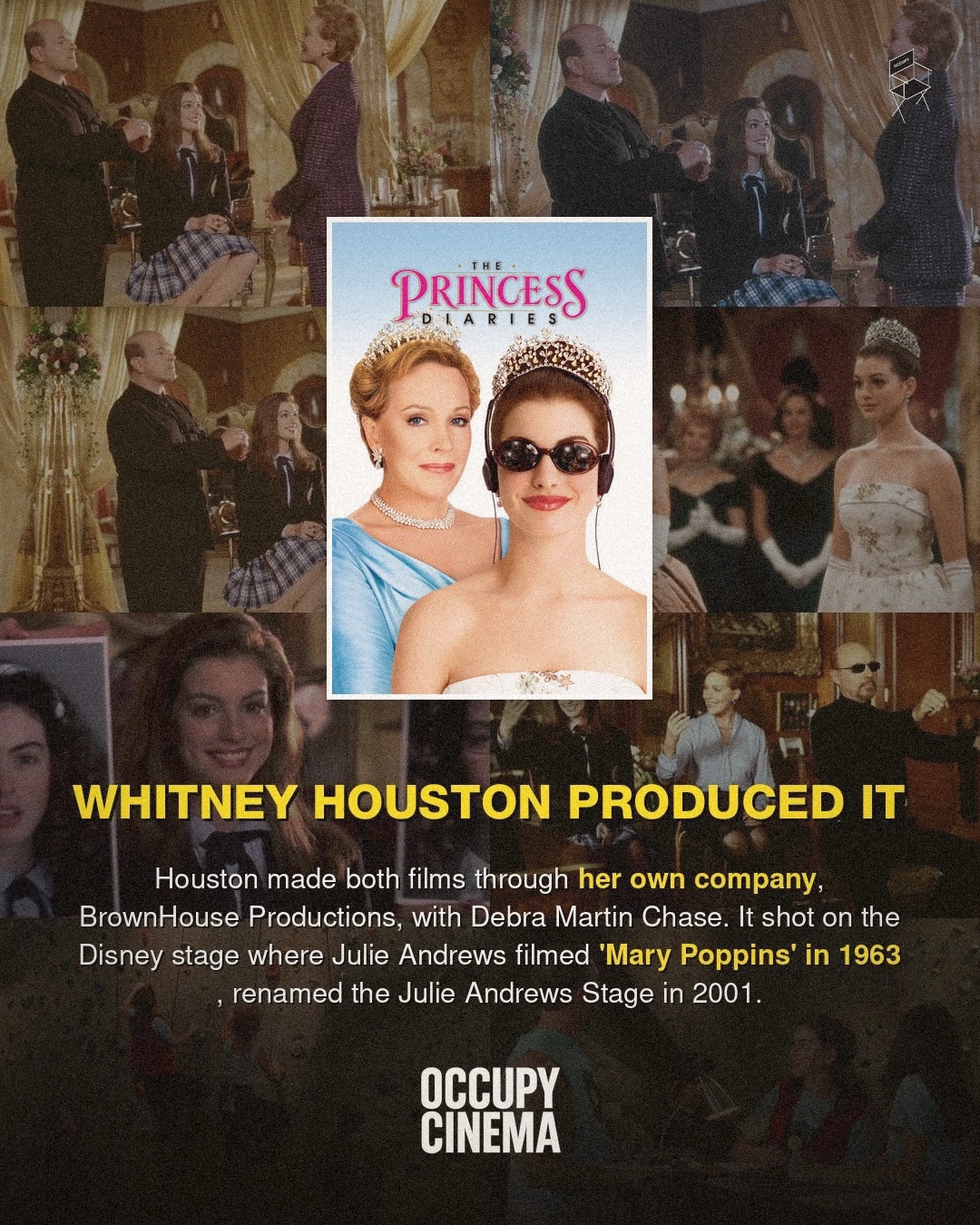
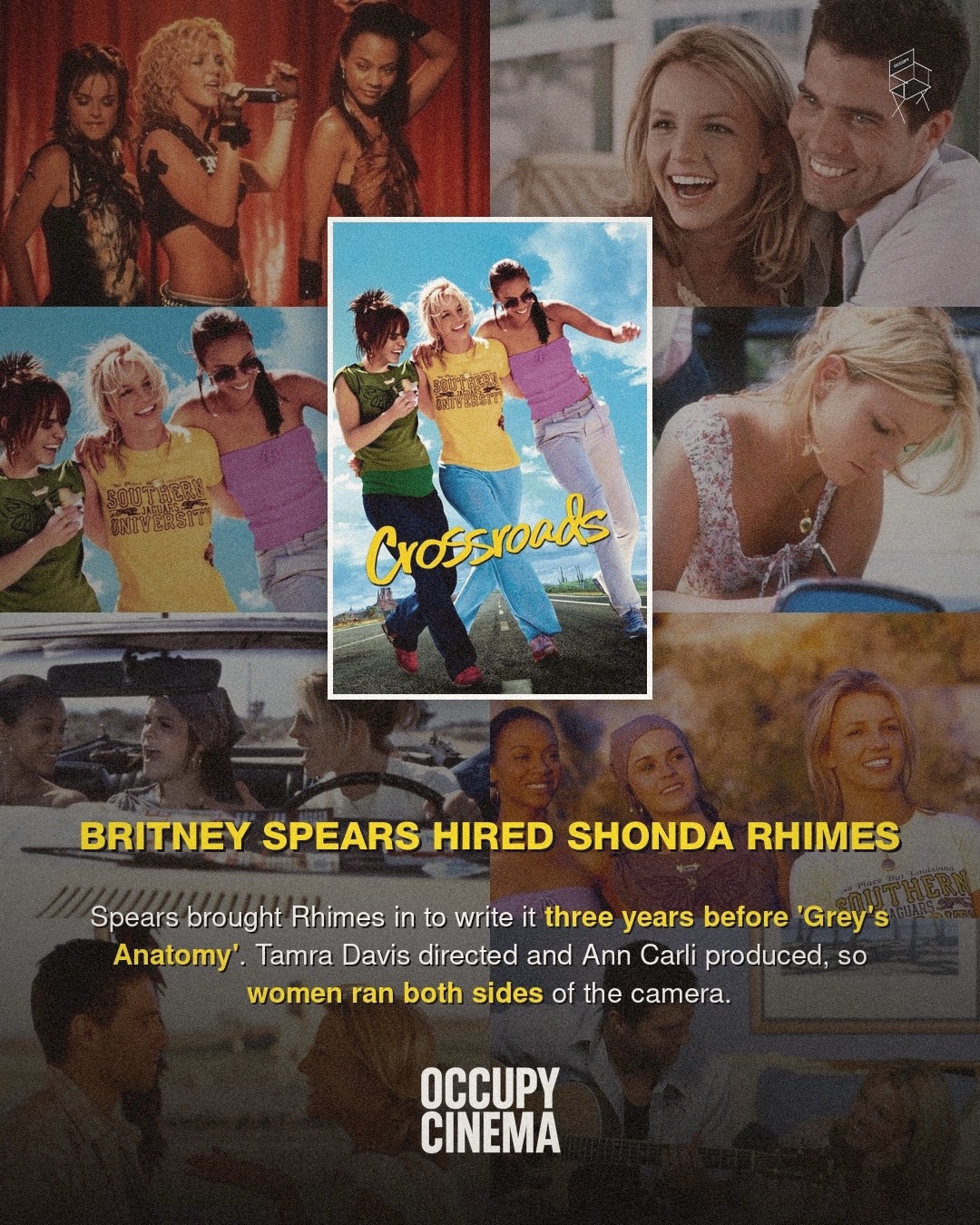
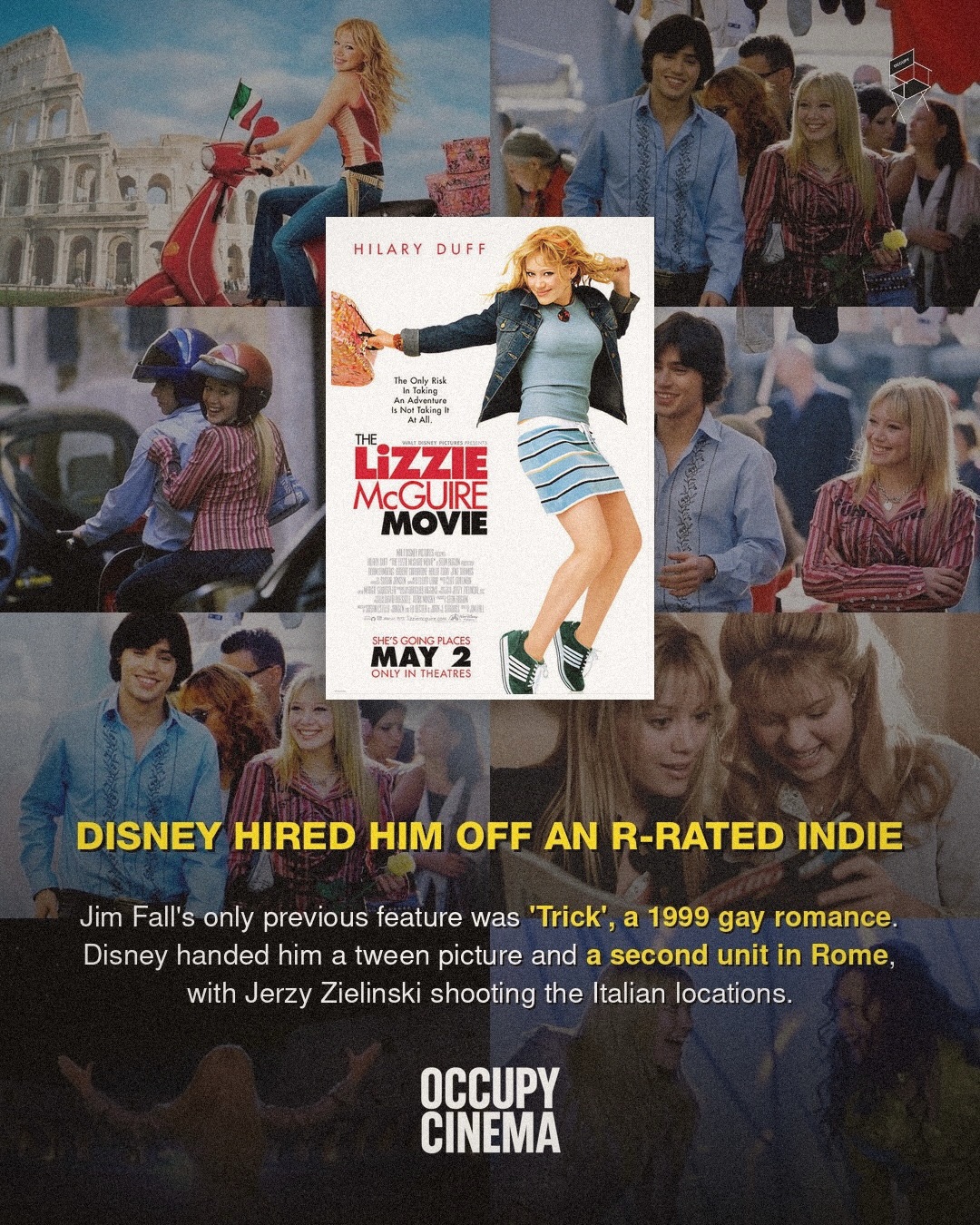
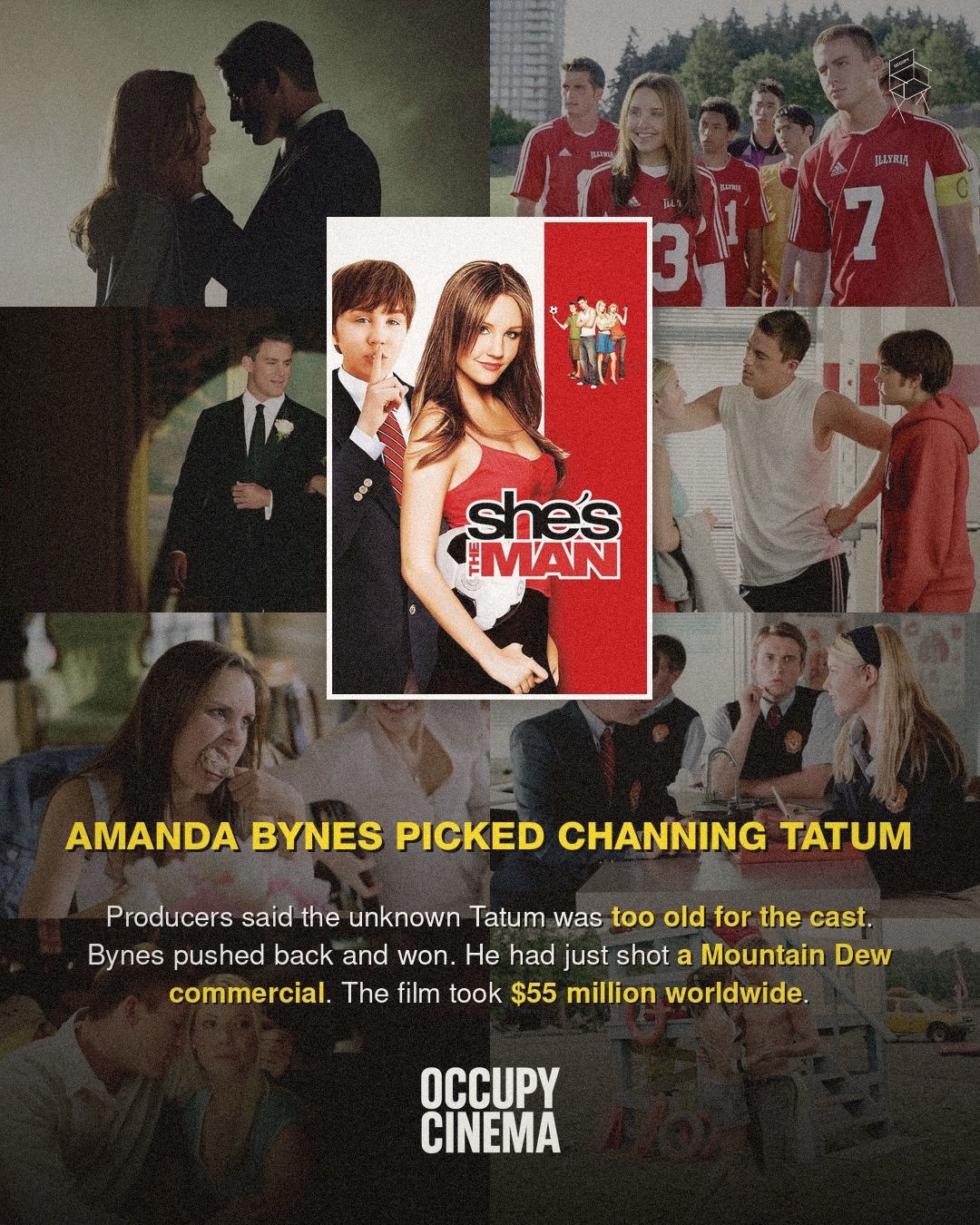
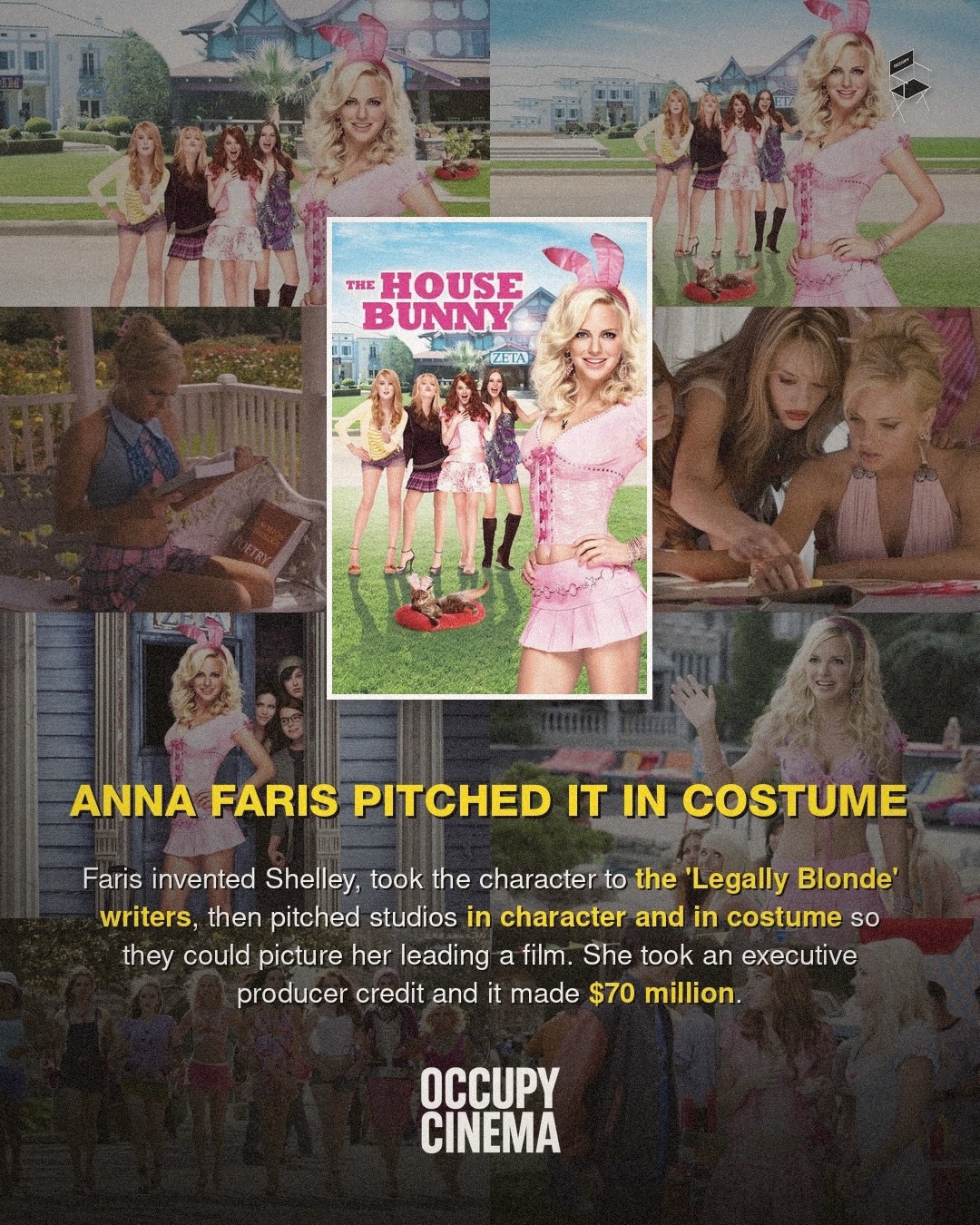
These pictures were rarely passive corporate assignments handed down from executive suites. Instead, they were frequently steered by women leveraging newfound industry leverage. Whitney Houston backed The Princess Diaries through BrownHouse Productions, hiring director Garry Marshall and launching Anne Hathaway into instant stardom. Britney Spears personally selected then-emerging television writer Shonda Rhimes to script Crossroads, directed by Tamra Davis. Anna Faris developed the original concept for The House Bunny, actively pitching the story to production heads across Los Angeles while remaining in character.
The Studio Math of the Mid-Budget Star
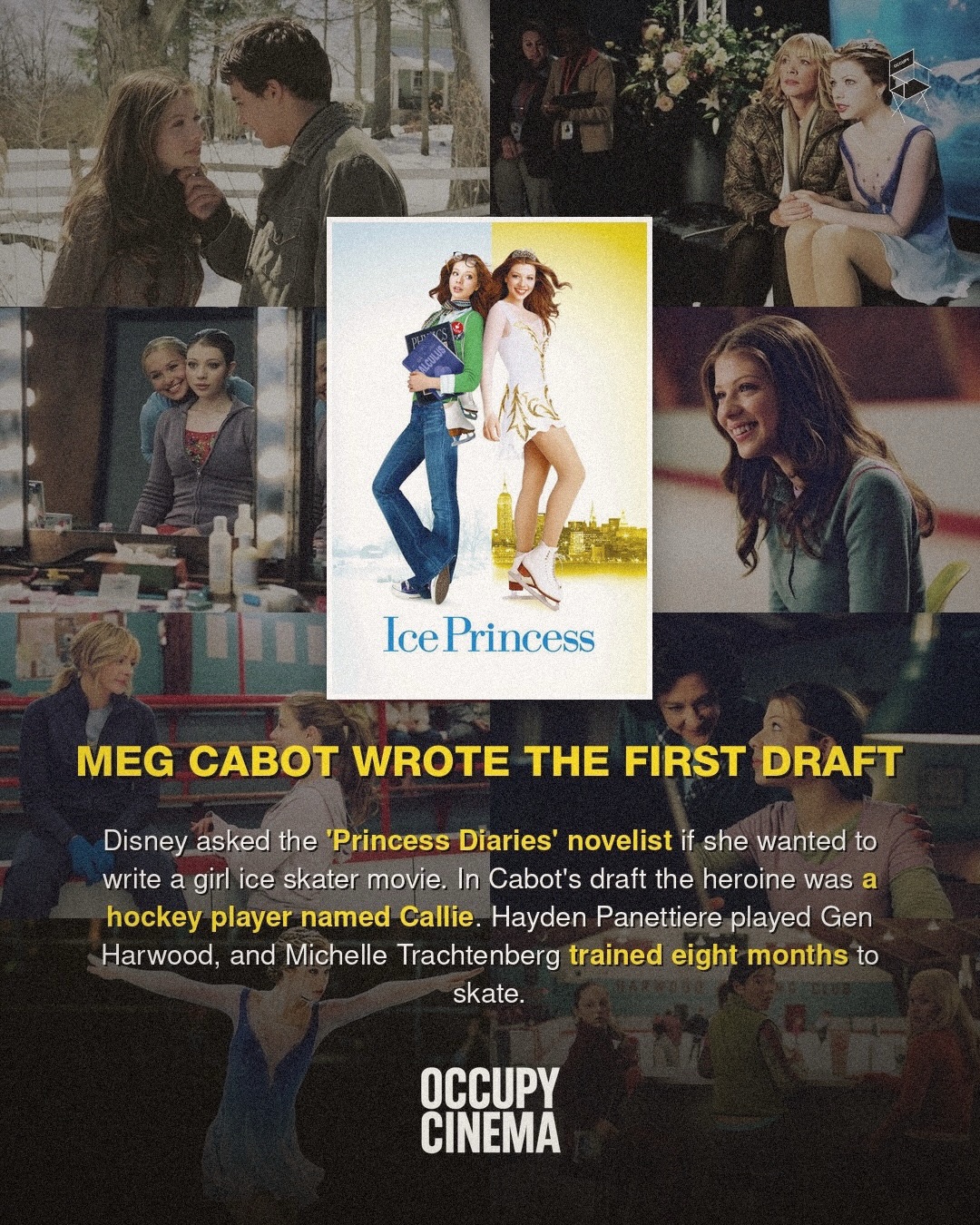
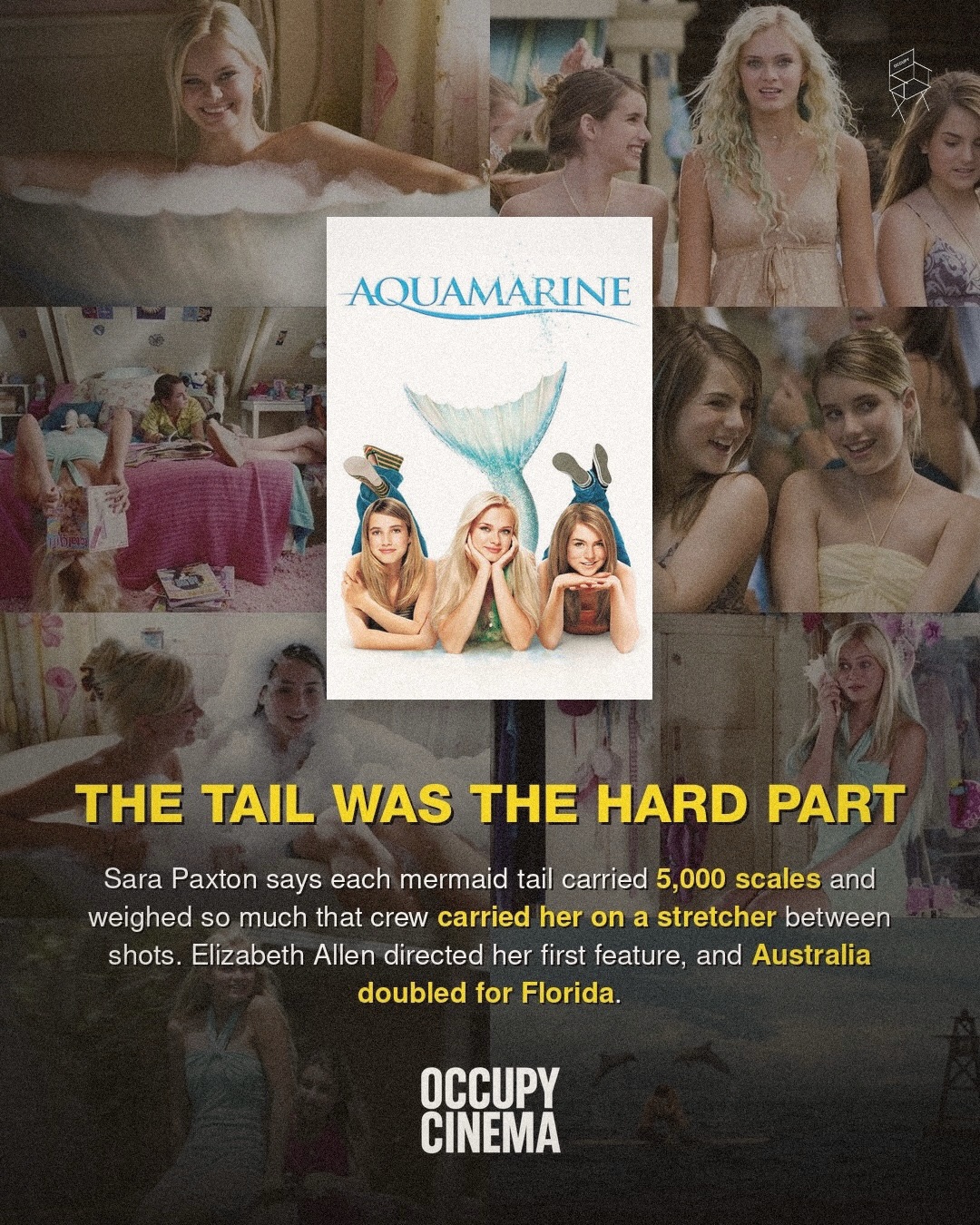
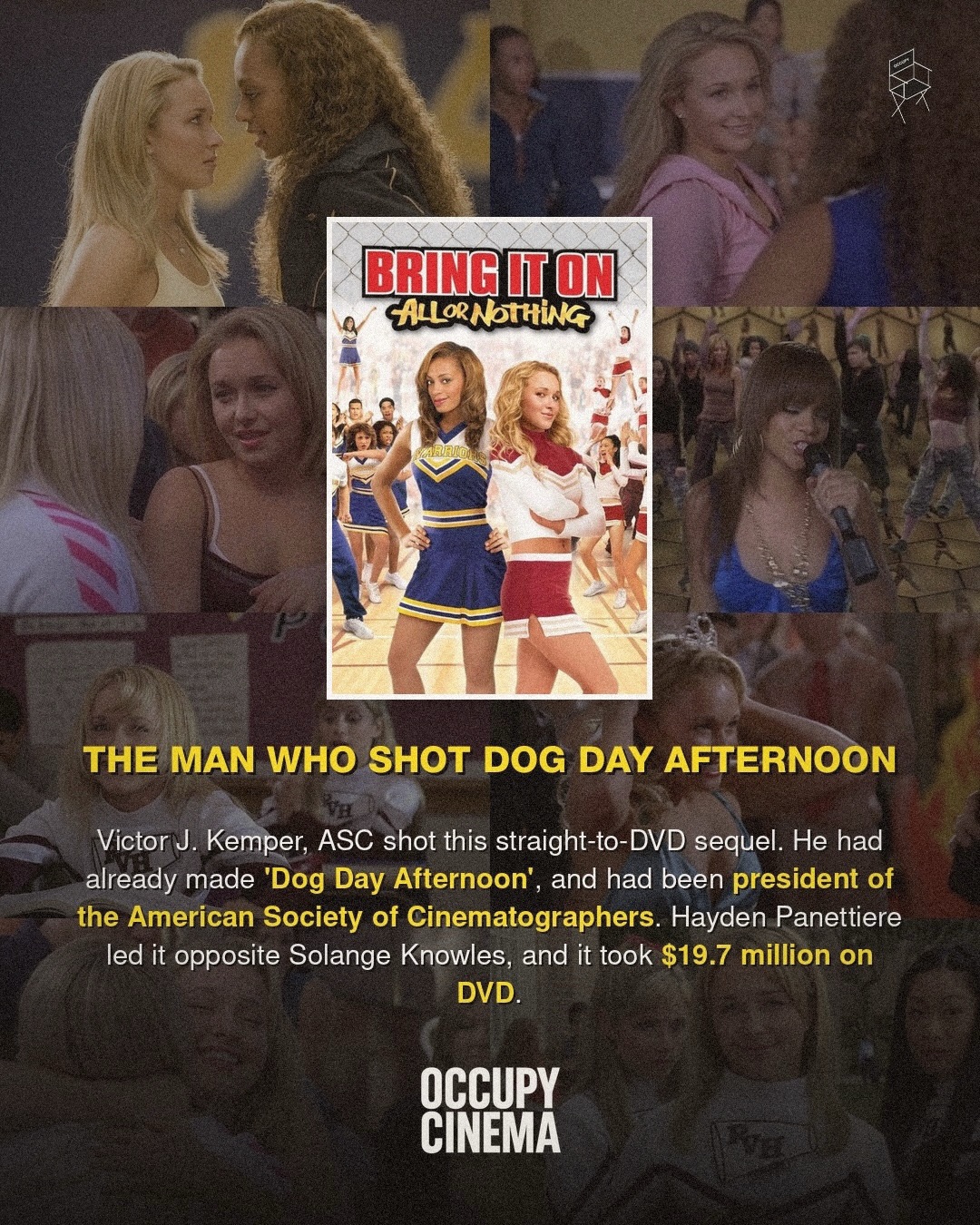
This ecosystem created a reliable pipeline for young talent. Actors like Hayden Panettiere, Lindsay Lohan, and Amanda Bynes were not treated as secondary casting choices; they were the commercial engine. Projects such as Ice Princess and the widely consumed direct-to-video franchise extension Bring It On: All or Nothing kept studio production slates active year-round. These films were lean, shot on 35mm film with economical shooting schedules, and structured around sharp comedic timing and relatable emotional stakes rather than sprawling world-building.
What transformed these films from solid theatrical performers into financial juggernauts was the home video market. According to historical reporting on theatrical box office returns and home entertainment revenues, DVD sales in the early to mid-2000s often matched or exceeded a movie's entire domestic gross. A comedy that earned $40 million in theaters could generate an additional $50 million on retail shelves at Target and Best Buy. The downside risk for distributors was negligible, giving studios the financial cushion to greenlight dozens of original, character-driven concepts every fiscal quarter.
Why the Engine Stalled
The entire structure disintegrated when physical media collapsed after the 2008 financial crisis. As home entertainment revenue plummeted, major studios shifted their strategies entirely toward global, four-quadrant franchise intellectual property. The mid-budget theatrical space, typically budgeted between $15 million and $45 million, was effectively erased from studio balance sheets. Female-driven stories were largely pushed onto basic cable, teen television networks, or eventually, the algorithmic content mills of subscription streaming platforms.
The disappearance of these theatrical mid-budget pictures left a persistent structural hole in film culture. Recent box office anomalies have proven that young female audiences still turn out en masse when theatrical distribution treats them as a primary demographic rather than an afterthought. The legacy of the 2000s girlhood movie is not merely a nostalgic archive of fashion and pop soundtracks. It stands as concrete proof that Hollywood thrives when it trusts focused, mid-budget cinema targeted at audiences who actually buy tickets.


Related reading: S.F.W. 1994 Film.