Occupy Cinema › Exhibition
Glendale's Alex Theatre Returns to First-Run, 70mm Reigns Supreme
A historic Los Angeles-area theater, dormant for decades in the first-run circuit, has reopened its doors with state-of-the-art 35mm and 70mm projection, signaling a renewed commitment to photochemical exhibition.
By Occupy Cinema ·
The Revival of a Landmark
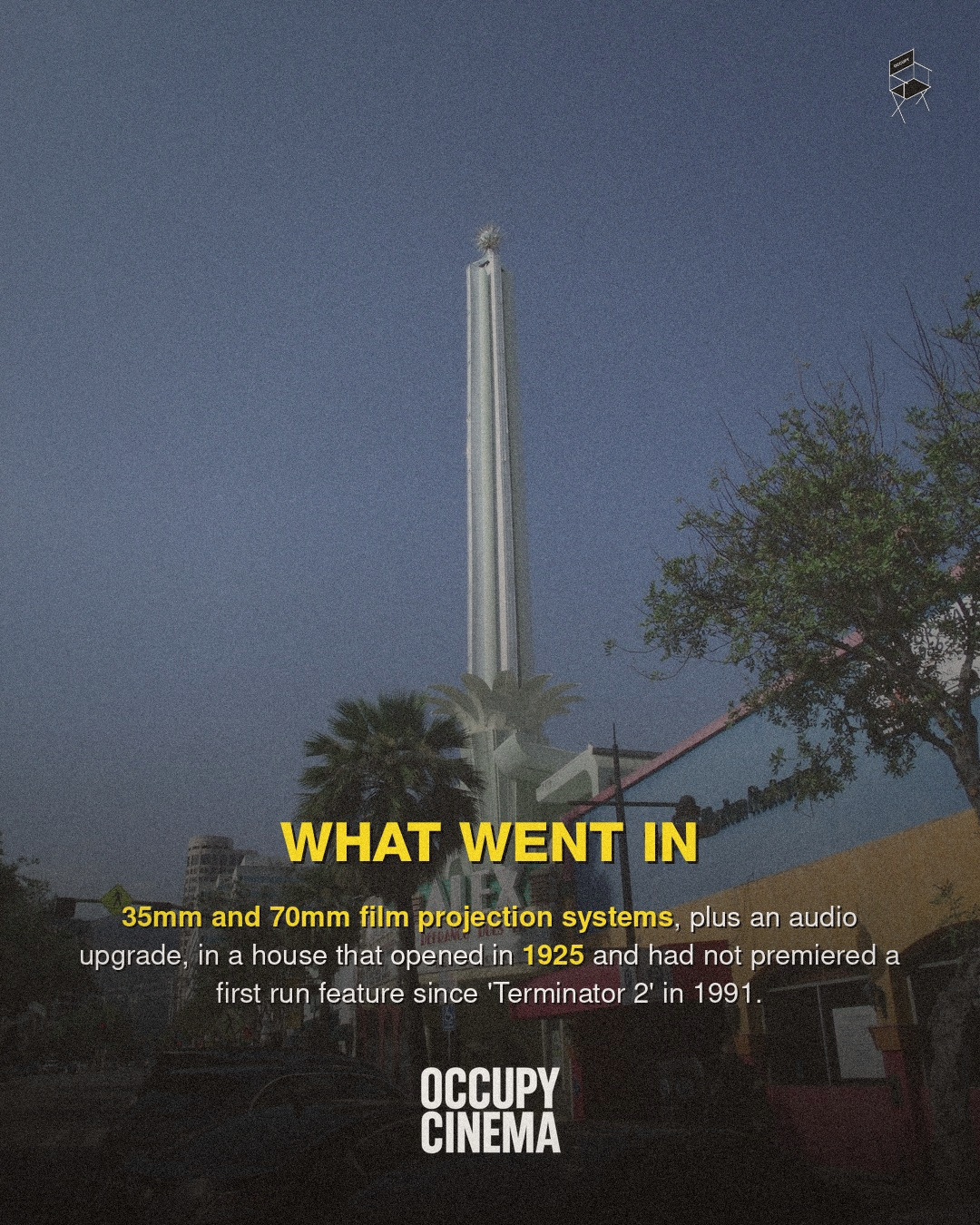
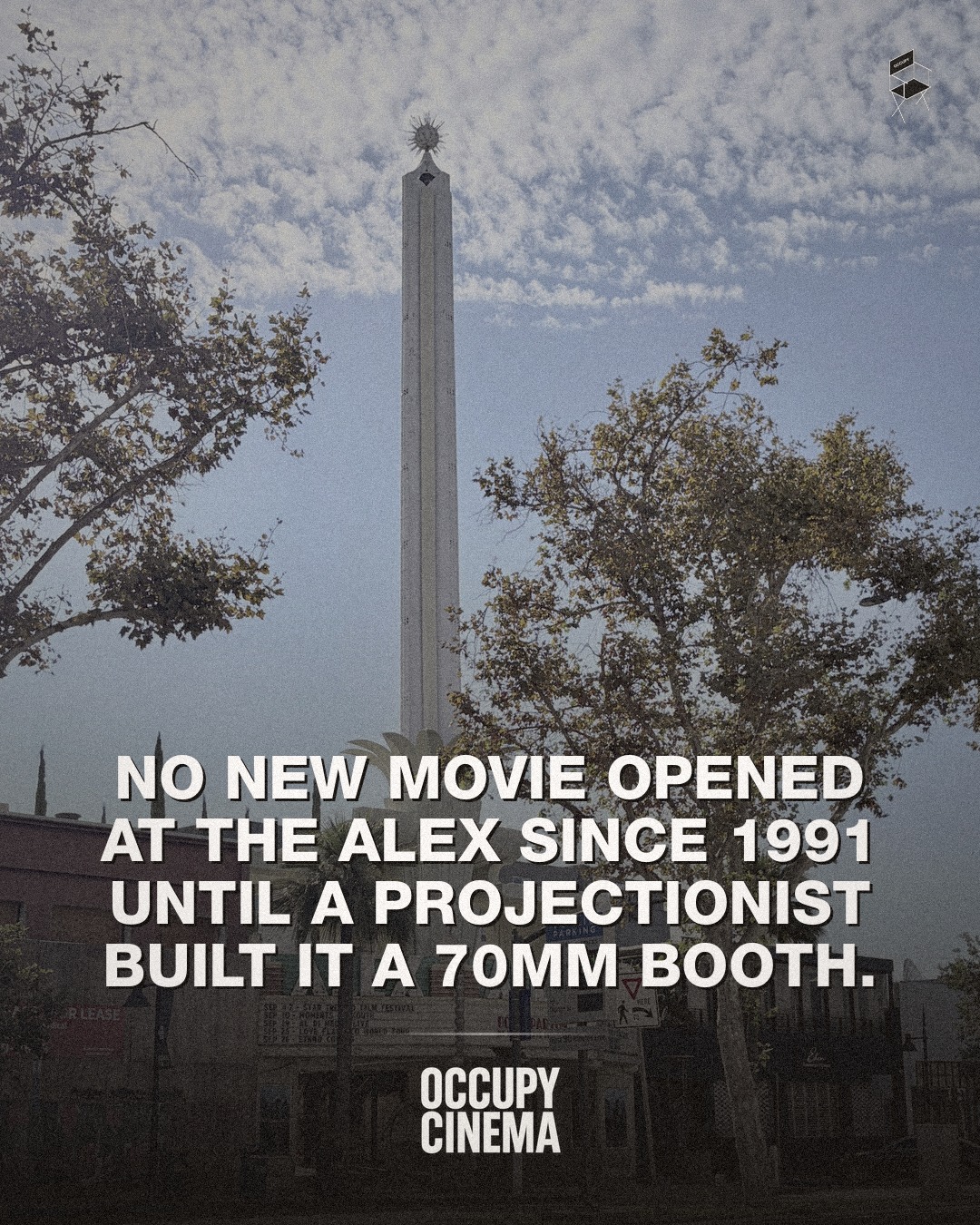
The Alex Theatre in Glendale, a venerable institution dating back to 1925, has made a triumphant return to the first-run feature film circuit. This marks a significant shift for the historic venue, which had not screened a new release since Terminator 2: Judgment Day in 1991. The theater's re-entry into the competitive exhibition landscape is predicated on a substantial investment in traditional film projection, installing both 35mm and 70mm capabilities alongside a comprehensive audio overhaul. This move, executed in 2026, positions the Alex as a rare beacon for photochemical purists in an increasingly digital world.
The decision to embrace film projection is a bold one, particularly as many cinemas continue to divest from analog equipment. However, the success of recent tentpole releases shot on film and presented in premium formats, such as Christopher Nolan's Oppenheimer, has demonstrated a clear audience appetite for the immersive experience only film can provide. The Alex Theatre's reopening with these capabilities taps directly into that proven demand, offering a unique selling proposition in the crowded Los Angeles market.
The Technical Edge and Market Impact
Central to the Alex Theatre's technical renaissance was the expertise of Los Angeles projectionist Taylor Umphenour. Known for his work as an IMAX consultant and his collaboration with directors like Christopher Nolan on dailies, Umphenour oversaw the meticulous design and installation of the new projection systems. This level of technical precision ensures that the Alex is not merely equipped for film, but optimized for it, promising an unparalleled viewing experience. The 70mm run, which commenced on July 17 and extended through August 20, served as the grand re-introduction, showcasing the theater's commitment to the format.
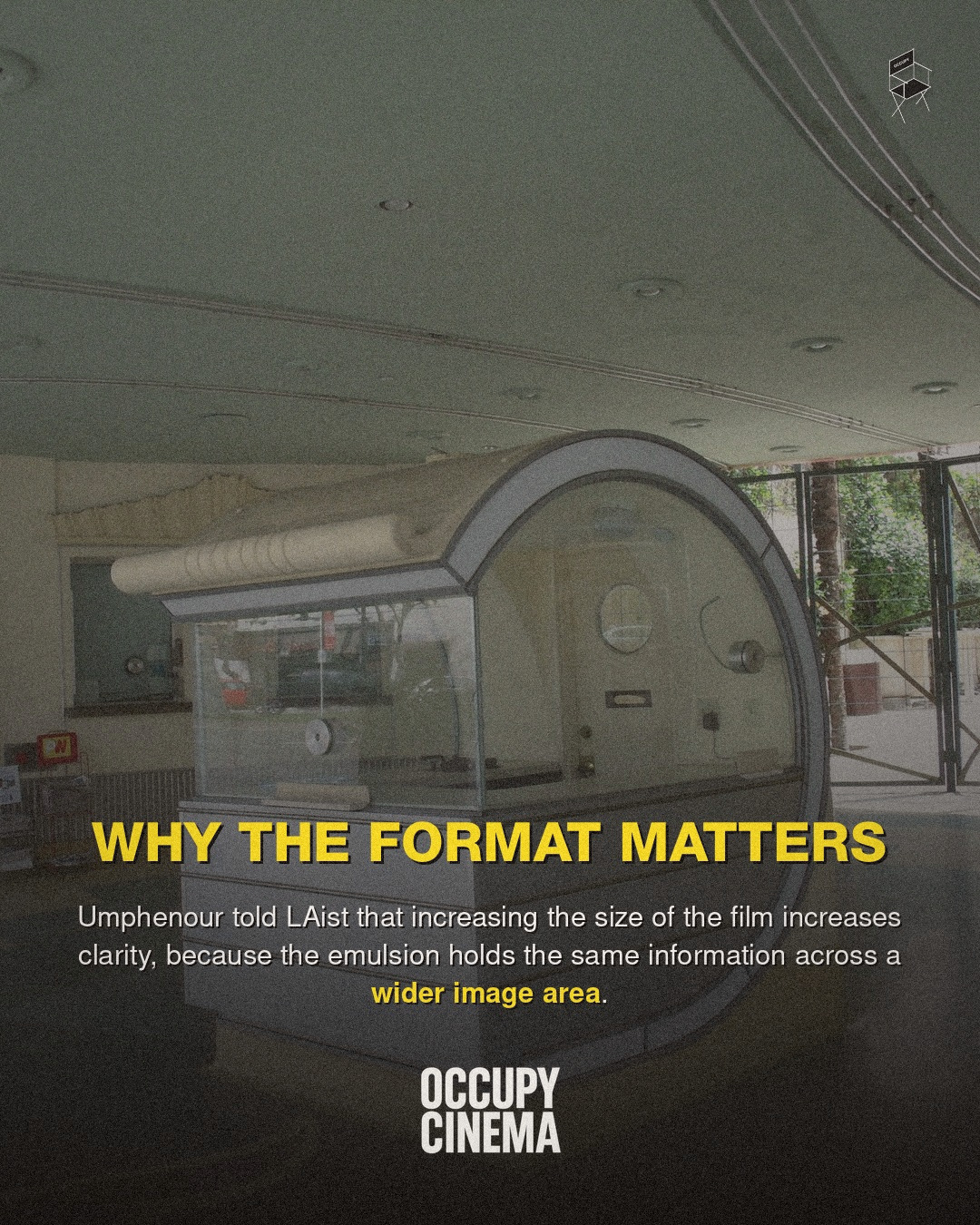
The investment in these specific formats is not merely nostalgic, it is strategic. While digital cinema offers convenience and cost savings, the high-fidelity presentation of 70mm film, with its superior resolution and depth, remains unmatched. This niche appeal allows the Alex Theatre to differentiate itself from multiplexes and even other independent cinemas. The long-term impact on local attendance and the broader exhibition landscape in Southern California could be significant, fostering a renewed interest in classic projection technologies.
The theater's choice to return with 70mm also speaks to a broader industry trend. A select group of filmmakers and cinephiles are actively advocating for the preservation and continued use of film. This movement often highlights the artistic and technical advantages of photochemical processes, from the unique grain structure to the rich color rendition. For a historic venue like the Alex, aligning with this movement offers both cultural cachet and a distinct identity.
This revitalization project is a testament to the enduring power of the theatrical experience. In an era dominated by streaming and home entertainment, venues like the Alex Theatre prove that a premium, communal viewing event still holds immense value. The ability to present films as their creators intended, utilizing the very formats that defined cinematic artistry for decades, is a powerful draw. This commitment to craft, bolstered by expert technical execution, positions the Alex Theatre as a critical player in the future of film exhibition, bridging its storied past with a vibrant future.