Occupy Cinema › Exhibition
The Vanishing Act: Projectionists and the Digital Reckoning
The numbers are stark: a 75% drop in motion picture projectionists in less than two decades. Digital conversion reshaped exhibition, leaving a critical craft on the cutting room floor.
By Occupy Cinema ·
The Human Cost of Digital Conversion
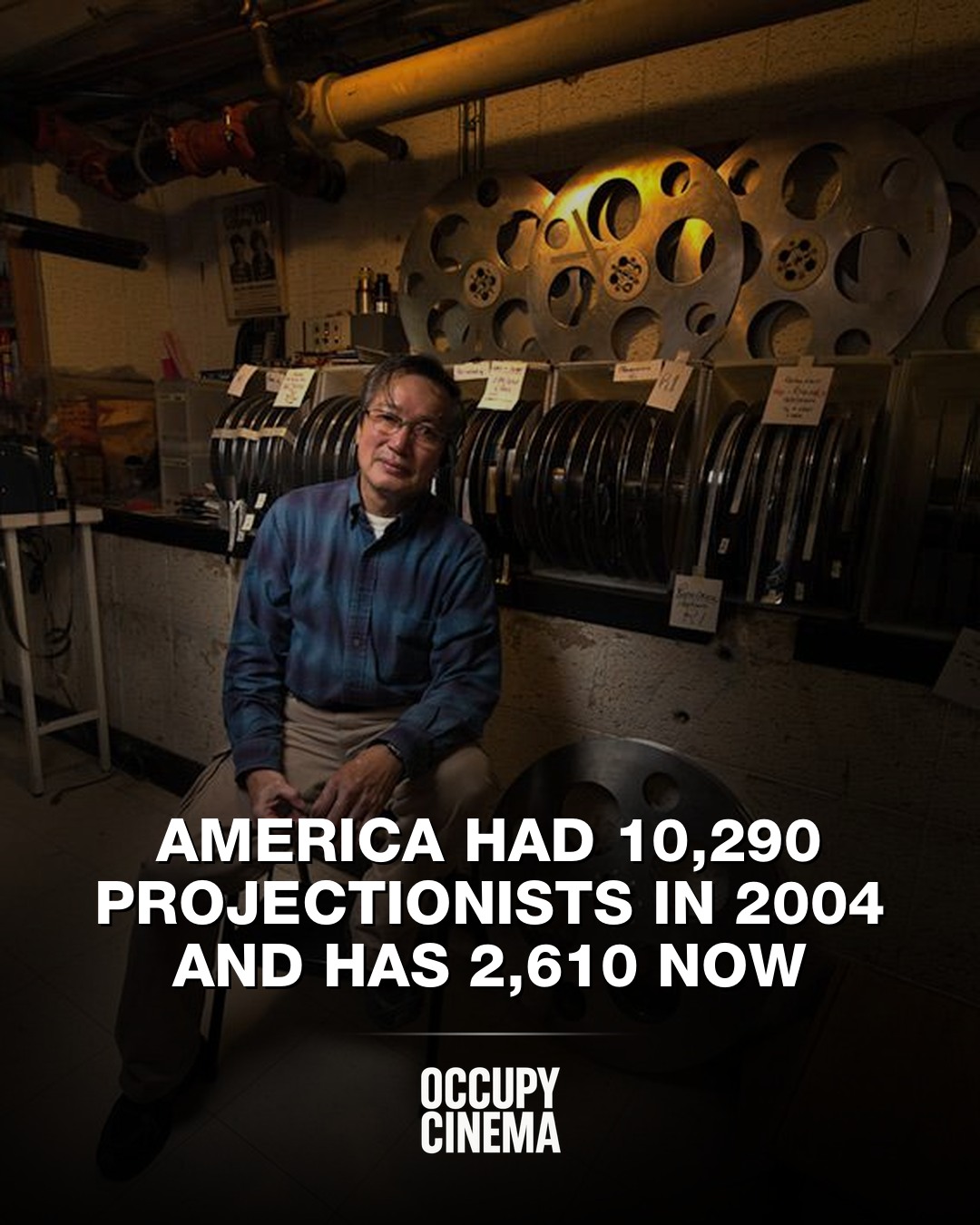
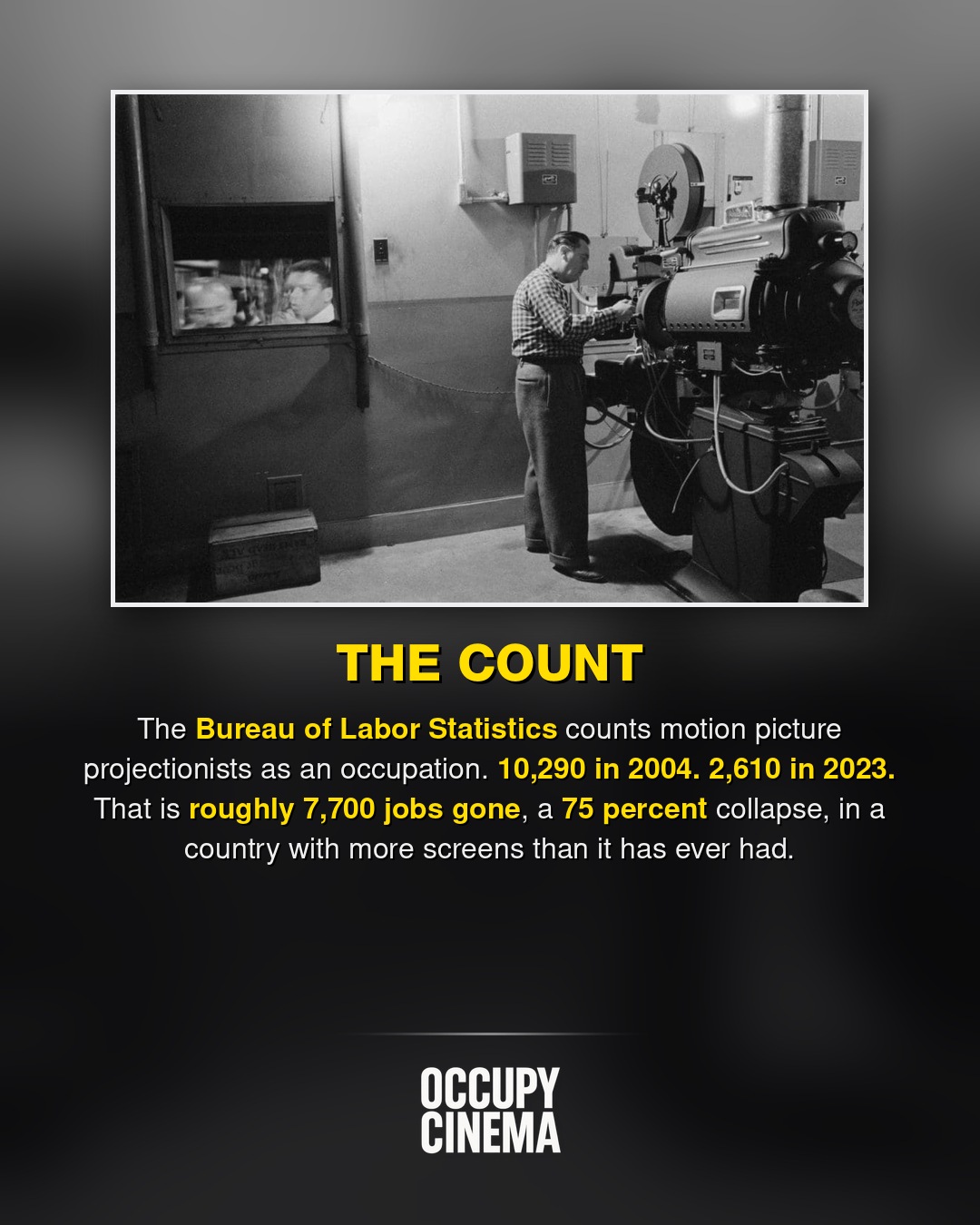
The lights are dimming on a cinematic institution. A recent analysis of Bureau of Labor Statistics data reveals a devastating decline in the ranks of motion picture projectionists in the United States. In 2004, the country counted 10,290 individuals employed in this specialized craft. By 2023, that number had plummeted to a mere 2,610. This precipitous 75% reduction in less than two decades is not merely an occupational shift, it is a seismic cultural and industrial transformation, driven by technological change and the relentless pursuit of efficiency.
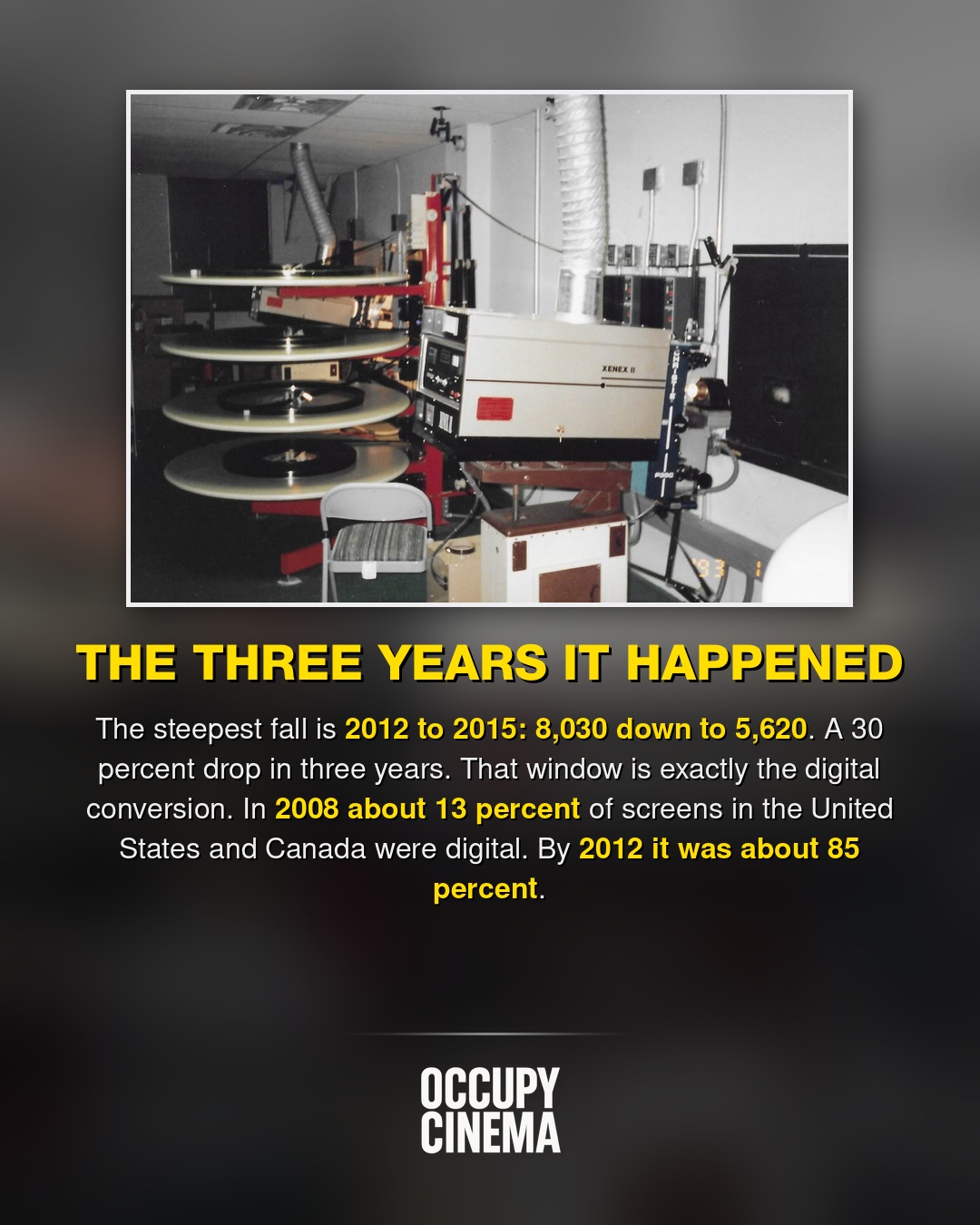
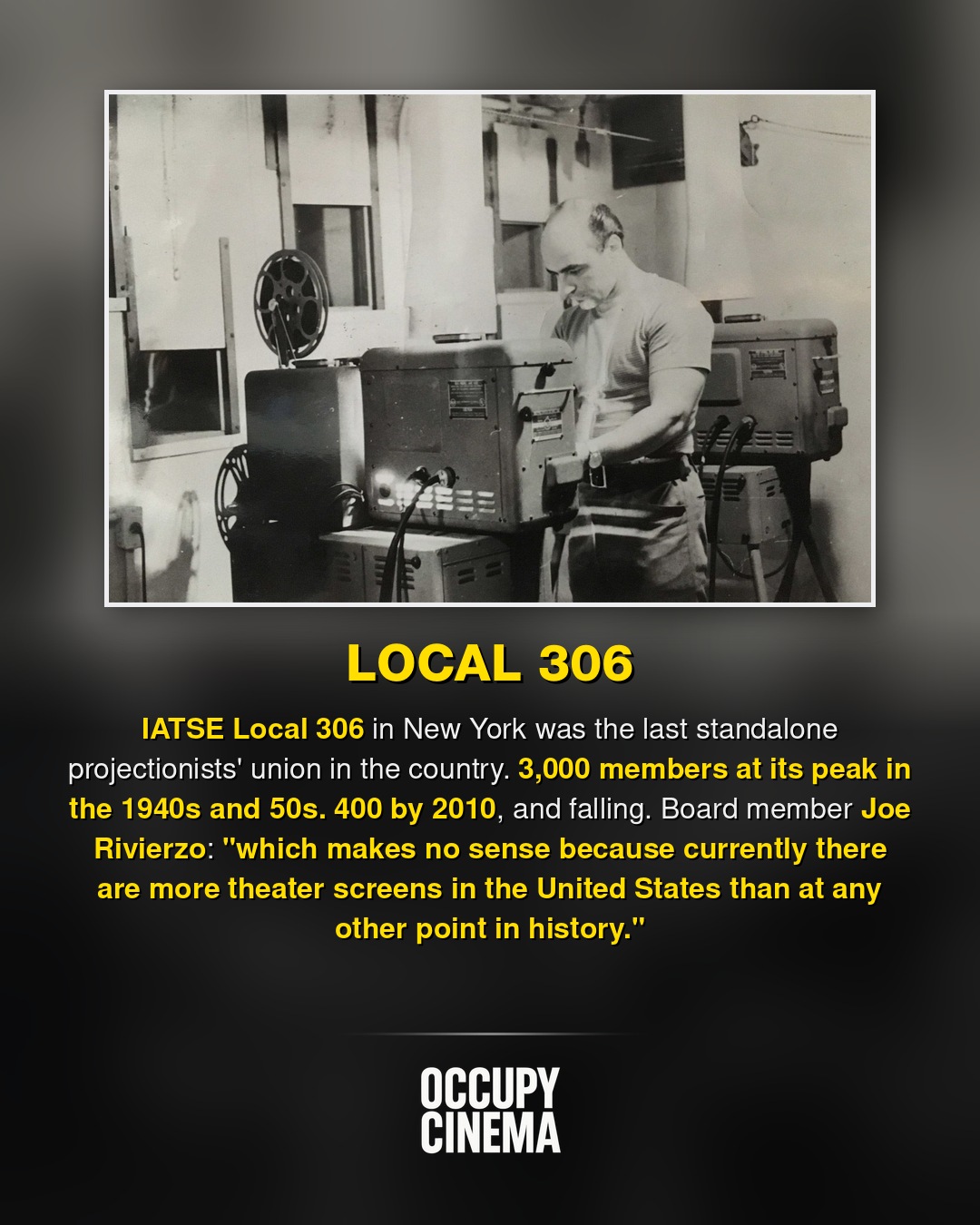
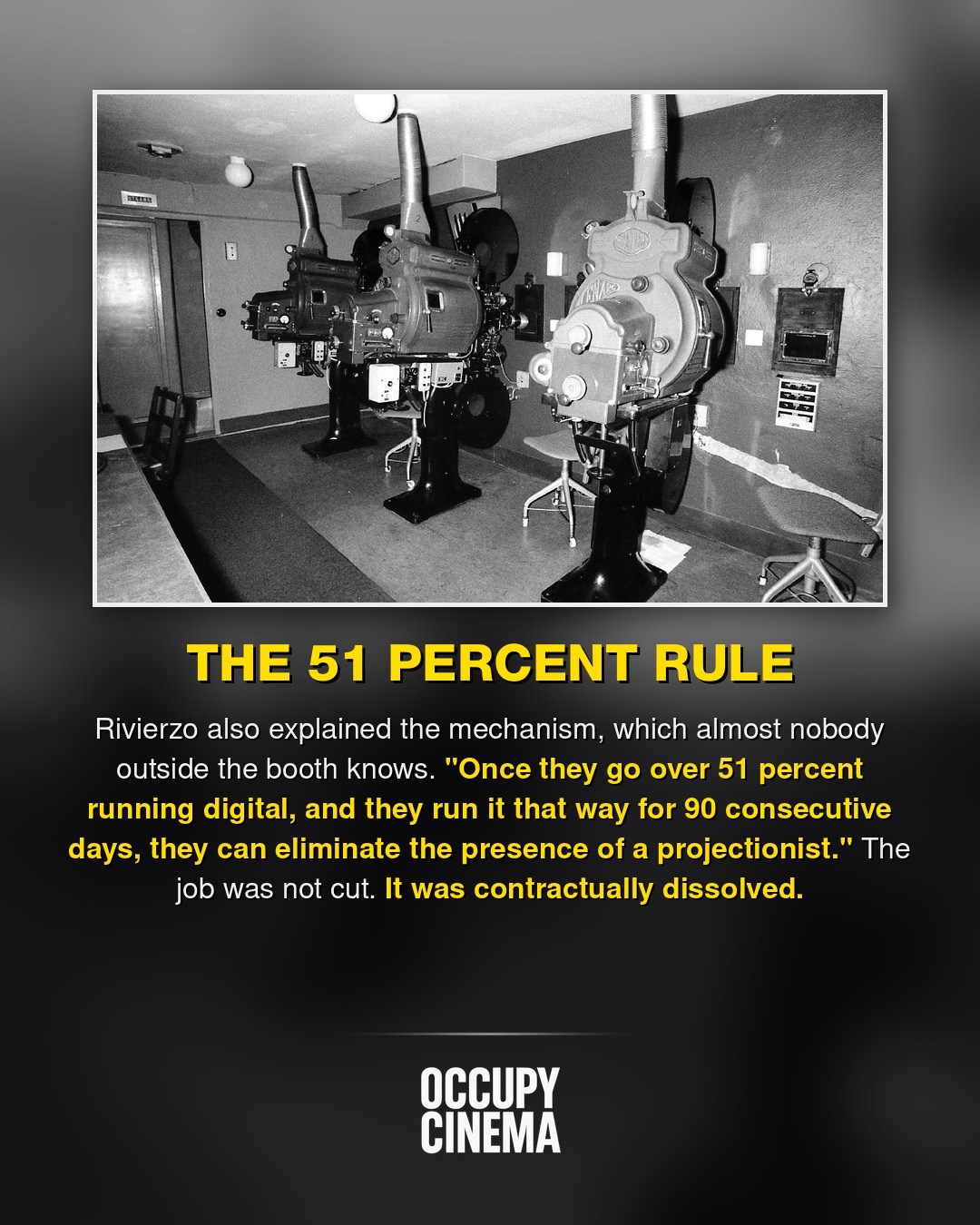
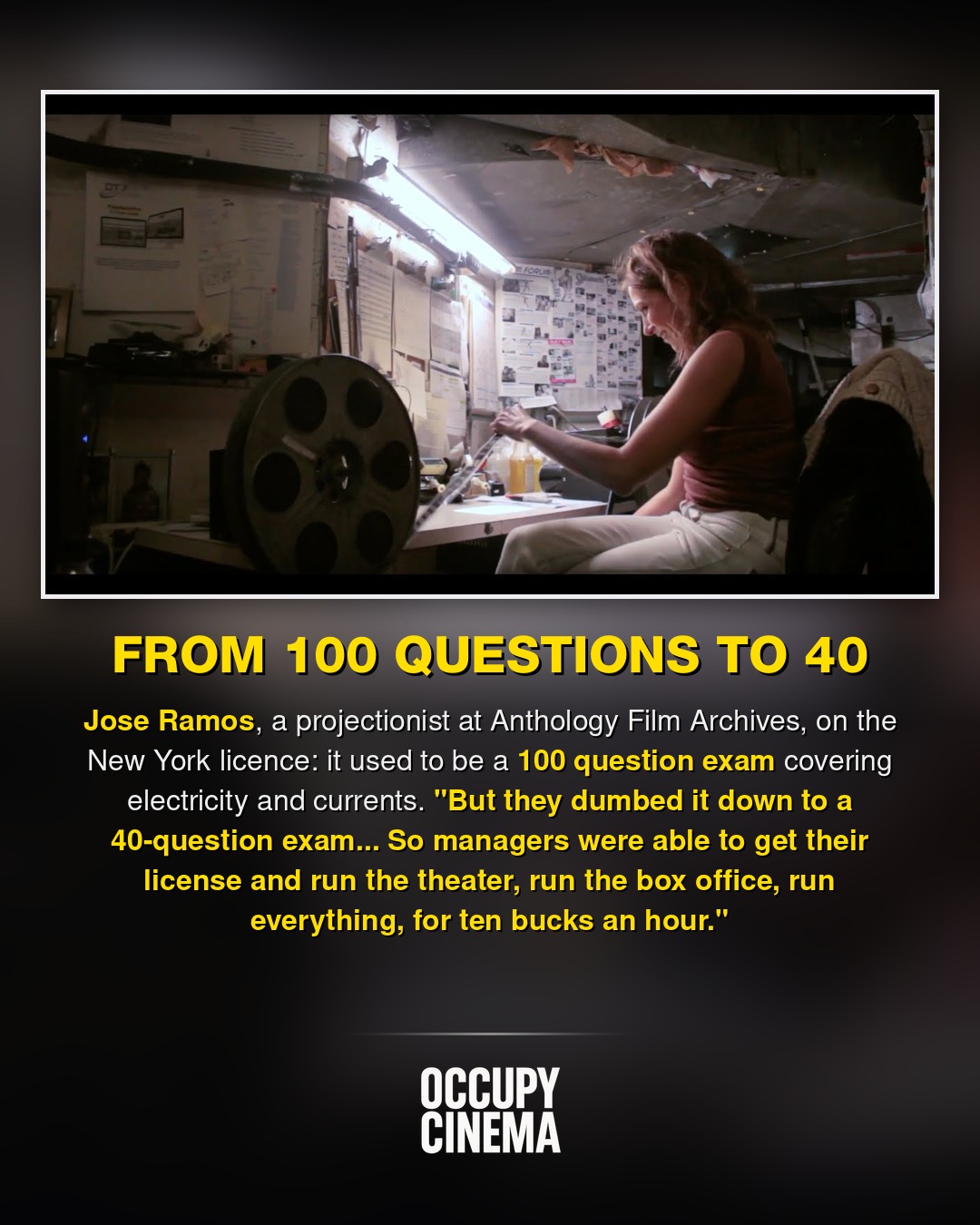
The impact rippled through the labor force, hitting long-standing unions particularly hard. IATSE Local 306 in New York, historically the last standalone projectionists union, once boasted a membership of 3,000 at its peak. By 2010, that figure had shrunk to just 400. This contraction is a direct consequence of the industry's rapid pivot to digital projection. As former board member Joe Rivierzo explained, a critical threshold was established: once a cinema operated with over 51 percent digital screenings for 90 consecutive days, the need for a traditional projectionist could be eliminated. This mechanism effectively codified the obsolescence of a skilled profession.
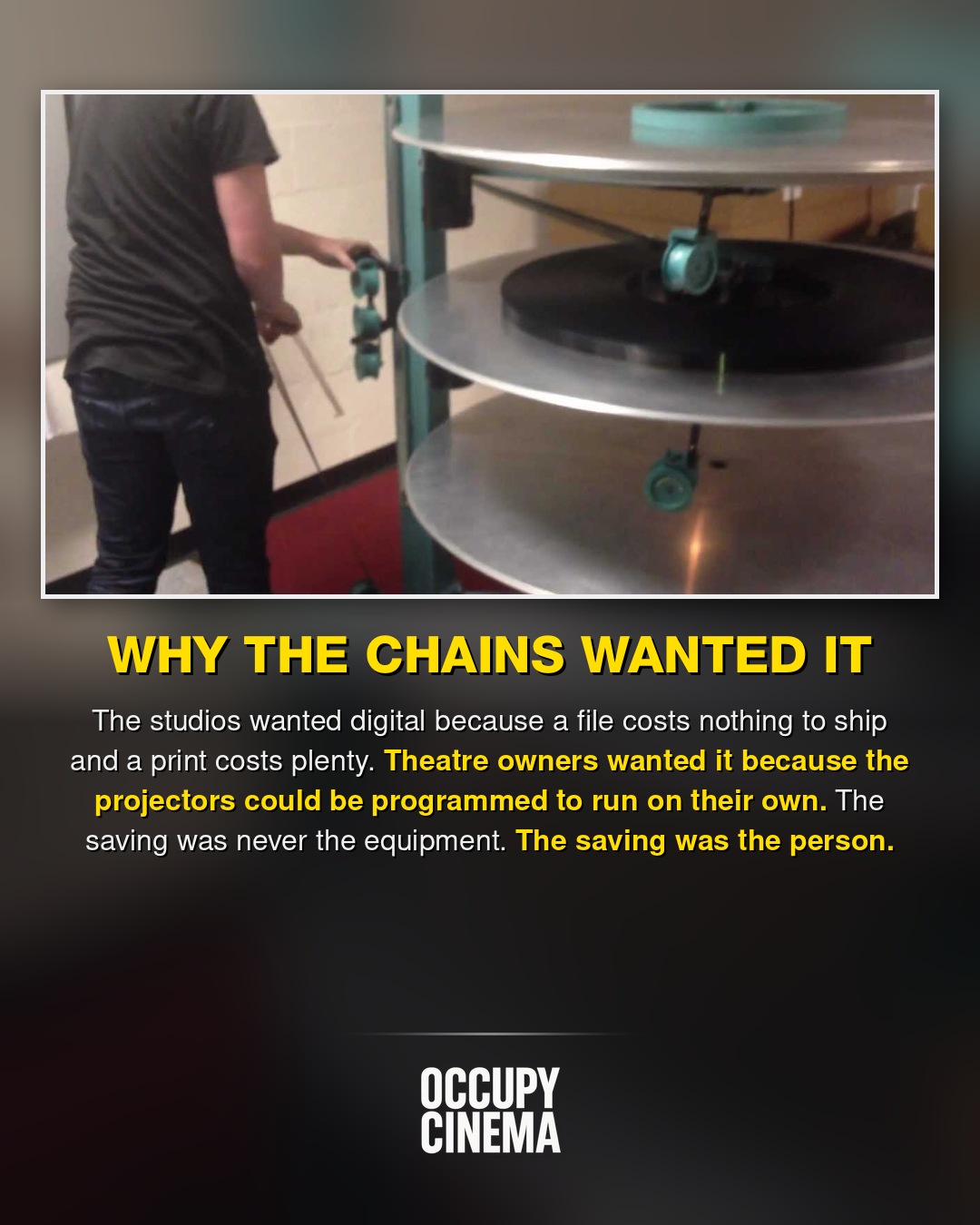
The motivations behind this swift transition were clear, primarily financial. Studios championed digital distribution because it drastically cut costs. Physical film prints, with their associated manufacturing, shipping, and handling expenses, were replaced by digital files that could be transmitted at virtually no cost. Exhibitioners, facing their own economic pressures, readily embraced the new technology. Digital projectors, once installed, required minimal human oversight. They were designed to run themselves, reducing the need for costly, unionized labor. The savings were undeniable, but the human element, the skilled individual who curated the screening experience, became an unfortunate casualty in the ledger.
Beyond the Numbers: A Loss of Craft
The shift was not just about cost. It represented a fundamental change in the craft of film exhibition. Traditional projectionists were more than just button-pushers. They were custodians of the image, responsible for inspecting prints, splicing reels, adjusting focus and framing, and ensuring the perfect presentation. Their expertise was crucial for maintaining the integrity of the filmmaker's vision on screen. The transition to digital often meant a downgrade in the tactile, hands-on understanding of film as a medium. With digital cinema packages (DCPs), much of the technical work is front-loaded, handled by servers and automated systems, leaving less room for on-the-spot adjustments or nuanced technical artistry.
This industrial shift also has implications for film preservation. While digital projection offers consistency and can prevent wear and tear on prints, the long-term viability and accessibility of digital files remain a complex challenge. The industry is still grappling with standards for archiving and ensuring that today's digital films will be viewable decades from now, a task that physical film, properly stored, has proven capable of. The projectionist, in many ways, was a last line of defense for the quality of the theatrical experience, a crucial interface between artistic intent and audience reception. Their diminishing presence raises questions about who now bears that responsibility and what the long-term impact on cinematic presentation will be.
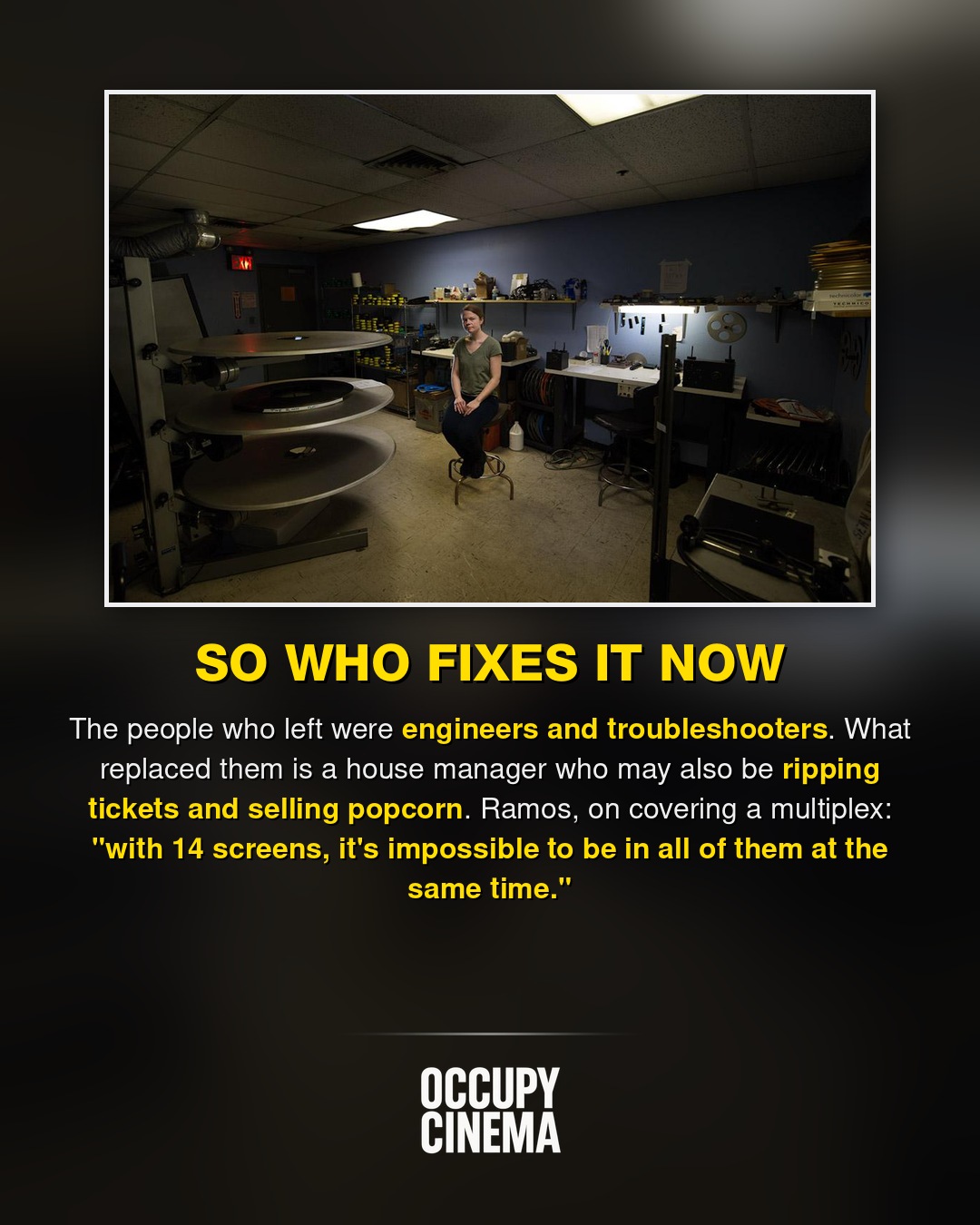
While some specialized venues and revival houses continue to champion analog projection, often employing a handful of dedicated projectionists, these are increasingly niche operations. The vast majority of multiplexes and mainstream theaters have fully converted, making the role of the traditional projectionist an endangered species. This technological leap, while heralded for its efficiency and consistency, came at a significant human cost, irrevocably altering the landscape of film exhibition and the very nature of the moviegoing experience. The numbers speak for themselves, charting the demise of a vital craft and the industry's relentless march forward, often without looking back.


Related reading: The Parade's Gone By.. (Kevin Brownlow).