Occupy Cinema › Exhibition
The House That Taste Built: How A24 Rewrote the Specialty Distribution Playbook
Founded in 2012 with zero studio legacy, A24 turned festival acquisitions into cultural phenomena and redefined modern independent cinema.
By Occupy Cinema ·
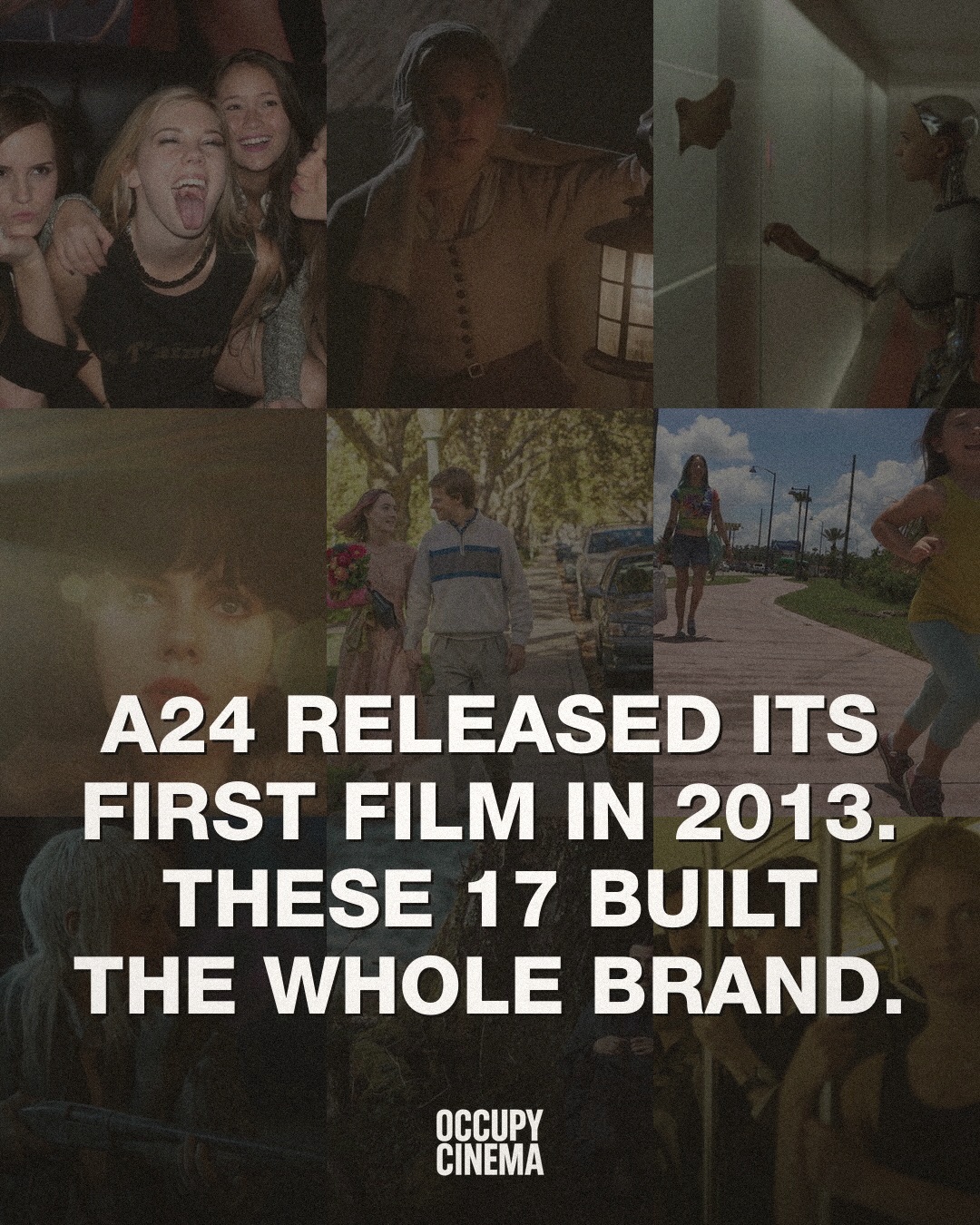
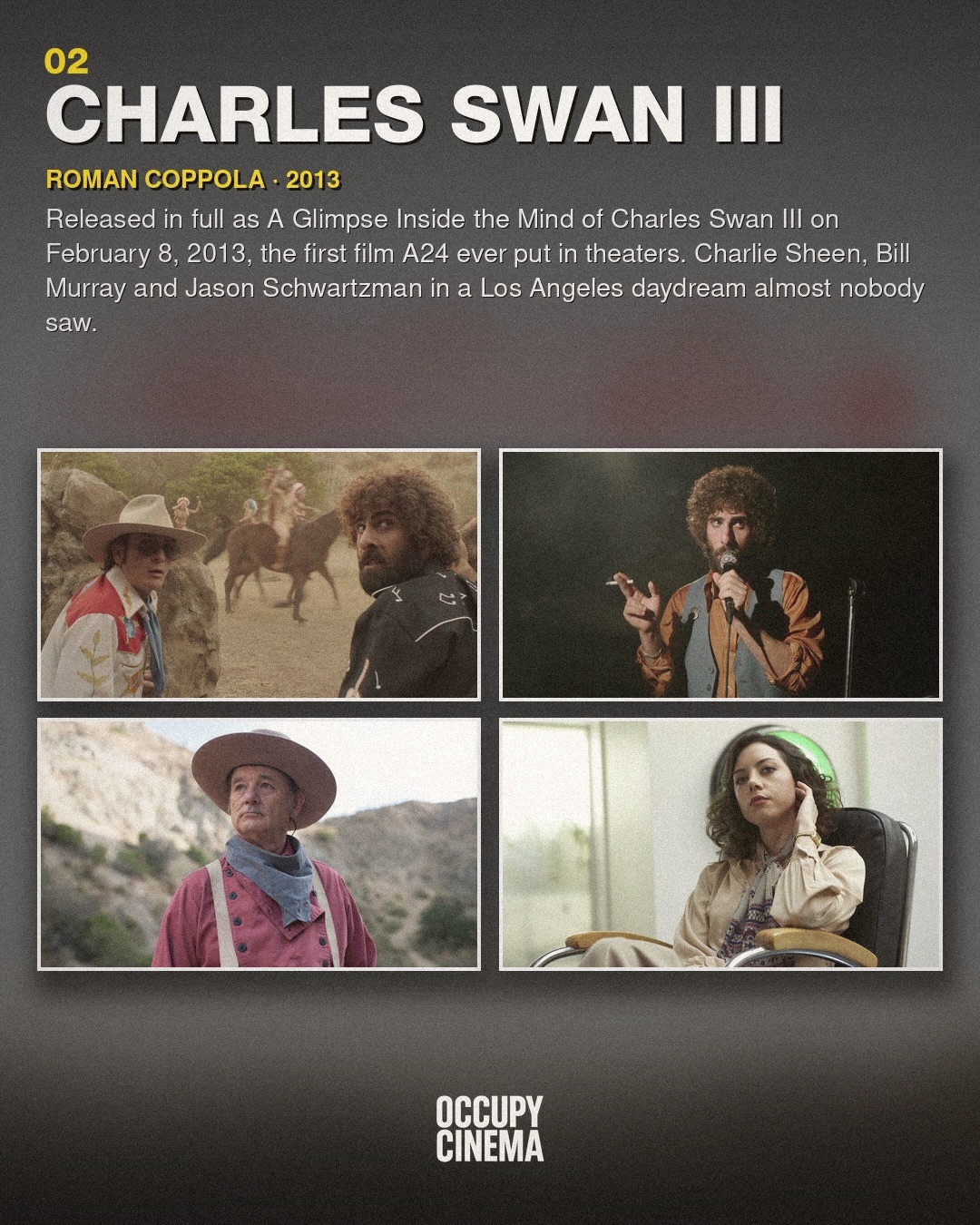
On February 8, 2013, a boutique distributor launched Roman Coppola's A Glimpse Inside the Mind of Charles Swan III into a handful of theaters. It grossed under $50,000. Few industry analysts predicted that the new company, A24, founded by Daniel Katz, David Fenkel, and John Hodges in 2012, would fundamentally alter the Hollywood landscape. Without an IP library, legacy backing, or studio overhead, A24 bet everything on a singular commodity: curation.
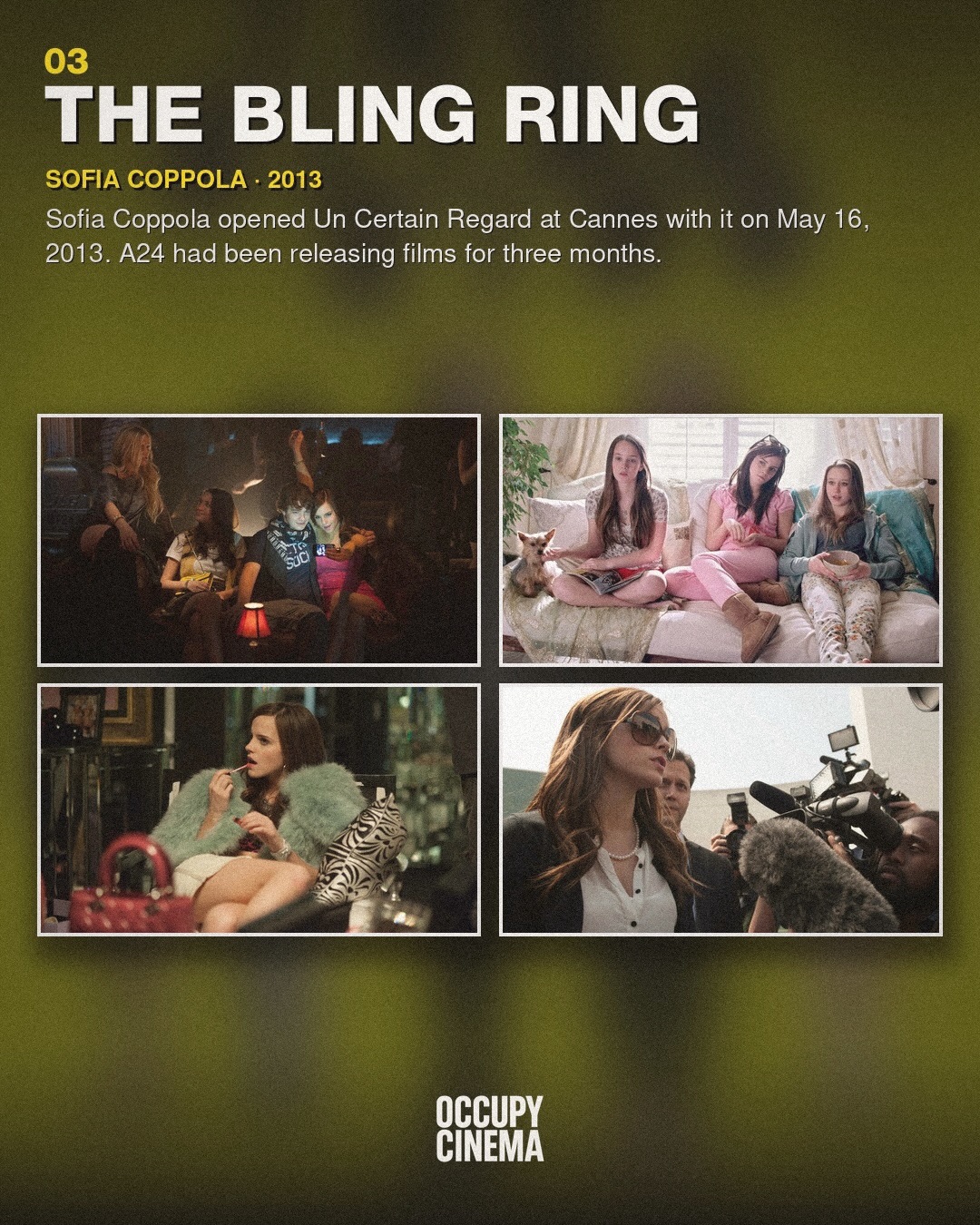
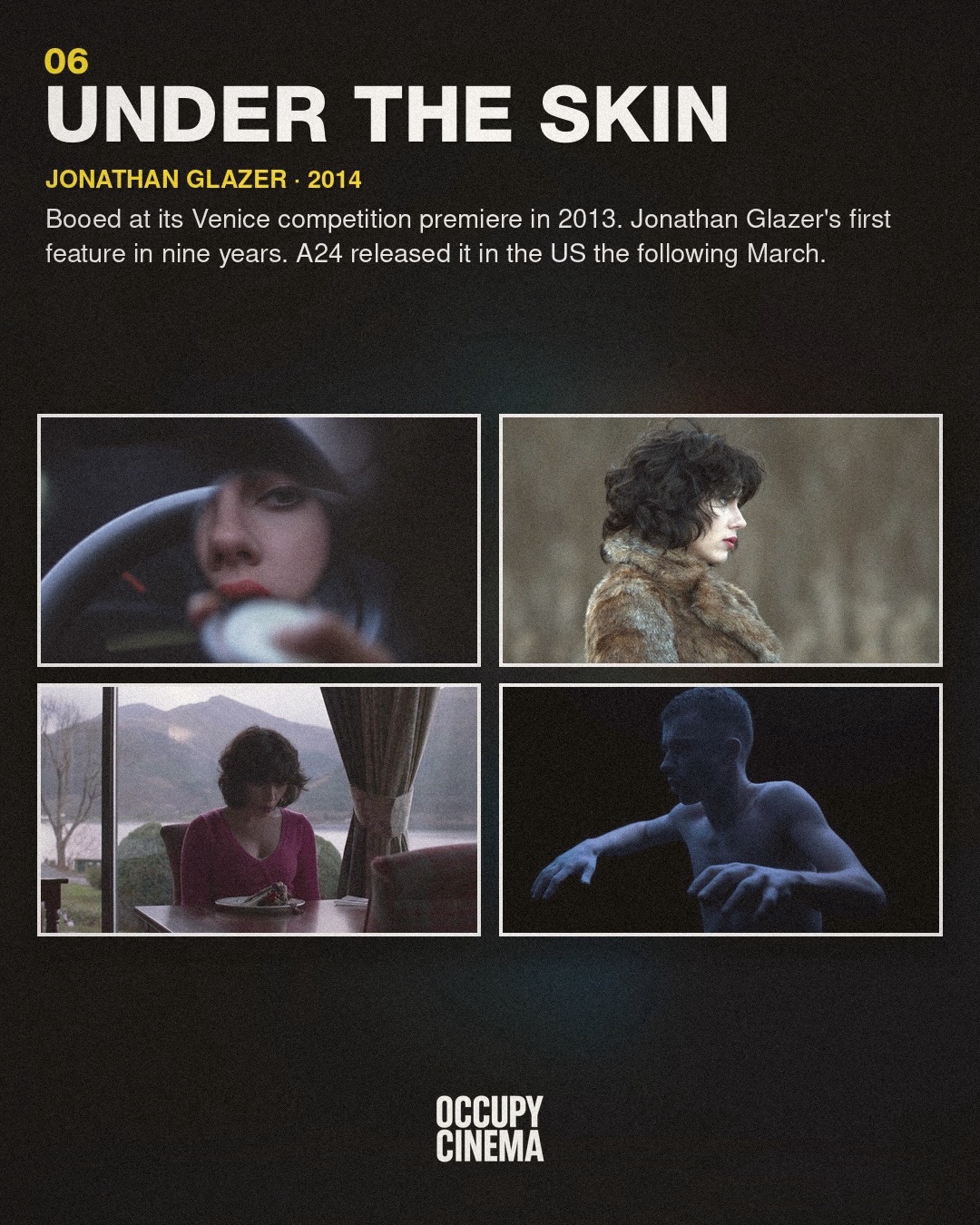
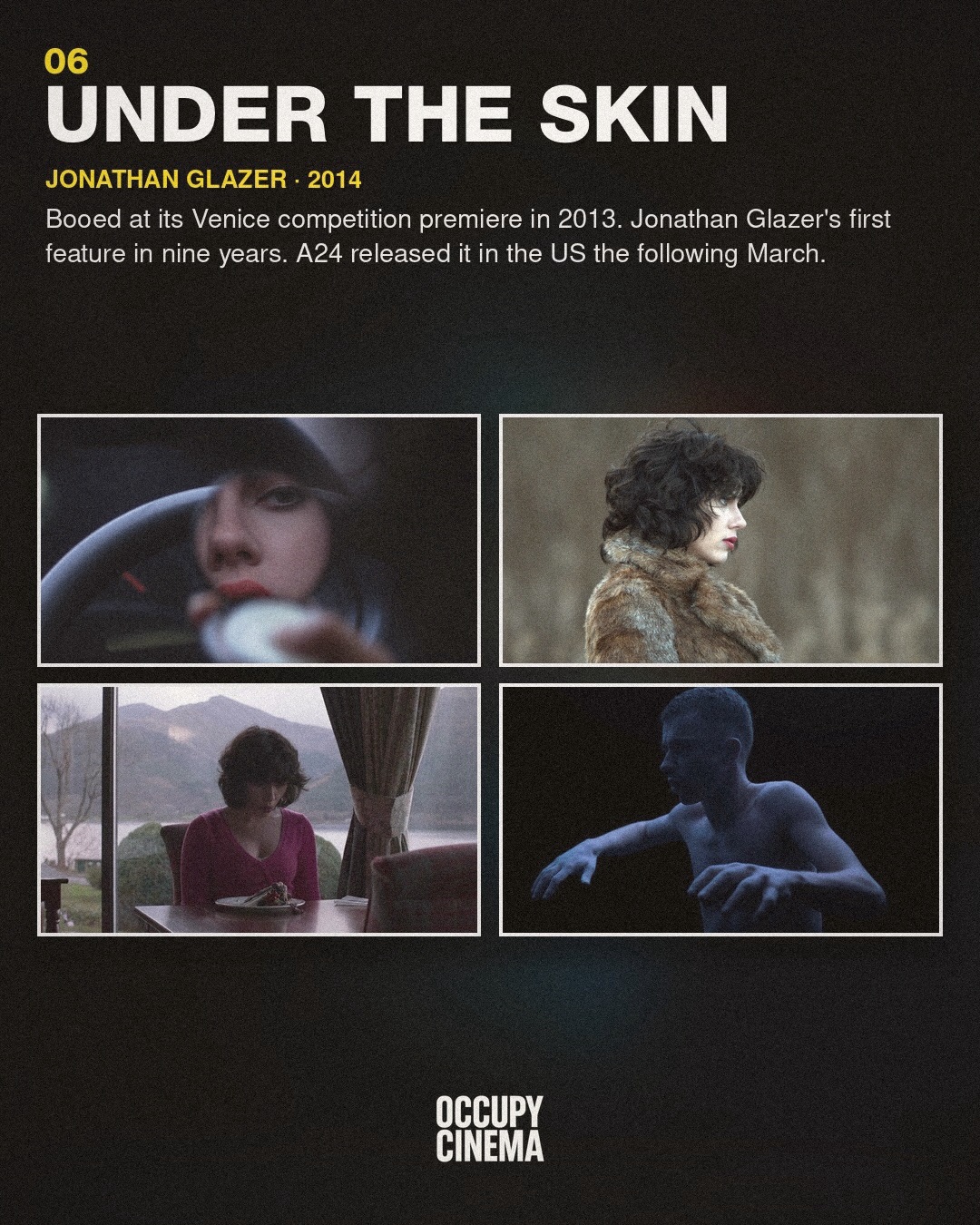
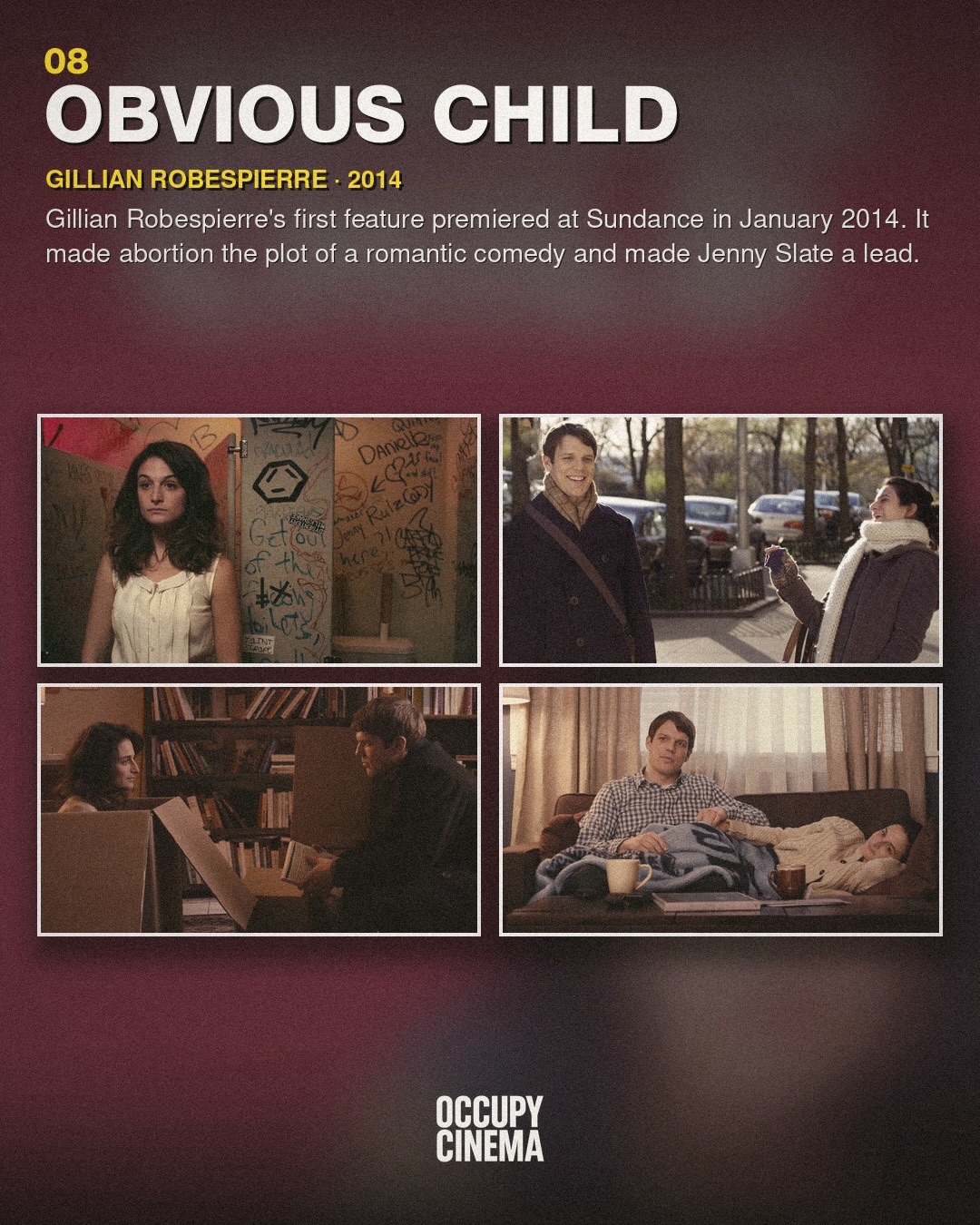
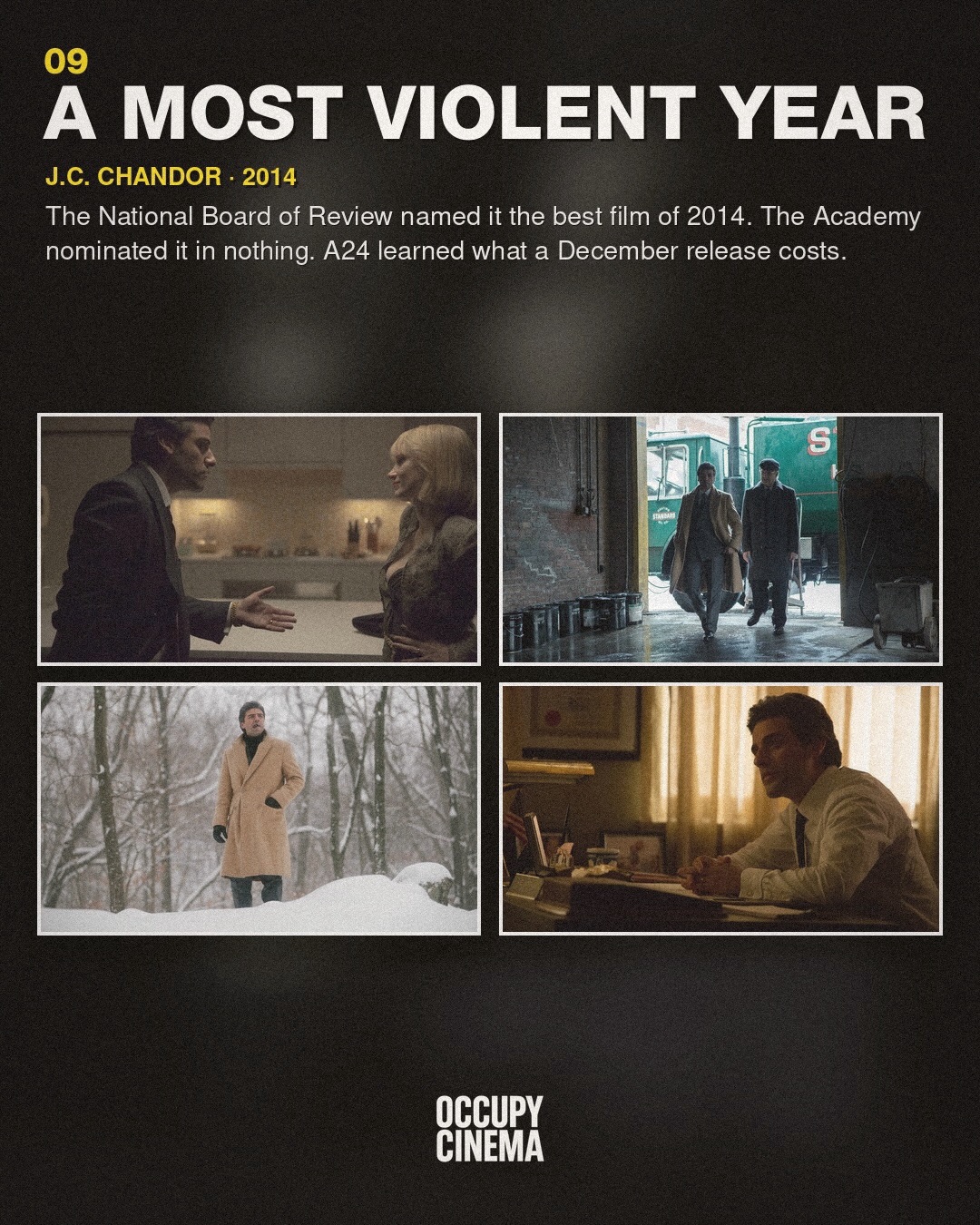
The early strategy relied on aggressive acquisition at top festivals like Sundance, Toronto, and Cannes. Instead of chasing pre-sold brand recognition, A24 targeted auteur vision with distinct aesthetic signatures. They paid modest upfront acquisition fees and offset risk through savvy digital marketing tailored directly to online film communities. Titles like Jonathan Glazer's Under the Skin and Harmony Korine's Spring Breakers proved that polarizing art-house cinema could capture cultural mindshare when packaged with bold graphic design. Reporting from IndieWire consistently highlighted how the team redefined indie marketing.
The Auteur Incubator
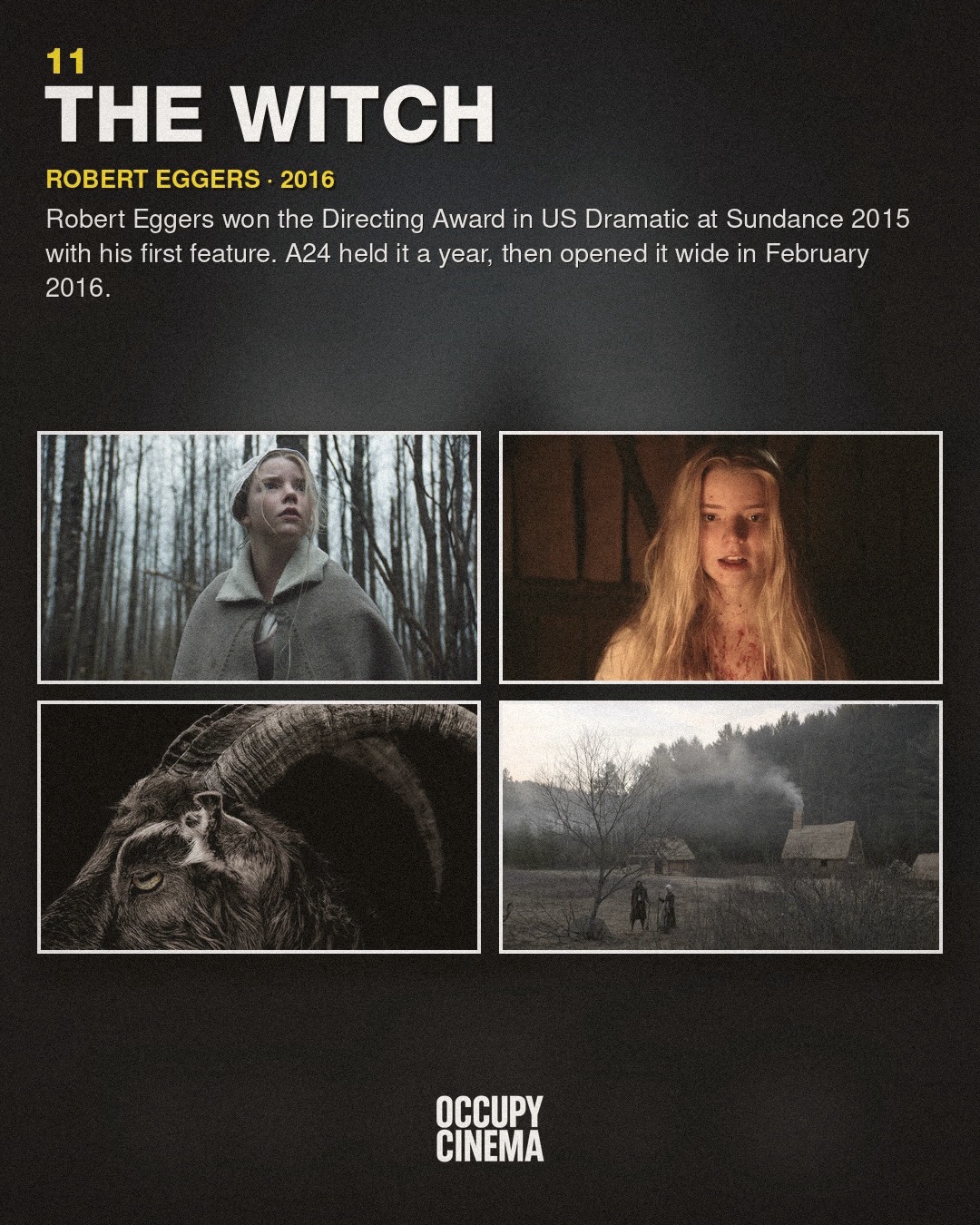
By 2015, A24 transitioned from pure acquisition to backing bold original visionaries. The distributor launched the feature directorial debut of Robert Eggers with The Witch, acquiring the period horror film at Sundance for around $1.5 million before taking it to a $40 million worldwide box office finish. Simultaneously, the sci-fi thriller Ex Machina, directed by Alex Garland, generated over $36 million globally on a modest budget. The film showcased sleek visual effects and razor-sharp writing that earned an Academy Award for Best Visual Effects.
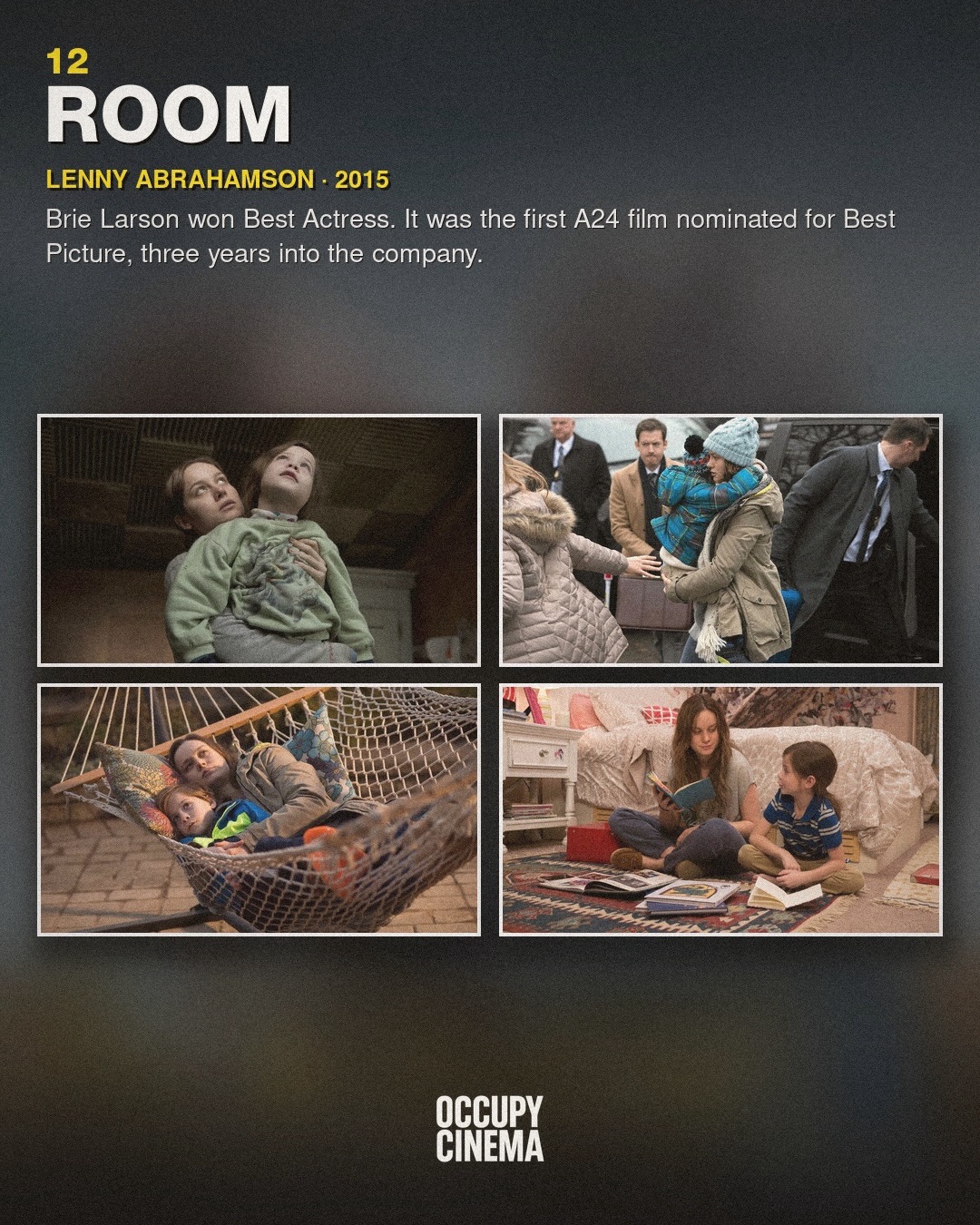
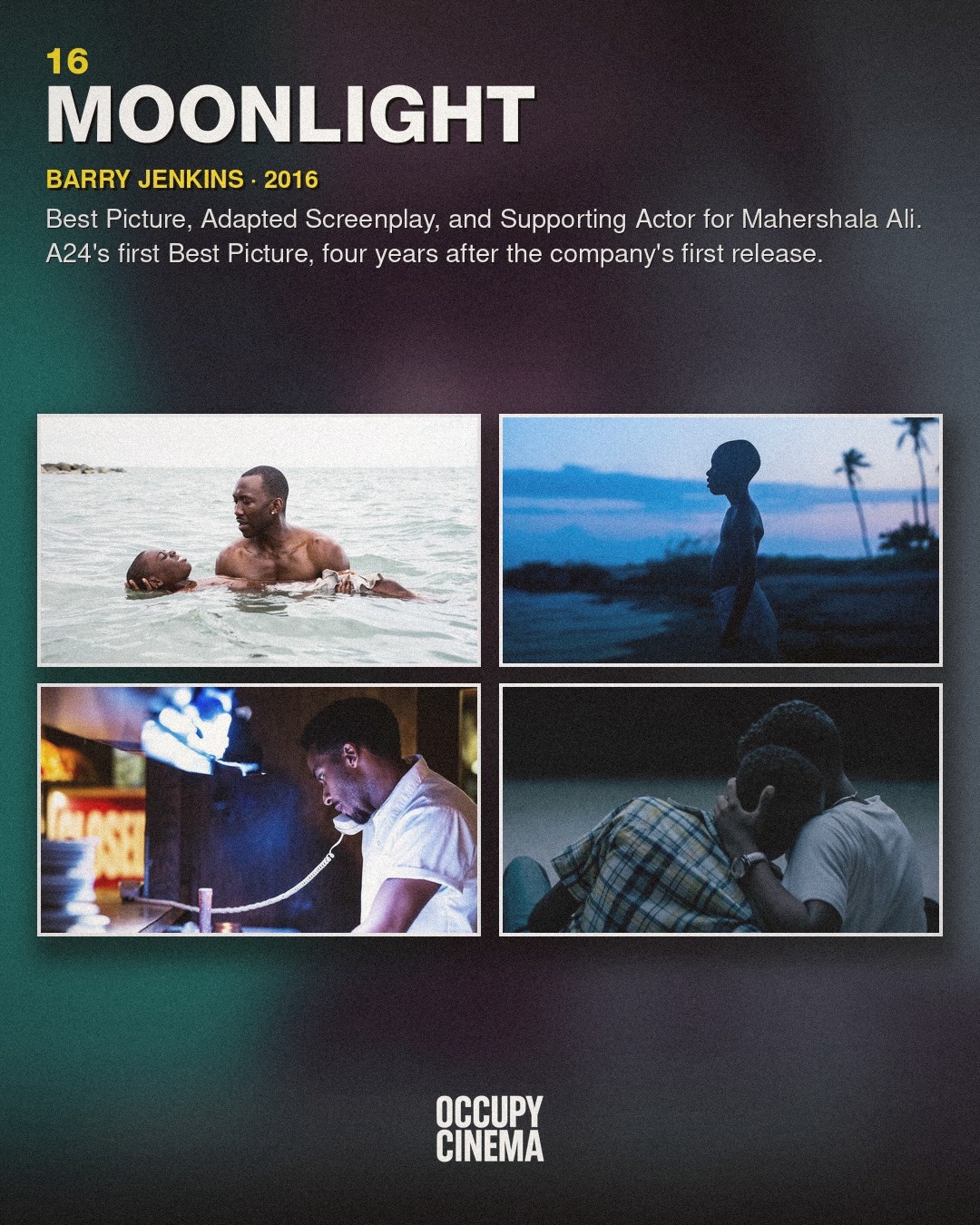
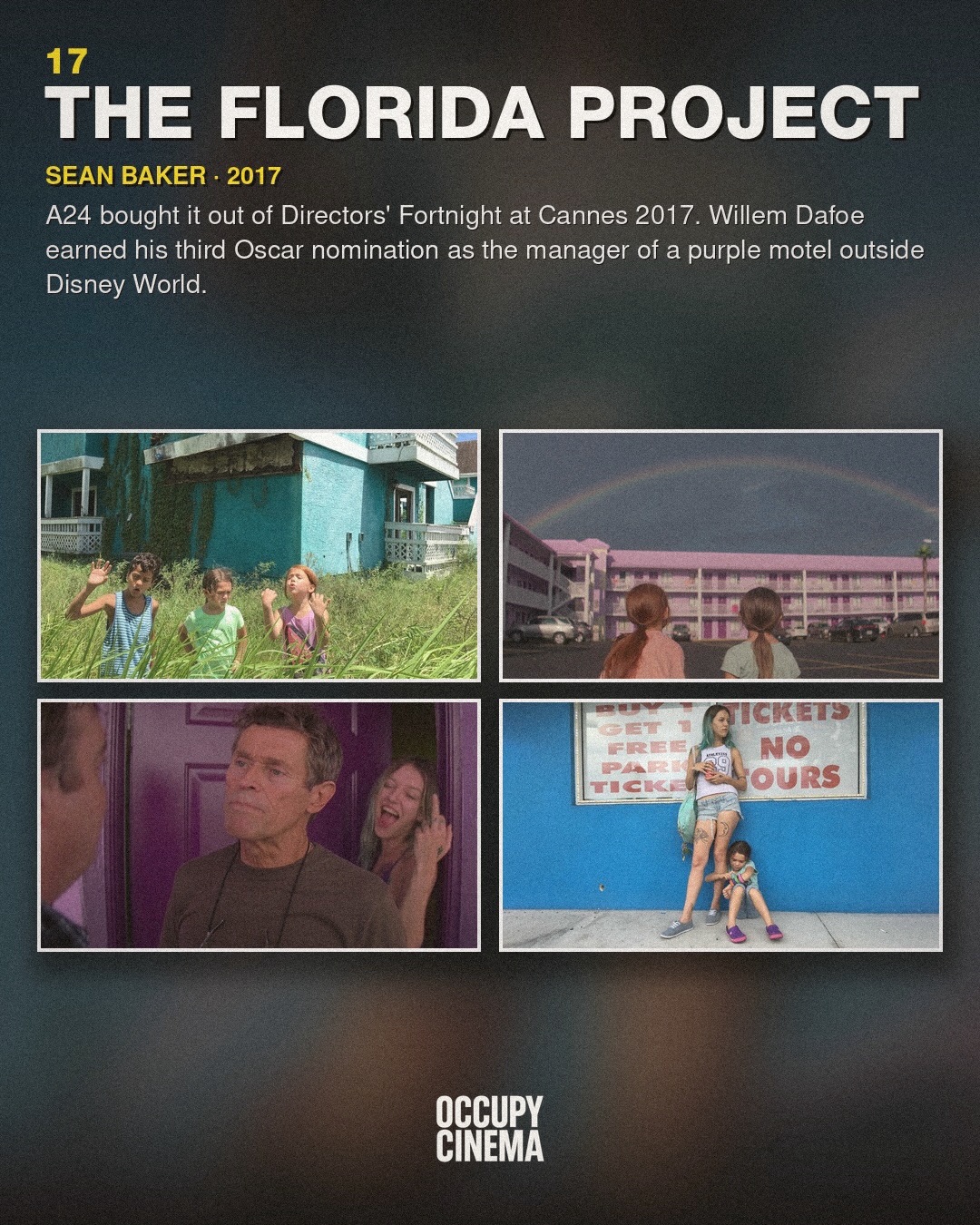
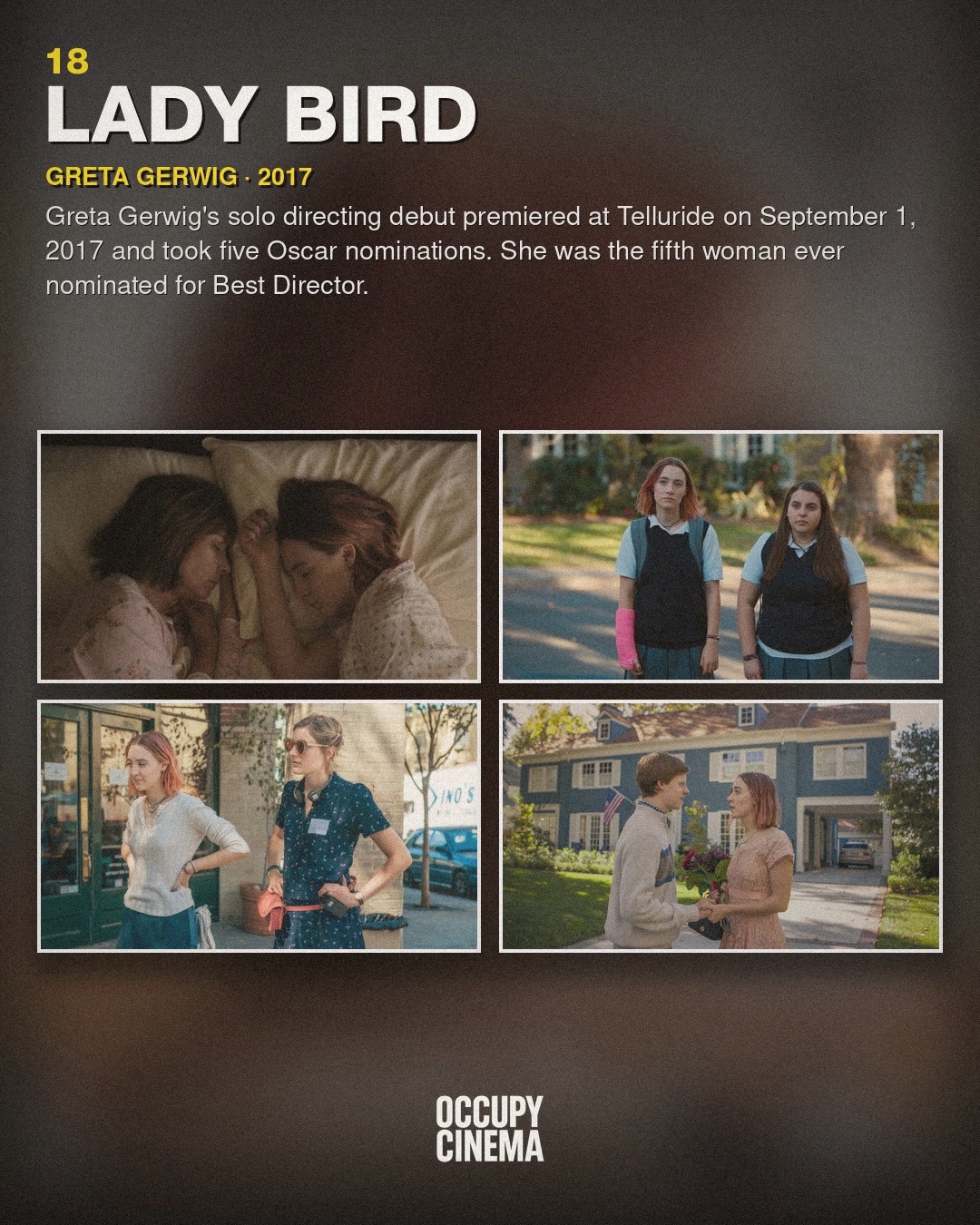
The ultimate institutional validation arrived in February 2017. Barry Jenkins' Moonlight, produced on an estimated budget of $1.5 million, captured the Academy Award for Best Picture after grossing over $65 million worldwide. According to box office reporting from Deadline, it was a seismic moment for specialty distribution. The film proved that intimate narratives could compete directly with massive studio campaigns. Months later, Greta Gerwig released her solo directorial debut, Lady Bird, which grossed $78 million globally and earned five Oscar nominations.
From Boutique Imprint to Global Brand
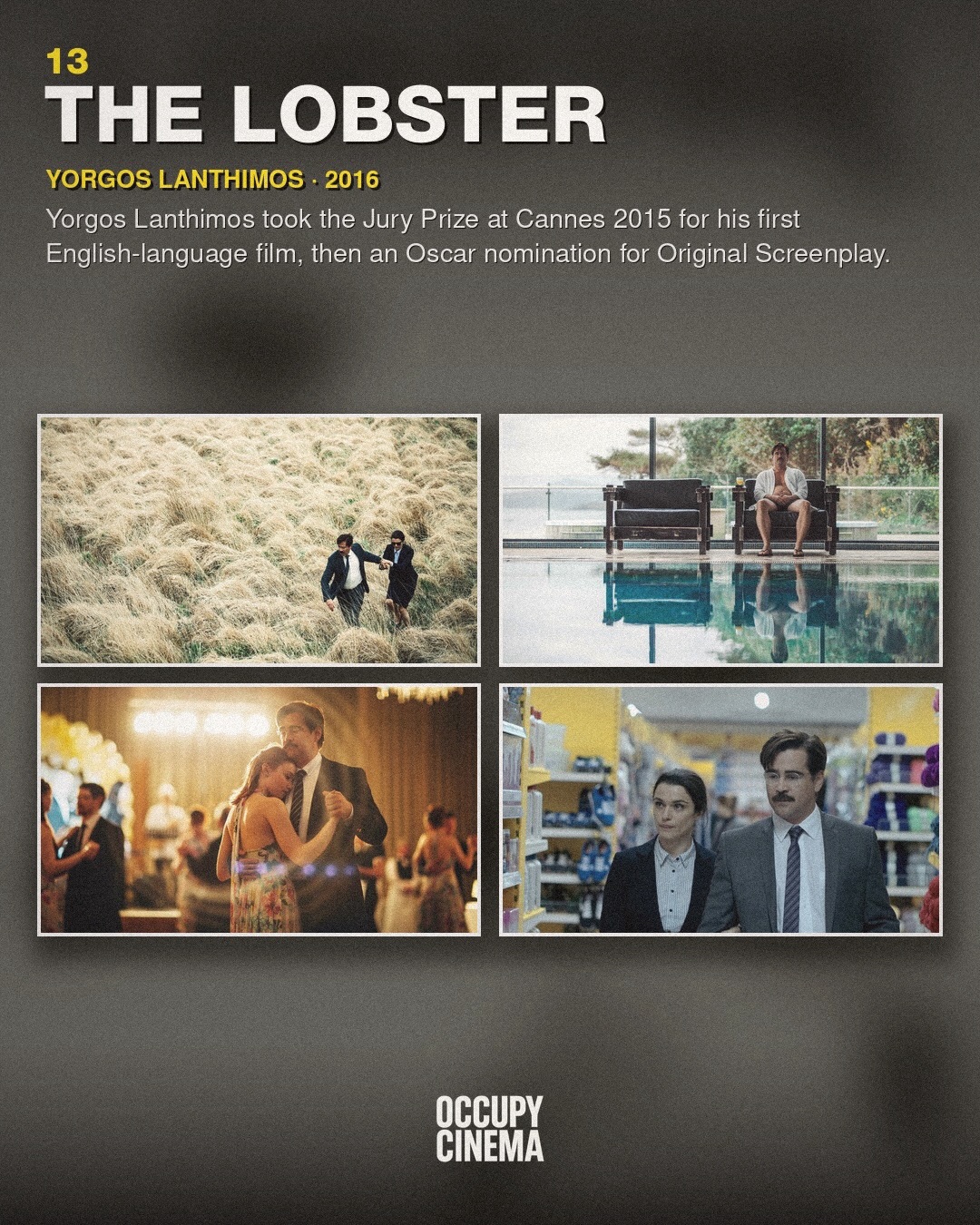
The secret behind the studio's rise extended beyond tactical digital marketing. A24 cultivated a unified visual identity across its theatrical slate. High contrast cinematography, immersive sound design, and brave performances defined the slate. Yorgos Lanthimos found a mainstream audience with The Lobster, blending deadpan satire with pristine compositions. Industry coverage in The Hollywood Reporter noted a rare phenomenon: moviegoers began buying tickets based on the distributor logo rather than the cast list.
Today, A24 operates as a fully fledged studio powerhouse, securing private equity funding rounds that value the company in the billions. Yet the foundation remains the run constructed between 2013 and 2017. By trusting uncompromising filmmakers and treating audiences with intellectual respect, three industry veterans built the most influential film brand of the twenty-first century. The lesson for Hollywood remains clear: distinct voice beats formulaic scale every single time.

Related reading: Sound Design (Sonnenschein).