Occupy Cinema › FEATURED
Grotesque Grandeur: How Yorgos Lanthimos and Robbie Ryan Distorted the Period Drama in The Favourite
Through ultra, wide optical distortion and authentic candlelight, Yorgos Lanthimos transformed eighteenth, century court intrigue into a visceral, subversively modern battleground of power and obsession.
By Occupy Cinema ·
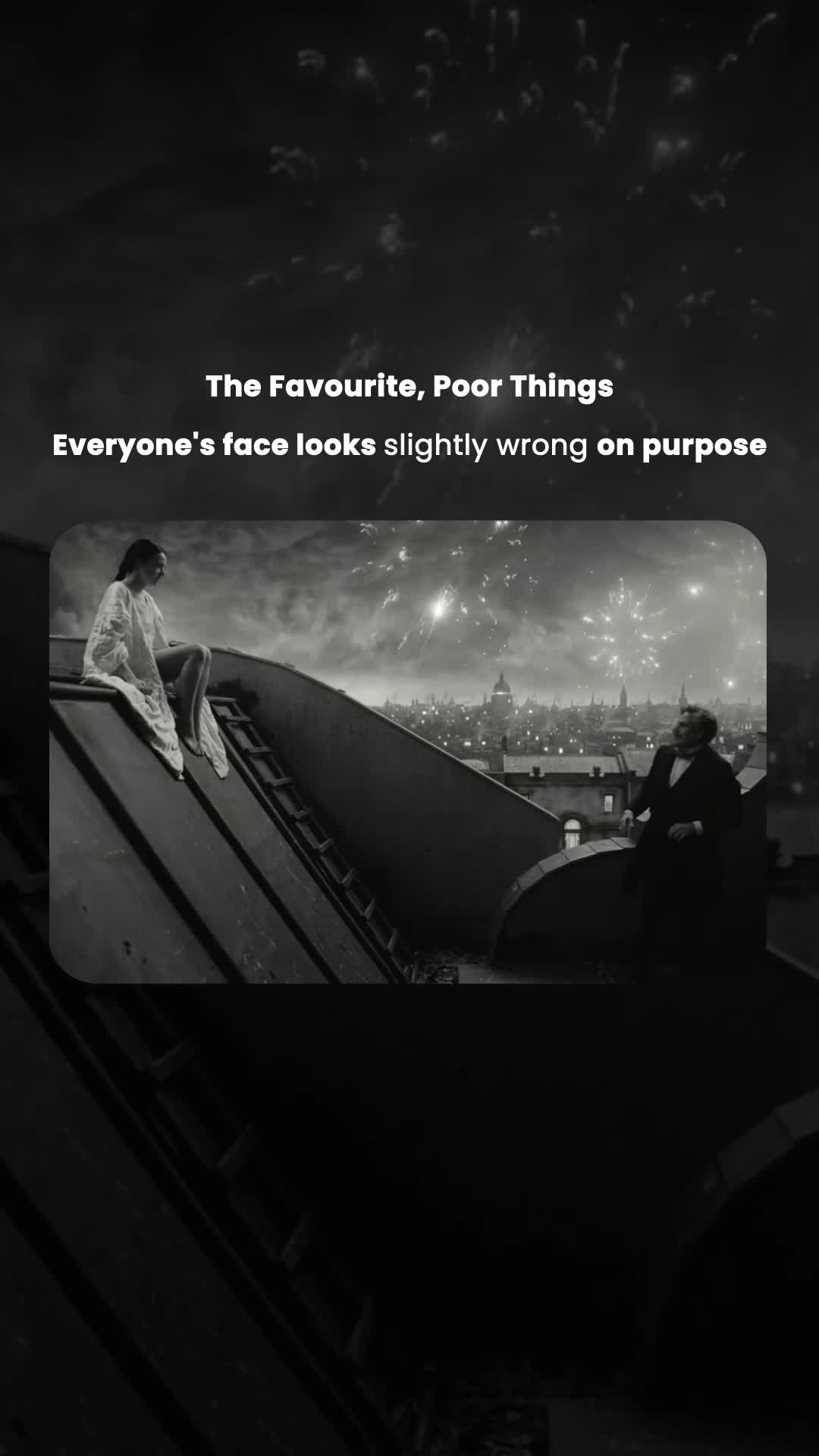
The period drama has long served as a respectable, if occasionally sanitized, pillar of prestige cinema. For decades, historical court sagas prioritized meticulous set dressing and theatrical restraint over raw emotional truth. In 2018, Greek auteur Yorgos Lanthimos upended the subgenre entirely with The Favourite, transforming the early eighteenth, century reign of Queen Anne into a visceral, predatory battleground. Rather than offering an elevated history lesson, Lanthimos delivered a darkly comedic, psychologically brutal study of power, bodily decay, and manipulative affection.
From Development Hell to Uncompromising Vision
The origins of the film trace back decades before its eventual theatrical release. Screenwriter Deborah Davis penned the initial draft in the late 1990s, unearthing the historical intimacy between Queen Anne and Sarah Churchill. The script circulated through development channels for nearly twenty years, often stalled by industry reluctance to finance a period costume drama driven entirely by three complex female leads. The project found its definitive shape when Australian writer Tony McNamara joined the process, infusing the dialogue with caustic wit, contemporary rhythms, and sharp satire. Under Lanthimos, the material abandoned decorative politeness in favor of vicious, physical performances.
Distorting Power Through Robbie Ryan's Lens
To visually translate the claustrophobia and moral corruption of the royal court, Lanthimos partnered with Irish cinematographer Robbie Ryan. The production eschewed traditional spherical compositions, opting instead for extreme ultra wide, angle glass, including a 6mm fisheye lens. This aggressive optical distortion bent the classical architecture of Hatfield House, causing rigid corridors to bulge and stretching human figures across the frame. The camera choice forced the audience to experience the court not as a magnificent palace, but as an inescapable, warped aquarium where political actors swam in circles.
Beyond the spatial warping, Ryan approached the lighting with a radical commitment to historical authenticity reminiscent of Stanley Kubrick on Barry Lyndon. Where practical, Ryan lit interior scenes using only natural daylight streaming through massive estate windows and flickering candlelight for night sequences. By refusing artificial film lighting and soft diffusion, the cinematography exposed every line on the actors' faces and every layer of makeup. The natural flame illuminated the claustrophobic darkness of the royal chambers, creating a rich visual contrast that felt both historically grounded and hauntingly modern.
This uncompromising aesthetic matched the physical intensity of the ensemble cast. Olivia Colman delivered a career, defining performance as Queen Anne, shifting effortlessly between infantile grief, terrifying rage, and deep physical vulnerability. Her portrayal earned her the Academy Award for Best Actress. Beside her, Rachel Weisz as the calculating Sarah Churchill and Emma Stone as the ruthless climber Abigail Hill brought a barbed, kinetic energy to their rivalry. Both Weisz and Stone earned Academy Award nominations for Best Supporting Actress, cementing the film as a masterclass in ensemble performance where no character was spared moral ambiguity.
Financially and critically, The Favourite proved that a radical cinematic voice could yield monumental box office success. Produced on a budget of 15 million dollars, the film resonated with global audiences, ultimately earning over 95 million dollars worldwide alongside ten Academy Award nominations. The movie proved that subverting genre tropes could be both artistically lucrative and culturally influential. The visual grammar established during this production, specifically the wide lens optical distortion and stark natural lighting, became a signature tool for Lanthimos, paving the way for his subsequent work on Poor Things.
Ultimately, The Favourite remains a triumph of modern filmmaking because it uses technique not as mere decoration, but as a direct extension of thematic meaning. The warped fisheye perspective was not a stylistic gimmick; it was the literal visualization of a court twisted by self, interest and grotesque ambition. By stripping away period reverence, Lanthimos and his collaborators constructed a timeless, unflinching masterpiece about human desire and the terrible weight of absolute authority.
Related reading: Reflections: Twenty-One Cinematographers at Work.