Occupy Cinema › Film News
Federal Film Tax Credit Moves Closer to Reality, Aims to Boost Domestic Production
A proposed federal film and TV tax incentive is gaining traction, promising significant credits for labor costs and a boost for production in rural areas across the United States. The bill is expected to be introduced in the House Ways and Means Committee.
By Occupy Cinema ·
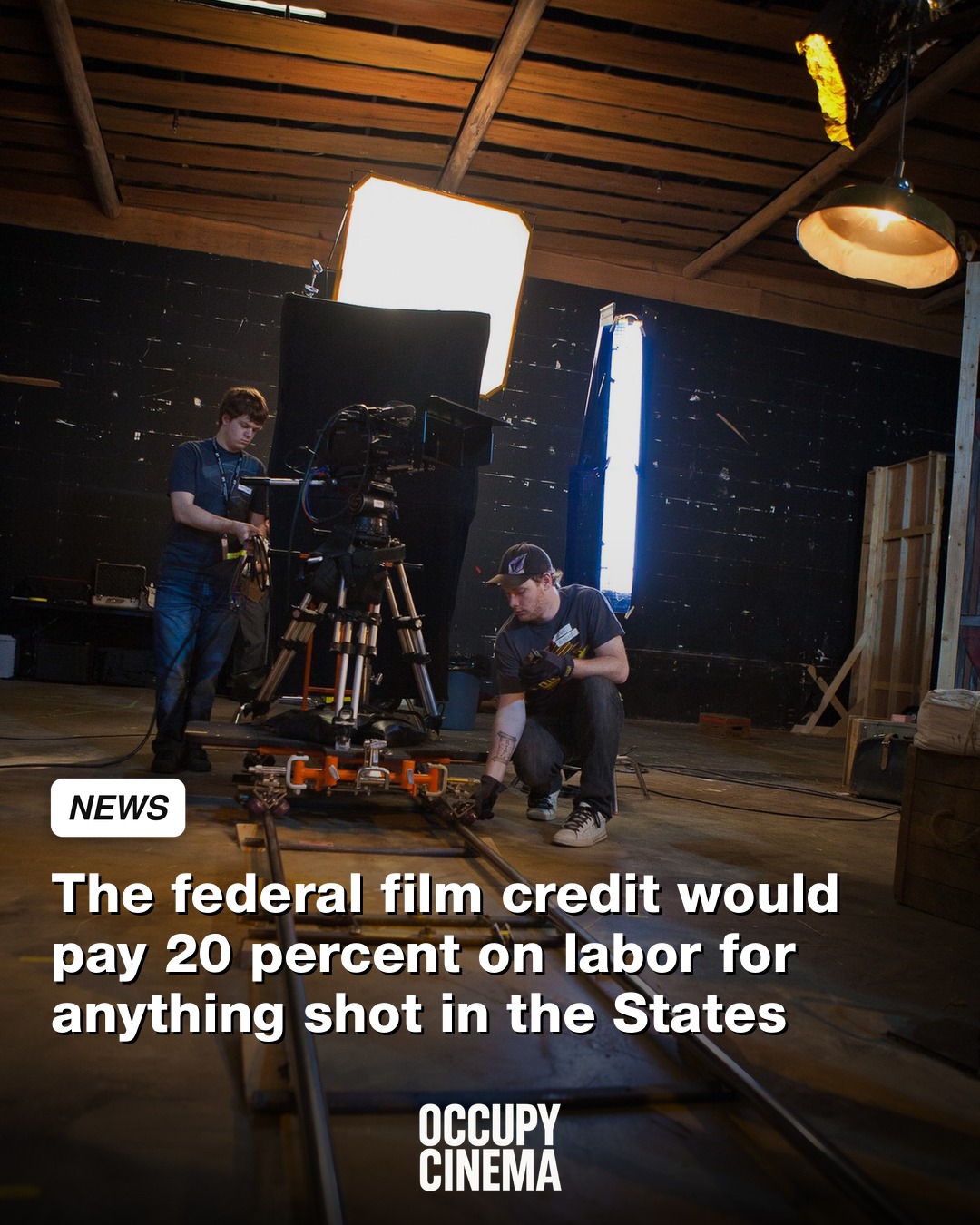
Washington Eyes Production Boom with New Tax Incentive
Washington is poised to make a significant play for domestic film and television production. A new federal tax incentive, currently in its drafting stages, aims to revitalize American film sets and keep jobs stateside. The proposed legislation offers a substantial 20 percent credit on labor costs for productions filmed within the United States. This move signals a direct response to the industry's long-standing reliance on state-level incentives and a globalized production landscape.
Beyond the baseline labor credit, the bill includes additional sweeteners designed to spread the economic benefits more widely. Productions that venture into rural areas or distribute their spending across multiple states could see an additional 5 to 10 percent credit. This tiered approach targets job creation in underserved regions and encourages a broader geographical footprint for major projects. The initiative represents a concerted effort to anchor the entertainment industry's economic impact firmly within U.S. borders, directly competing with the aggressive incentives offered by countries like Canada, the UK, and numerous European nations.
While not yet law, the bill's progression is closely watched. Sources indicate it is slated for introduction in the House Ways and Means Committee the week of September 14. Following this, it will face scrutiny from the Joint Committee on Taxation. Representative Adam Schiff, a key figure in these discussions, has indicated that talks are nearing a conclusion, though details are still being finalized. The legislative process for such a comprehensive federal incentive is complex, requiring careful calibration to balance industry needs with fiscal responsibility.
The Stakes: Billions in Investment and Thousands of Jobs
The potential impact of a federal tax credit cannot be overstated. Currently, the U.S. production landscape is a patchwork of state-level incentives, varying wildly in their generosity and scope. While states like Georgia, California, and New York have successfully attracted major productions with robust programs, a federal credit could streamline decision-making for studios and offer a more predictable financial environment. This stability could lure back projects that have historically chased more lucrative foreign subsidies, such as those that Canada and the UK have long leveraged to become production powerhouses.
For film crews and related industries, the implications are immense. A sustained federal incentive could lead to a significant increase in domestic production volume, translating directly into more jobs for cinematographers, sound mixers, grips, gaffers, and countless other skilled professionals. The push for rural and multi-state filming also promises to distribute these economic benefits beyond traditional production hubs, fostering local economies and developing new infrastructure in areas that rarely see large-scale Hollywood shoots. The entertainment sector is a massive employer, and this legislation aims to bolster that employment domestically.
The debate around film tax incentives often centers on their economic return on investment. Proponents argue that the generated jobs, local spending, and increased tax revenues from productions far outweigh the cost of the credits. Opponents, however, frequently question the direct financial benefits versus the expenditure. The current proposal's focus on labor costs and geographic spread suggests an attempt to address these concerns head-on, ensuring that the incentives directly support American workers and communities. This strategic design aims to create a more compelling argument for federal intervention in a highly competitive global market.
This federal initiative, if passed, would fundamentally reshape how studios plan their production logistics and budgeting. It represents a long-awaited policy shift that could bring a significant portion of runaway productions back to American soil, injecting billions into the national economy and reaffirming the United States' position as a global leader in film and television creation. The industry watches keenly as this critical legislation advances through Congress.